How Dong Master Carpenters Record a Building
Marked bamboo, models, drawings and apprenticeship reveal a living design practice behind Sanjiang’s timber buildings.
Liuzhou has more than one scale. In the central city, Liuhou Shrine gathers centuries of remembrance around Liu Zongyuan, while the Industrial Museum asks how machines and environmental work helped shape urban life. A bowl of luosifen introduces another relationship between skilled preparation and modern production. Farther afield within the same administrative jurisdiction, Sanjiang Dong Autonomous County deserves its own attention: Chengyang’s covered bridge, master builders’ recording systems and the musical geography of Grand Song are connected subjects, but not interchangeable village experiences. Follow the named places and practitioners rather than expecting one landmark to explain the whole region.
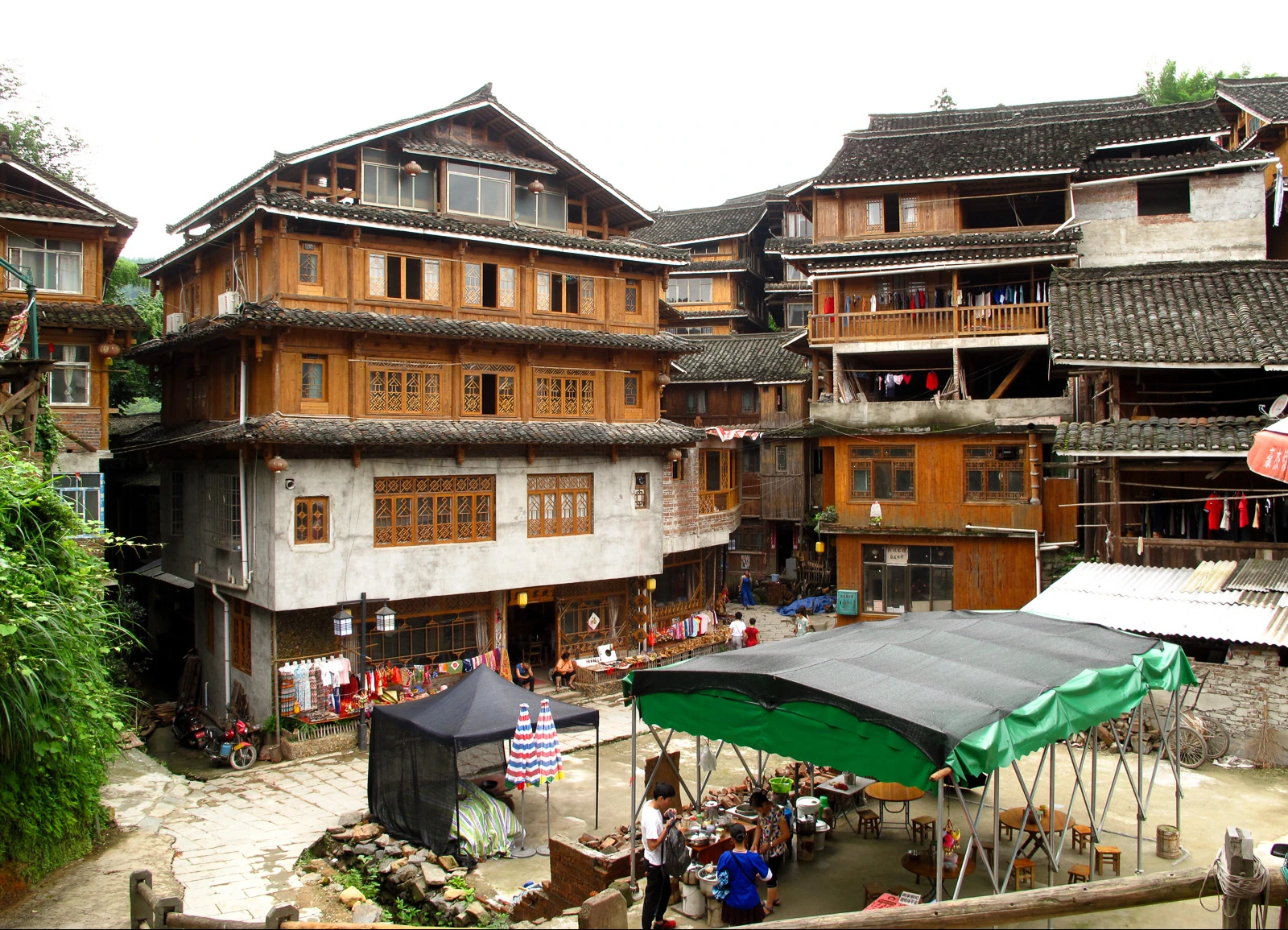
Marked bamboo, models, drawings and apprenticeship reveal a living design practice behind Sanjiang’s timber buildings.
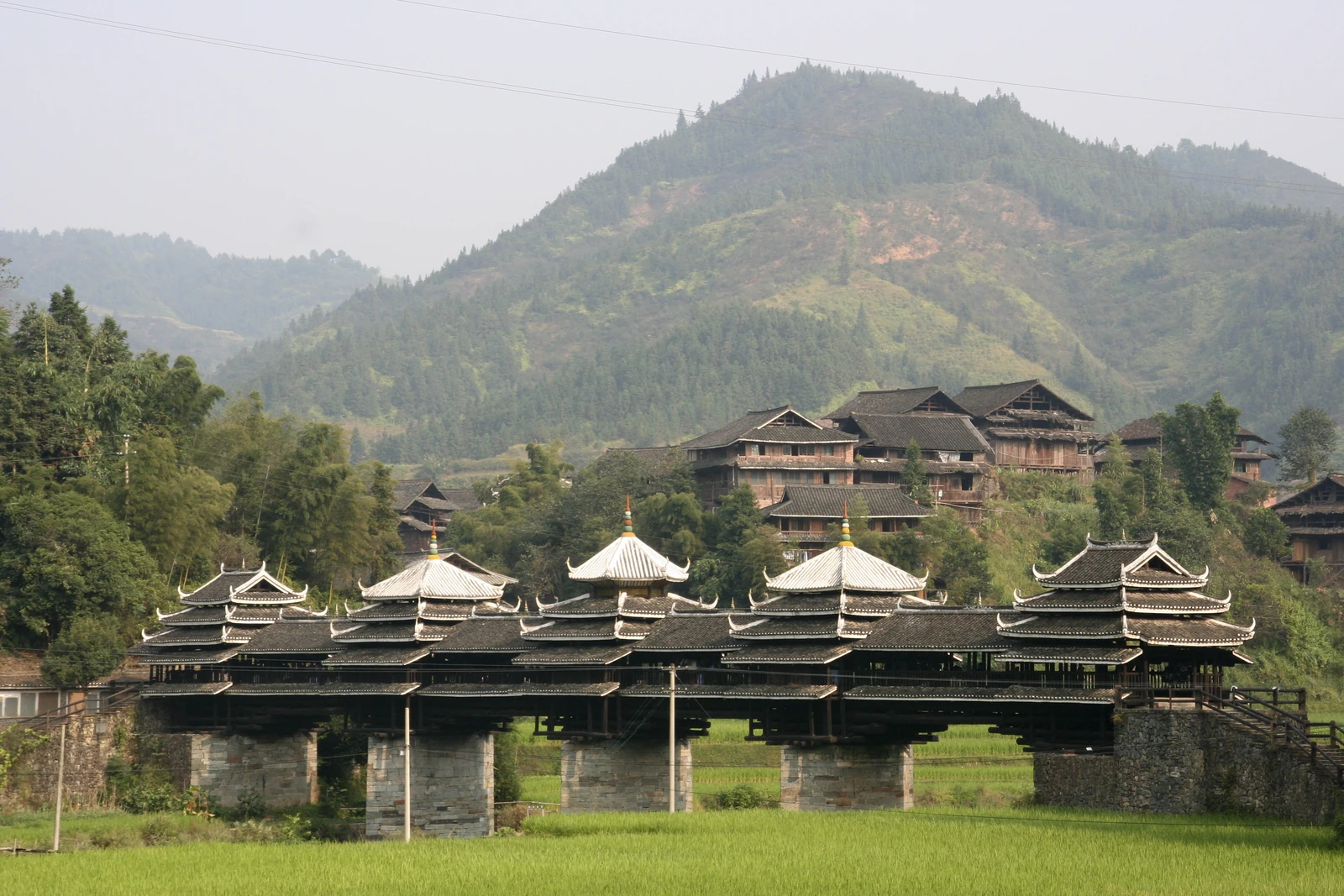
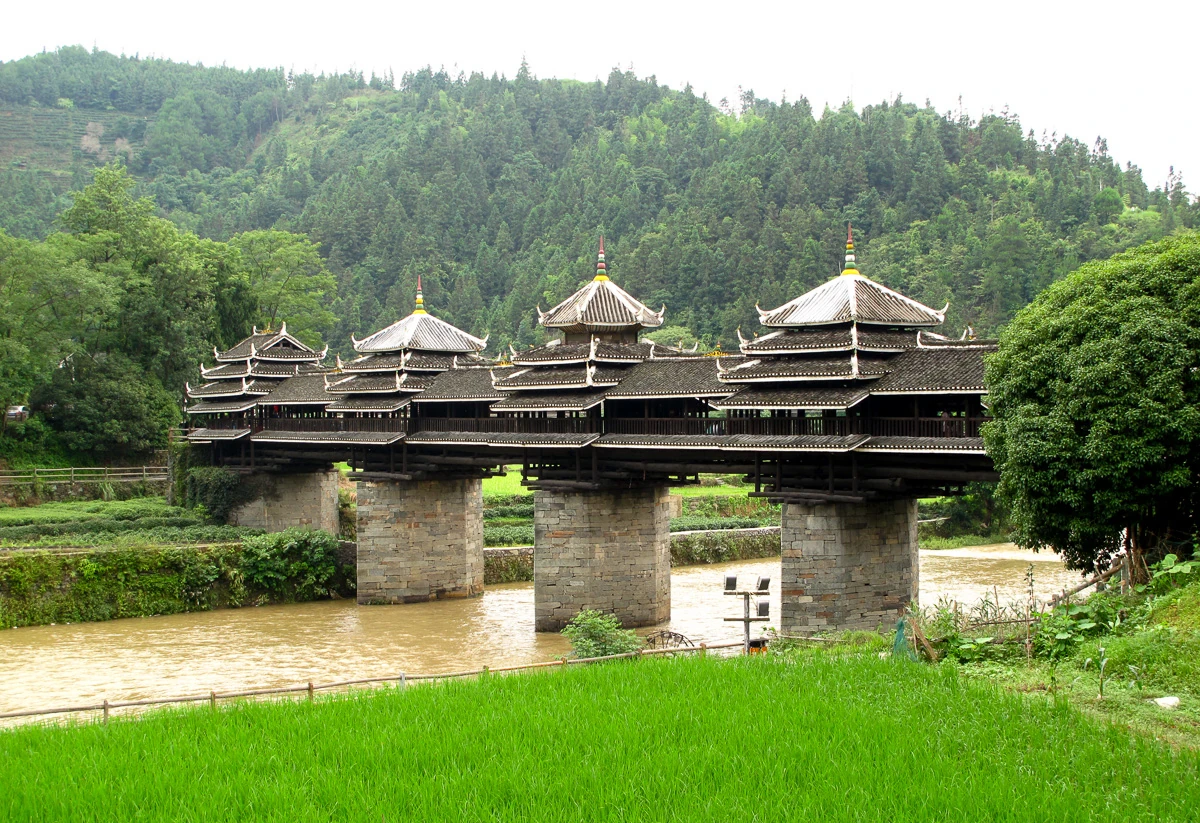
Chengyang Yongji Bridge joins a river crossing to a sheltered passage and five timber pavilions in Sanjiang.
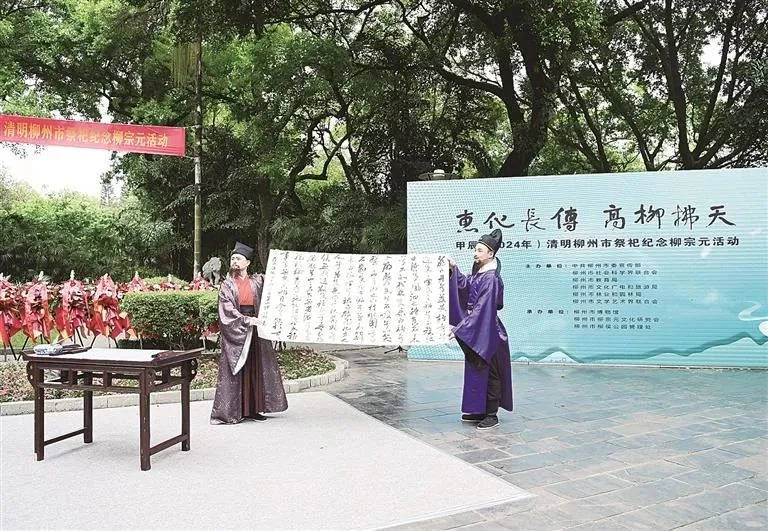
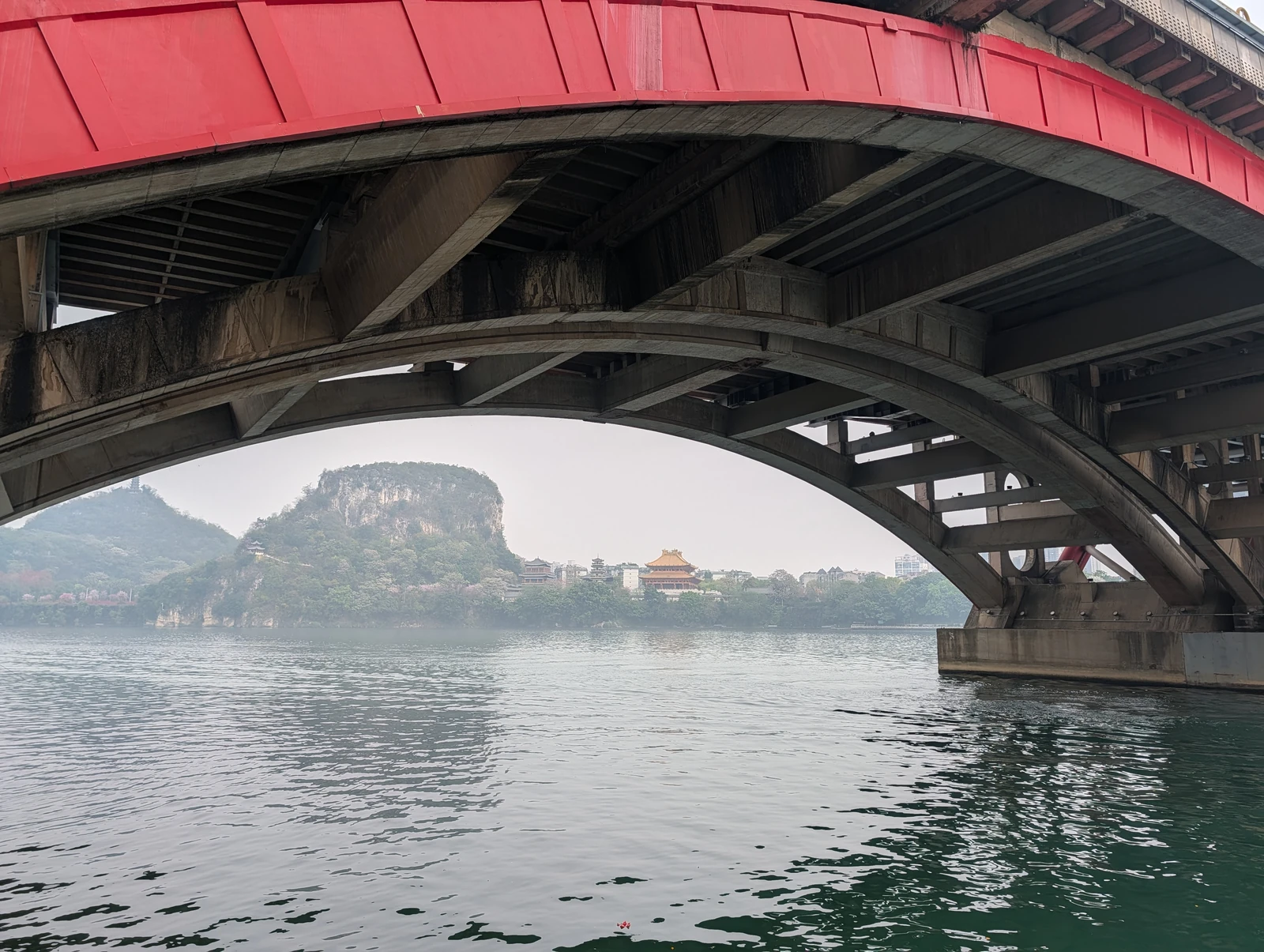
Liu Zongyuan’s brief final posting, long literary reputation and a repeatedly renewed shrine meet in Liuzhou’s landscape of remembrance.
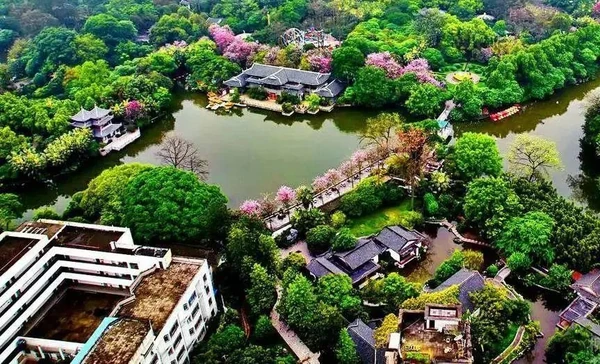
At Liuhou Shrine, the Lizi Stele brings Liu Zongyuan, Han Yu and Su Shi together across time through remembrance, writing and carving.
Read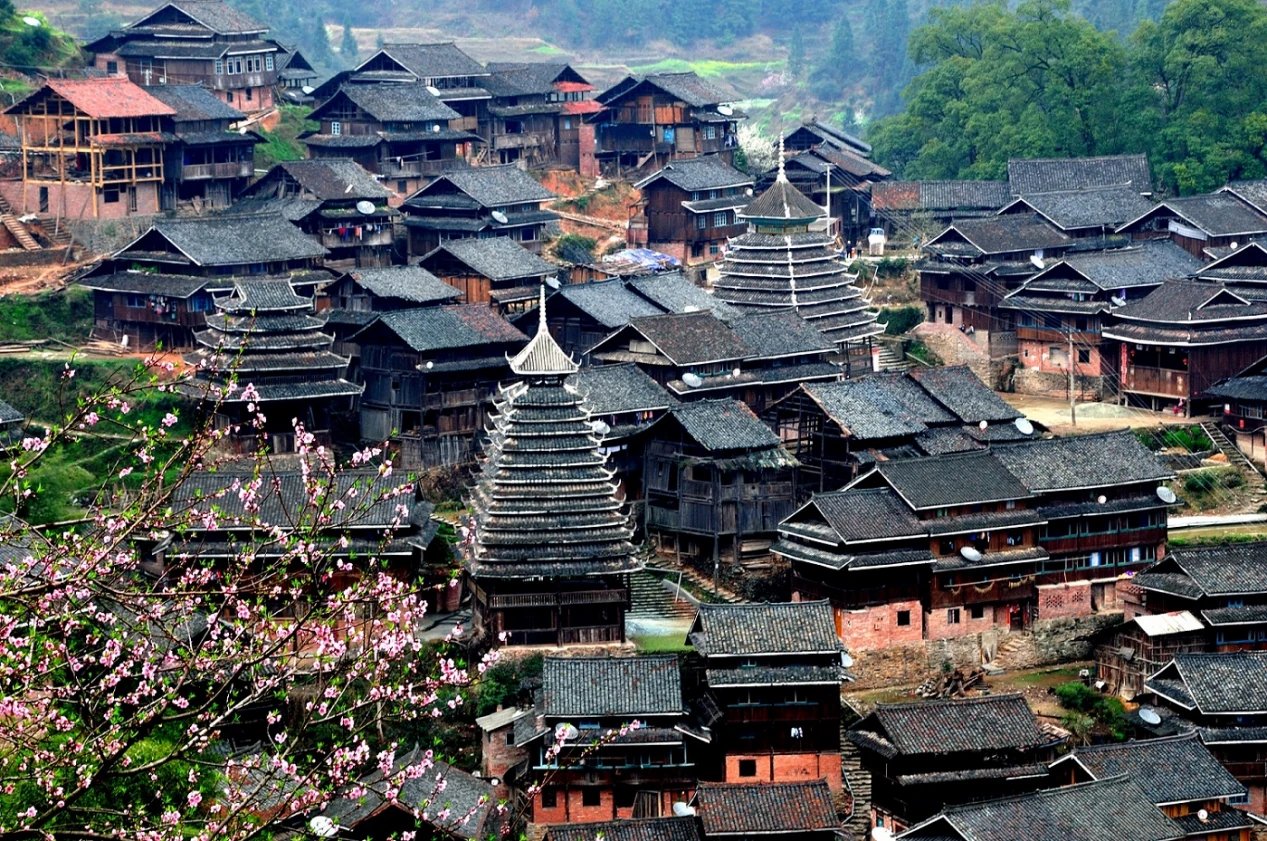
Sanjiang’s museum-village network changes the scale of heritage from an isolated object to places where people continue to live.
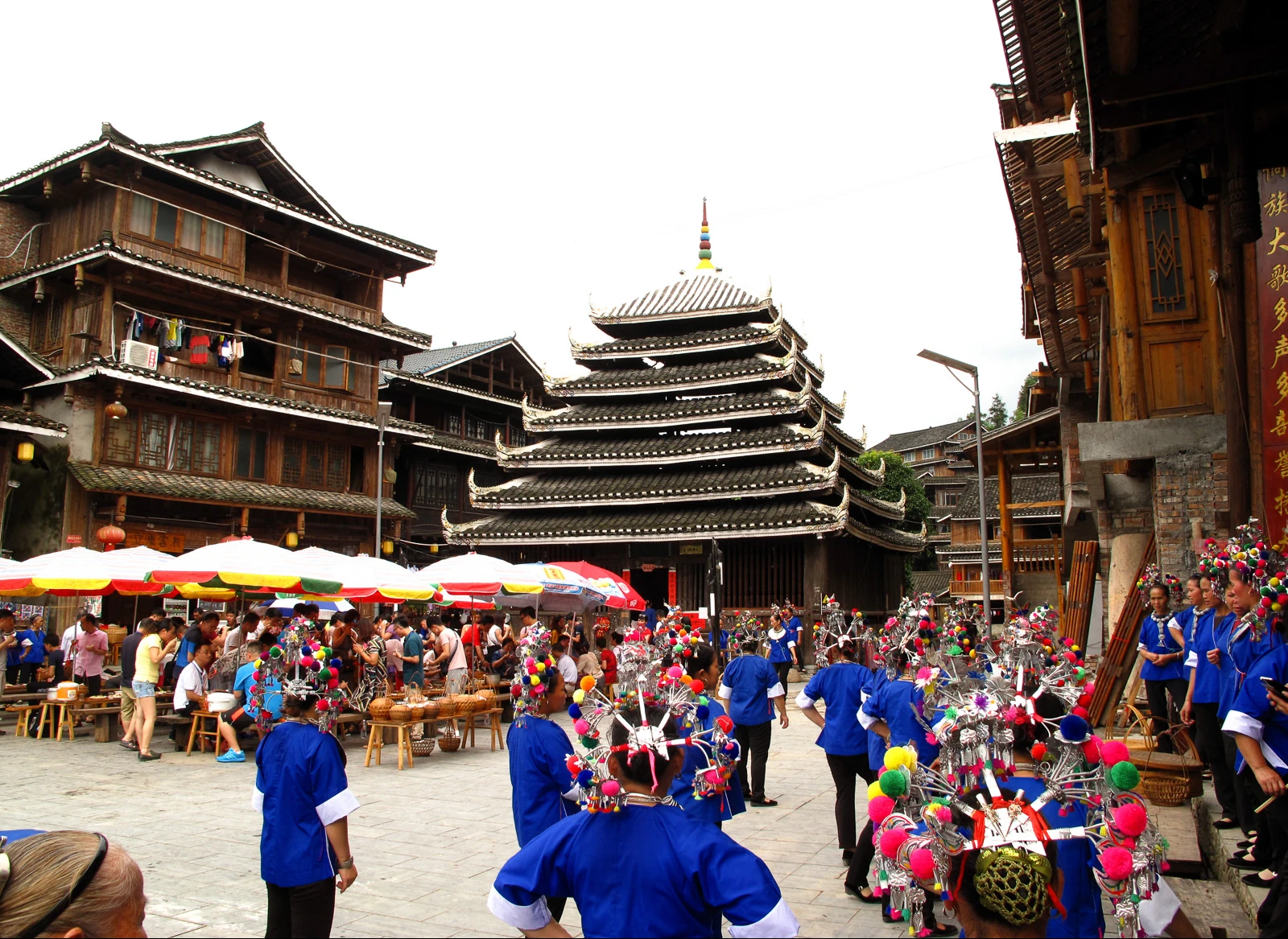
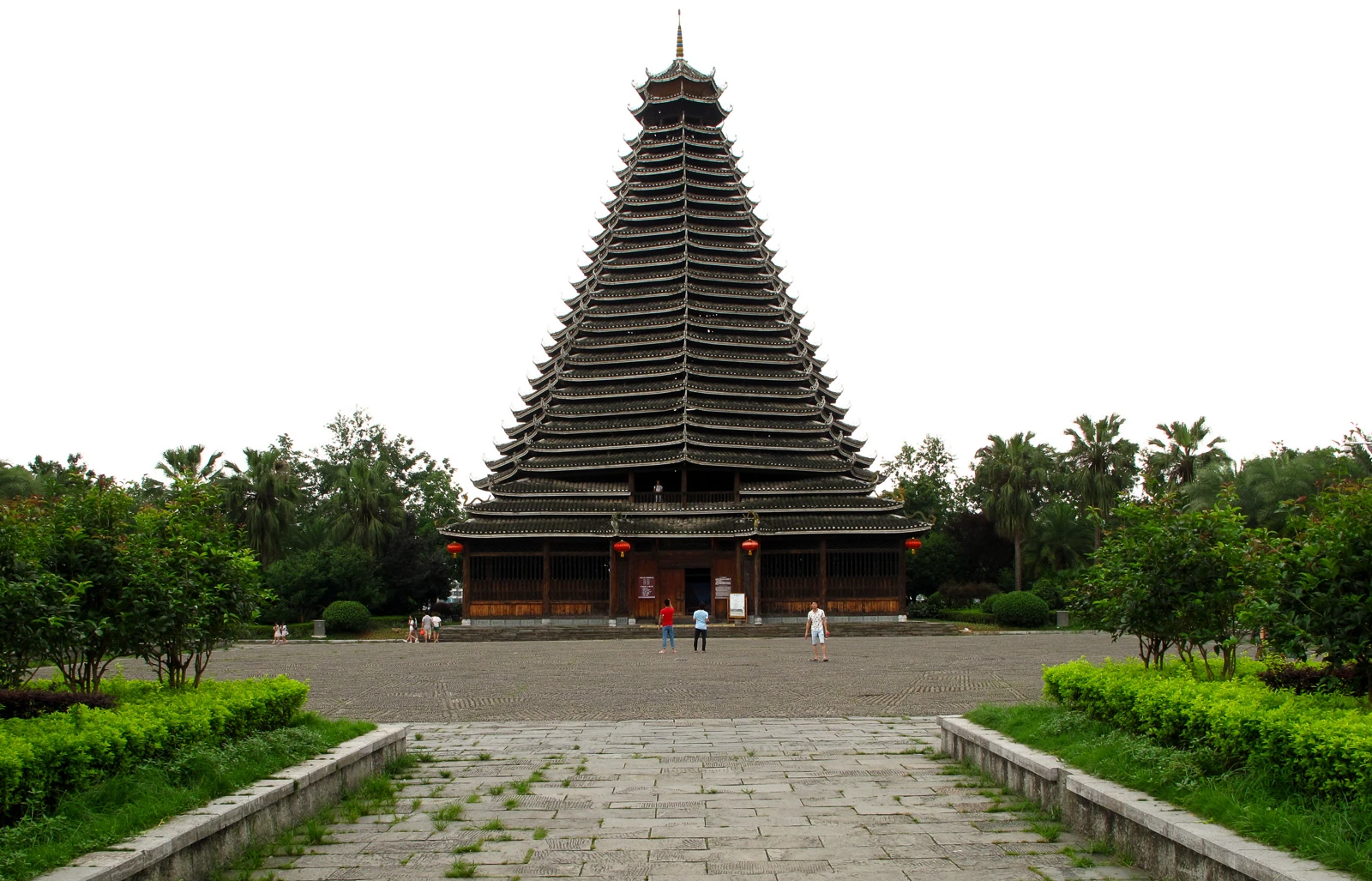
Sanjiang’s drum towers combine landmark rooflines with sheltered spaces for discussion, singing, ceremony and rest.
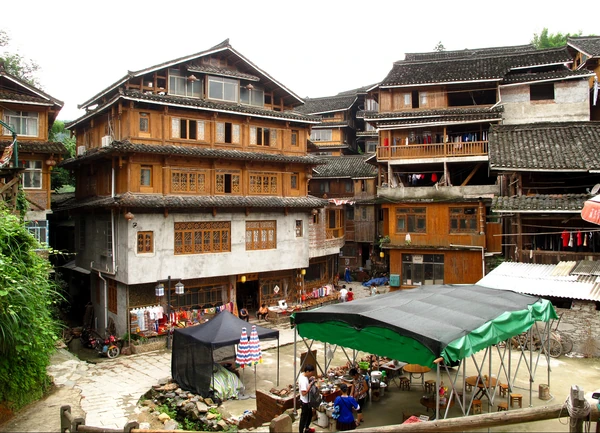
Documented building ceremonies show how practical work, family hopes and public celebration can meet in the same timber frame.
Read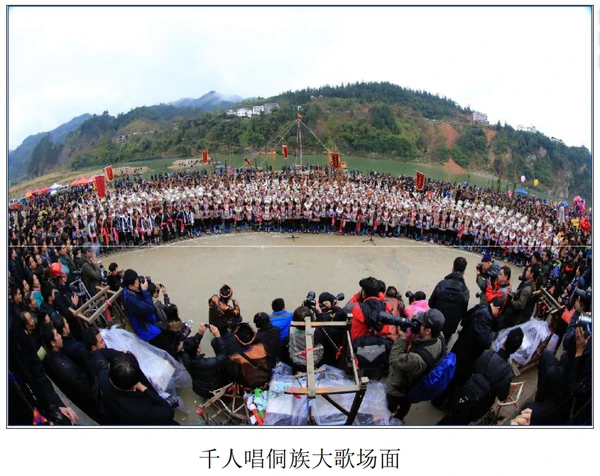
Multipart voices, song masters and river communities give Dong Grand Song its musical and social depth in Sanjiang.
Read
A bowl of rice noodles, broth, preserved vegetables and contrasting textures shows how Liuzhou’s signature dish is assembled.
Read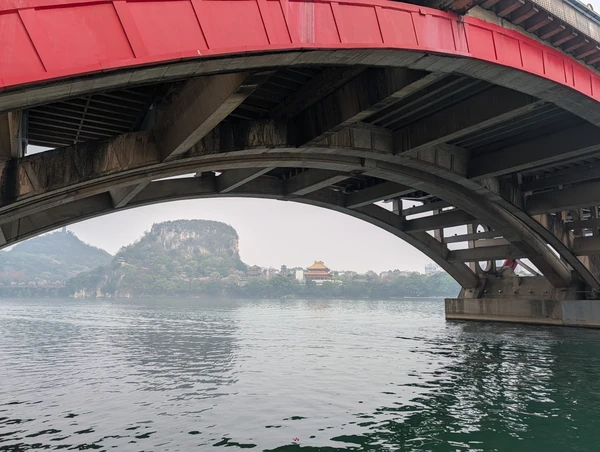
Liuzhou’s industrial museum offers a route from large machines to the environmental work behind an attractive urban landscape.
Read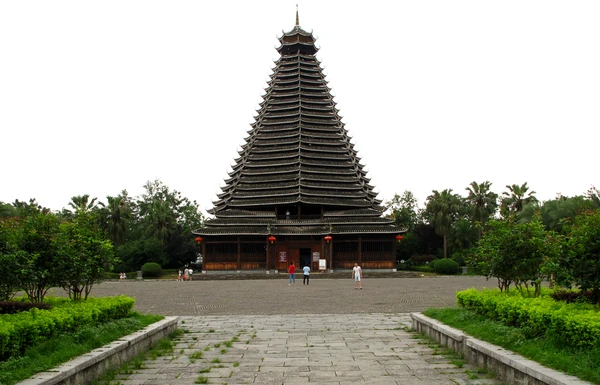
Named builders, hybrid bridges and new commissions show how timber knowledge can move beyond a village without losing its practitioners.
ReadA covered crossing whose timber pavilions turn movement across water into an architectural sequence.
A Sanjiang destination that opens questions about timber building, skilled practitioners and the meanings attached to construction.
A museum-village approach linking interpretation with a Dudong-area cluster of lived places.
A layered memorial to Liu Zongyuan, with a cenotaph, associated landscape and important stone inscriptions.