Chengde.

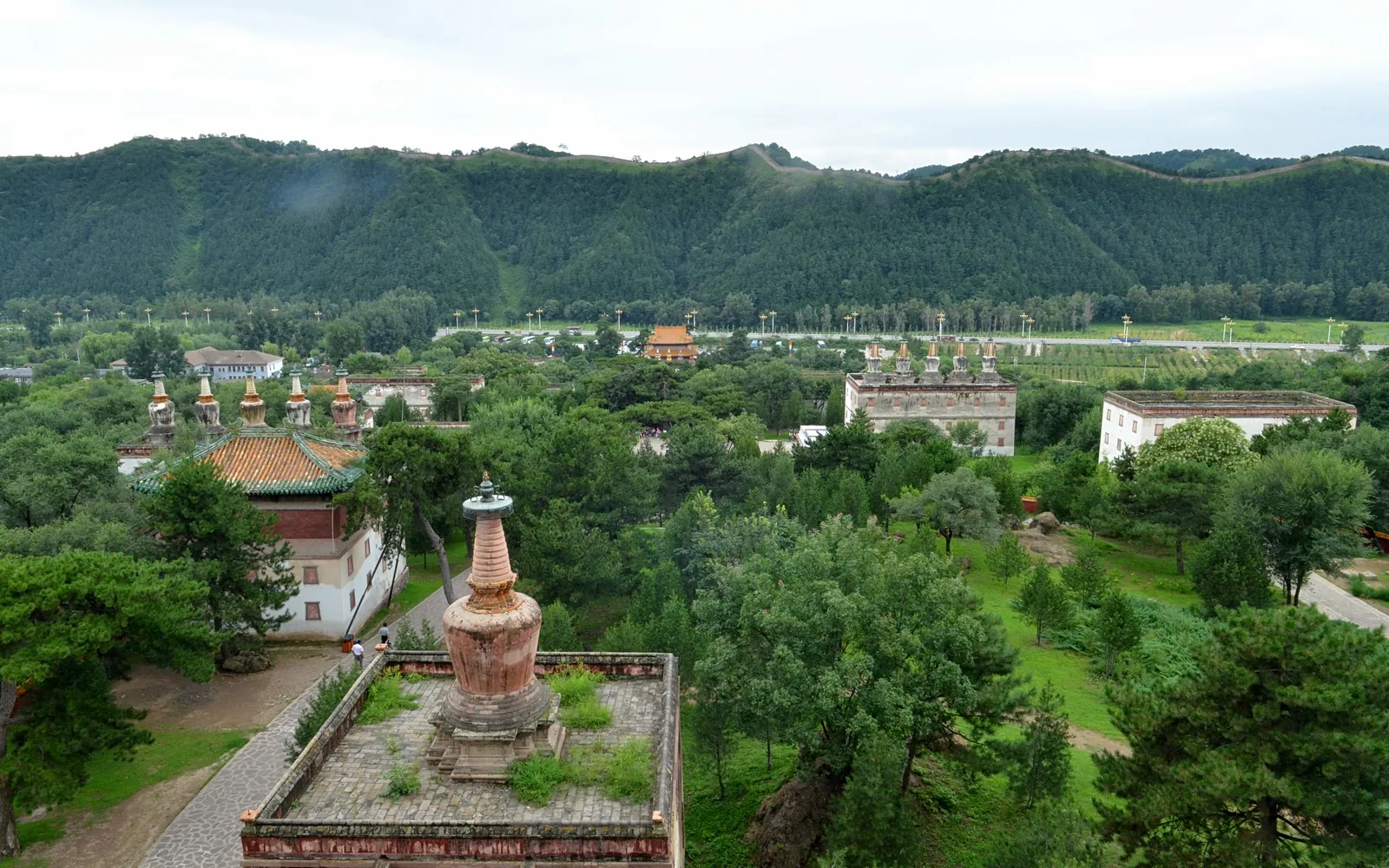
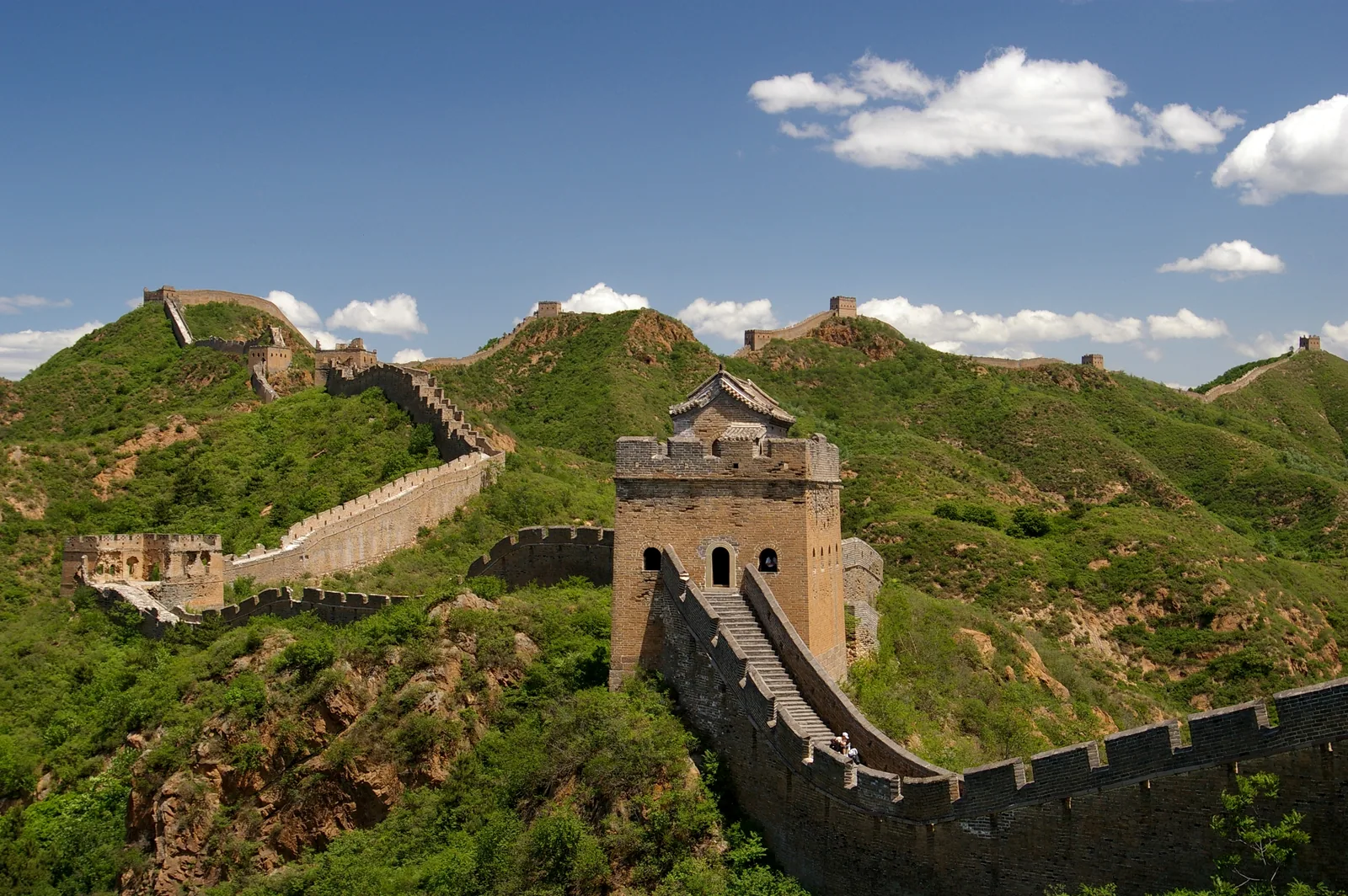
Chengde was built as a summer capital by the Qing court in the eighteenth century, at the point where the road from Beijing enters the hills. The Mountain Resort combines lakes, plains and mountain forest inside one walled landscape; around it the eight outer temples were built in Tibetan, Mongolian and Chinese architectural idioms for the princes and lamas who came to the court. The prefecture reaches north into the Mulan hunting grounds and west to the Jinshanling section of the Great Wall.

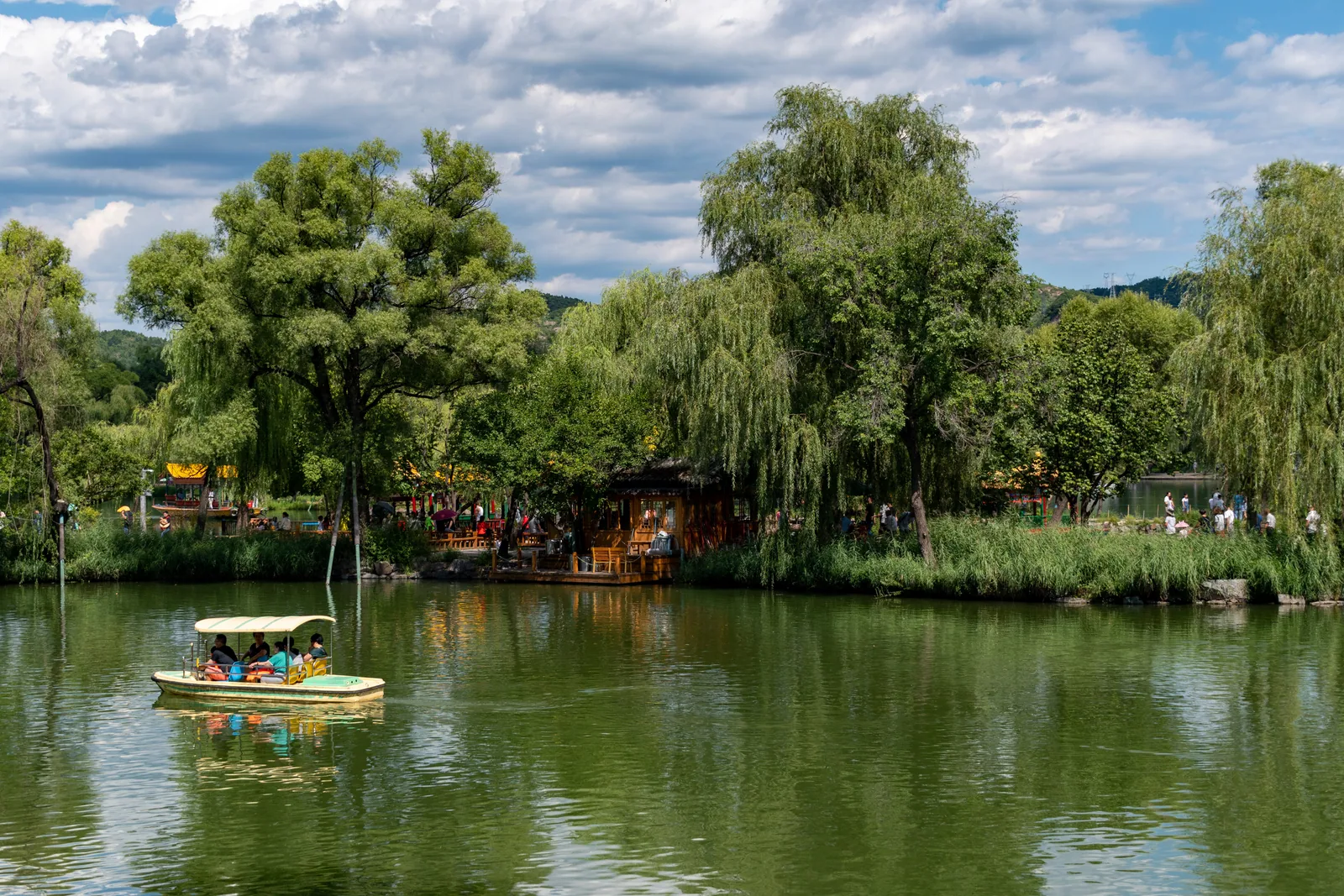
The lake district inside the walled Mountain Resort at Chengde, the Qing court's summer capital.

Chengde

The lake district inside the walled Mountain Resort at Chengde, the Qing court's summer capital.

Chengde Mountain Resort and the Temples Beyond Its Wall

Qing emperors left Beijing each summer for a walled valley in Chengde, where a palace, lakes and a grassland were laid out over eighty-nine years. Beyond the wall stand the Outer Temples, built in Tibetan, Chinese and mixed styles for the empire's frontier guests. Together they form one World Heritage property.
Read

Places

Photo credits and rights
  1. The lake district inside the walled Mountain Resort at Chengde, the Qing court's summer capital.xiquinhosilva · CC BY 2.0 Photo source ↗ Rights information ↗ Converted to WebP.
  2. Putuo Zongcheng Temple at Chengde, the little Potala built between 1767 and 1771 north of the resort wall.颐园新居 · CC BY-SA 3.0 Photo source ↗ Rights information ↗ Converted to WebP.
  3. The Mahayana Hall (Dacheng Pavilion) at Puning Temple in Chengde.H2v5o68z · CC0 Photo source ↗ Rights information ↗ Converted to WebP.
  4. The Ming wall at Jinshanling on the Luanping ridge, with its watchtowers close enough to talk across.Jakub Hałun · CC BY-SA 4.0 Photo source ↗ Rights information ↗ Converted to WebP.