Qinhuangdao.

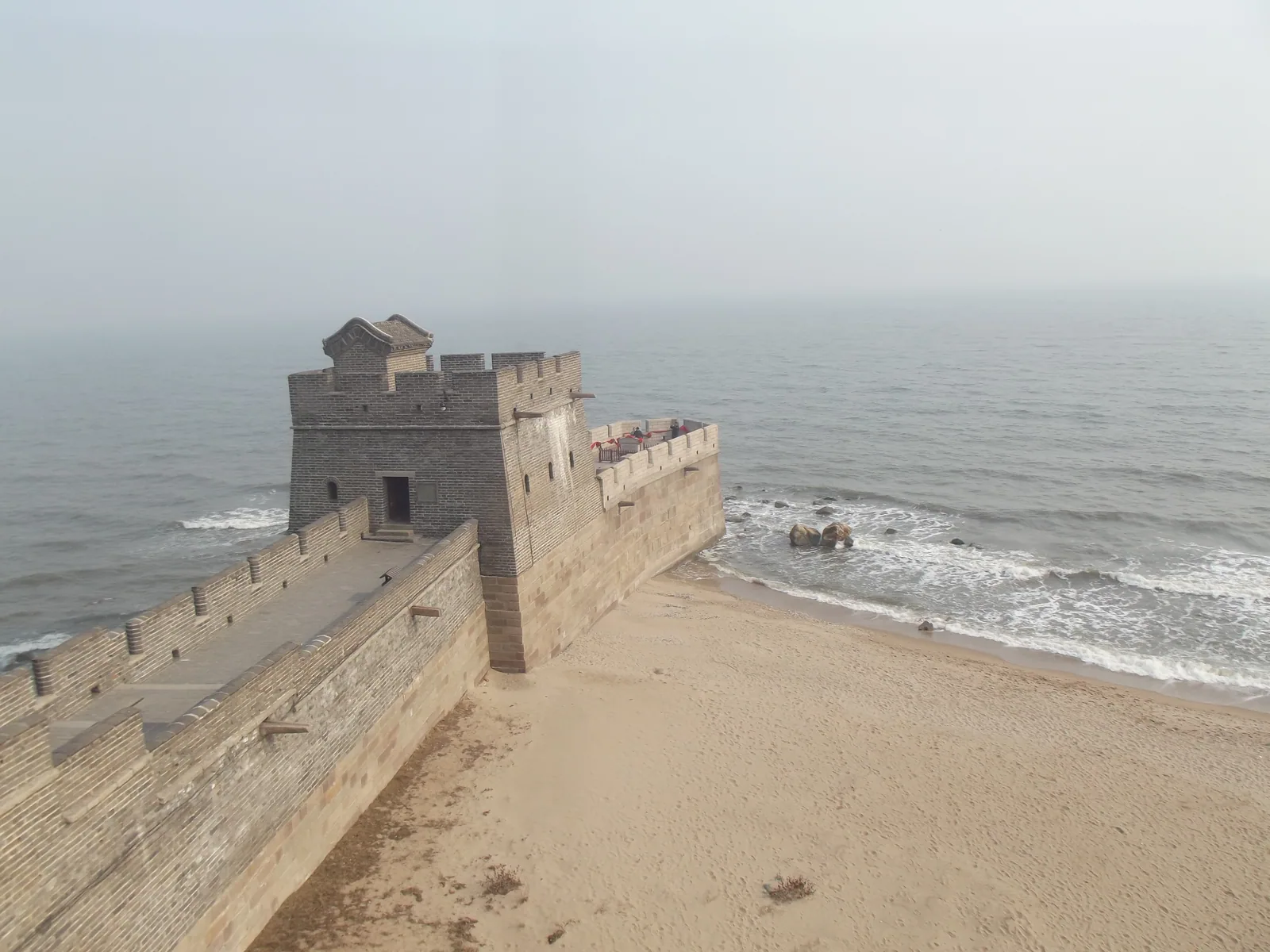
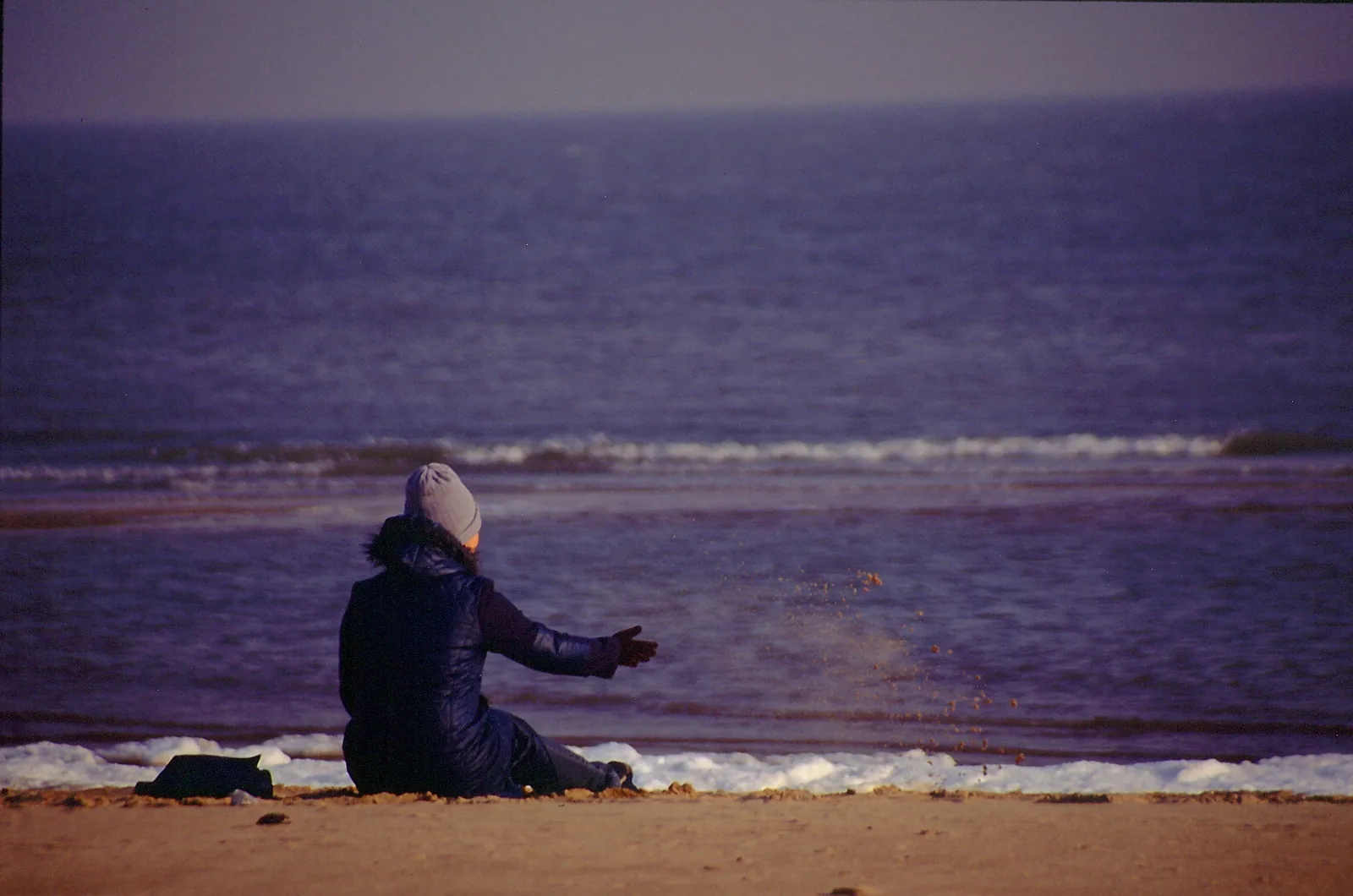
Qinhuangdao occupies the narrow strip where the Yan mountains meet the Bohai Sea. Shanhaiguan, the pass that controlled the road from the north China plain into Manchuria, gives the city its historical weight; Laolongtou carries the wall's eastern end into the water. Beidaihe, west along the coast, was developed as a foreign and then a Chinese summer resort, and its mudflats and offshore waters make it one of the best-known bird-watching points on the east coast.

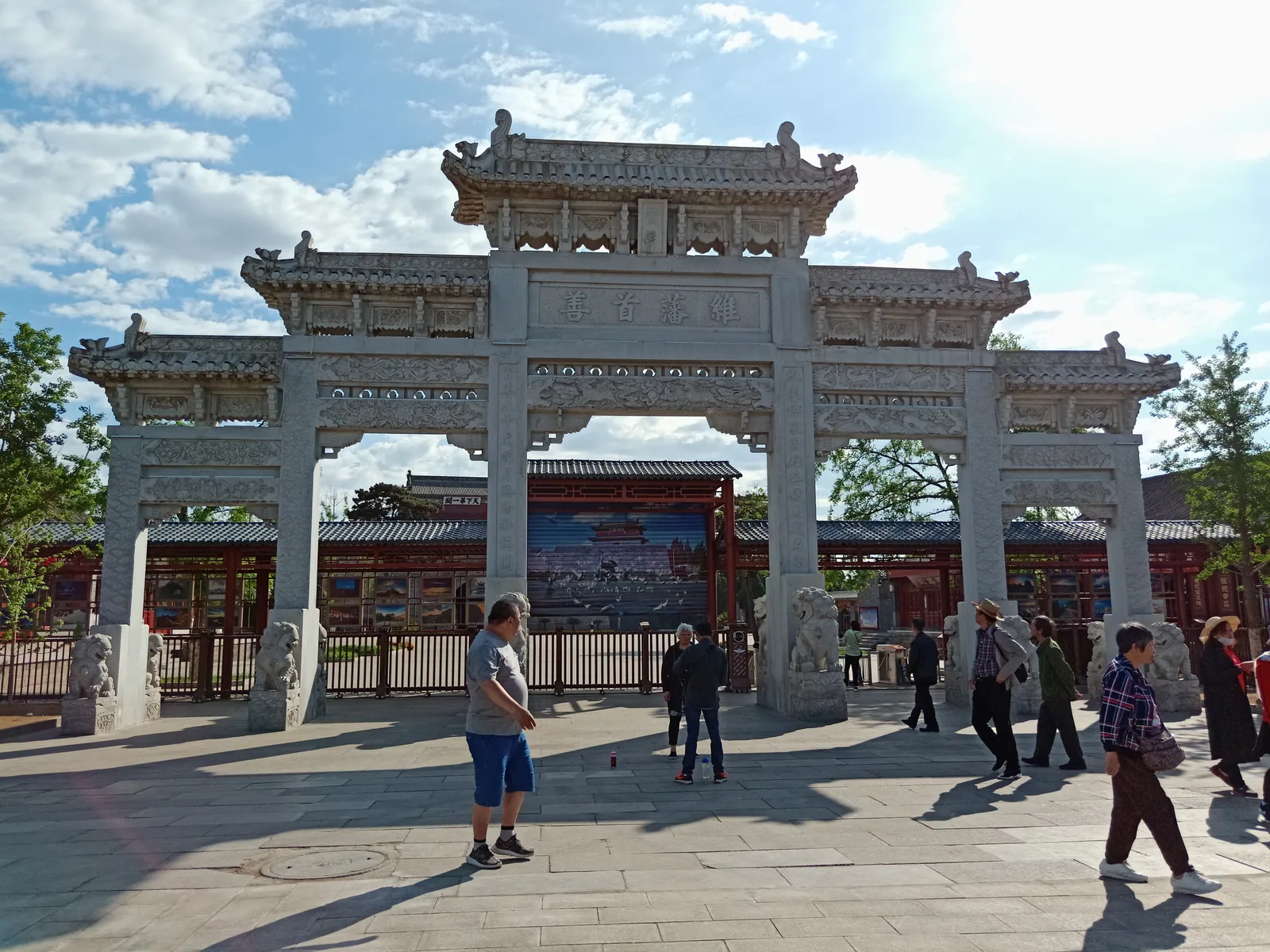
A stone paifang outside Shanhaiguan Pass.

Qinhuangdao

A stone paifang outside Shanhaiguan Pass.

Shanhaiguan: The Pass Where the Wall Meets the Road

Shanhaiguan was laid out in 1381 as a walled pass between the mountains and the Bohai. Its four gates, barbicans and corner towers were repaired repeatedly through the Ming, and the plaque over its east gate gave the pass the name it still carries.

Read

Places

Photo credits and rights
  1. A stone paifang outside Shanhaiguan Pass.PQ77wd · CC BY-SA 4.0 Photo source ↗ Rights information ↗ Converted to WebP.
  2. The Old Dragon's Head at Laolongtou, where the Ming wall and its sea fort run into the Bohai Sea.S.flaischlen · CC BY-SA 4.0 Photo source ↗ Rights information ↗ Converted to WebP.
  3. The winter beach at Beidaihe, the late nineteenth-century summer resort on the Qinhuangdao coast.Dr. Hans-Günter Wagner · CC BY-SA 2.0 Photo source ↗ Rights information ↗ Converted to WebP.