Shijiazhuang.

Shijiazhuang became a city because two railways met here in the early twentieth century; before that the power in this part of the plain sat at Zhengding, the old seat of Zhending prefecture. The city is now the provincial capital, and its cultural depth lies in the county towns around it: Zhengding with its monastery and four pagodas, Zhao County with the Anji bridge, and the Jingxing hills where coal, limestone and kiln clay meet.

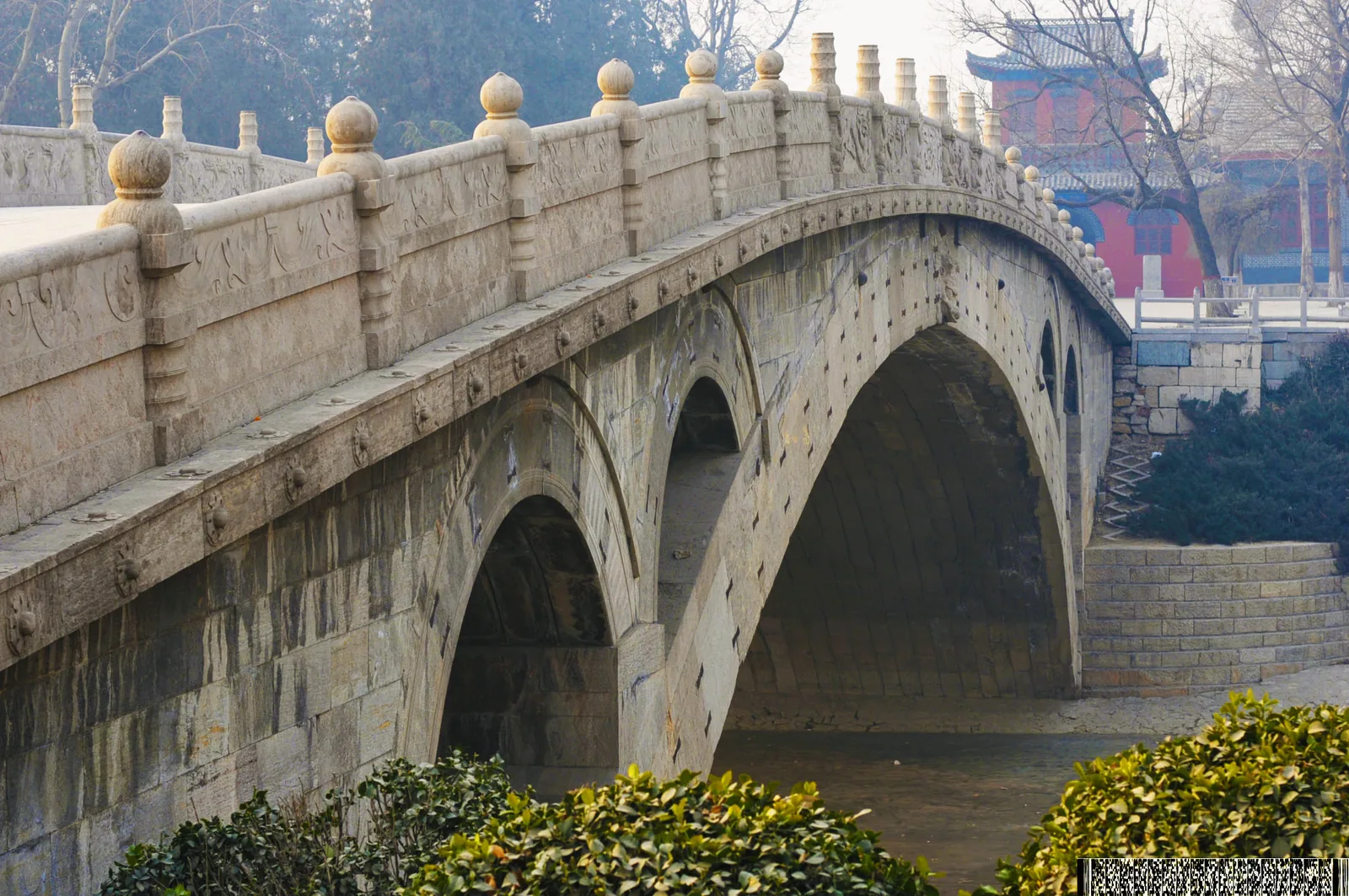
Zhaozhou Bridge over the Xiao River in Zhao County, with four smaller arches above its main span.

Shijiazhuang

Zhaozhou Bridge over the Xiao River in Zhao County, with four smaller arches above its main span.

Zhaozhou Bridge: the arch that carries its road in the open

Li Chun's stone bridge over the Xiao River has stood since the Sui dynasty, its shallow arch held by twenty-eight curved ribs and pierced at both shoulders by small flood arches. The span is still walked across, and its repairs, its rediscovery in the 1930s and its place on China's tentative World Heritage list are part of the story.
Read

Places

Photo credits and rights
  1. Zhaozhou Bridge over the Xiao River in Zhao County, with four smaller arches above its main span.crazlei · CC BY 2.0 Photo source ↗ Rights information ↗ Converted to WebP.
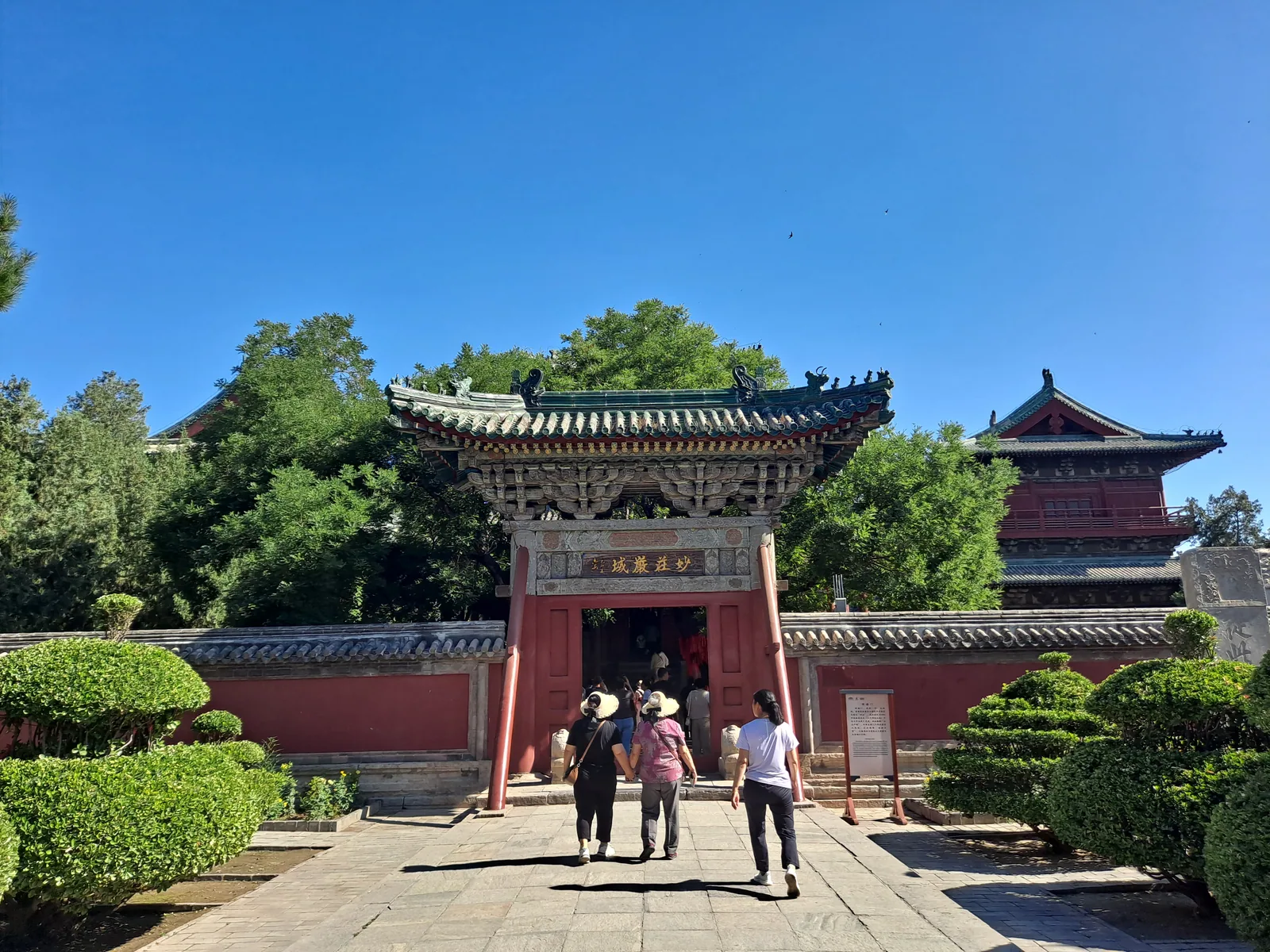
  2. Longxing Temple in Zhengding, a monastery founded in 586 and rebuilt through the Song, Ming and Qing.E2568 · CC0 Photo source ↗ Rights information ↗ Converted to WebP.
  3. Zhengding’s city wall at Changle Gate.Windmemories · CC BY-SA 4.0 Photo source ↗ Rights information ↗ Converted to WebP.