Handan.

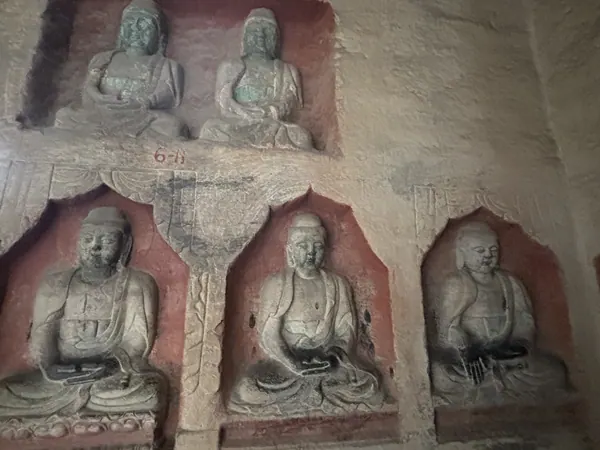
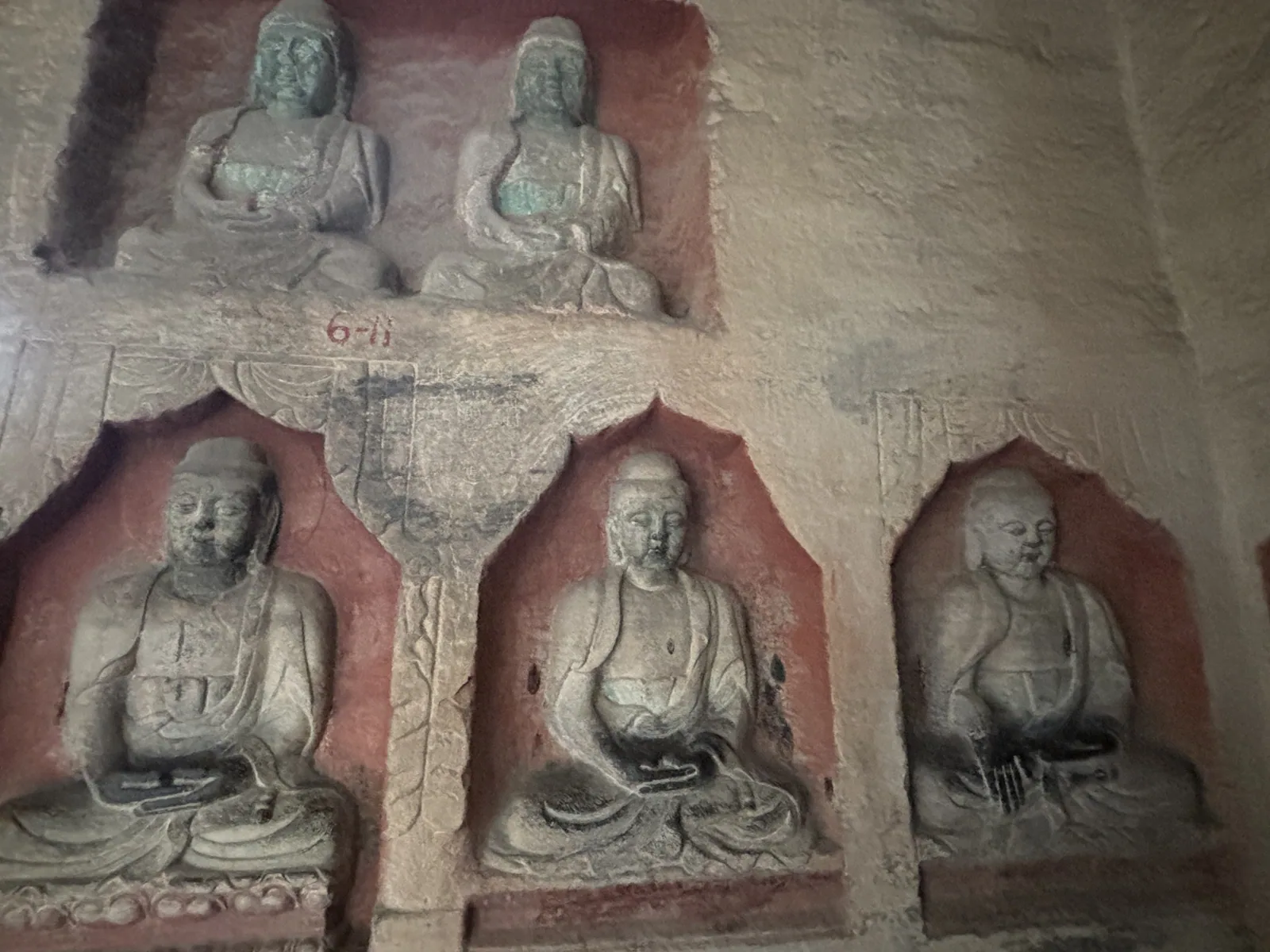
Handan lies at the foot of the Taihang mountains in southern Hebei, on the western edge of the plain. It was the capital of the state of Zhao in the Warring States period, and the idioms that carry its name still circulate in Chinese. The county around it holds a remarkable concentration of older material: the Cizhou kilns at Guantai and Pengcheng, the Northern Qi grottoes at Xiangtangshan, the cliff temple of Wahuang at She County, and the walled town of Guangfu in Yongnian, where tai chi is taught as a local discipline. East of the city, Daming County keeps the earth walls of its Song and Ming towns and a stretch of the Yongji canal.

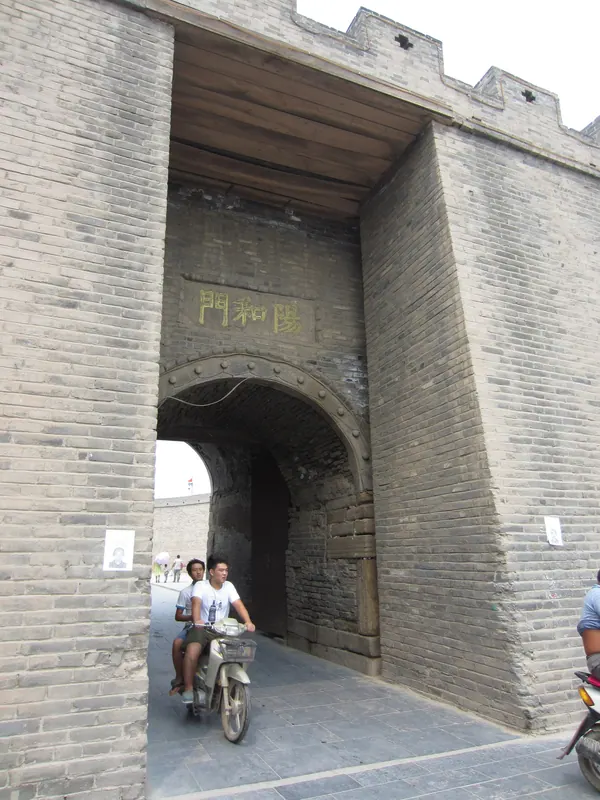
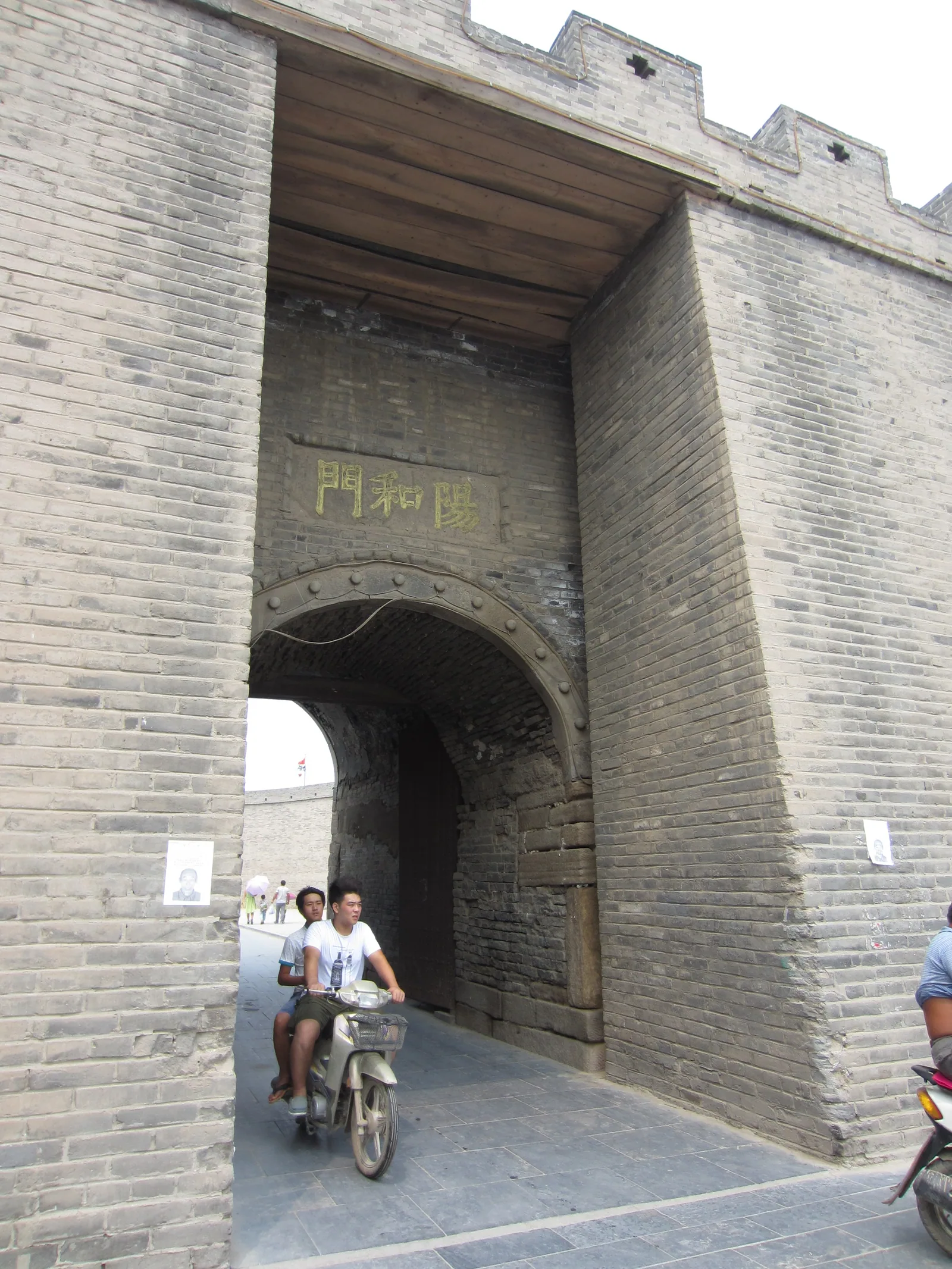
The Yanghe gate of Guangfu Ancient City in Yongnian, the walled town that keeps the memory of Yang-style tai chi.

Handan

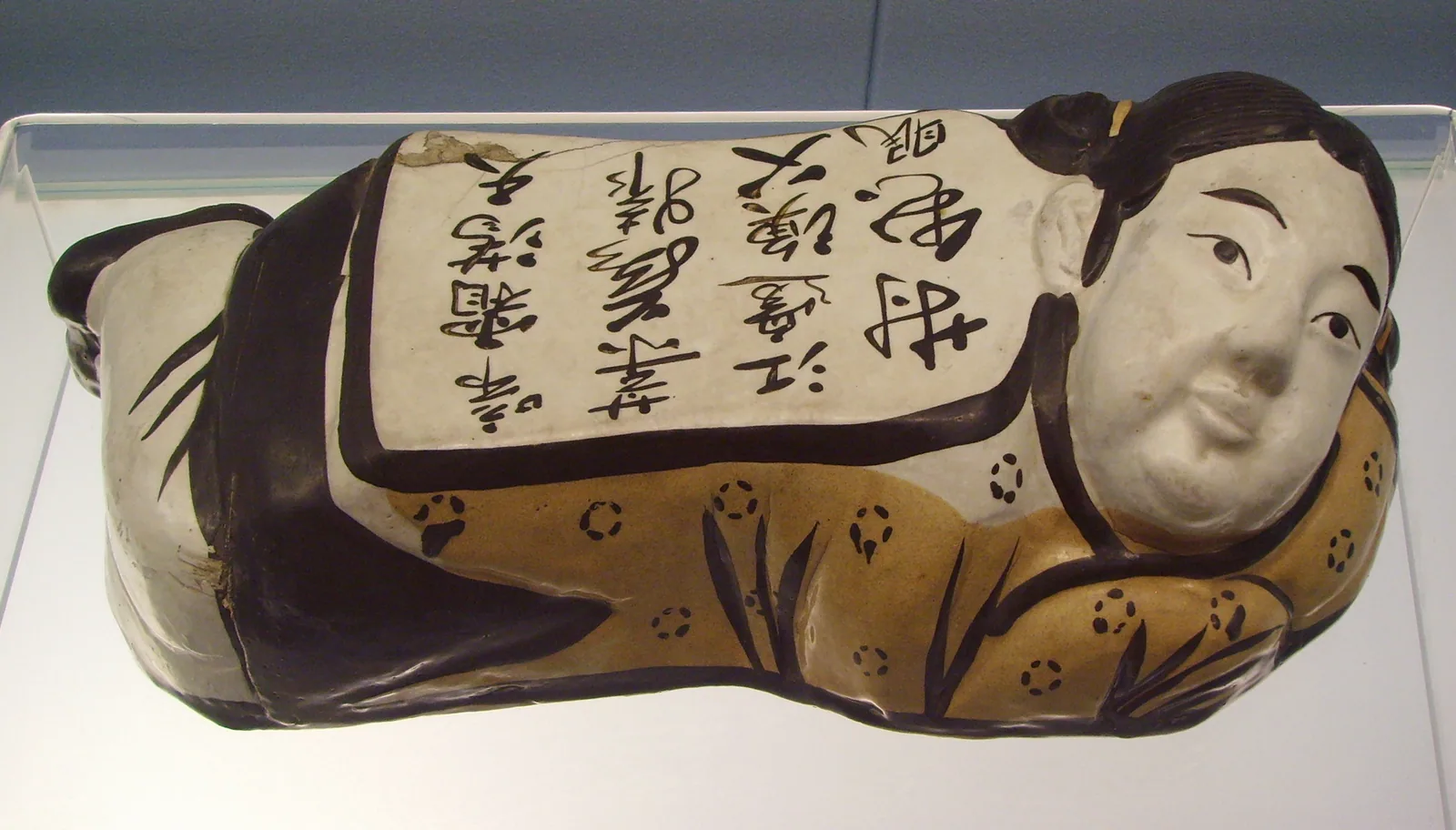
A boy-shaped Cizhou ware pillow, made in the Jin dynasty.

Cizhou kiln: black brushwork and everyday life on Hebei bowls

Cizhou ware was made for ordinary tables along the Zhang and Fu rivers: sturdy bowls, jars and pillows of coarse clay, covered in white slip and painted in black. Its potters wrote poems and painted scenes from plays, and the kilns produced the first overglaze enamels in China.

Read

Places

Photo credits and rights
  1. The Yanghe gate of Guangfu Ancient City in Yongnian, the walled town that keeps the memory of Yang-style tai chi.我乃野云鹤 · CC BY-SA 4.0 Photo source ↗ Rights information ↗ Converted to WebP.
  2. A boy-shaped Cizhou ware pillow from the Jin dynasty, in the collection of the Shanghai Museum.Gerbil · CC BY-SA 3.0 Photo source ↗ Rights information ↗ Converted to WebP.
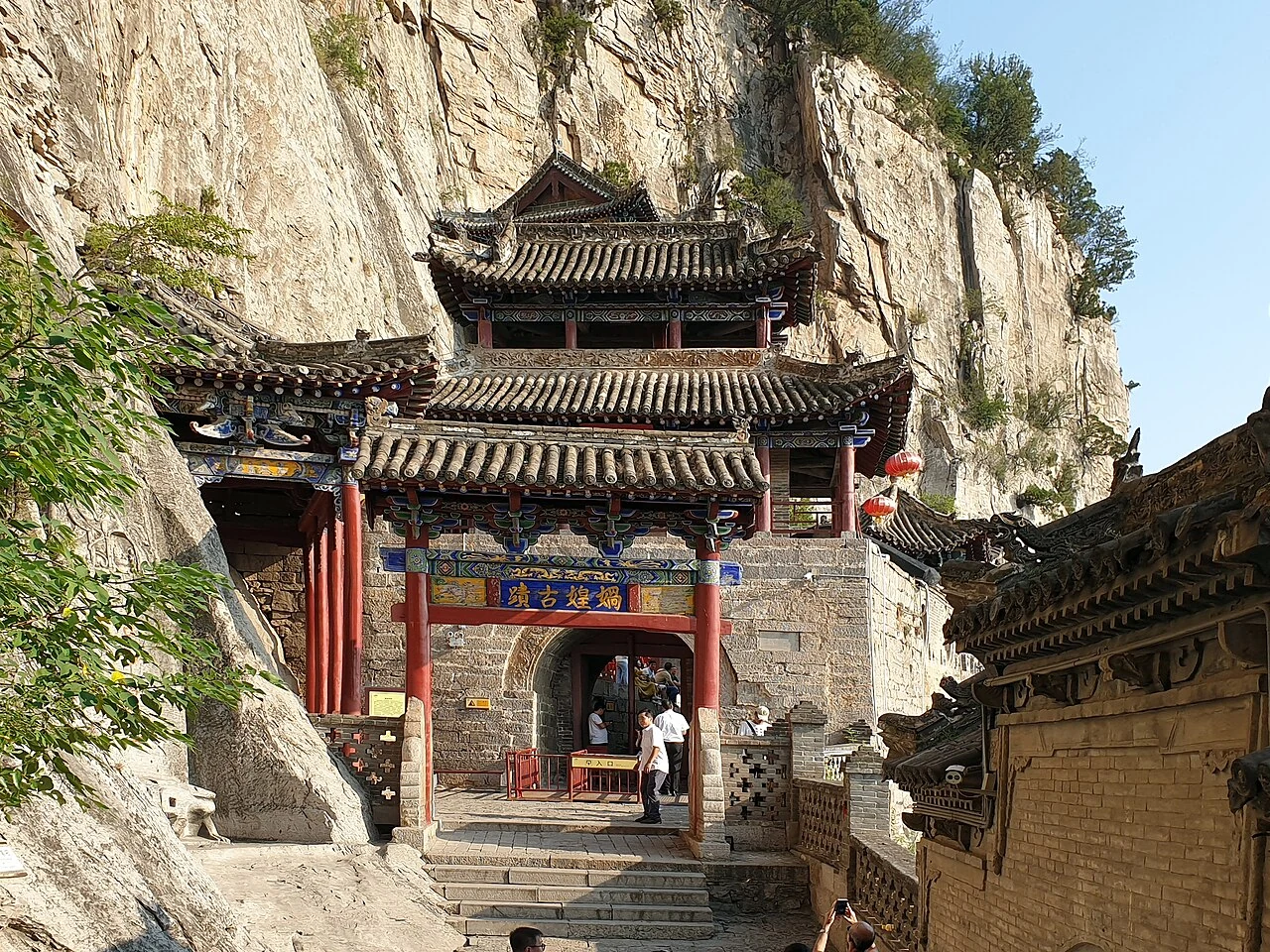
  3. Buildings at Wahuang Palace in She County, Hebei, photographed on 2019-09-07.Anagoria · CC BY 3.0 Photo source ↗ Rights information ↗ Scaled proportionally and converted to WebP; uncropped.
  4. Buddhist relief sculptures at the Xiangtangshan Grottoes.Thebrainchamber1 · CC BY-SA 4.0 Photo source ↗ Rights information ↗ Converted to WebP.