Tangshan.

Tangshan sits on the eastern side of the Hebei plain, where the Yan mountains come down towards the Bohai coast. Coal was worked here before the twentieth century, and the city that grew around the Kailuan mines became one of north China's industrial centres. The 1976 earthquake destroyed most of it; the grid you walk today is a reconstruction. South of the city the Qing emperors buried five of their number at Zunhua, and Pingju opera, a form born in these counties, still has its state company here.

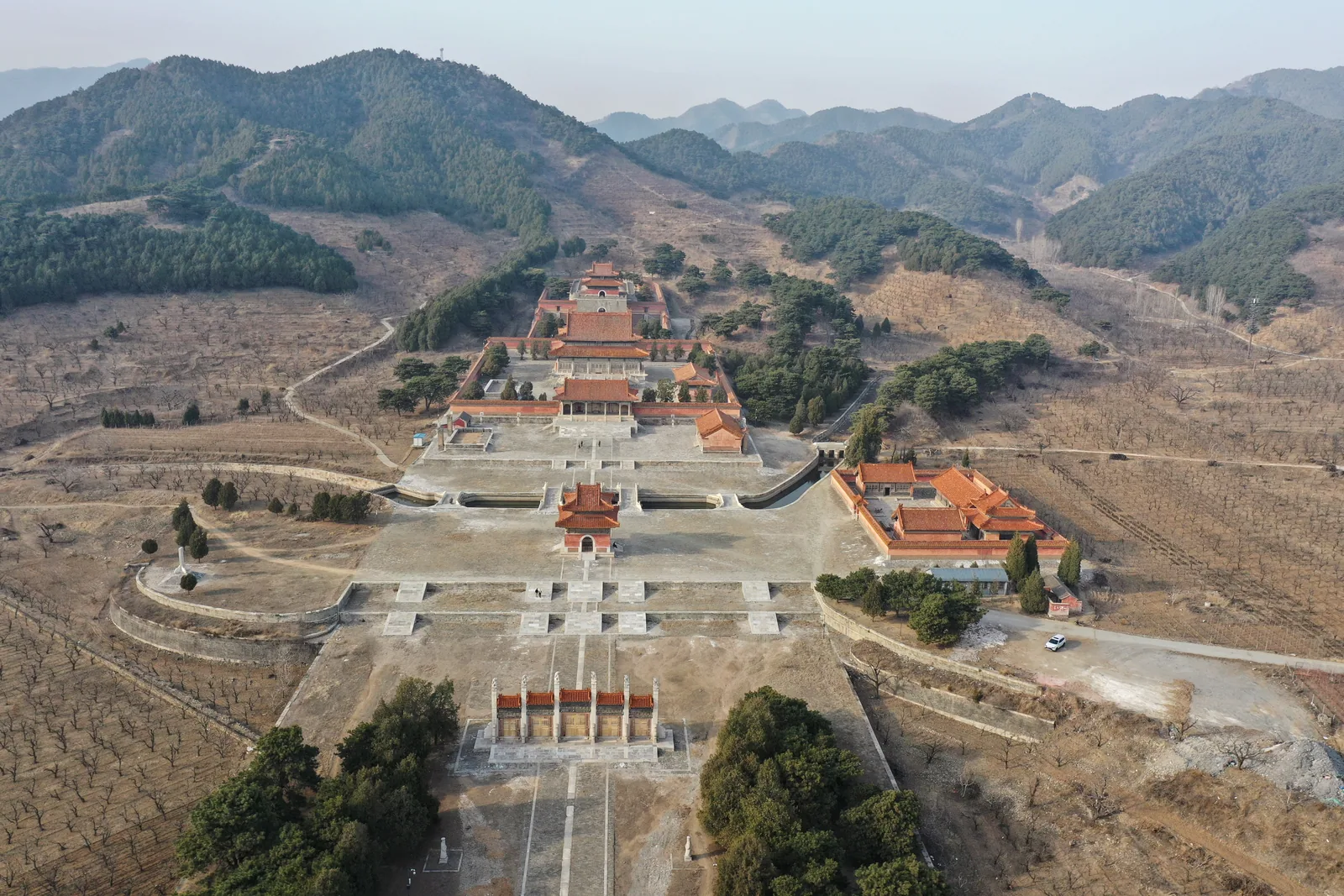
The Ding tomb of the Xianfeng emperor at the Eastern Qing tombs, in the hills above Zunhua.

Tangshan

The Ding tomb of the Xianfeng emperor at the Eastern Qing tombs, in the hills above Zunhua.

The Eastern Qing tombs at Zunhua: five emperors in one valley

At Zunhua in Tangshan, a valley of 80 square kilometres holds the tombs of five Qing emperors, fifteen empresses and 136 imperial concubines, laid out along paved spirit ways and enclosed by mountains. The complex was inscribed with the Western Qing tombs in 2000, and its underground palaces are why it is studied.
Read

Places

Photo credits and rights
  1. The Ding tomb of the Xianfeng emperor at the Eastern Qing tombs, in the hills above Zunhua.Charlie fong · Rights information Photo source ↗
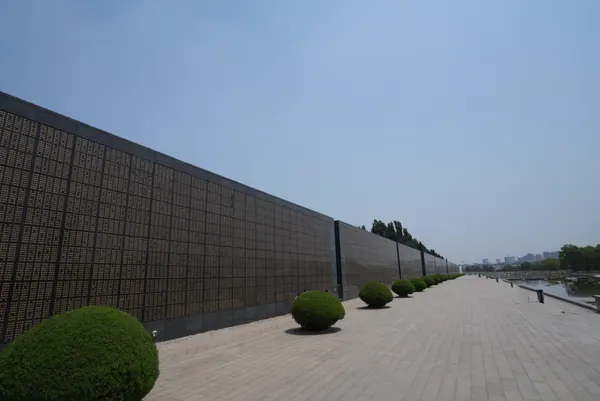
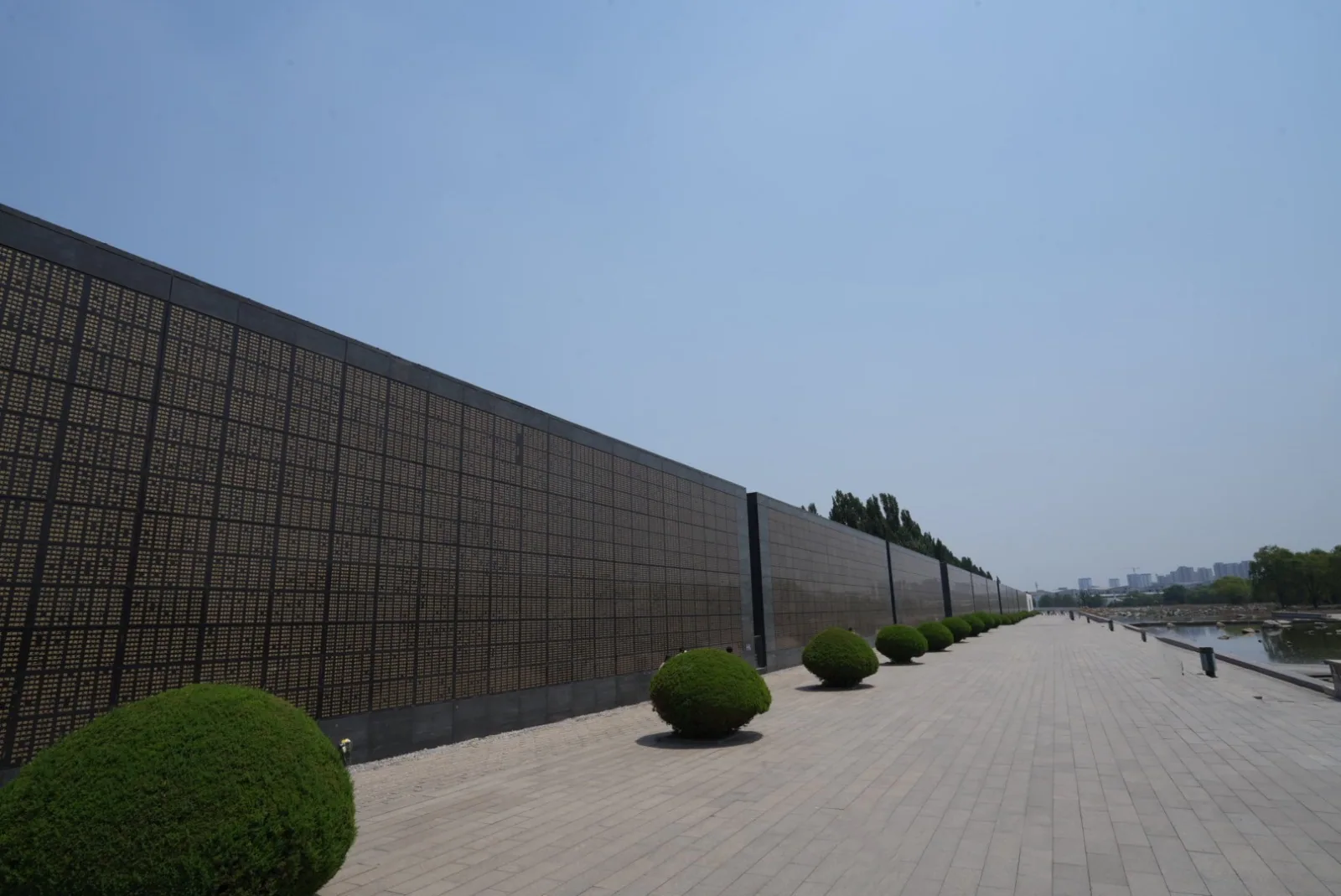
  2. The memorial wall of the Tangshan earthquake park, on the south side of the rebuilt city.Zinderboff · Rights information Photo source ↗