Seven Li of Flagstones, and the Hands That Turn the Clay
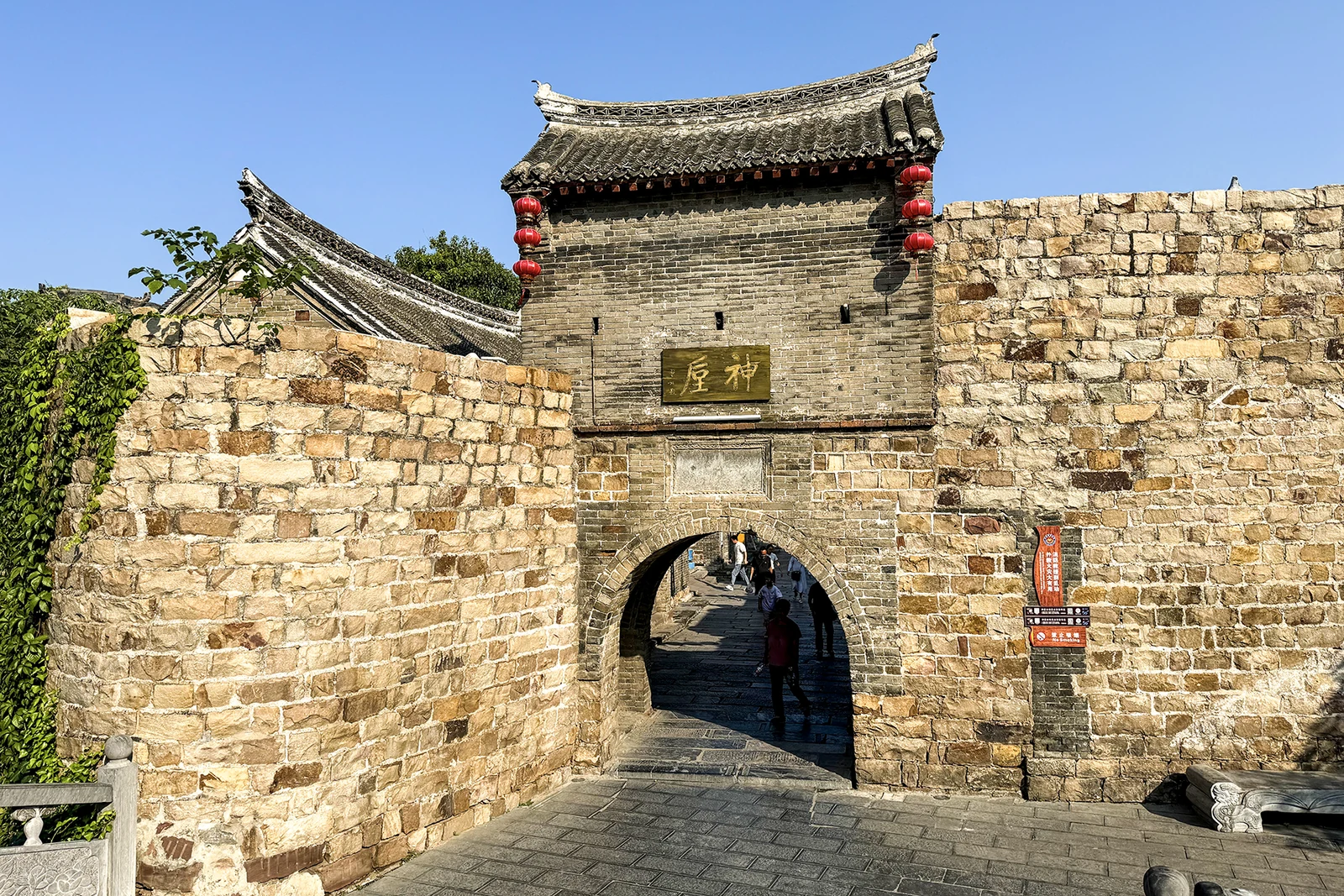
A walk through the Jun porcelain town of Shenhou, ending in an open kiln workshop where a piece is fired in front of you.
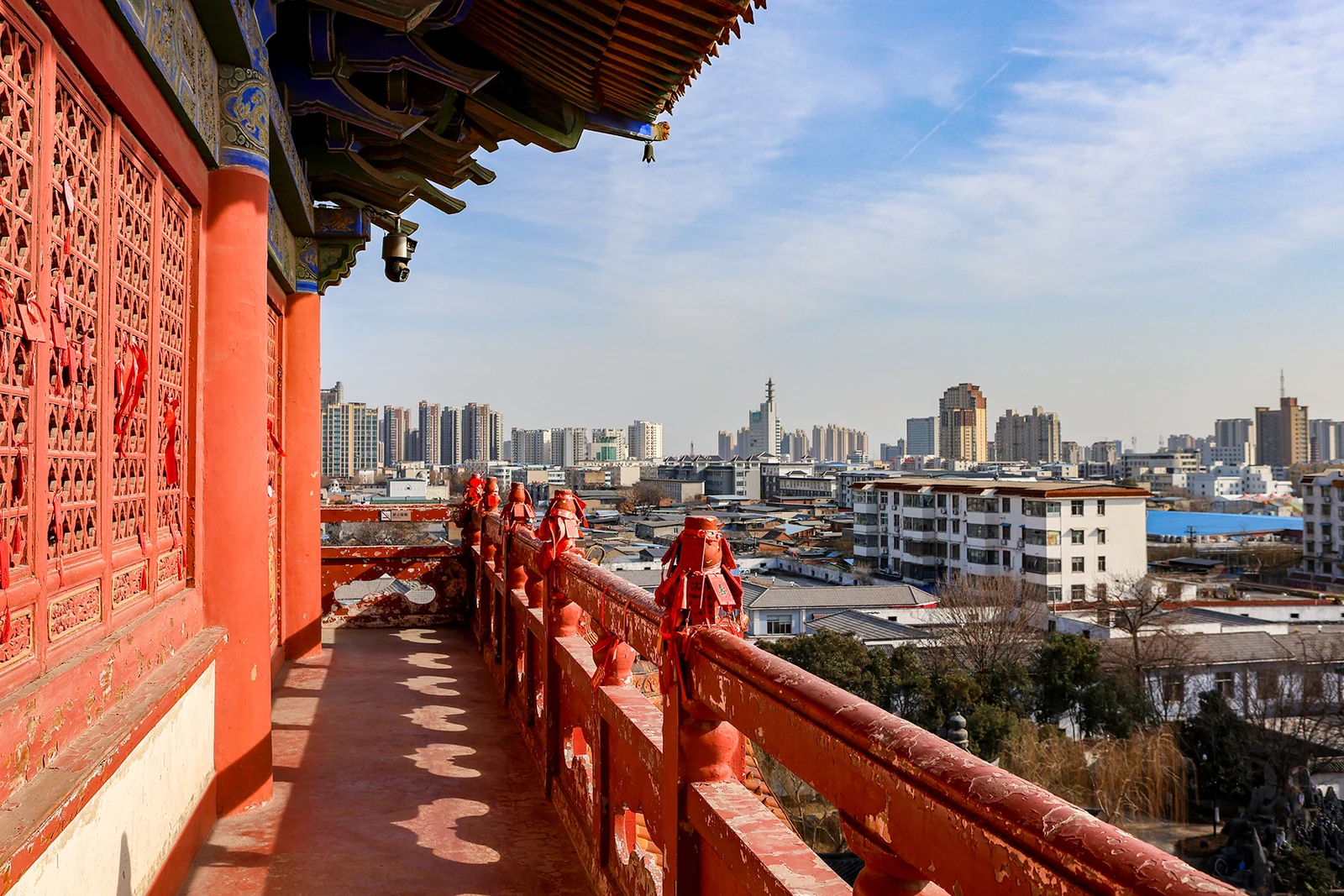
Xuchang’s own introduction places it at the middle of the central plain, eighty kilometres from Zhengzhou and fifty from the new international airport, with eight motorways meeting there. The name dates from 221 CE, when Cao Pi, quoting his father, renamed the county because “Han perished at Xu, Wei prospers at Xu”. The same county page traces the small places that became great: Yangzhai, the old seat of the Xia ruler, later called Junzhou and renamed Yuzhou in 1575. What survives in the city is not a ruin but a set of working stages — a prime minister’s residence staging a sword-fight every night, a tower lit for a garden party, and a kiln town where the clay is still turned by hand.
A walk through the Jun porcelain town of Shenhou, ending in an open kiln workshop where a piece is fired in front of you.
A live sword-fight, a light show at the tower and robot performers share the same streets inside Xuchang’s moat.
Read