Anyang
Yin Xu (Archaeological Ruins of Yin Xu)
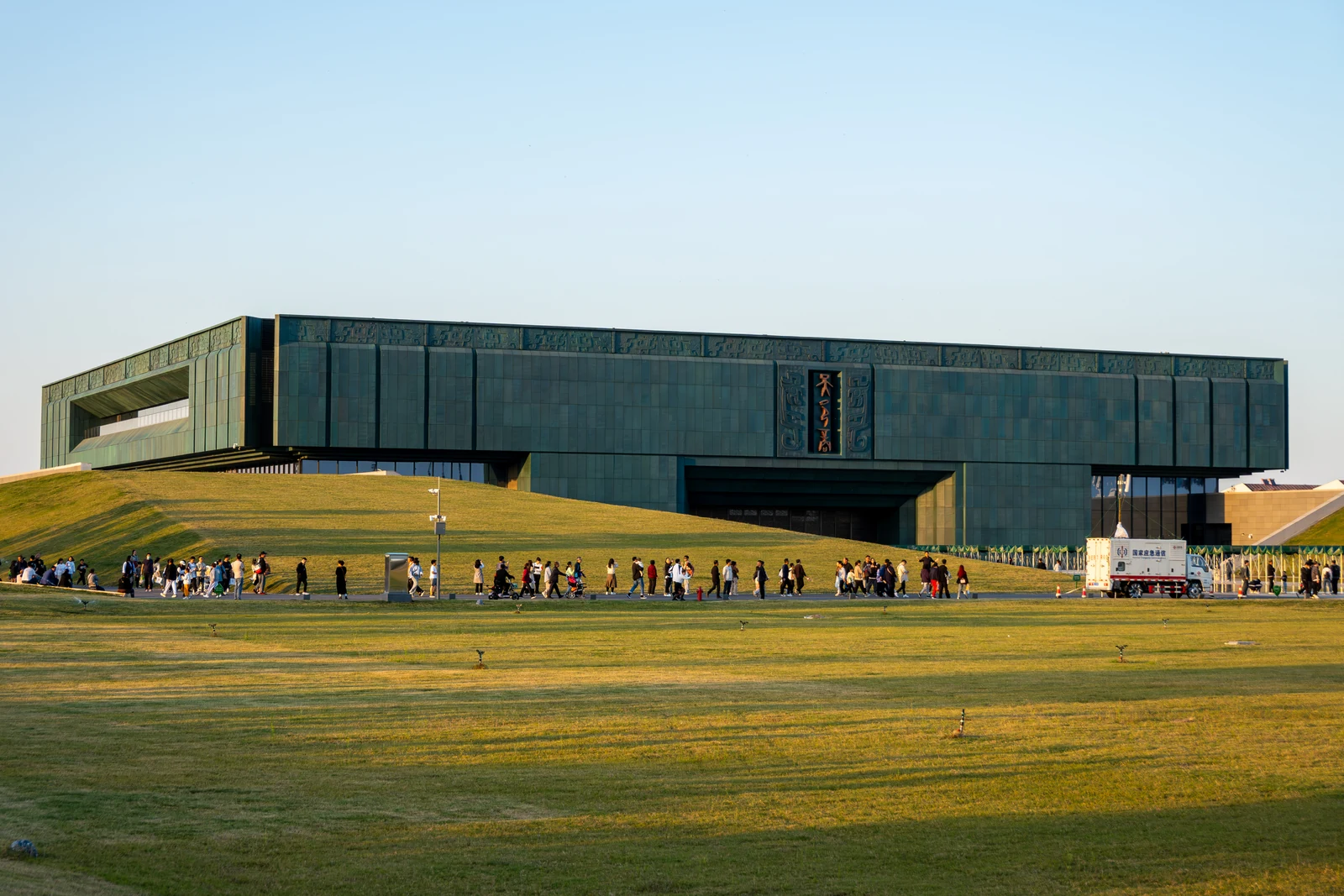
The late Shang capital whose royal questions survive on turtle plastrons and ox scapulae, presented today in a new riverside museum.
Henan, from the ground up
A bone, a cliff, a bowl of tea
An oracle bone in Anyang, a carved cliff beside Luoyang's Yi River, a kiln in Shenhou: small things open onto very different parts of Henan. Follow water through the Taihang mountains and north from Danjiangkou, then turn south to Xinyang's tea hills and village courtyards.
Luoyang
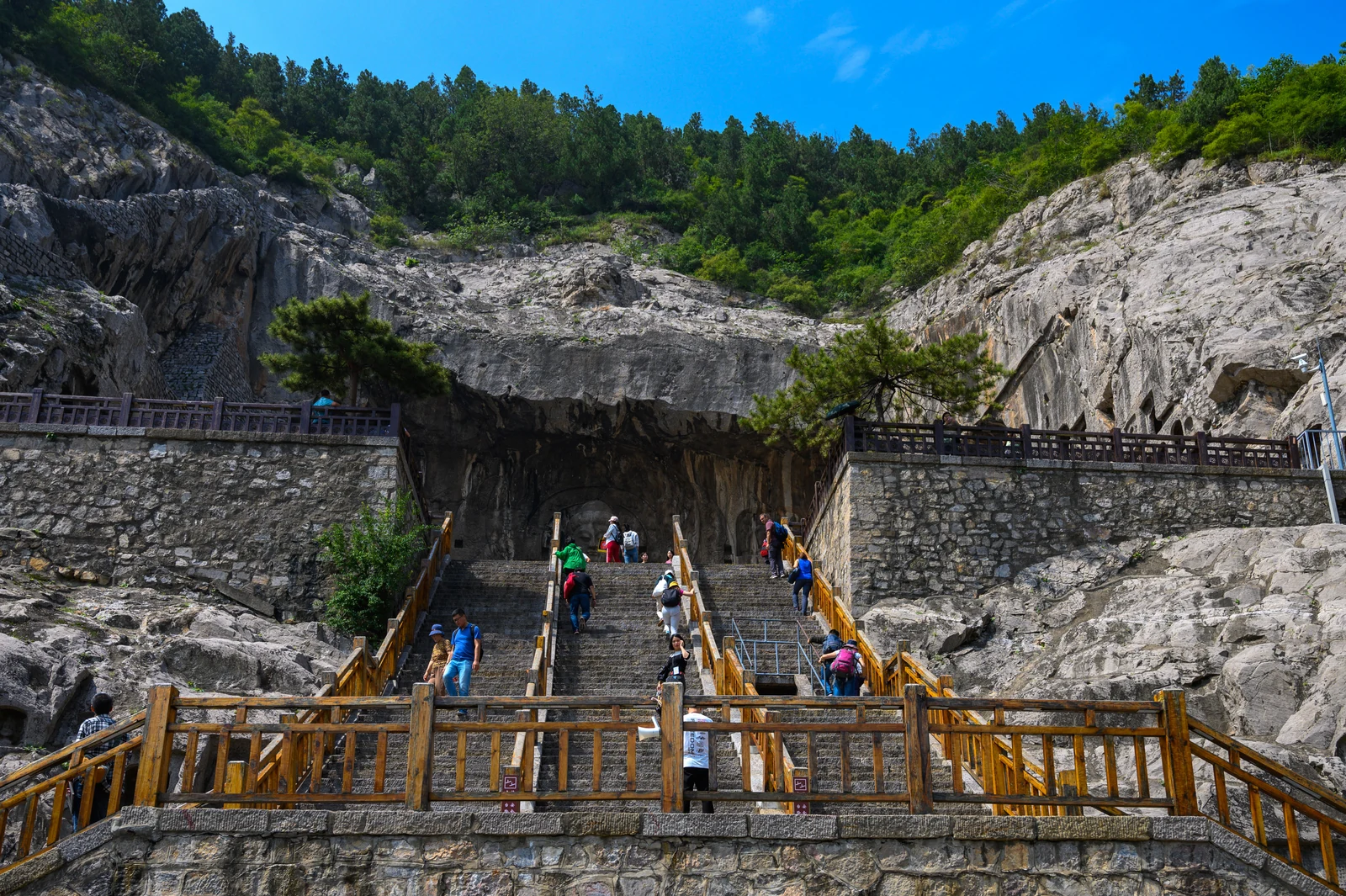
Across the Yi River, Longmen's figures belong to a whole cliff. Move closer and the rock becomes a record of carving, belief and changing scale.
Explore this placeBegin with a Shang capital, a porcelain town or a southern mountain retreat.
Anyang
The late Shang capital whose royal questions survive on turtle plastrons and ox scapulae, presented today in a new riverside museum.
Xuchang
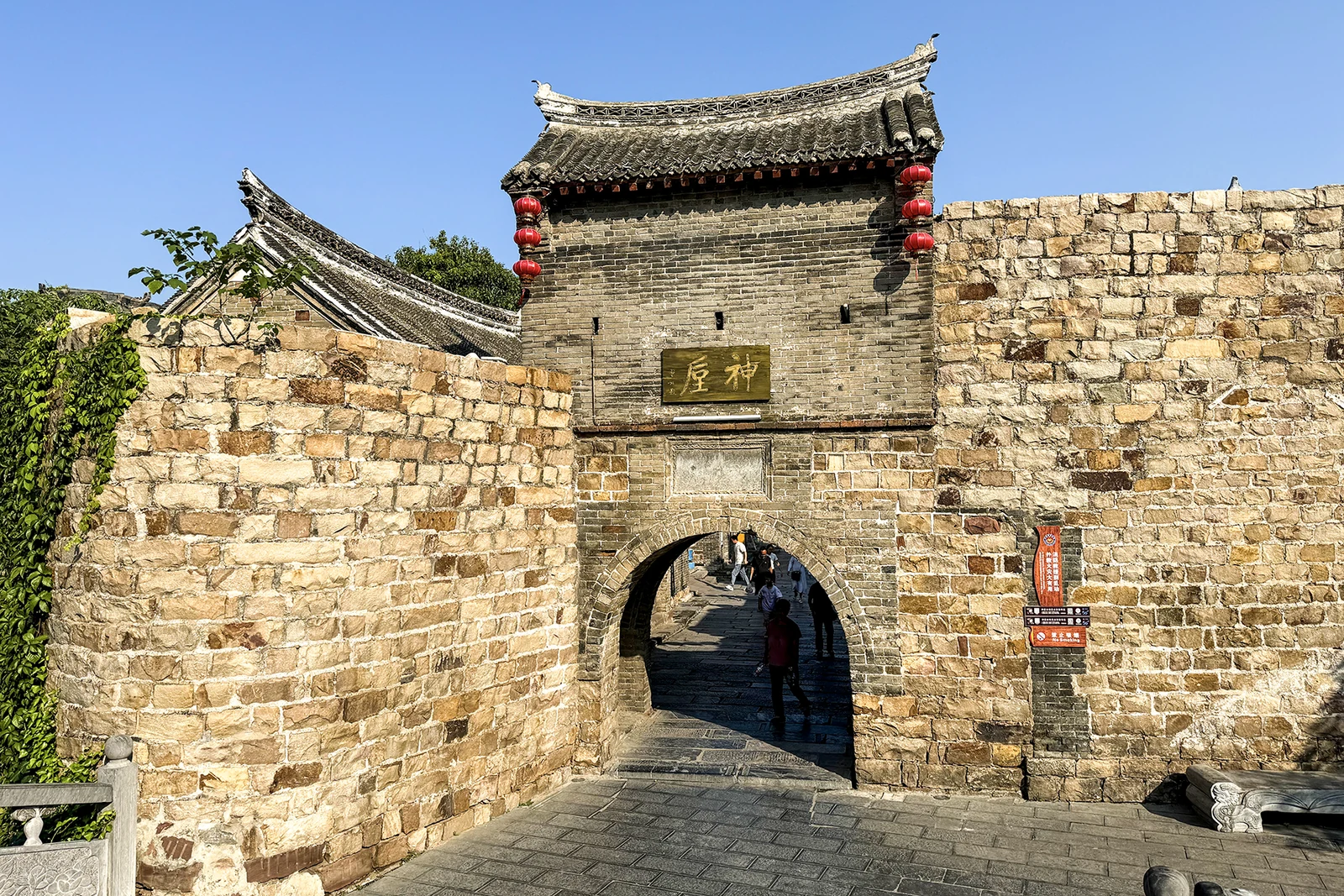
A seven-li street of Jun-ware shops in a mountain basin, with the workshops open to visitors.
Xinyang
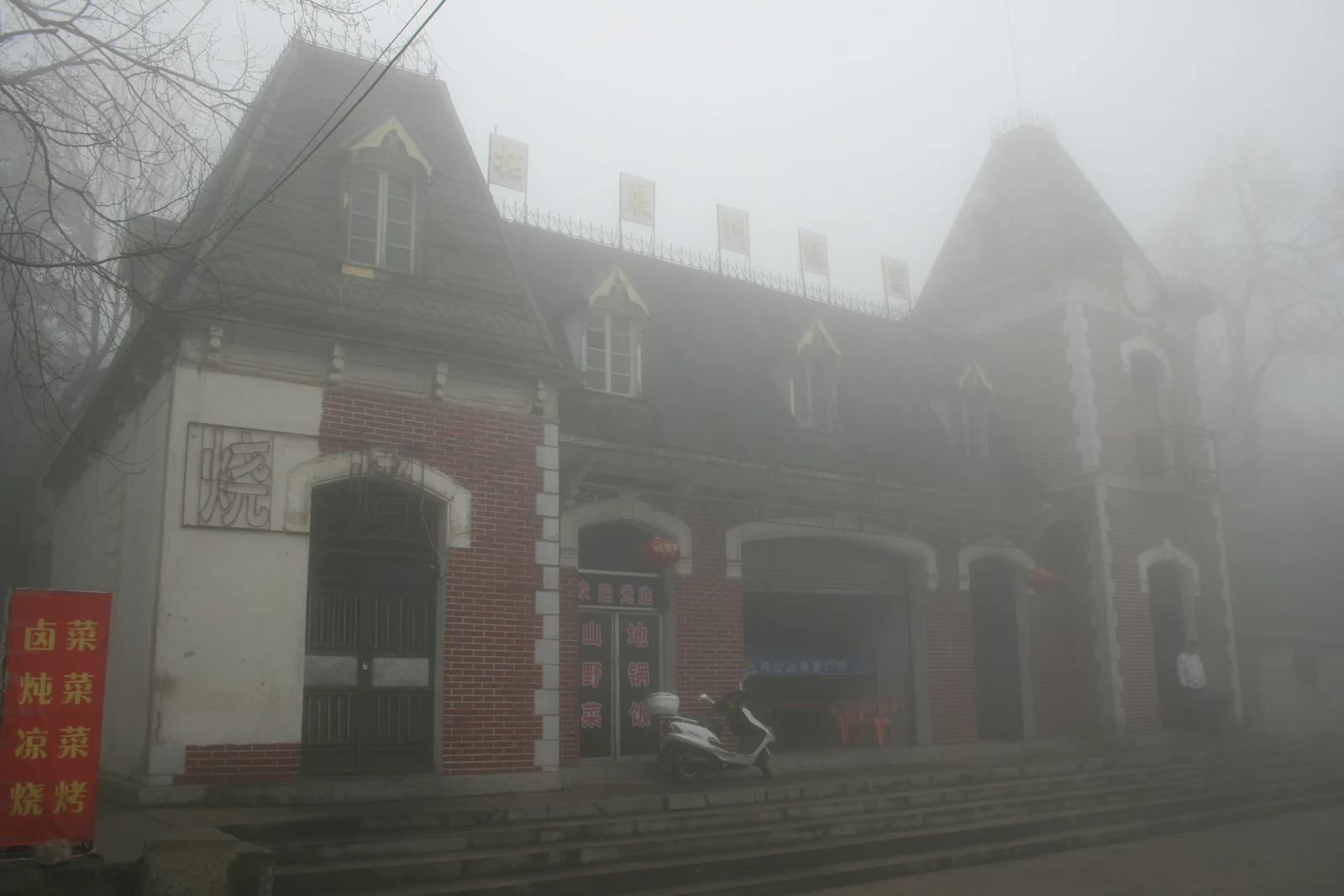
A granite peak of 768 metres whose summer colony of villas was begun by an American missionary in 1902 and still numbers in the hundreds.
Read across places through objects, working water, craft and food. Each thread opens into independent stories.
Questions on bones, a street grid, named bronzes and buried walls offer different ways to read an ancient city.
Oracle bones bring the questions of a Shang court into the museum. Read the marks, then look back toward the city that produced them.
Roads and a turquoise dragon reveal two scales of Erlitou: the layout of a city and the detail of an object.
Names cast into bronzes and traces of chariots lead into the burial ground of the Guo state.
Begin at Shangqiu’s Ming walls, then read the earlier cities buried below the streets.
Compare a cliff of Buddhist images, Shaolin's tomb pagodas and a hillside temple whose buildings follow the ground.
Cross the Yi River to compare the scale of Longmen’s cliff and its carved figures, from the whole landscape to a single niche.
Shaolin’s tomb pagodas carry inscriptions and different forms. They open a quieter history beside the monastery.
At Fengxue Temple near Ruzhou, the buildings follow the hillside. Read the ground as well as the halls.
A canal cut into Taihang rock, the Taocha headworks and Nanwan's reservoir reveal different kinds of work behind a water landscape.
The Red Flag Canal is a channel cut through Taihang rock and a continuing task of inspection and maintenance.
At Taocha, reservoir water begins its journey north. Gates, monitoring and water protection belong to the same working landscape.
Nanwan is a reservoir as well as a lake landscape. Follow its dam and wooded shores to see how those identities meet.
A woodblock carries pigment; a kiln transforms glaze. Follow the different materials and skills behind New Year prints, Jun ware and Ru ware.
Choosing wood, carving blocks and preparing colours give Zhuxianzhen’s New Year prints their material life.
Shenhou’s streets lead into the world of Jun porcelain: clay, glaze and the changes brought by firing.
Ru ware connects a glazed surface with the supports used in firing and the traces left at kiln sites.
Pull noodles in Zhengzhou, follow Luoyang's sequence of soups, open a Kaifeng dumpling and meet Daokou chicken's old broth.
Hands stretch the noodles; lamb broth gathers the bowl together. Zhengzhou huimian begins with those two actions.
Cold plates open Luoyang’s water banquet, soup dishes follow in sequence, and egg soup signals the close.
A Kaifeng soup dumpling is lifted like a lantern and set down like a chrysanthemum. Open its skin to meet the broth inside.
An ingot-like shape and an old broth give Daokou chicken its appearance and texture.
Xinyang brings a different rhythm: mountain summer houses, Maojian tea slopes, rice fields and the courtyards of Haotang.
Jigongshan’s mountain villas preserve a history of summer retreat. Read their different buildings against the hill landscape.
Follow Xinyang Maojian from the names of its tea hills to the gestures of showing leaves and preparing a cup.
Courtyards, craft workshops, shadow puppets and rice fields offer different ways into village life at Haotang.
Choose a city to continue through its places and complete article collection.
Trace Shang city walls in the modern city, then turn toward the slopes of Songshan.
All articlesFollow the Yi River past Longmen’s carved cliffs and Luoyang’s monastery compounds.
All articlesSong-capital memories take new forms in today’s streets, while Zhuxianzhen’s woodblocks keep an older print tradition in view.
All articlesOracle-bone questions meet the engineering story of the canal cut through the Taihang foothills at Linzhou.
All articlesRed-rock gorges meet the living practice of boxing in Wenxian.
All articlesRead the Yellow River’s old passes alongside the tombs and chariot finds of the Guo state.
All articlesIn the Nanyang Basin, the old prefectural office and the Taocha headworks mark different ways of shaping public life and water.
All articlesShenhou’s Jun porcelain kilns sit alongside the street-level memory of Cao Wei in Xuchang.
All articlesThe Ming city wall encloses a landscape layered over earlier settlements, with hill-cut tombs nearby.
All articlesRuzhou’s Ruci ware, Yexian’s county yamen and local storytelling open three distinct views of the region.
All articlesTea-covered slopes, Nanwan Reservoir, rice-field courtyards and mountain villas reveal southern Henan’s varied landscapes.
All articles