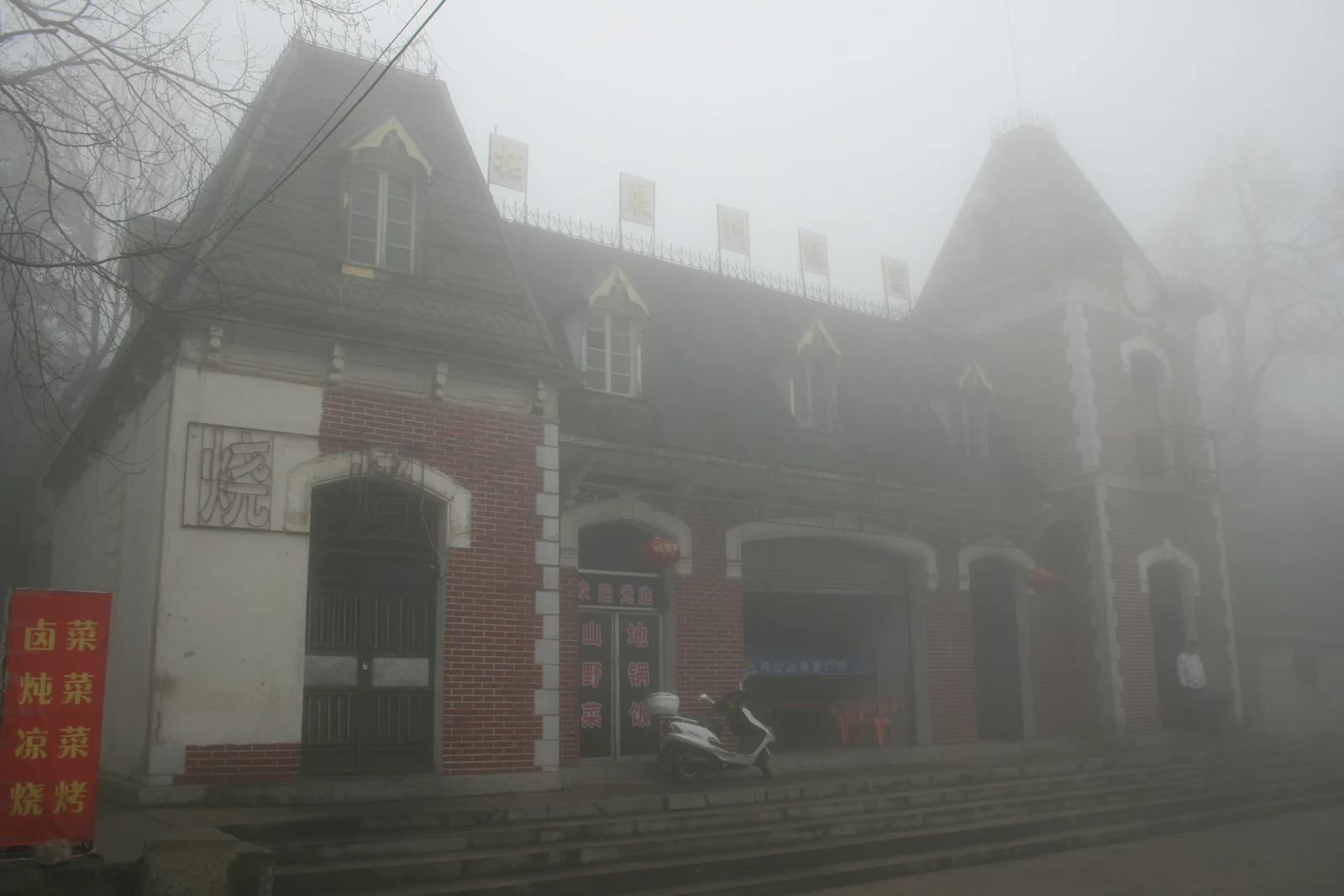
The Hill That Was Built for Summer
On Jigongshan, a granite peak in southern Henan, a foreign summer colony of several hundred villas was built in three decades and has been counted three different ways since.
Xinyang sits at the southern edge of Henan, where the Huai river plain begins to fold into the northern slopes of the Dabie Mountains. The district that holds the old town, Shihe, covers 1,778 square kilometres, runs nine townships and ten subdistricts, and describes itself as ringed on the west by Nanwan Lake and backed on the south by the Dabie range. That position gives the city a climate between subtropical and warm temperate, wet and mild with four distinct seasons, and a landscape of tea terraces, reservoirs and rice. The city's own count lists 101 A-level scenic areas within its boundaries. Three names anchor a visit: Jigongshan, the mountain resort foreign missionaries began building in 1902; Nanwan Lake, a reservoir with sixty-one islands; and the tea hills of Shihegang, where Xinyang Maojian is picked.
On Jigongshan, a granite peak in southern Henan, a foreign summer colony of several hundred villas was built in three decades and has been counted three different ways since.
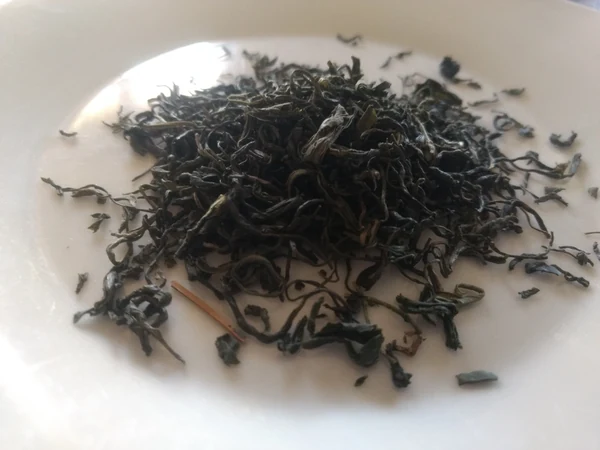
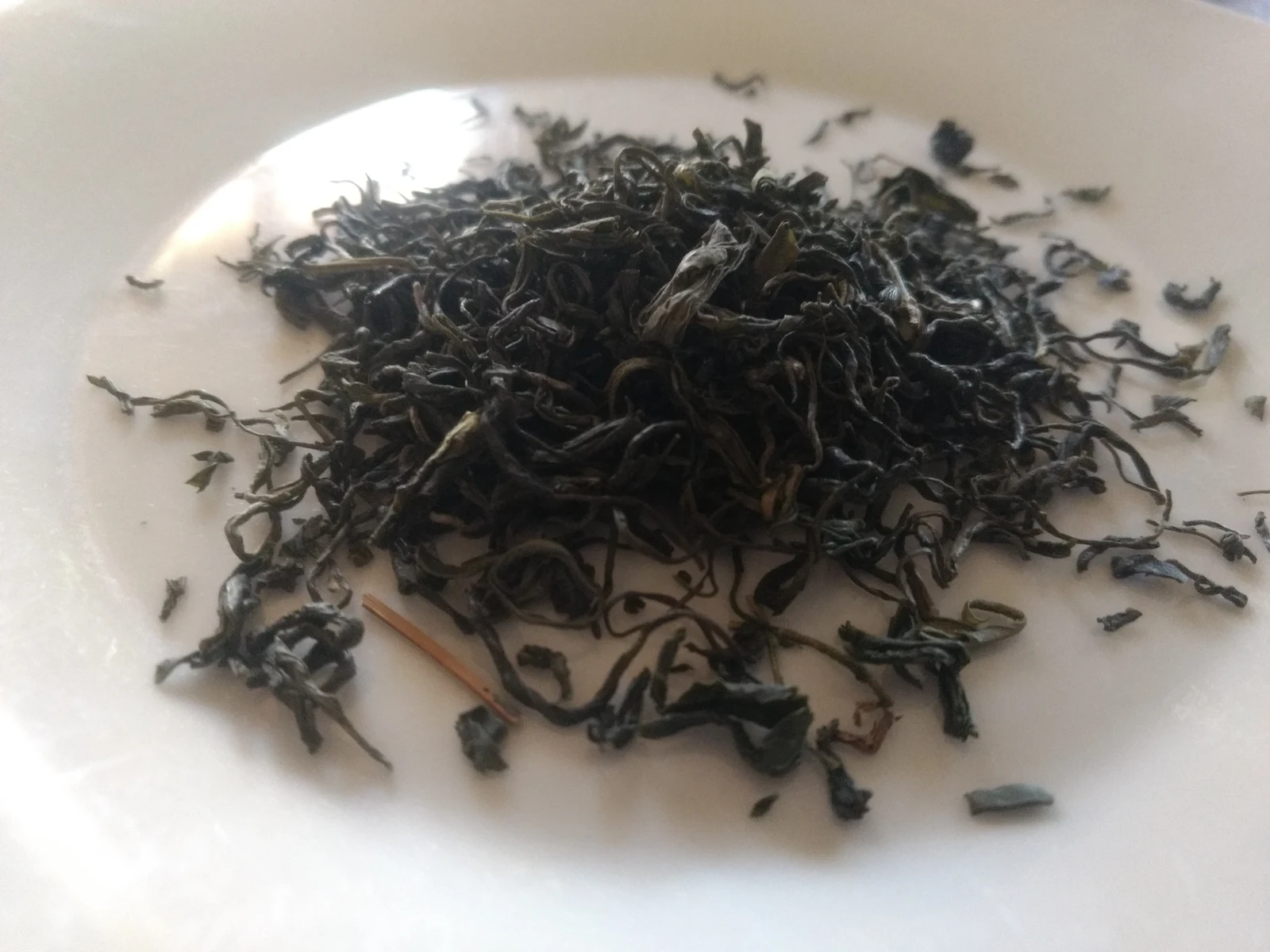
Follow Xinyang Maojian from the named tea hills above Nanwan Lake to the gestures of preparing a cup.
Read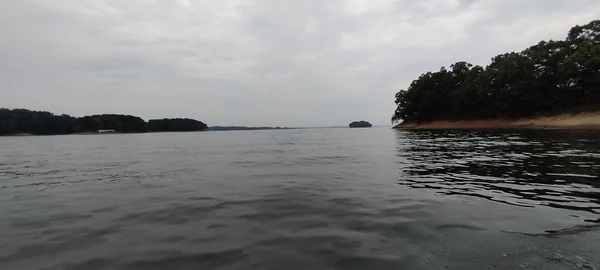
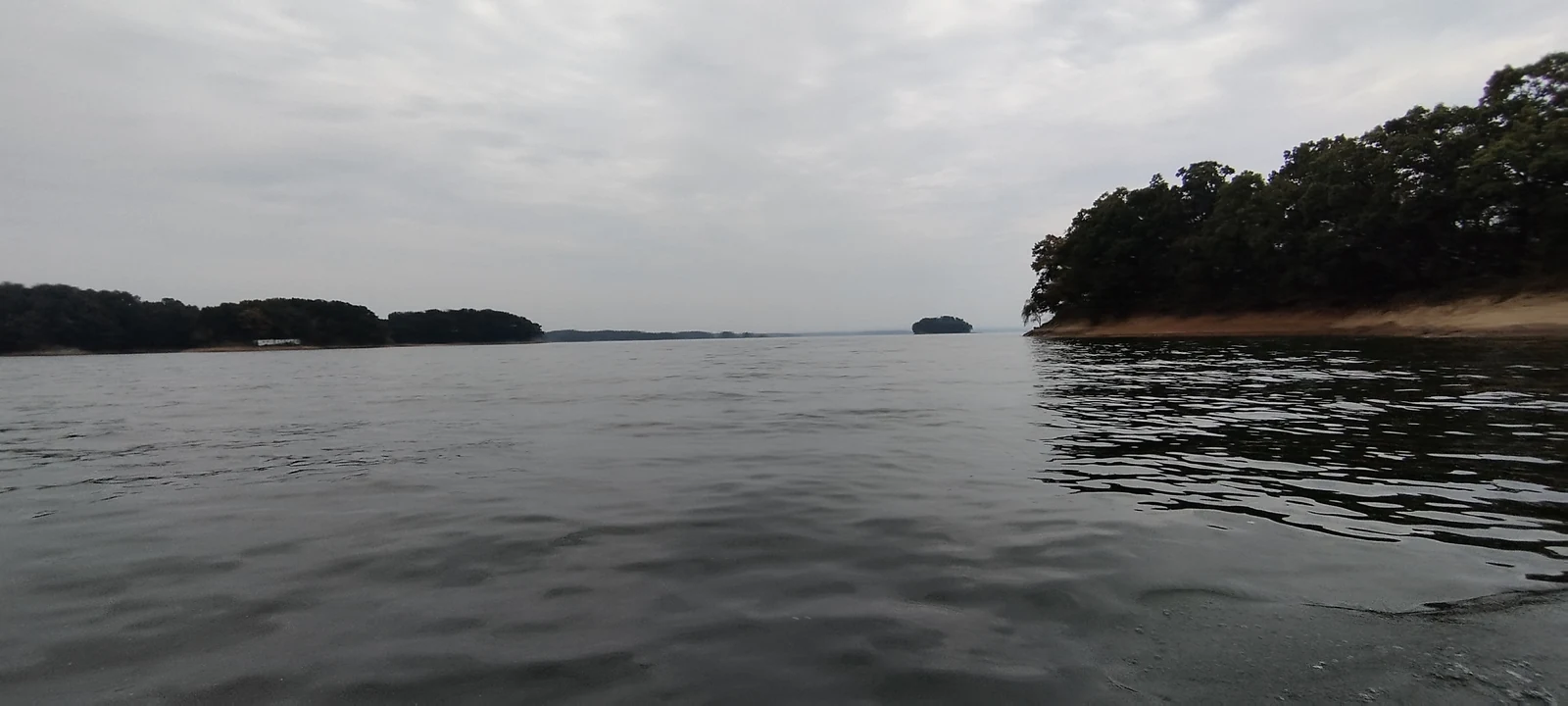
Nanwan Lake is a reservoir with a scenic-area name, a forested rim that filters its water and a pavilion on the dam that explains both.
Read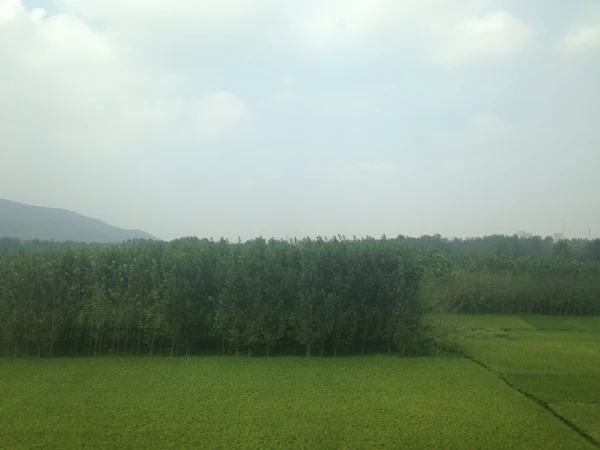
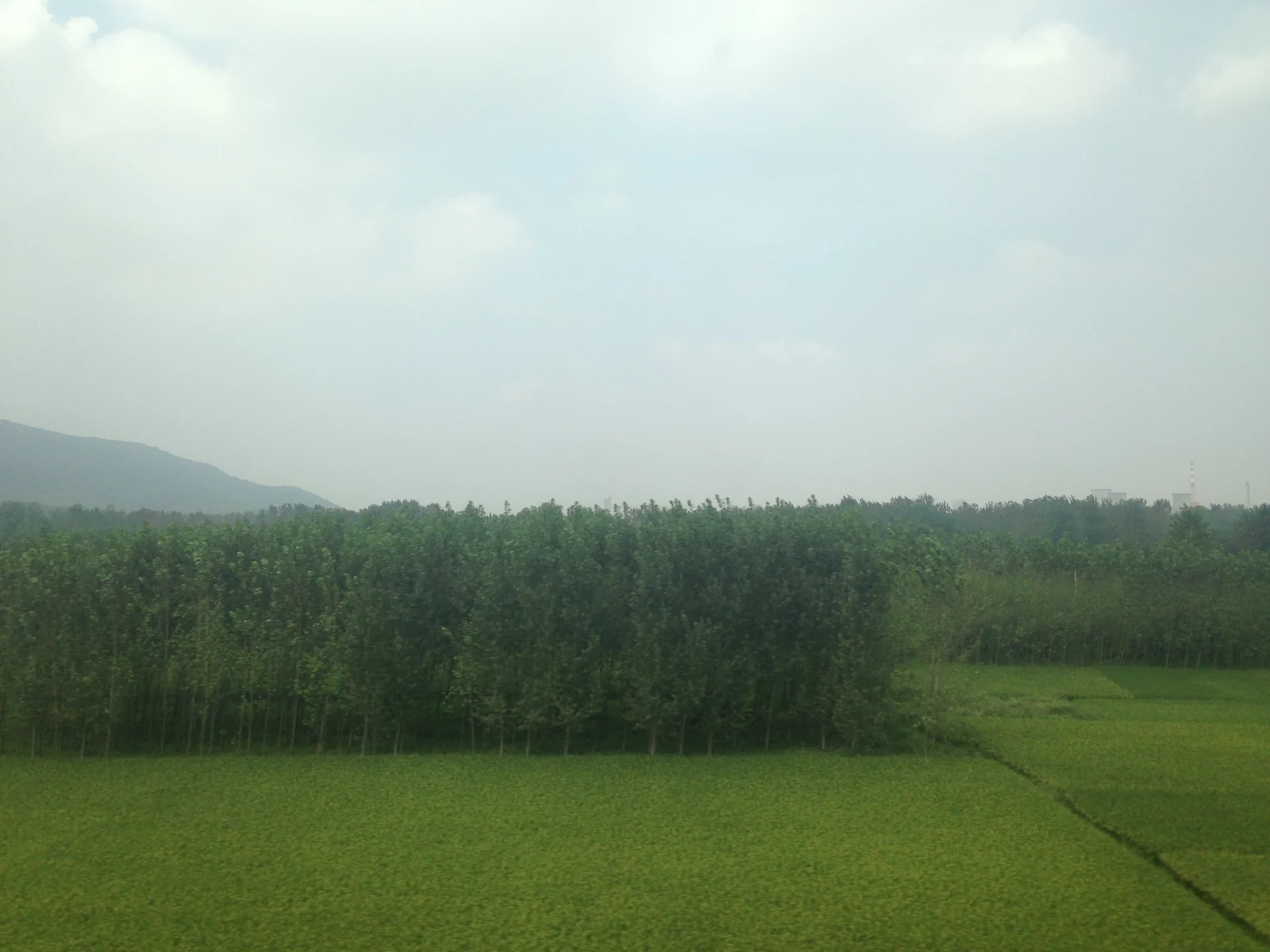
In Haotang, a village eighteen kilometres from Xinyang, the lanes hold gourd workshops and shadow puppets, and the fields still hold rice.
Read
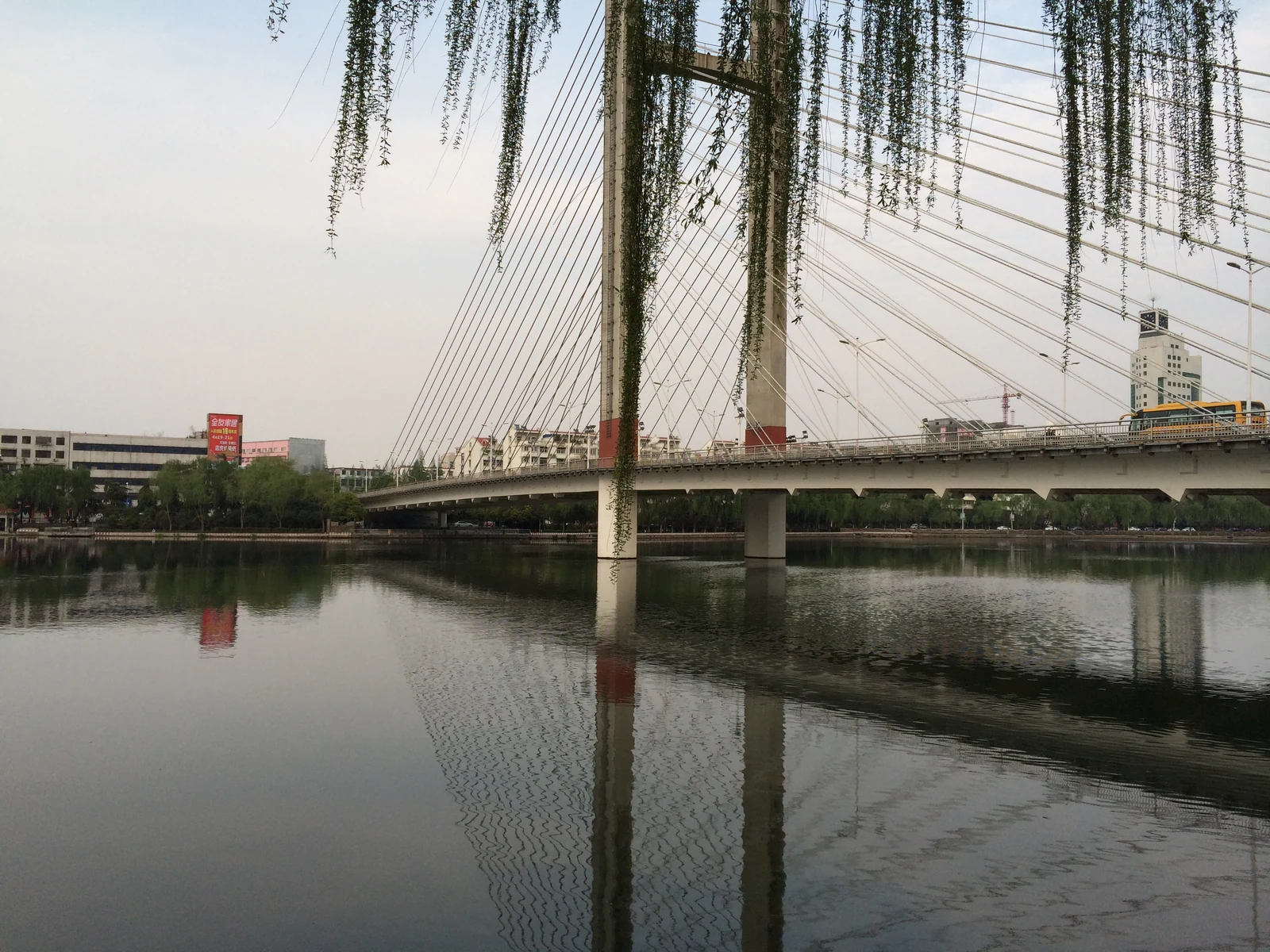
Shihe district holds the city's old core, its mountain, its lake and most of its A-level scenic areas; its own lists explain how the parts are meant to be read.
ReadA granite peak of 768 metres whose summer colony of villas was begun by an American missionary in 1902 and still numbers in the hundreds.
The tea hills southwest of the city, where Shihegang township tends nearly 200,000 mu of bushes and calls itself the hometown of the tea king.
A reservoir five kilometres southwest of the city, with 75 square kilometres of water, sixty-one islands and a forested rim.
A rice-and-tea village eighteen kilometres from the city that rebuilt its courtyards and now offers 500 beds to visitors.