One Bowl, One Vessel
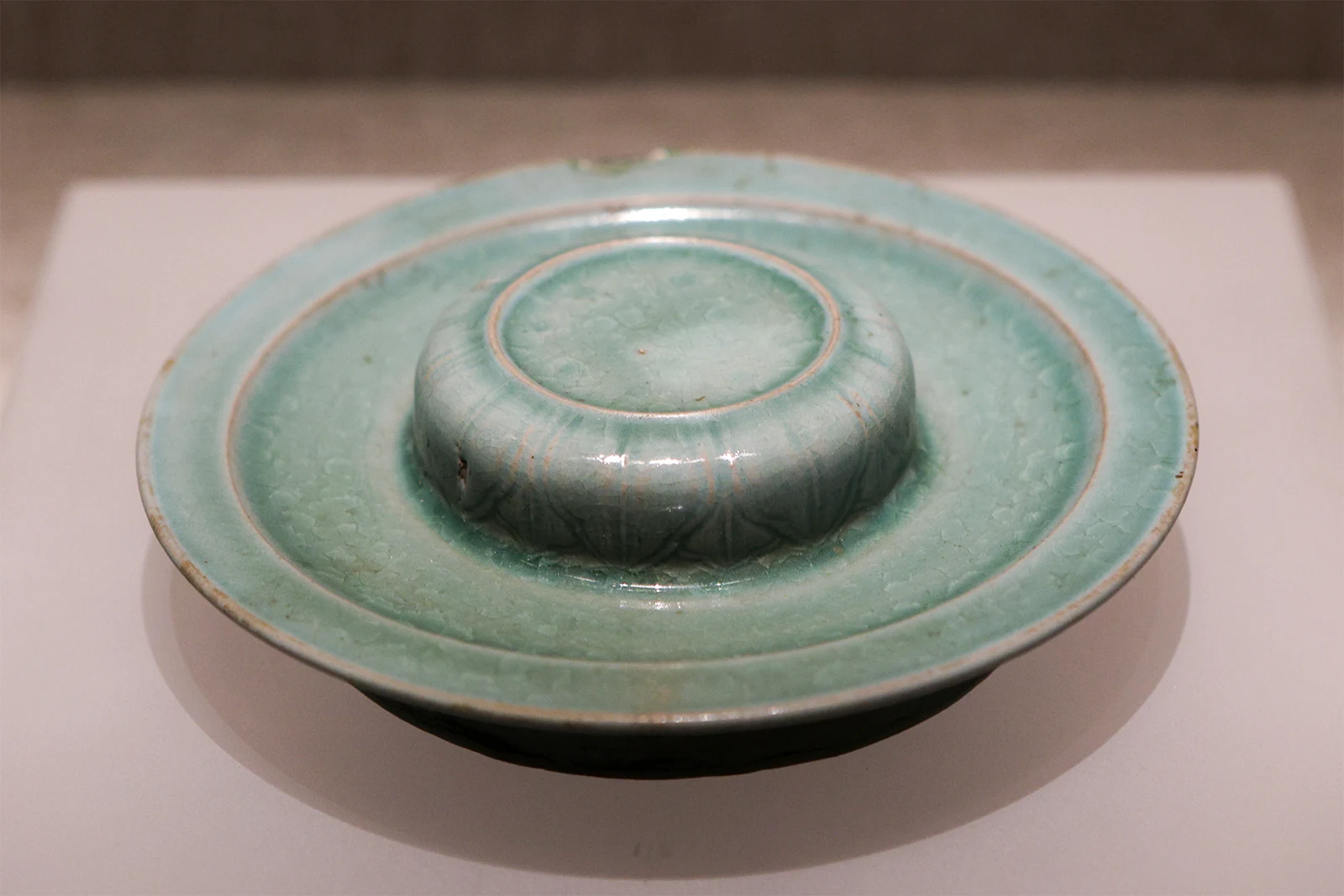
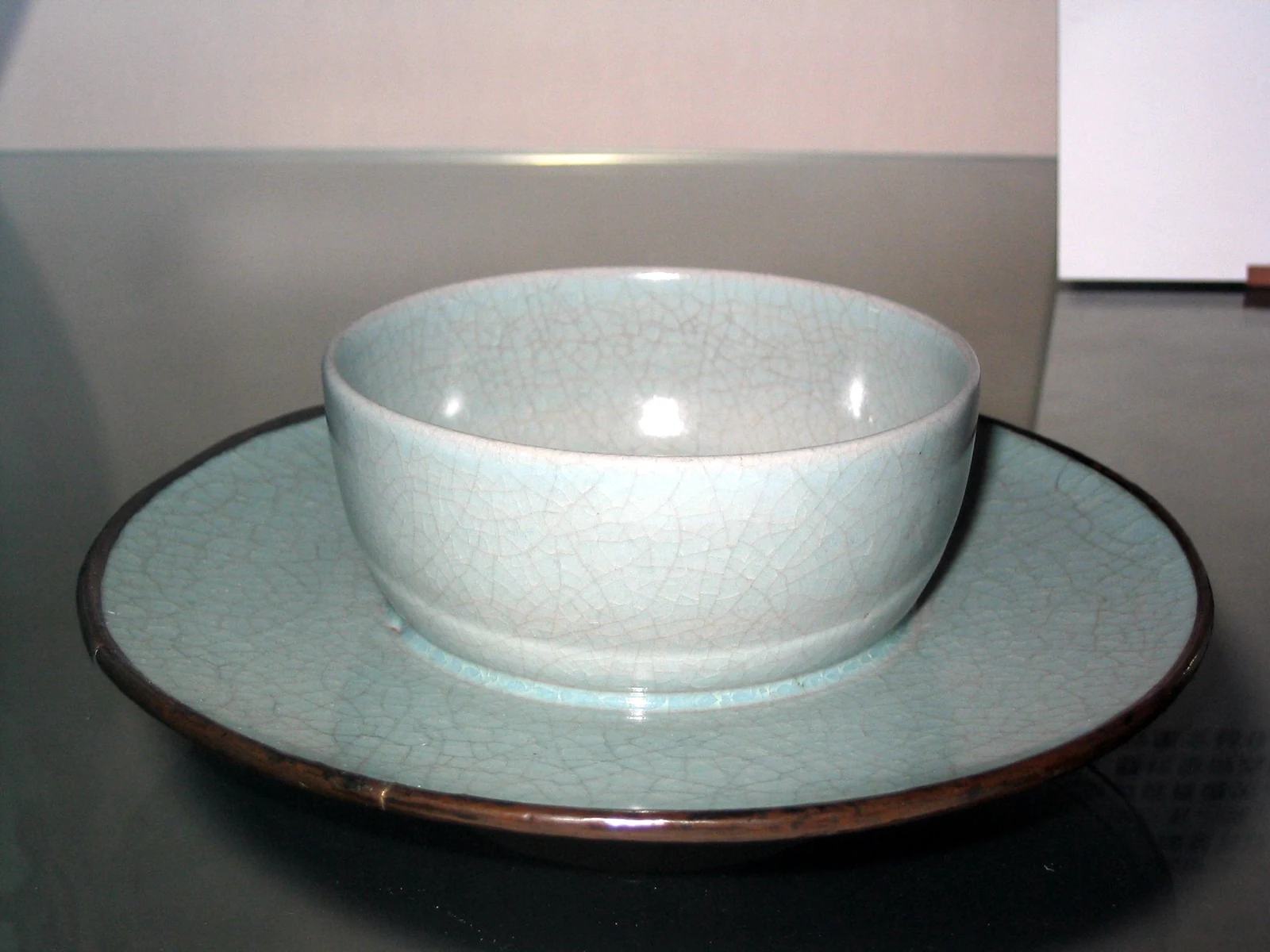
The firing method behind Ru ware, the hills that supplied its agate and kaolin, and the kiln sites still standing in the ground of western Henan.
Pingdingshan sits where the Funiu Mountains meet the North China Plain, and its history is written in fired clay and in stone. Five of the province's twelve nationally protected ancient porcelain kiln sites lie here, including the Ru official kiln at Qingliang Temple in Baofeng and the Zhang gongxiang and Yan hedian kilns in Ruzhou, while the local official site records that local ceramic firing reaches back to the Peiligang culture more than 8,000 years ago. North of the city the hills hold temples built without a central axis, and on the plain at Yexian a Ming county office from 1369 still stands on its old street. In the first lunar month, Baofeng county's Majie fair becomes a marketplace for storytellers.
The firing method behind Ru ware, the hills that supplied its agate and kaolin, and the kiln sites still standing in the ground of western Henan.
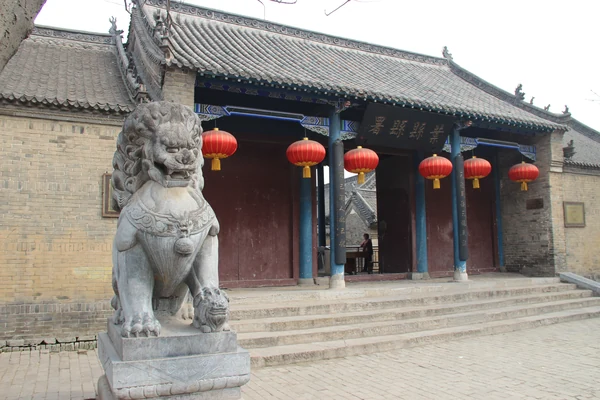
The 1369 county office at Yexian still stands on its old street, with its gate, its hall, its six side offices and a stele that told magistrates what they owed the people.
Read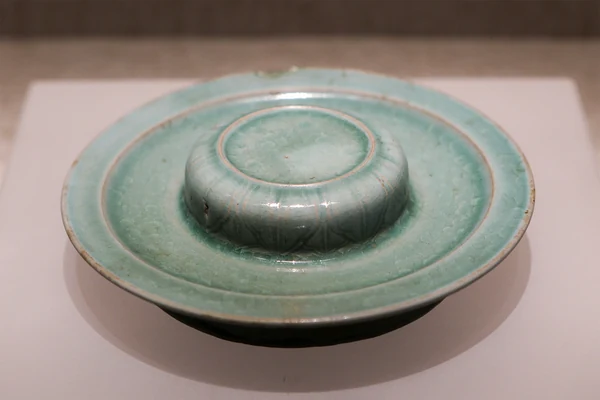
Baofeng does two things with its new year: it re-fires a sky-blue glaze on the site of an imperial kiln, and it fills a riverbank with storytelling artists.
Read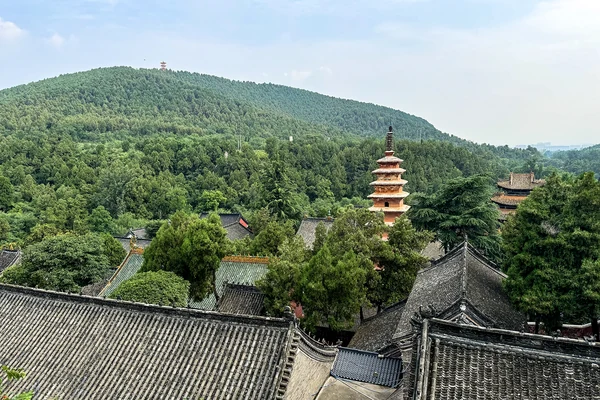
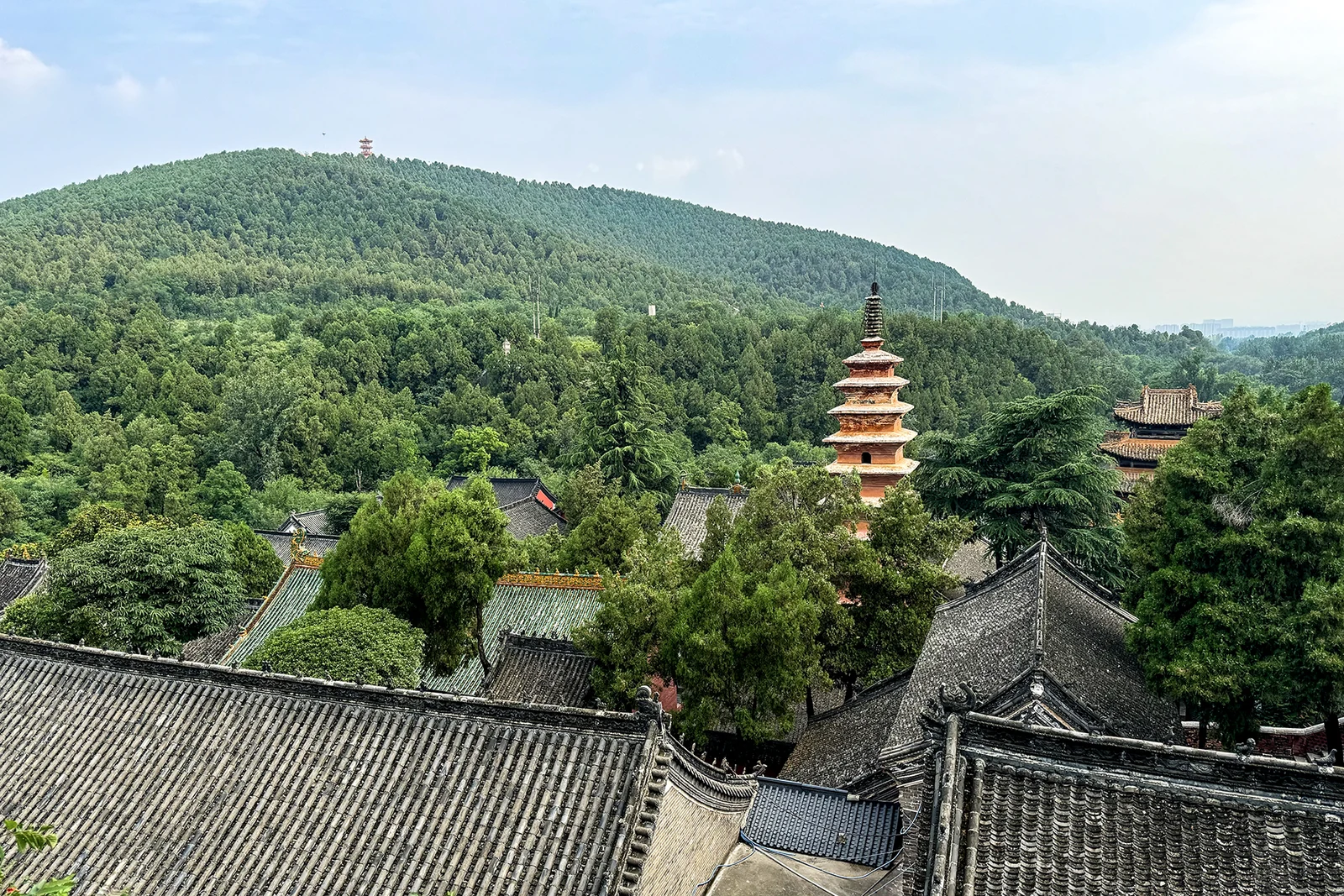
Fengxue Temple near Ruzhou fits more than 140 buildings from five dynasties around a hillside instead of lining them up, and its sources disagree about when it began.
ReadThe hometown of Ru ware, with the clay, the agate and two nationally protected kiln sites close at hand.
A mountain monastery in Ruzhou whose buildings from five dynasties were fitted around the hillside instead of an axis.
A Guanyin temple on Daxiang Mountain whose own stele dates its foundation to 181 CE.
A Ming county government from 1369, still standing on its original street with its ceremonial axis intact.
One county that fires sky-blue porcelain on an imperial kiln site and hosts a storytelling market every January.