Luoyang.

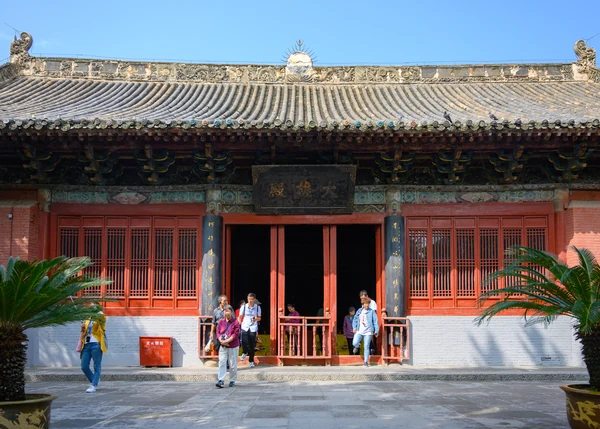
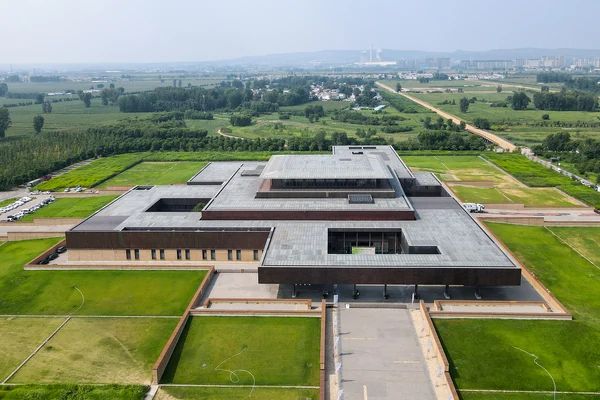
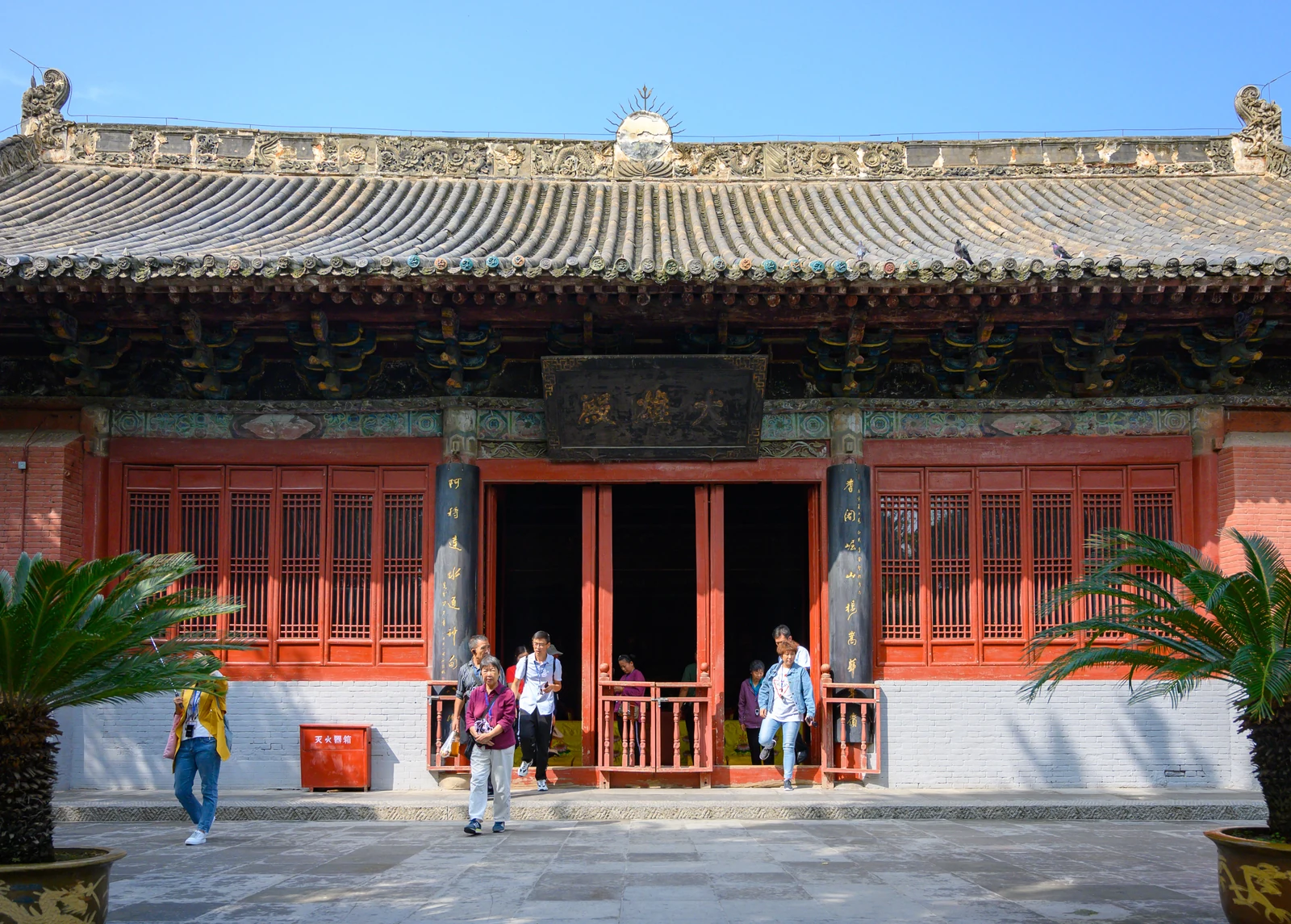
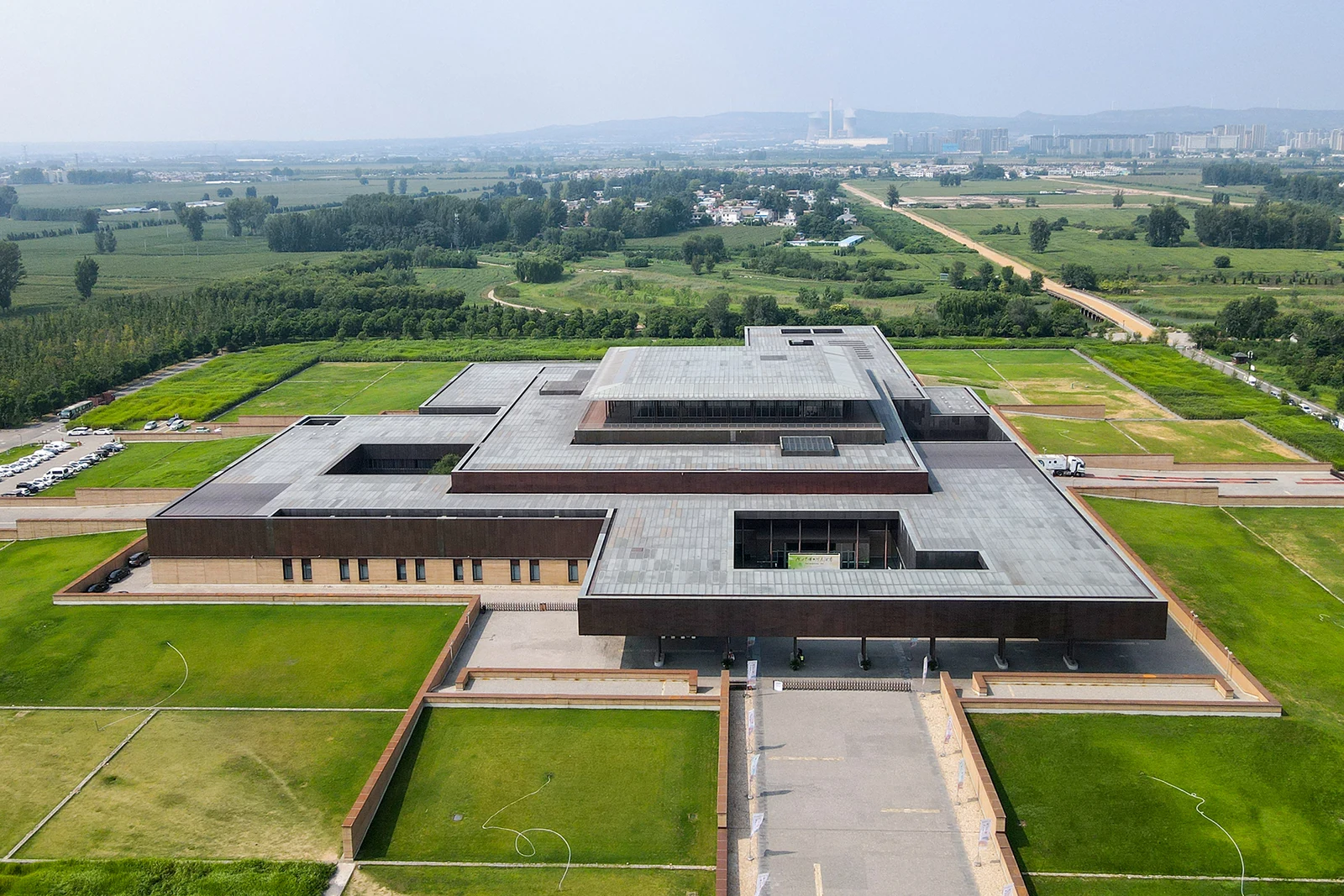
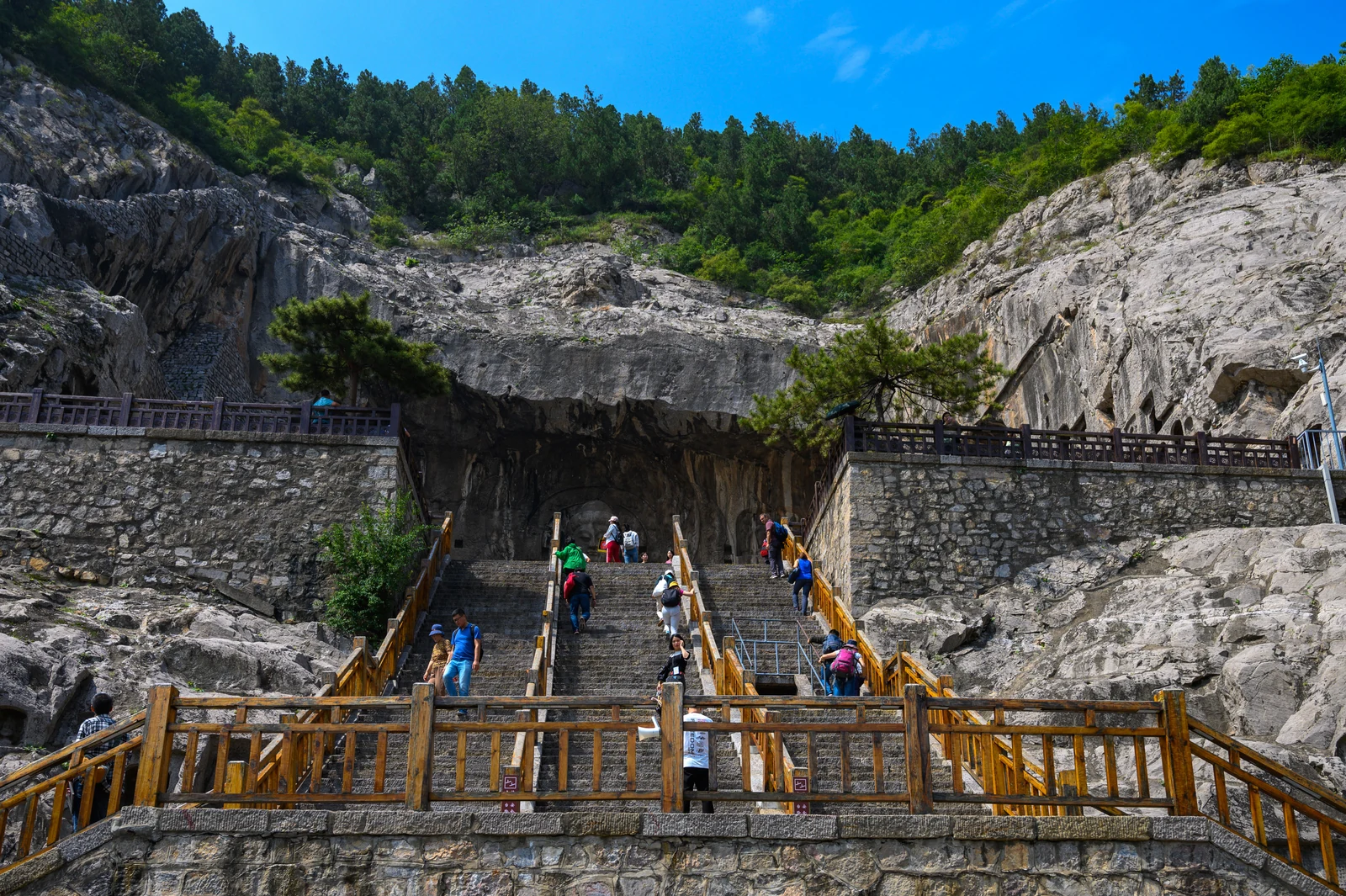
Luoyang's river valley has been a capital for one dynasty after another, and the layers sit almost on top of each other. South of the city the Yi River cuts a gap between Xiangshan and Longmen Shan, and the cliff on its western bank carries 2,345 niches and more than 100,000 statues carved between the fifth and tenth centuries. East of the city the first Buddhist temple in China, founded in 68 CE, still keeps its five-hall axis and its Song stone horses at the gate. Further out at Yanshi, a mound 300 metres square of ancient settlement turned out to be a walled palace town with a grid of streets and rows of bronze-casting kilns, now covered by a museum opened in 2019.

Luoyang

Places

Photo credits and rights
  1. Longmen Grottoes, Luoyangxiquinhosilva · CC BY 2.0 Photo source ↗ Rights information ↗ Display and thumbnail images resized and converted to WebP.
  2. White Horse Temple: the main hallxiquinhosilva · CC BY 2.0 Photo source ↗ Rights information ↗ Display and thumbnail images resized and converted to WebP.
  3. The exterior of the Erlitou Xia Capital Site Museum.Windmemories · CC BY-SA 4.0 Photo source ↗ Rights information ↗ Display and thumbnail images resized and converted to WebP.
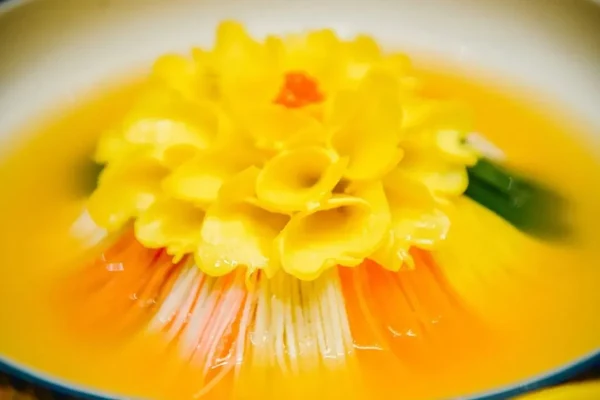
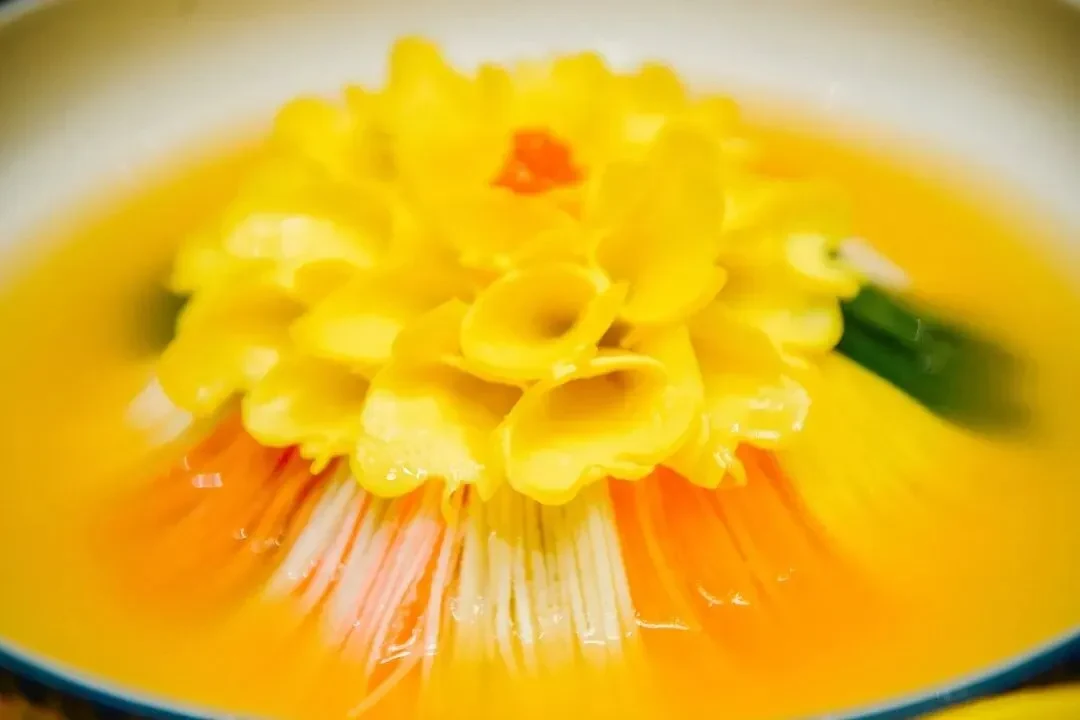
  4. Peony Yancai, a dish in Luoyang's water banquetPhotographer and photo-specific license are not identified by the source page; source: 洛阳市文化广电和旅游局; https://wgl.ly.gov.cn/2026/10-12/1089224.html · Rights information Photo source ↗ Resized and converted to WebP; no crop or upscaling.