Between Plateau and Ravine: The Road Through Hangu Pass
At the western gate of Henan, a narrow road carries the memory of the classics, the classics' author and the old road between two capitals.
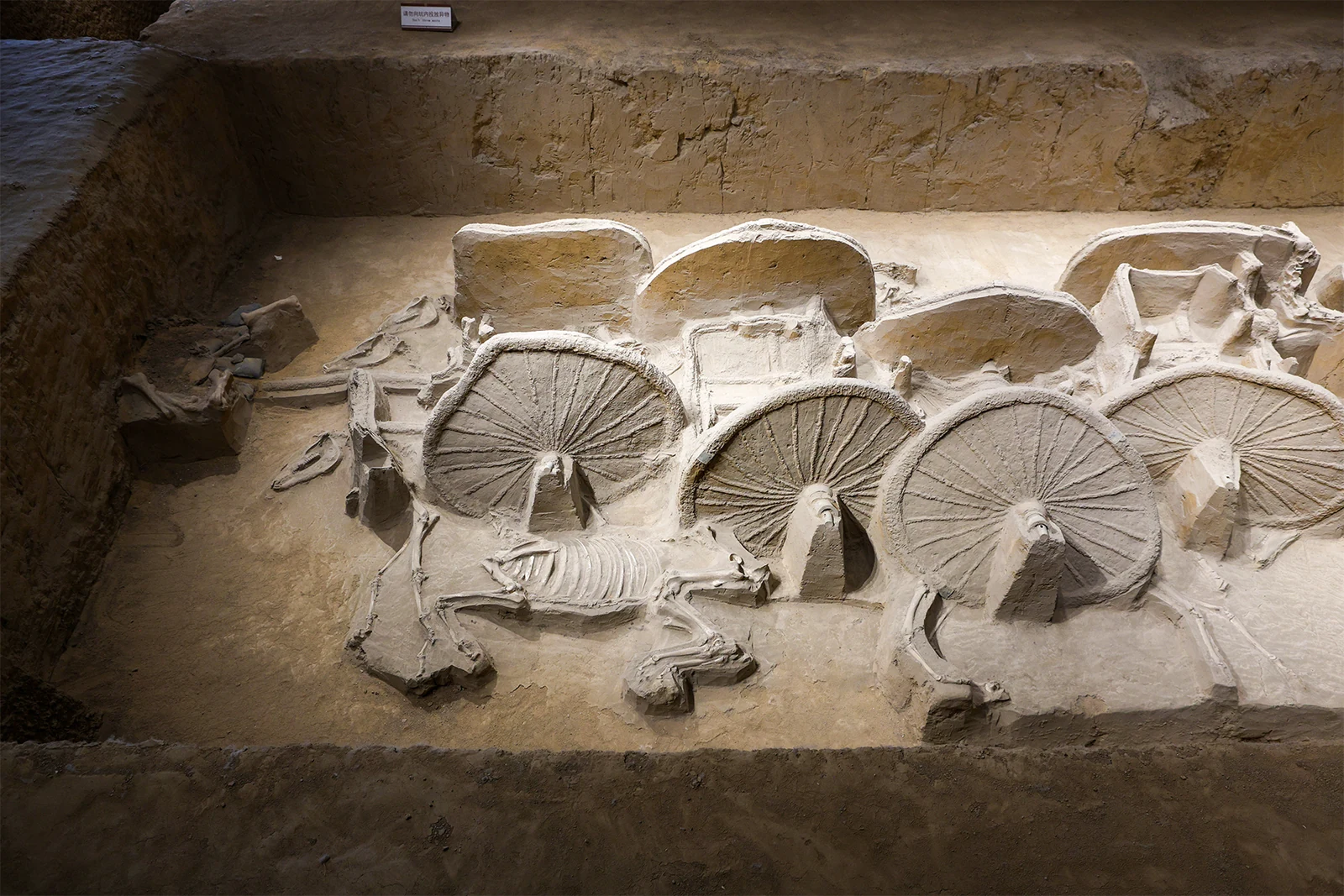
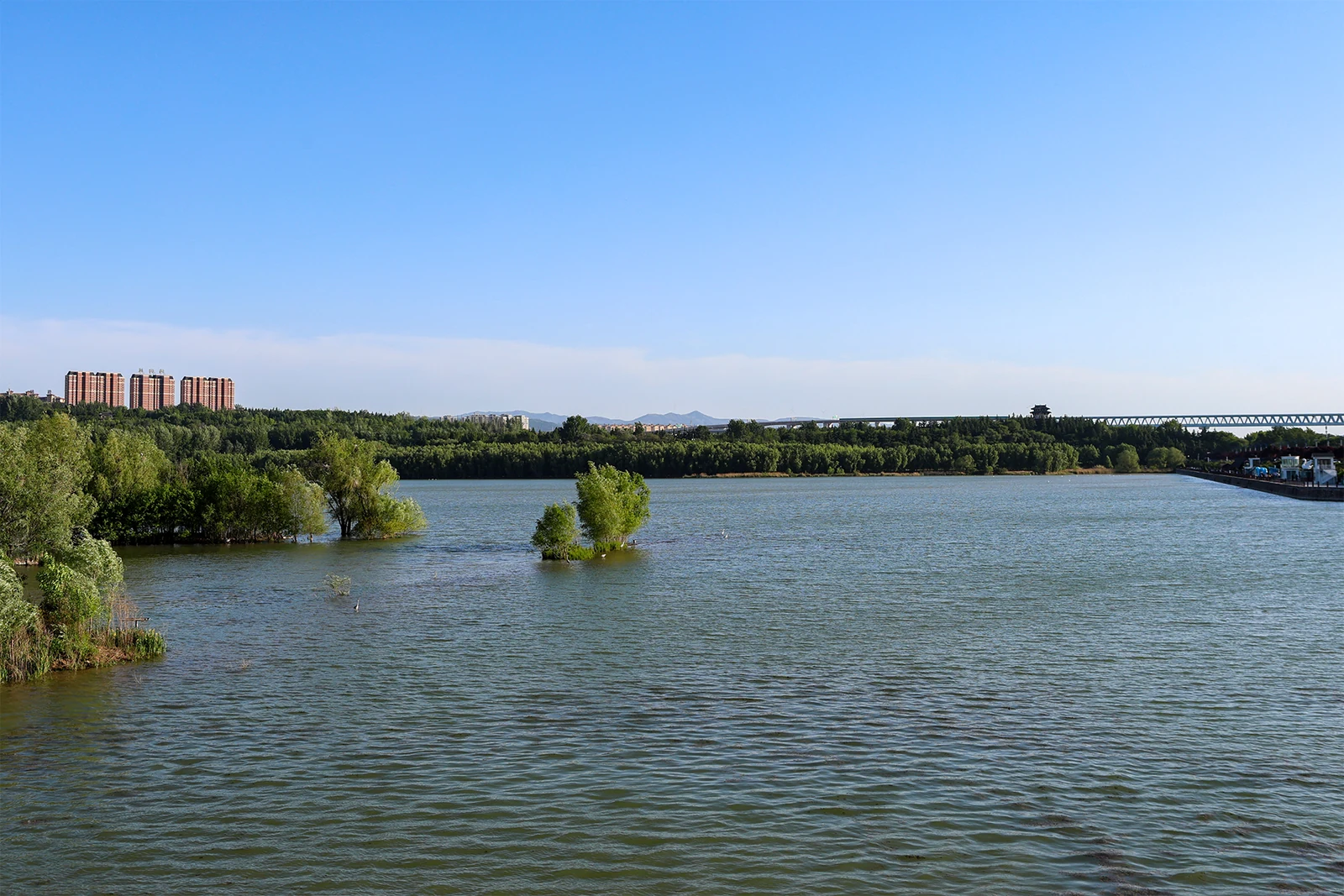
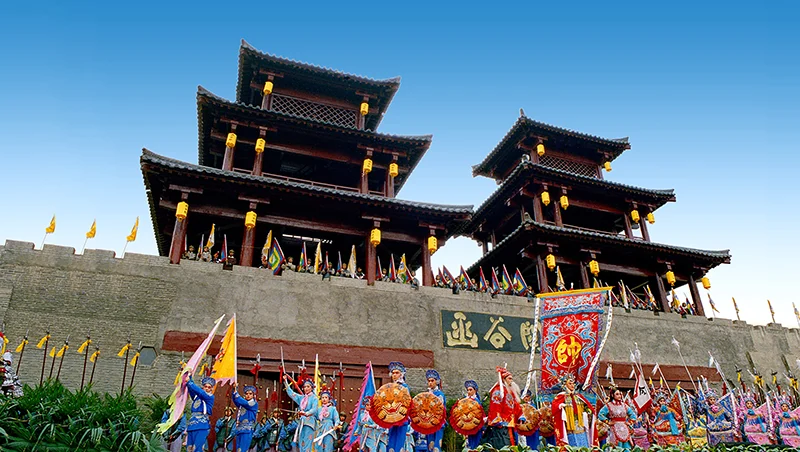
Sanmenxia was built where the Yellow River leaves the mountains and turns north, and everything here is organised around that bend. West of the city, at Hangu Pass in Lingbao, the old road running west to Chang'an and east to Luoyang narrows between a plateau and a ravine; the municipal government describes it as the sacred place where Laozi wrote the Daodejing, and it still names the pass's own buildings, from the Tai Initial Temple to the Chicken Crow Terrace. In the city itself, the Guo state tomb field at Shangcunling supplies a written record of a small Western Zhou kingdom that once guarded the western approach, with bronze vessels carrying the owner's name and chariot pits that show its military household. Along the river, the Swan Lake urban wetland park keeps an 8,850-mu stretch of the city where tens of thousands of white swans arrive each autumn to winter on the water.
At the western gate of Henan, a narrow road carries the memory of the classics, the classics' author and the old road between two capitals.
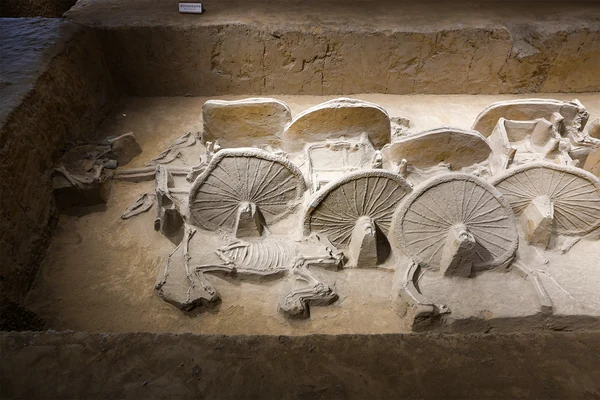
The burial ground of a small Western Zhou kingdom near Sanmenxia, where bronzes carry their owners' names and a site museum rebuilds a chariot.
Read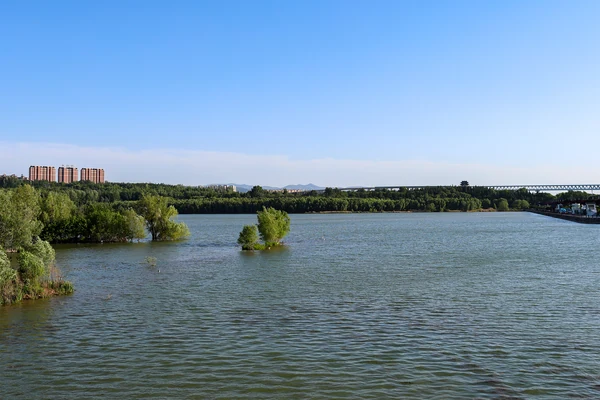
Sanmenxia's wetland park was a sewage ditch in the 1990s and now winters more than 16,000 whooper swans within sight of the city.
ReadThe fortified gate in Lingbao where the old road between the two capitals narrows, and where Laozi is said to have written the Daodejing.
The Western Zhou burial ground of a small royal state, with named bronzes and chariot pits displayed in a site museum.
An 8,850-mu wetland inside the city of Sanmenxia where tens of thousands of white swans come each winter to stand on the water.