Kiln Fire and a Drum on the Riverbank
Baofeng does two things with its new year: it re-fires a sky-blue glaze on the site of an imperial kiln, and it fills a riverbank with storytelling artists.
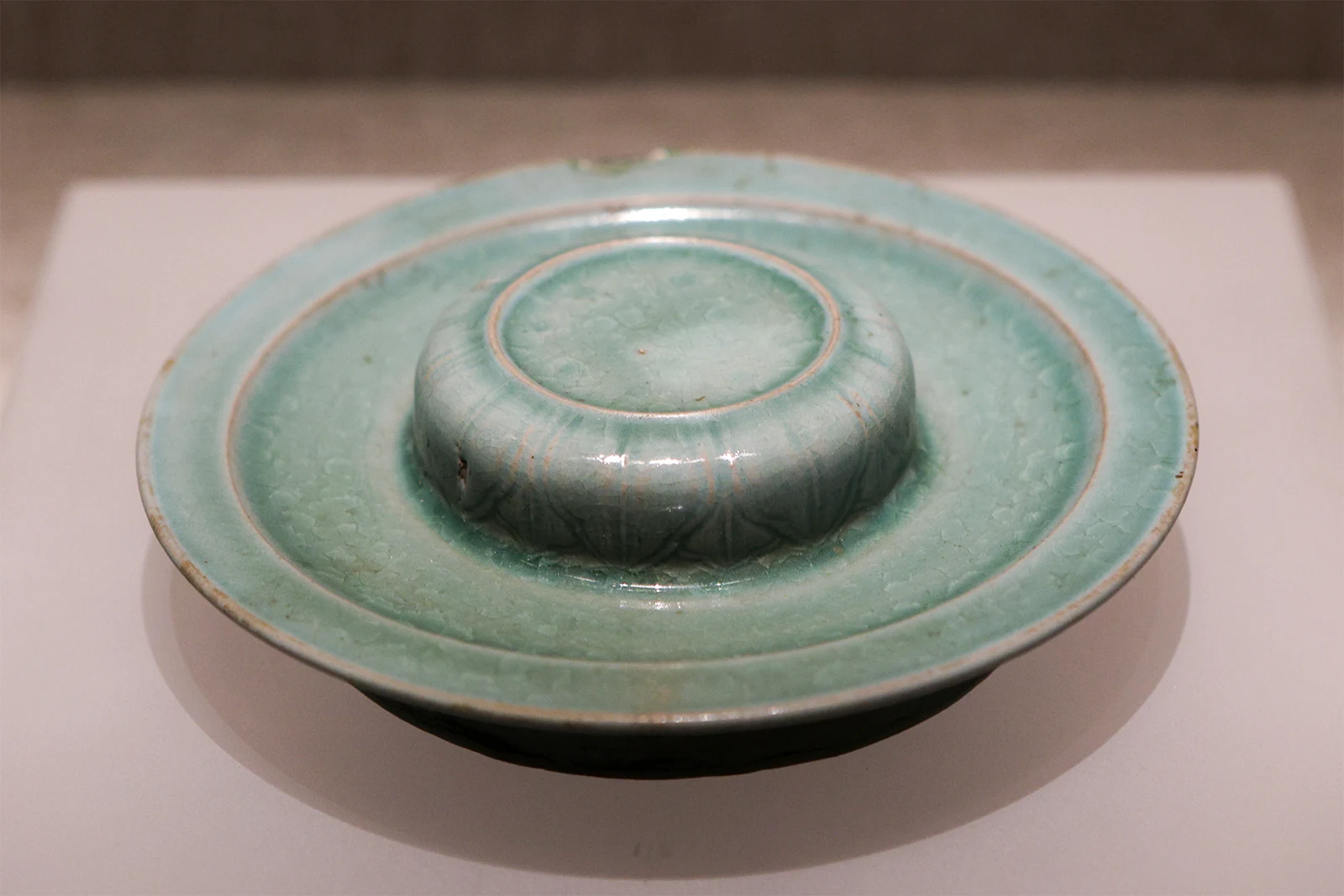
Baofeng holds two kinds of gathering in the same year. In the village of Qingliang Temple, the site where archaeology in the 1980s identified the central firing area of the Ru official kiln, potters work to recover the sky-blue glaze of the Northern Song; the county's heritage portal records nearly a hundred inheritors, close to 200 workshops and research bodies, more than 5,000 workers and an annual output worth 680 million yuan. Every lunar new year the county also fills the north bank of the Yinghe river at Majie village with drummers and qin players, because the Majie storytelling fair, listed as a national intangible heritage project in 2006, runs from the thirteenth to the fifteenth day of the first month.
Baofeng does two things with its new year: it re-fires a sky-blue glaze on the site of an imperial kiln, and it fills a riverbank with storytelling artists.