Tang Xianzu, Du Liniang, and the Four Dreams of Linchuan
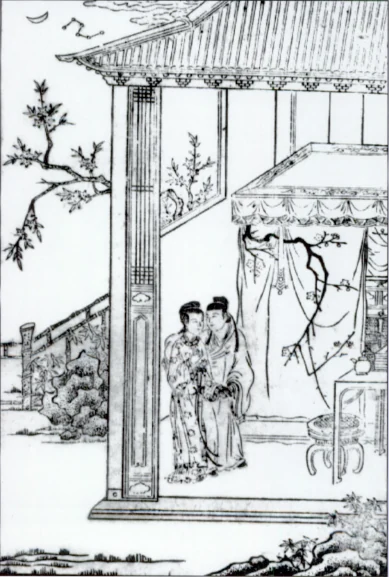
Du Liniang dreams of the scholar Liu Mengmei, dies of longing, and returns to life. Tang Xianzu’s other three “dreams” turn love, power, and ambition into different stories.
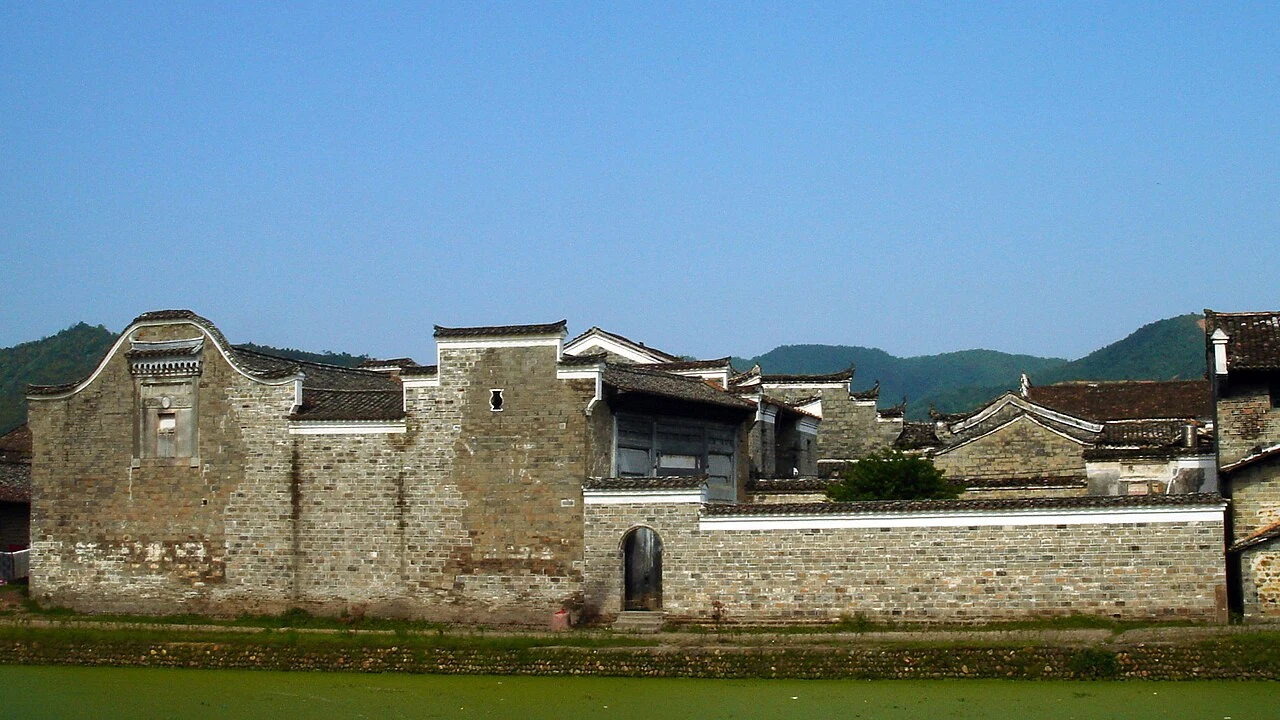
Fuzhou stands on the Fu River, which runs north from the city and joins the Litan, Yihuang and Chongren rivers before entering Poyang Lake. It was Linchuan commandery in the Three Kingdoms and Linchuan prefecture under the Ming, and its name changed to Fuzhou in the fourteenth century. Two things pull readers here: the playwright Tang Xianzu, who went home to write, and Liukeng, a village of more than a thousand households with a market street and two hundred and fifty Qing buildings still standing.
Du Liniang dreams of the scholar Liu Mengmei, dies of longing, and returns to life. Tang Xianzu’s other three “dreams” turn love, power, and ambition into different stories.
Liukeng was a working market town, not a museum, and the streets still work as streets.
Read
Dajueshan is a Danxia mountain in the far east of Jiangxi, where a monastery sits among red cliffs.
ReadThe playwright of 1550 to 1616 whose four plays are all about dreams, and the town he retired to.
A market village of 1,280 households on the Niutian River, with two hundred and fifty Qing buildings still standing.
A 1,396-metre red-rock mountain on the western foot of the Wuyi range in Zixi county.