Jingdezhen
Imperial Kiln Site
The excavated remains of the workshop that made the court's porcelain, inside the city that was named for it.
One river, and the stone it runs past
A province read by its river, its rock and its kilns
Jiangxi is the province of one great river. The Gan runs from the southern hills to Poyang Lake, and the lake gives its water to the Yangtze at Hukou. Inland, hilly, and often mistaken for the Jiangnan water country next door, it holds porcelain at Jingdezhen, granite at Lushan and Sanqingshan, red sandstone at Longhu, Huizhou villages at Wuyuan, walled Hakka houses in the south, and the playwright Tang Xianzu at Fuzhou. Read it by its stone, its river and its kilns.
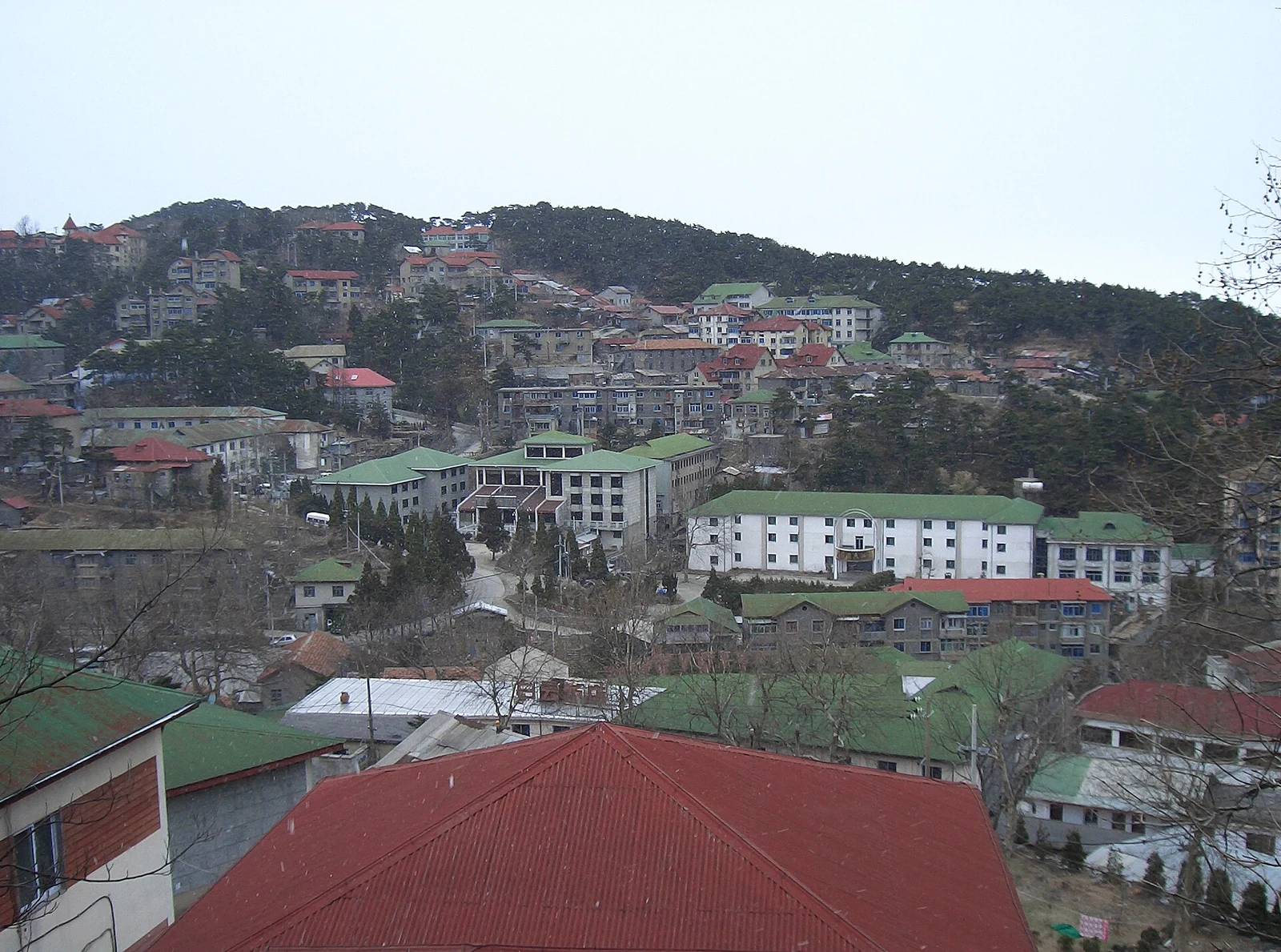
Mount Lushan
Three places that show how different one province can be.
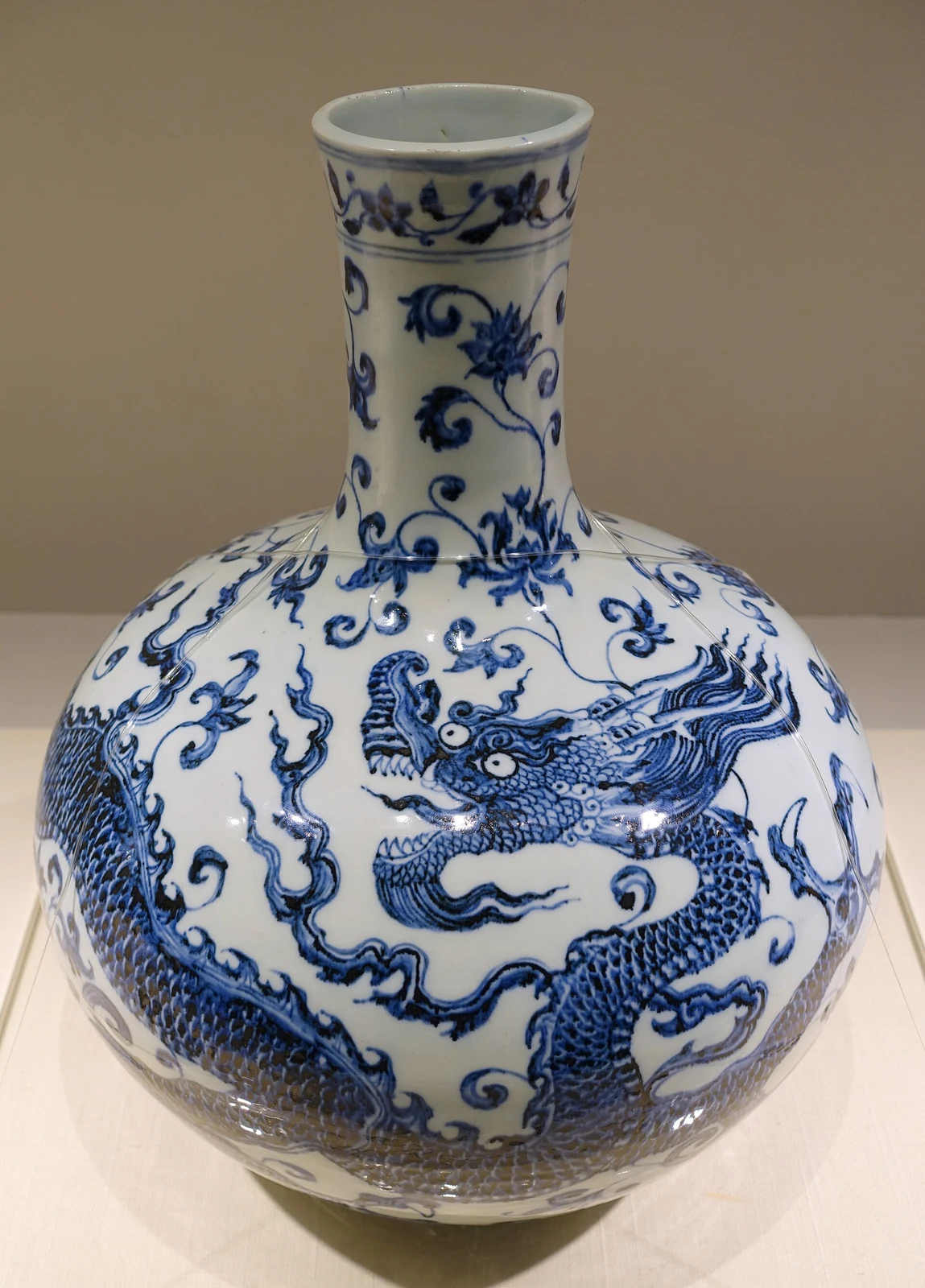
Jingdezhen
The excavated remains of the workshop that made the court's porcelain, inside the city that was named for it.
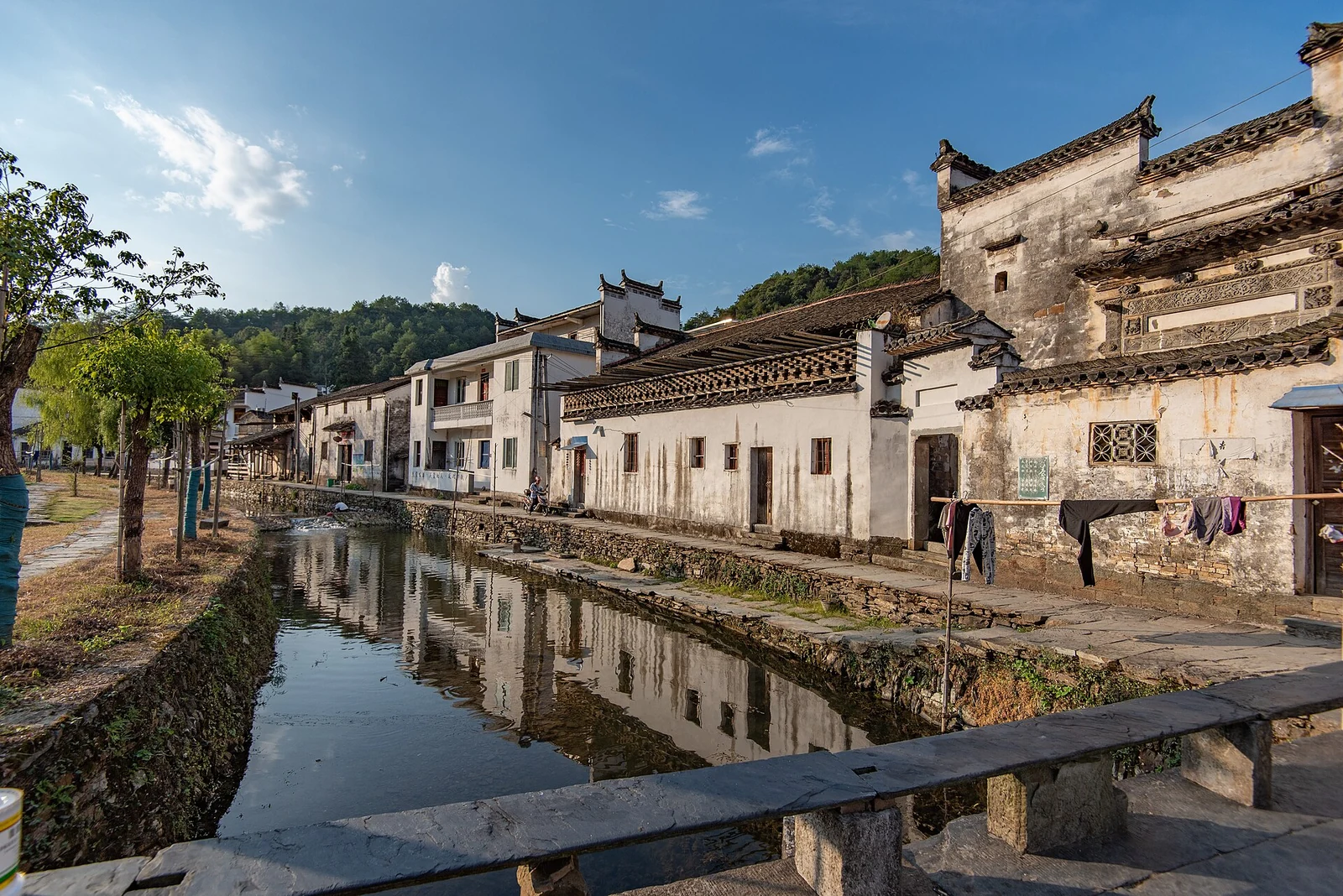
Shangrao
A county in Jiangxi that belongs to the Huizhou culture, with white walls, black tiles and bridges over water.
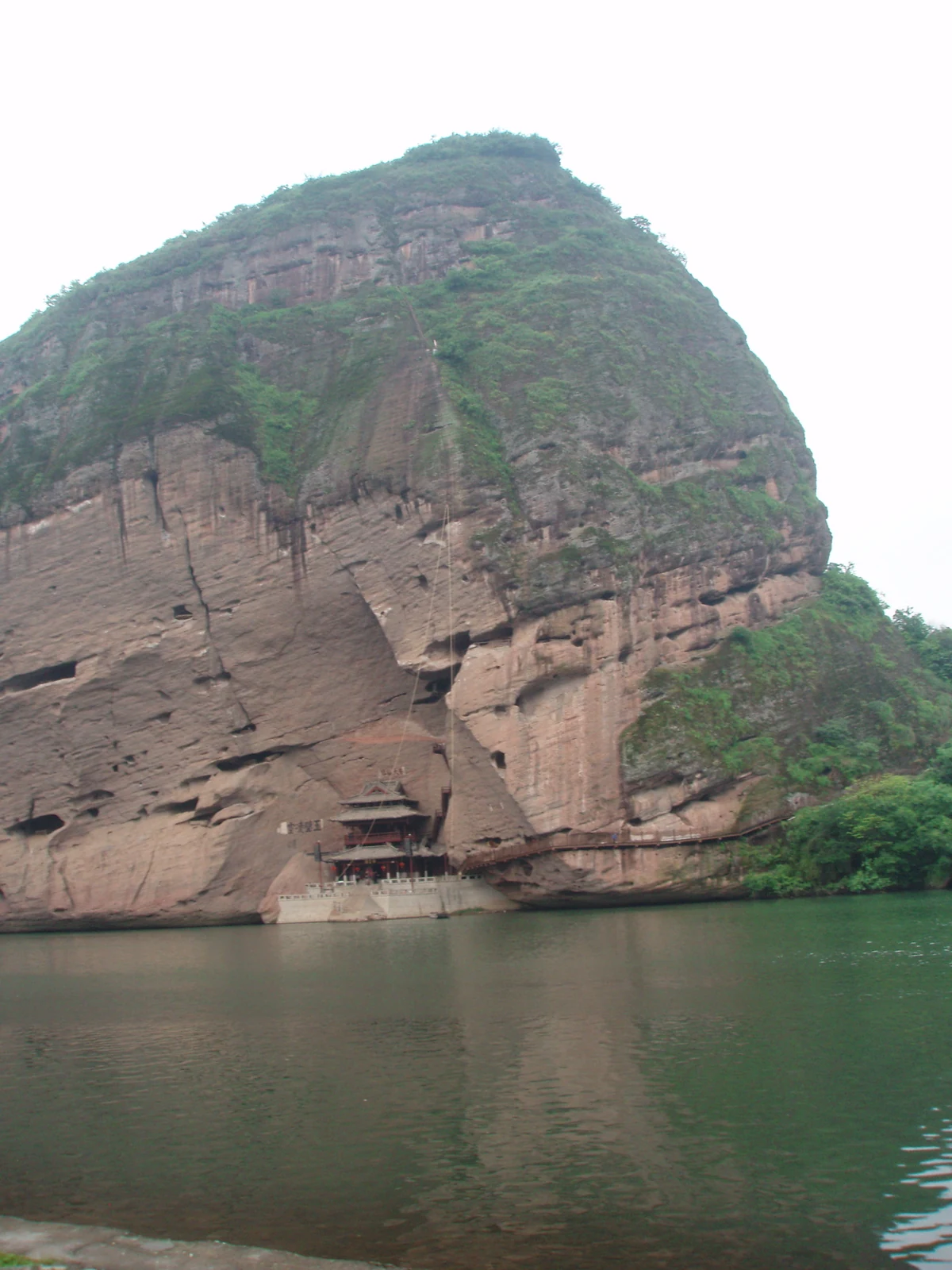
Yingtan
Red sandstone hills where the Zhengyi tradition of Daoism has its seat, and where cliff tombs two thousand years old were cut.
Three threads lead from kiln fires and walled houses into the dreams of the stage.
From the journal
At Jingdezhen's imperial kiln, a rejected vessel could be smashed and buried. Archaeologists and conservators have made those fragments tell another story.
From the journal
At Yan Yi Wei in Longnan, rooms, galleries and defensive openings share a tall square enclosure; Guanxi New Enclosed House offers another local plan.
From the journal
Du Liniang dreams of the scholar Liu Mengmei, dies of longing, and returns to life. Tang Xianzu’s other three “dreams” turn love, power, and ambition into different stories.
Choose a city: start with its highlights or continue reading in the full article collection.
Jiangxi's capital sits where the Gan River runs north toward Poyang Lake, and it opens on a rebuilt tower and a room that changed the country.
All articlesA Yangtze city that keeps the lake in view, with Lushan standing between the two waters.
All articlesThe city named for its kilns, where porcelain has been fired along a river for well over a millennium.
All articlesA coal city that became China's earliest heavy-industrial base, with a granite mountain rising behind it.
All articlesA steel town on the Yuan River whose lake was named after a story rather than a mountain.
All articlesA copper town on the Xin River whose southern hills are red rock and Daoist holy ground.
All articlesThe middle of the Gan River, with an academy in the city and a forest mountain to the south.
All articlesThe old prefecture of Yuan, with a granite range to the north and the province's copper country to the west.
All articlesThe city where the Zhang and Gong rivers join to make the Gan, and the southern home of the Hakka in Jiangxi.
All articlesThe eastern prefecture, where the Xin River runs to the lake and three mountain ranges meet at the provincial border.
All articlesThe city on the Fu River that kept a playwright and a walled village of merchants.
All articles