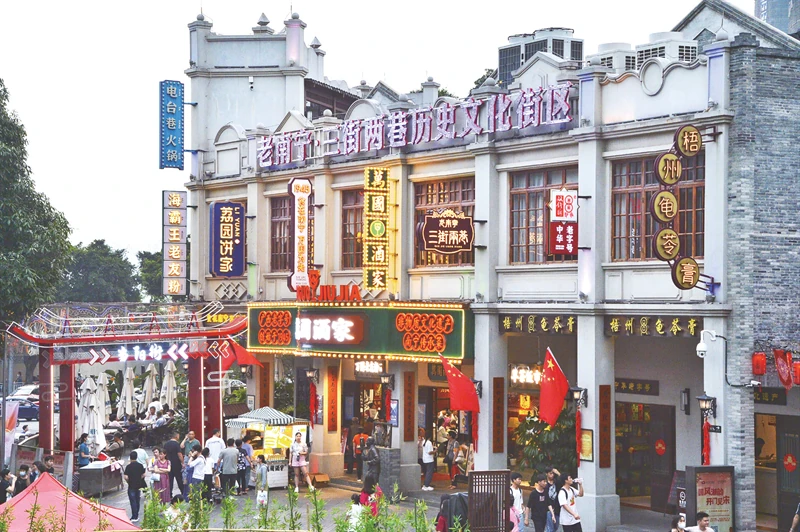
Three Streets and Two Lanes in Nanning’s Merchant City
Nanning’s historic streets, lanes and meeting halls reflect the commercial life shaped by river trade.
Nanning can be read through things and through streets. Bronze-drum records invite close comparison of shape and ornament, while Zhuang brocade leads from a patterned surface to the loom and the maker. These regional histories extend beyond the city that presents them. In Three Streets and Two Lanes, named roads, guild halls and later reconstruction reveal a different set of connections: commerce, public institutions and the changing use of old urban space. Nearby renewal projects make the distinction between inherited fabric and contemporary heritage design especially important. Begin with a specific object or building, then follow its evidence outward.
Nanning’s historic streets, lanes and meeting halls reflect the commercial life shaped by river trade.
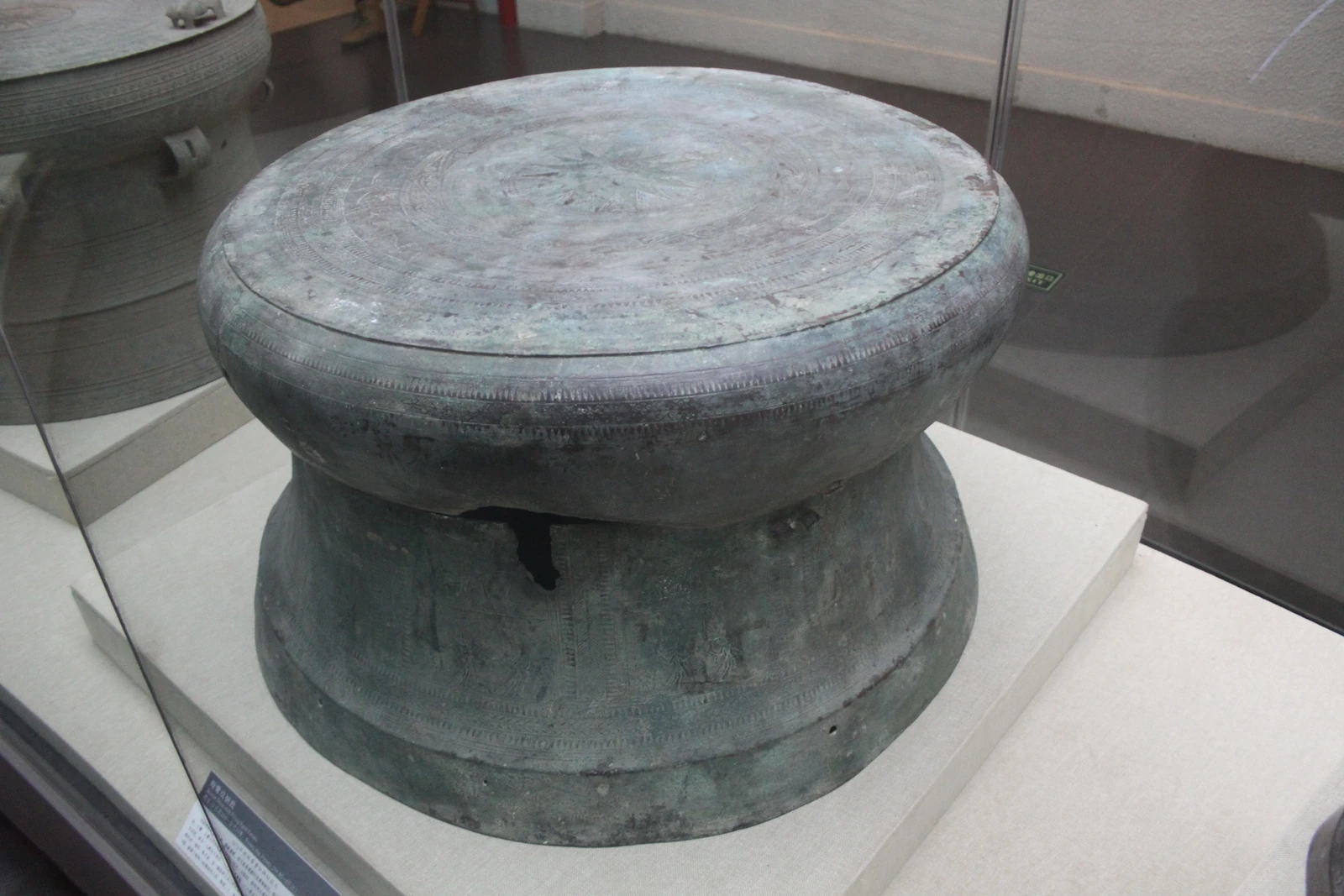
Nanning’s museum collections open a wider Guangxi story through the shape, ornament and careful classification of bronze drums.

Threads, regional looms and household uses connect the patterns of Zhuang brocade with the work of its makers.
Read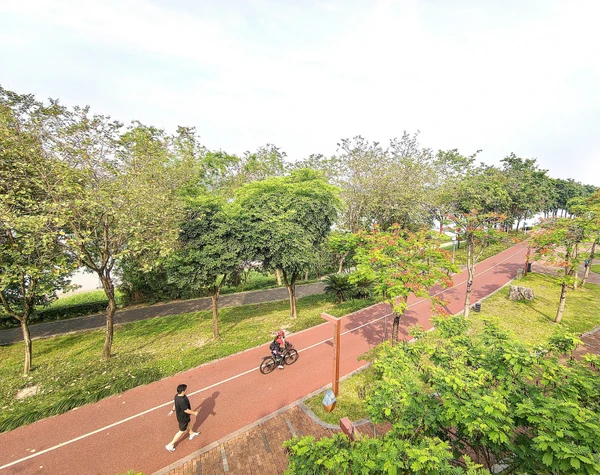
Along the Yong River and renewed old-city streets, public works, reconstructed landmarks and cultural programming tell distinct stories.
Read