Beihai Old Street: Arcade Houses and Merchant Plots
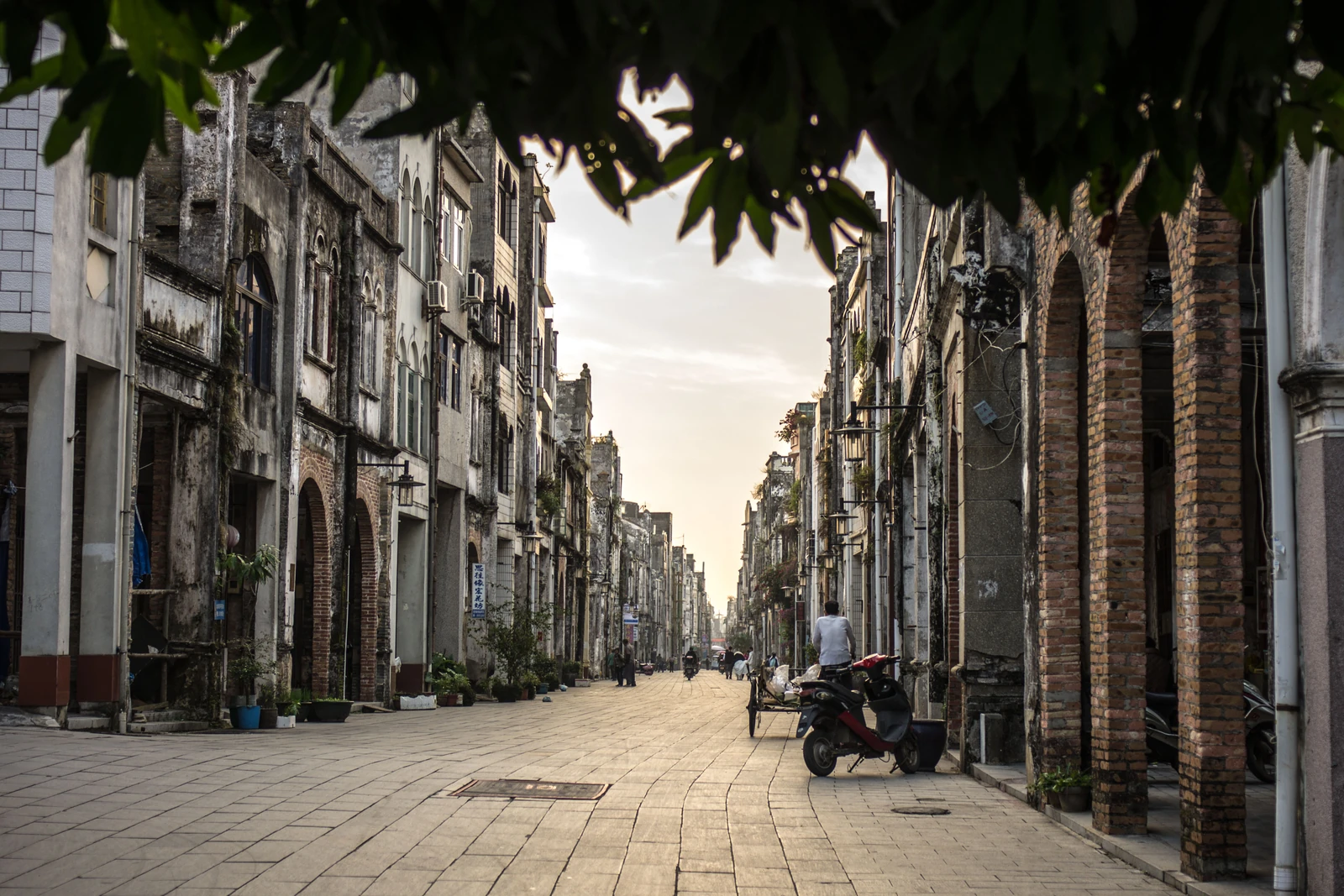
Zhuhai Road’s arcades, shopfronts and deep merchant plots preserve the form of a coastal commercial street.
Beihai’s coastal setting connects places with very different timescales. Zhuhai Road preserves a mercantile streetscape; Qiaogang carries the history of families resettled from Vietnam; Hepu County holds evidence of Han-era exchange. Offshore, Weizhou’s volcanic rocks and living reefs tell separate stories of construction and change. These are connected journeys, rather than one uninterrupted port history.
Zhuhai Road’s arcades, shopfronts and deep merchant plots preserve the form of a coastal commercial street.

Walls, wells, production remains and tombs reveal how archaeologists reconstruct Hepu’s Han-era maritime world from evidence that survives in different forms.
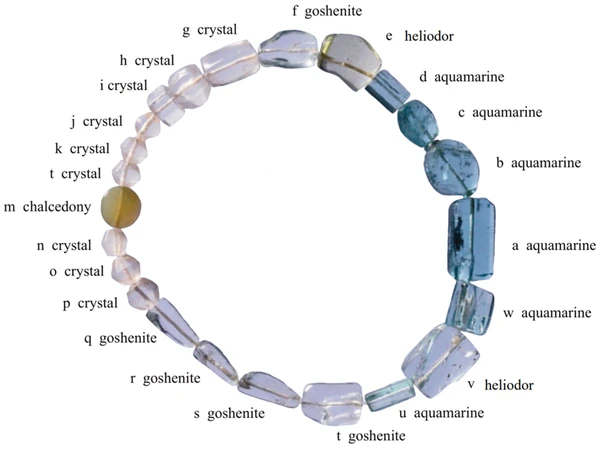
Scientific study of Hepu’s Han tomb beads traces varied materials and skilled making while leaving individual routes uncertain.
Read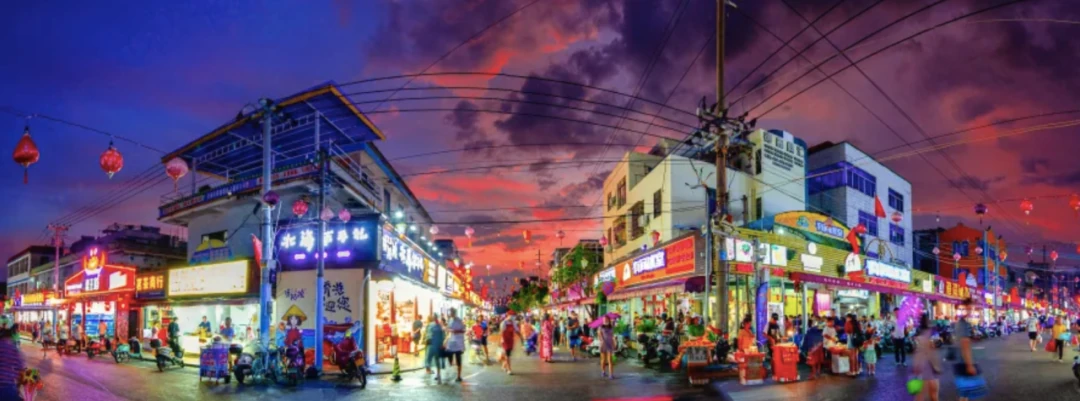
The story behind Qiaogang’s food streets begins with families arriving from Vietnam and continues through changing forms of maritime work.
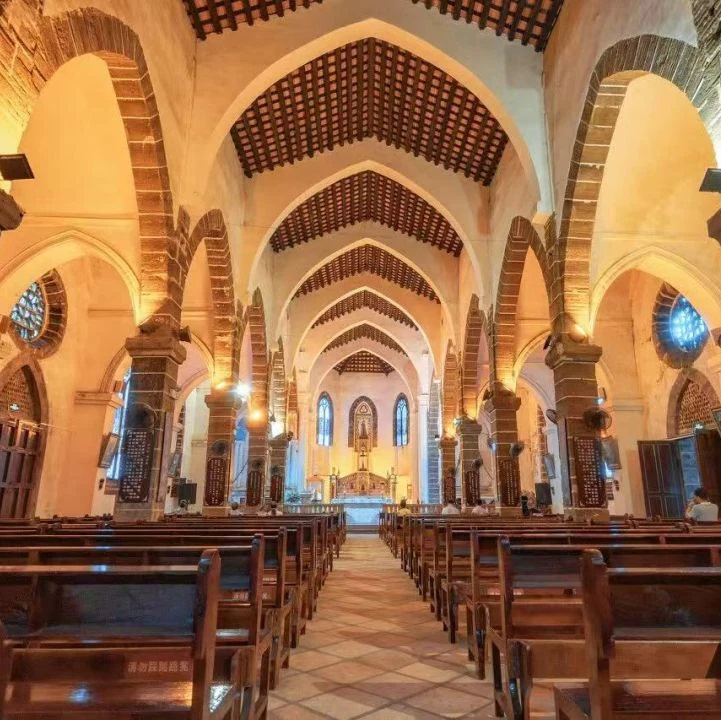
Pointed openings and local coral stone connect Shengtang Catholic Church with Weizhou’s village life and nineteenth-century religious history.
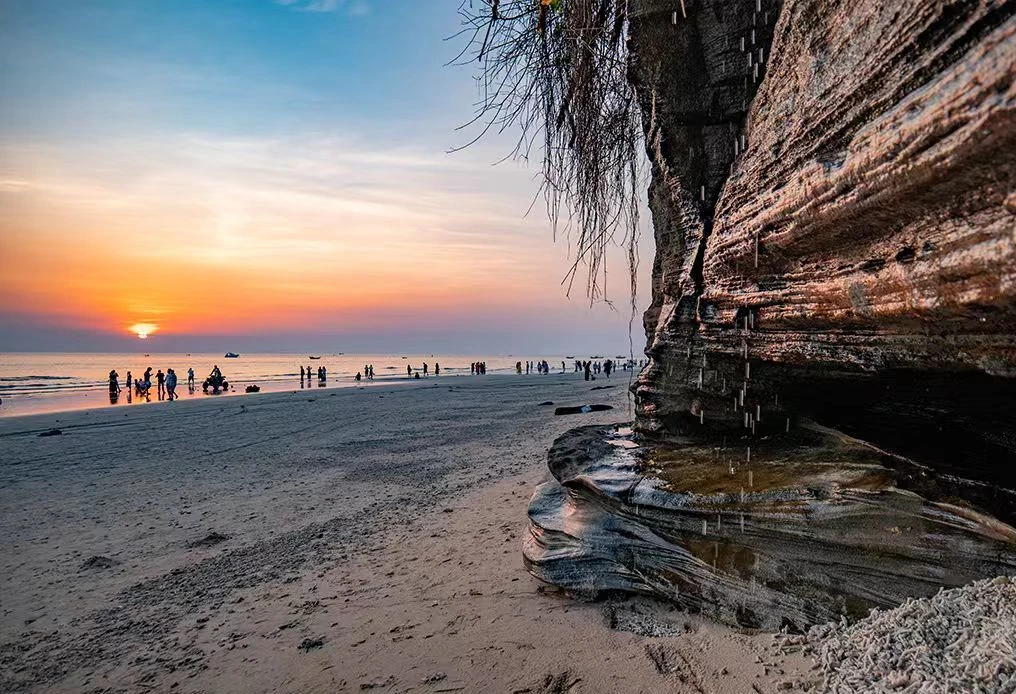
Basalt, fragmented volcanic deposits and marine erosion reveal how Weizhou’s coast was built and reshaped over time.
Corals, algae, sediment and heat shape Weizhou’s reefs; studies of small encounters and longer histories reveal a changing marine community.
ReadZhuhai Road’s merchant buildings reveal how shaded pedestrian space, narrow shopfronts and deep plots supported a port town.
Fishing work, family food traditions and the memory of resettlement shape this coastal town within Beihai.
Walls, wells, tombs and tiny beads offer different kinds of evidence for Hepu’s place in early maritime exchange.
On Weizhou, volcanic deposits, wave-cut shores and living coral communities ask to be read on different timescales.
At Shengtang on Weizhou Island, Gothic forms, local building materials and continuing faith meet in one village church.