From the journal

Weizhou’s Living Edge: What the Reef Studies Reveal

Corals, algae, sediment and heat shape Weizhou’s reefs; studies of small encounters and longer histories reveal a changing marine community.

In the same city · Beihai ↗
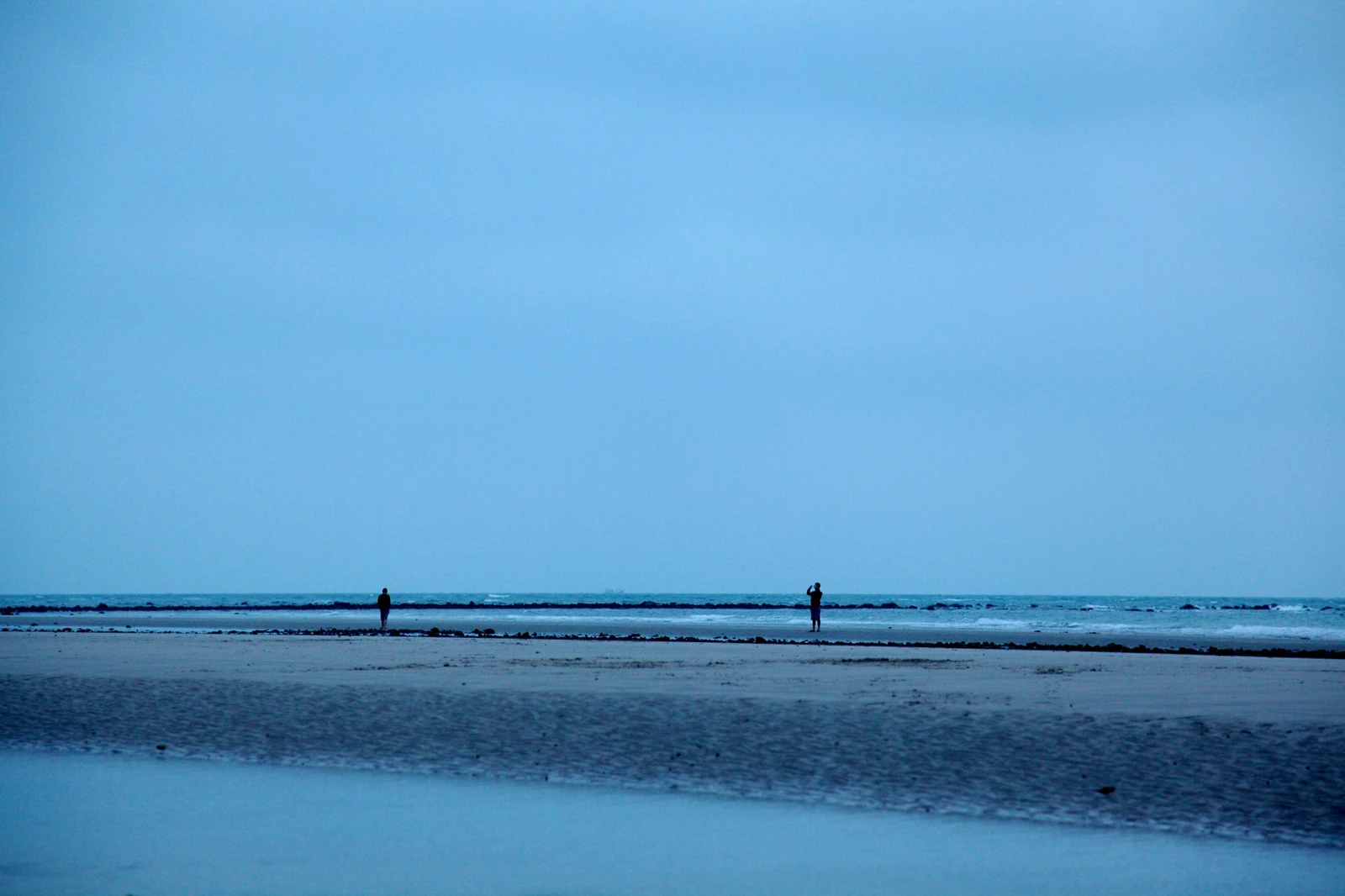
Two distant visitors stand on a broad tidal shoreline under a blue-toned sky.
Weizhou Island’s tidal shoreline, photographed on 2 May 2013.

A volcanic island with living reefs

Weizhou's volcanic rocks continue below a coast inhabited by living coral communities. Around the island, corals, algae, sediment and heat interact on scales ranging from a small patch of reef to changes extending across decades.

Research at different sites and dates reveals a varied marine landscape. The condition of one community can differ from another, while a survey records a particular period in that longer history. Together, the studies give the island's waters a depth that is difficult to see from shore.
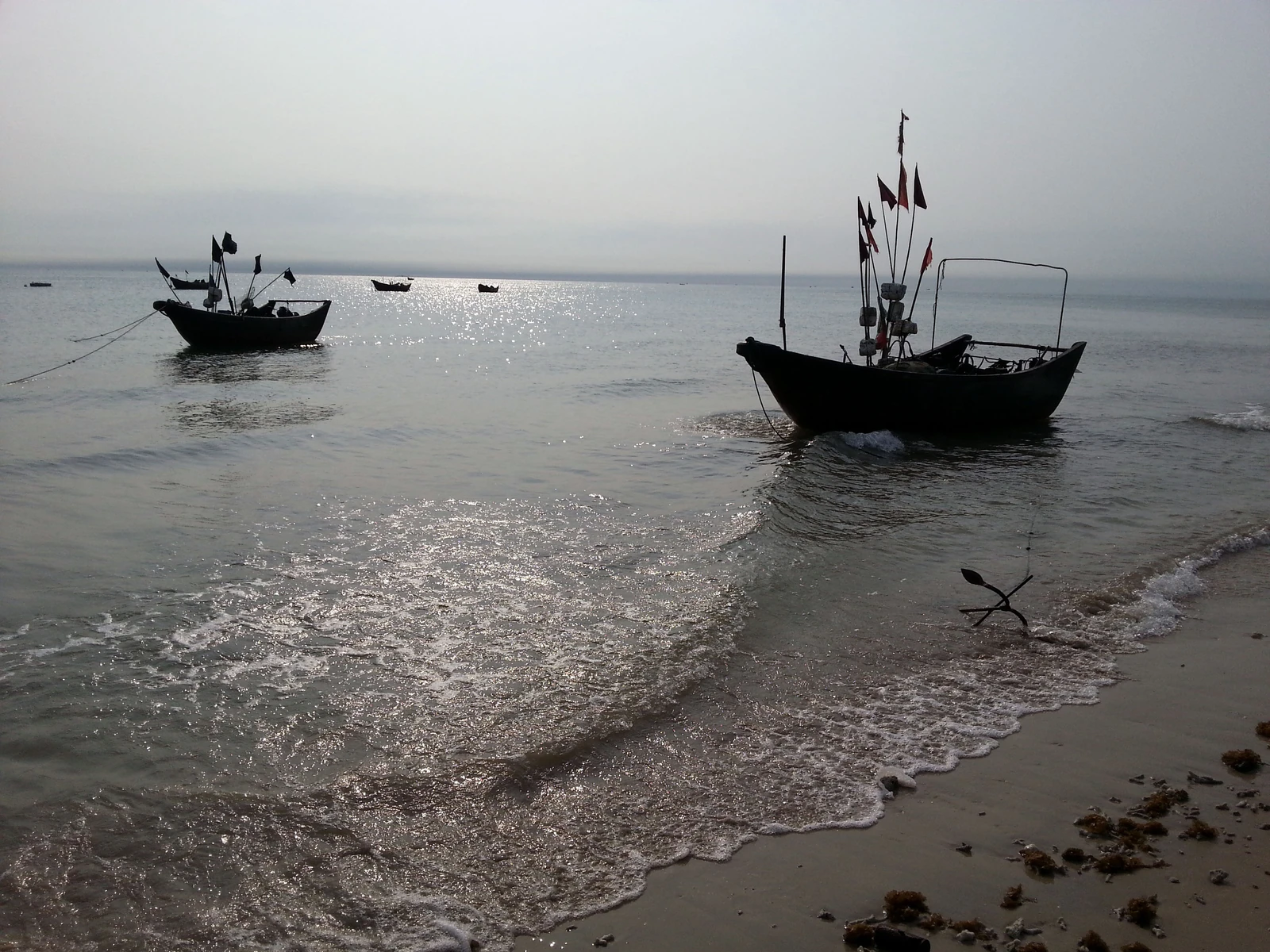
Small fishing boats float close to the shore beside waves and stranded seaweed.
The shoreline at Dishui village on Weizhou Island, identified in the photographer’s title, photographed on 2 April 2013.

Small boundaries, consequential encounters

A study published in 2019 examined coral-algal interactions using observations collected in October 2015. The relationship depended on the organisms involved. Sediment held within turf algae could intensify damaging interactions with corals.

At the boundary between living surfaces, a coating of algae and its trapped sediment can affect a coral's surroundings. The action is small, but its consequences belong to the larger reef. Different organisms and the material caught between them shape those encounters.

Bleaching during the heat of 2020

Research published in 2024 reports surveys conducted during August 2020 across several northern South China Sea locations. At Weizhou, the researchers recorded substantial coral bleaching, while mortality was much lower. Bleaching is a stress response; affected colonies can remain alive.

The survey also found differences among places and coral communities. Their composition mattered to the response. This documented episode shows how heat can affect the reef unevenly, with bleaching and mortality recording different parts of the event.

Longer records beneath the present

A study published in 2021 used uranium-thorium dating to reconstruct coral mortality and community change at Weizhou over a longer period. Reef-core research adds another timescale, examining growth across centuries.

These records carry the reef's history beyond the span of an individual survey. Communities and growth conditions have changed over time, leaving material traces from which researchers reconstruct earlier conditions. A clear day at sea is one moment within that much longer record.

A living surface

Wider environmental pressures and local disturbance meet at the reef. Corals are living organisms, and standing on, handling or collecting them can damage the surfaces through which that community grows.

Observing marine life without contact, and following current local conservation instructions, leaves those surfaces undisturbed. Weizhou's coastal life is a changing part of the island, sustained through relationships that continue beneath the scenic view.

Continue exploring · Weizhou Island ↗
Photo credits and rights
  1. Tidal shoreline on Weizhou Island. The exact beach and the nature of the exposed rock lines are unconfirmed. Source-reported photograph date: 2013-05-02.Lun Joe · CC BY 2.0 Photo source ↗ Rights information ↗ Resized and converted to WebP; full composition retained.
  2. The shoreline at Dishui village on Weizhou Island, identified in the photographer’s title, photographed on 2 April 2013.DvYang · CC BY-SA 2.0 Photo source ↗ Rights information ↗ Resized and converted to WebP; full composition retained.