From the journal

Qiaogang: A Fishing Town Rebuilt After Migration

The story behind Qiaogang’s food streets begins with families arriving from Vietnam and continues through changing forms of maritime work.

In the same city · Beihai ↗
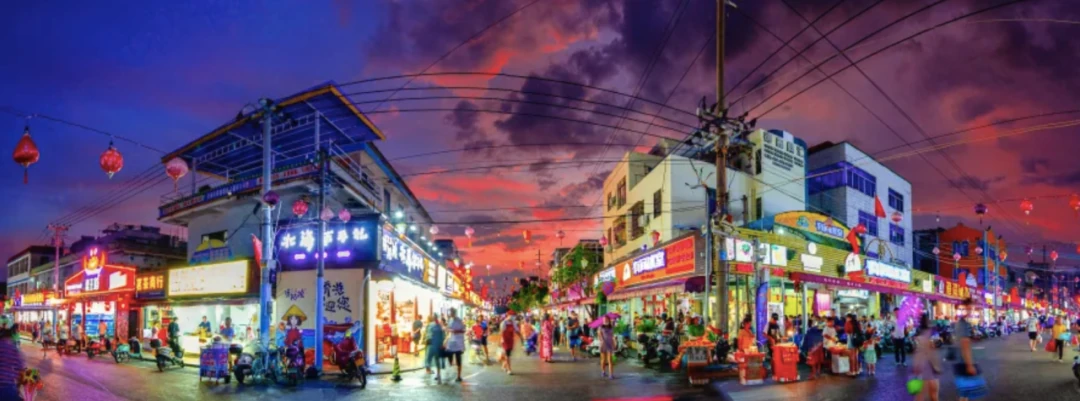
People and lit food shops fill a Qiaogang street intersection beneath a vivid evening sky.
An evening commercial street in Qiaogang, published by CNTO Singapore and credited there to the scenic area.

A date behind the place name

Qiaogang's history is unusually close to the present. The town was established in 1979 to settle returned overseas Chinese from Vietnam. Official reporting dates its founding to 2 June and records more than 7,700 arrivals during the settlement period.

The founding date places Qiaogang’s history within living memory; families carry different experiences of displacement, resettlement and work.
Residents remembering arrival

Residents' recollections in published accounts preserve arrival, housing and the rebuilding of livelihoods. The town's founding enters history through experiences lived by particular people.

Work and family life continue beyond that arrival. The harbour and commercial streets belong to a town that grew through resettlement and has kept taking new forms as livelihoods changed.

Fishing is more than a picturesque harbour

A 2022 report on Qiaogang follows the changing fishing livelihood and the development of cold-chain, processing and online commerce. It includes a former idle factory adapted for e-commerce near Dianjian wharf. These details locate the town in a contemporary economy rather than freezing it at the moment of settlement.

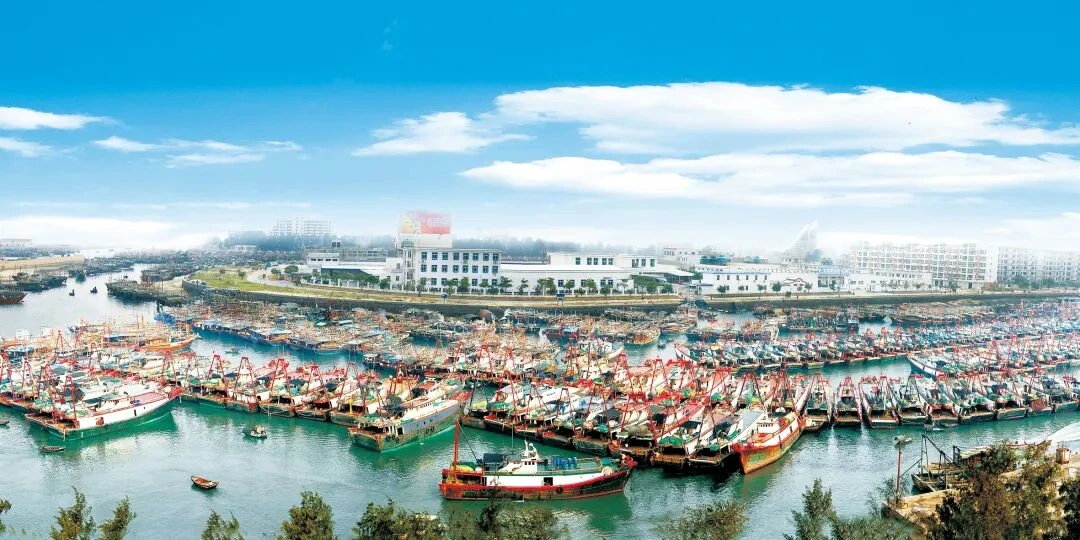
Boats, landing areas and cold storage connect catching with handling, sale and transport, linking harbour work to the seafood served in town.

Numerous fishing boats are moored closely together in a harbour beside the town.
Qiaogang’s fishing harbour, pictured in CNTO Singapore’s Beihai itinerary. The densely moored working boats help place the town’s fishing economy alongside its better-known food streets. Capture date unconfirmed.

Food preserves relationships as well as flavours

The local intangible-heritage centre connects Qiaogang's rice rolls with maritime communities and exchanges with Vietnam. The 1979 settlement of returned overseas Chinese gave the food a new concentration in Beihai; the earlier timing of its introduction remains uncertain in the account.

Families carried methods of preparation, adapted ingredients and taught a younger generation. Neighbours and customers also took part in its local development, giving an everyday dish a relationship across the sea.

A Town Still Taking Shape

Qiaogang’s history continues through changing livelihoods and younger residents’ choices, beyond the founding and resettlement that shaped the town.

Continue exploring · Qiaogang ↗
Photo credits and rights
  1. An evening street scene in Qiaogang, published by the China National Tourist Office in Singapore and credited there to the scenic area. The image shows a contemporary commercial streetscape, not an archival scene of the town’s founding. Capture date unconfirmed.Scenic area, via China National Tourist Office in Singapore · Rights information Photo source ↗ Resized and converted to WebP; full composition retained.
  2. Qiaogang’s fishing harbour, pictured in CNTO Singapore’s Beihai itinerary. The densely moored working boats help place the town’s fishing economy alongside its better-known food streets. Capture date unconfirmed.China National Tourist Office in Singapore; photographer not stated · Rights information Photo source ↗ Resized and converted to WebP; full composition retained.