Five buildings, one hillside
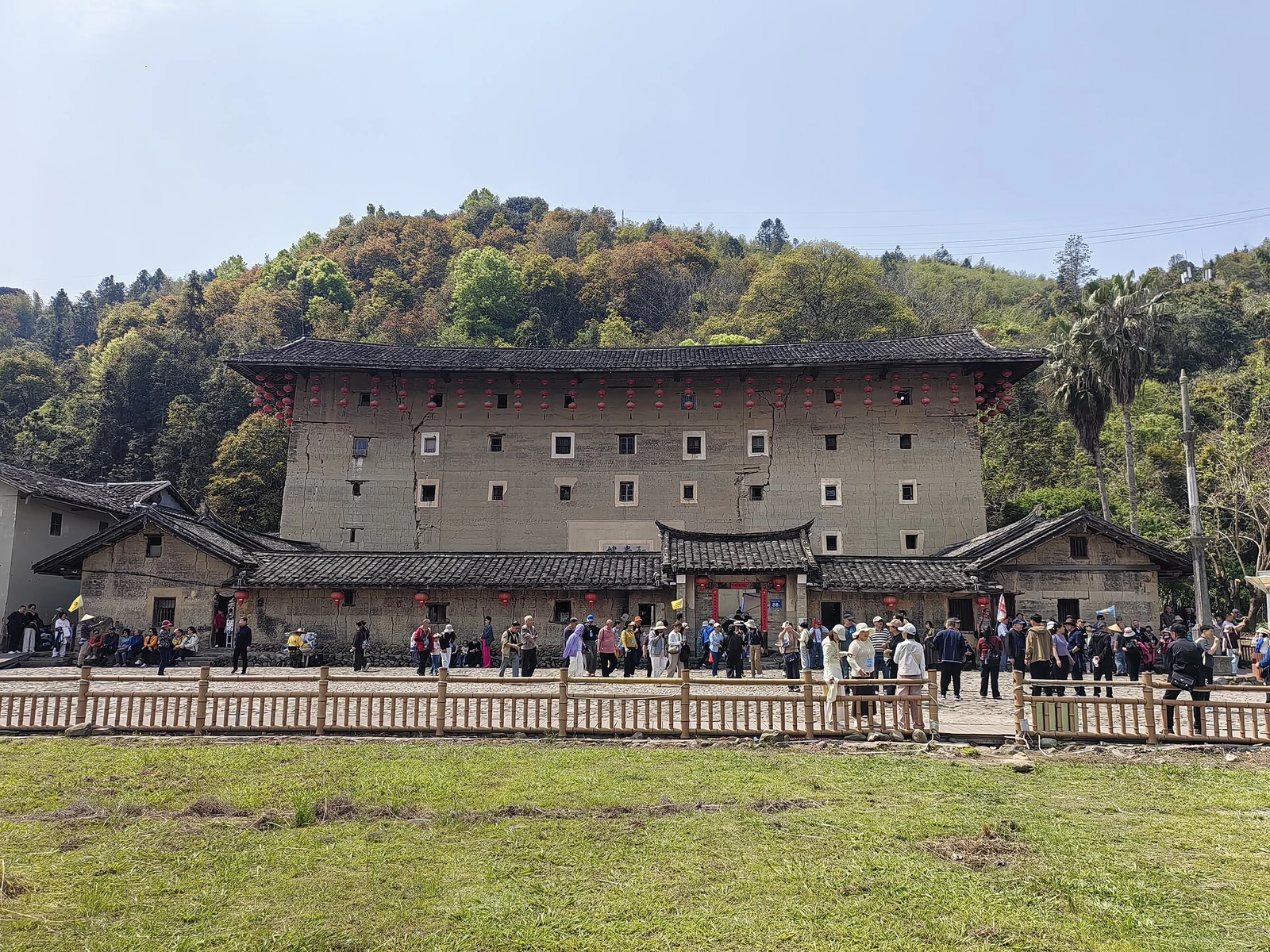
Read Tianluokeng’s five tulou through their different shapes, hillside positions and relationship with the farmland beyond the famous overview.
Zhangzhou names both an urban centre and a wider prefecture with strikingly different landscapes. Its historic city invites attention to stone archways, narrow houses and commercial thresholds. Inland, Tianluokeng, Hekeng and the Yunshuiyao area reveal distinct relationships between earthen buildings, slopes and water. On Dongshan Island, livelihoods and devotion face a working sea. Glove puppetry adds another scale entirely: a character brought to life through the movement of a trained hand. The connections emerge through materials, skills and shared spaces rather than a single signature monument.
Read Tianluokeng’s five tulou through their different shapes, hillside positions and relationship with the farmland beyond the famous overview.
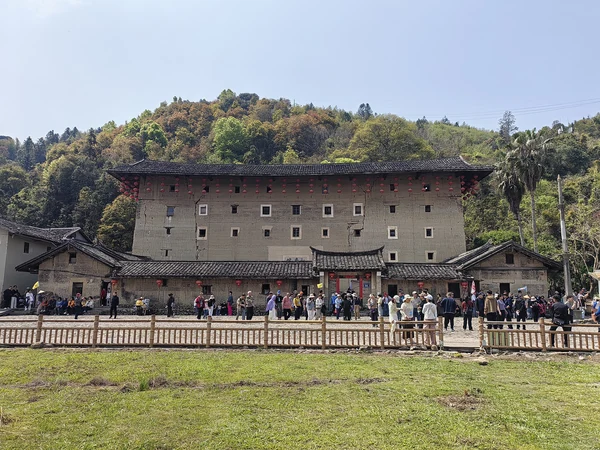
Examine Hegui Lou through its timber foundations, rammed-earth walls and inner school, revealing the construction knowledge behind a five-storey tulou.
Read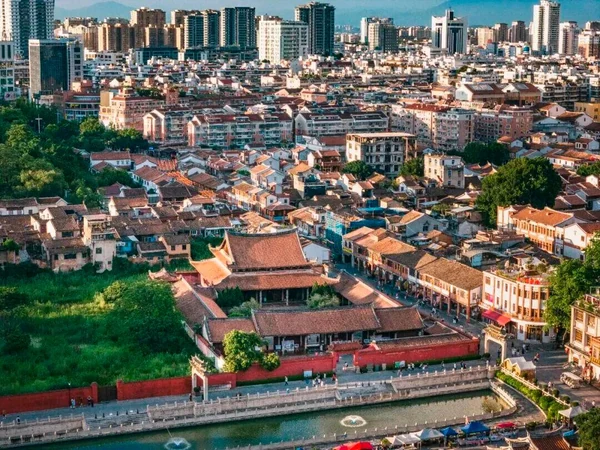
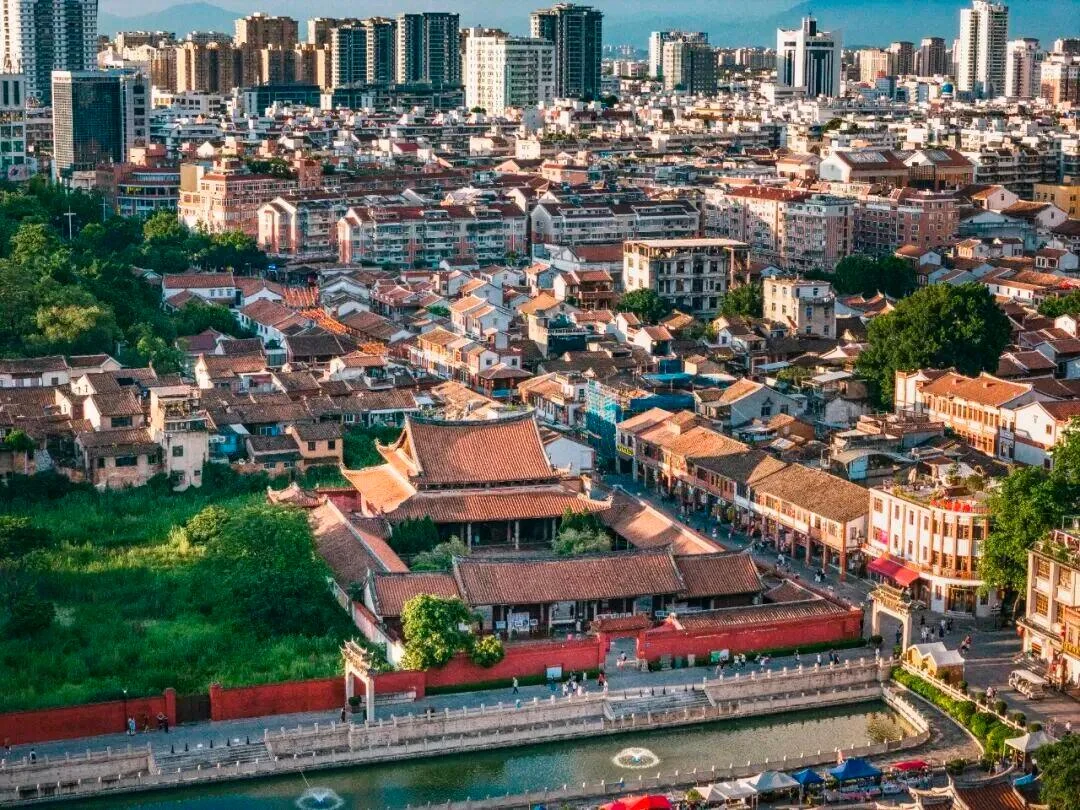
Read Zhangzhou Ancient City through stone archways, the Confucian Temple, narrow houses and shopfronts that bring several urban histories into one walk.
Read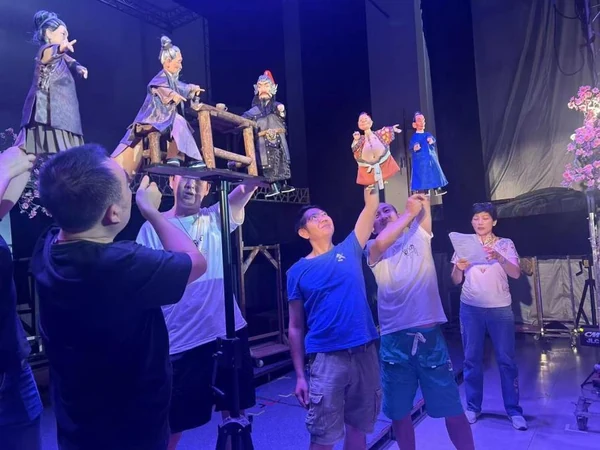
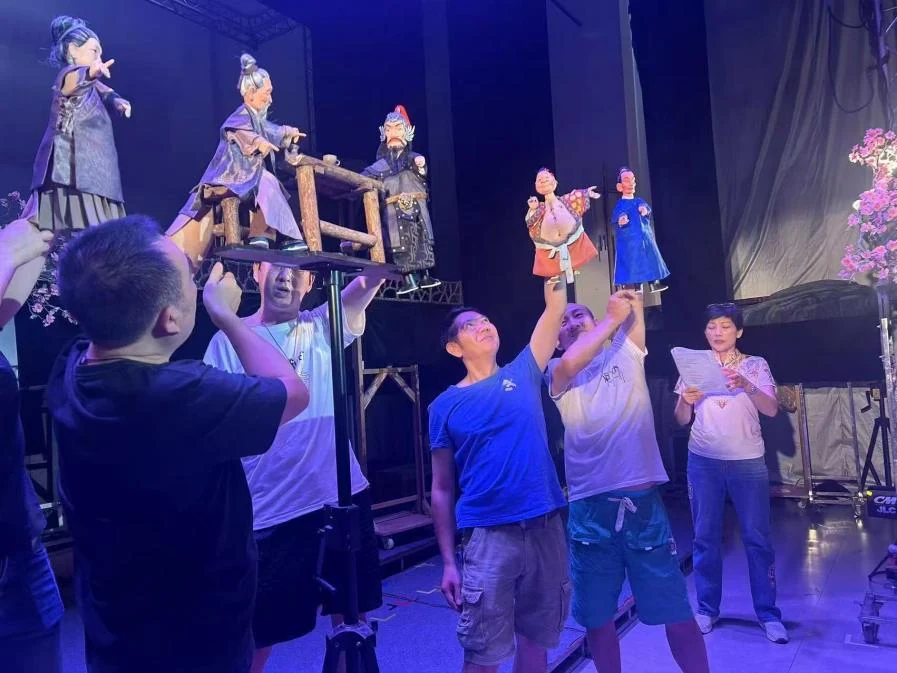
Discover Zhangzhou glove puppetry through finger technique, carved heads, martial movement and the patient training that gives a small figure dramatic life.
Read
Explore Dongshan Island through fisheries, Tongling’s old streets and the ceramic roof sculpture and continuing devotion of its Guandi Temple.
ReadA working island coast with a dense maritime town and a Guandi temple distinguished by ceramic roof sculpture.
Five earthen buildings form a recognizable hillside group whose terrain is as important as its geometry.
A stream-linked village with earthen buildings of several shapes, extending beyond its thirteen listed tulou.
A riverside village landscape where a cinematic name meets banyan shade, earthen buildings and changing livelihoods.
A five-storey earthen building whose concealed timber foundations and inner school reveal different kinds of ingenuity.
A historic centre where stone monuments, narrow houses and shopfronts bring civic memory close to everyday streets.