Wuyishan in Layers: Rock, River, Tea and Learning
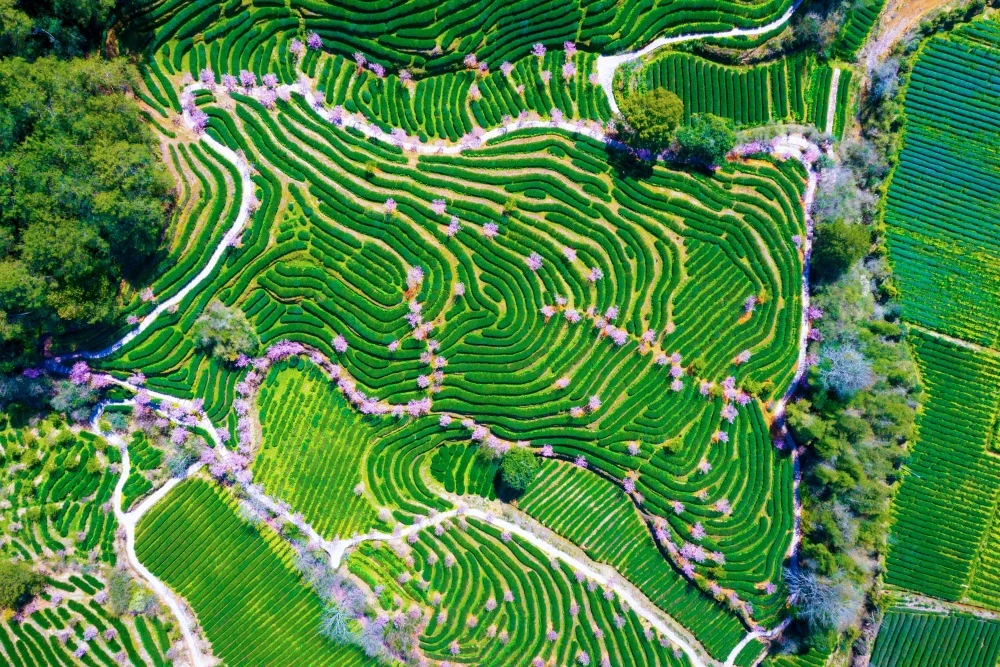
Wuyishan’s red cliffs and winding water become richer when geology, tea gardens and the history of learning are read together.
Nanping brings several kinds of attention together: watching water turn between Wuyishan’s cliffs, following a tea leaf through skilled processing, considering an academy’s setting, and turning a Jian bowl towards the light. These stories cross between work, nature and learning while remaining rooted in particular places.
Wuyishan’s red cliffs and winding water become richer when geology, tea gardens and the history of learning are read together.
From bamboo trays to slow roasting, Wuyi rock tea joins growing conditions, leaf variety and skilled judgment in a distinctive oolong tradition.
Read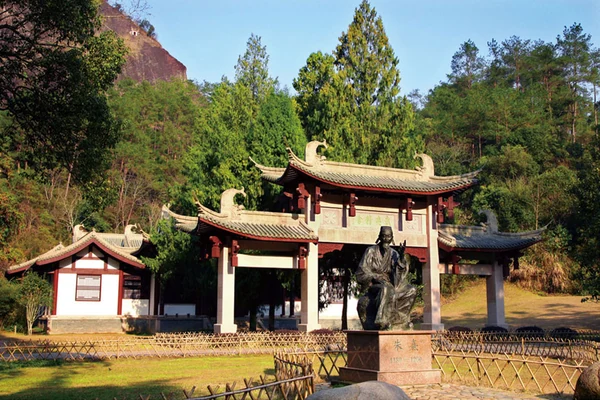
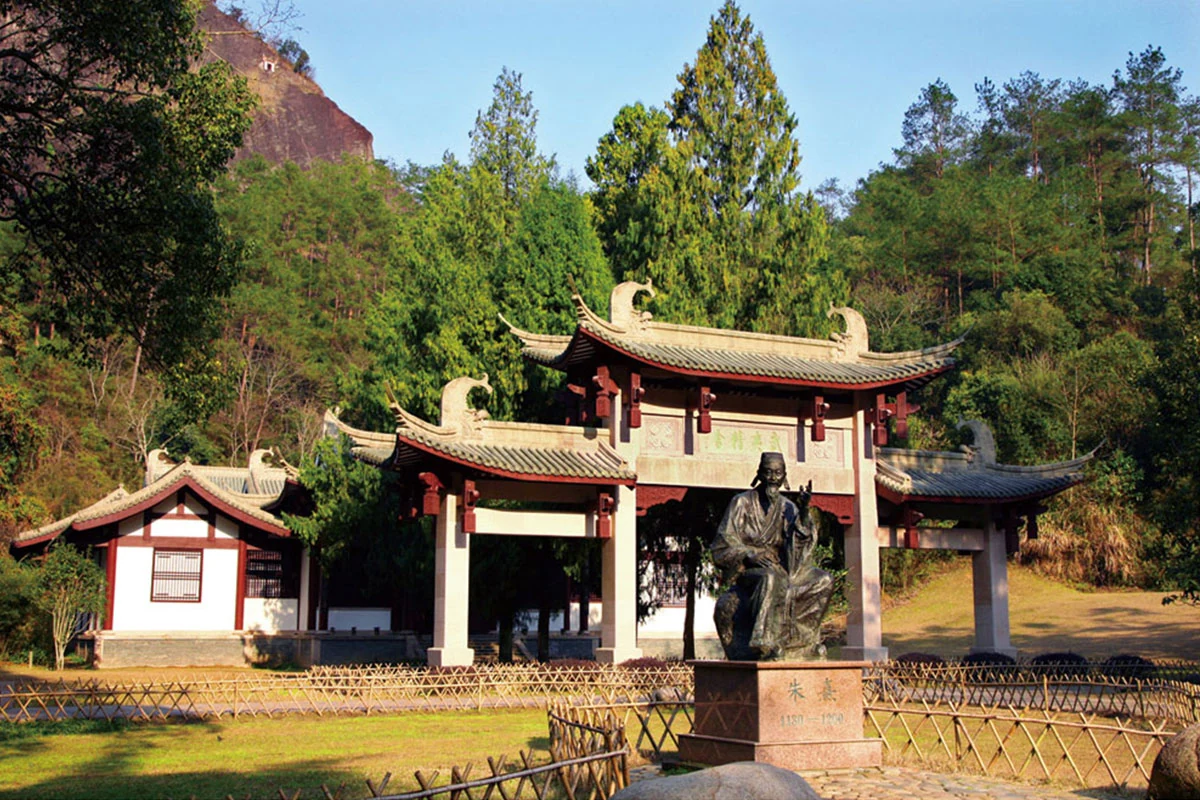
Wuyi Jingshe connects a riverside place to Zhu Xi’s teaching, the Four Books and a tradition of close attention to the world.
Read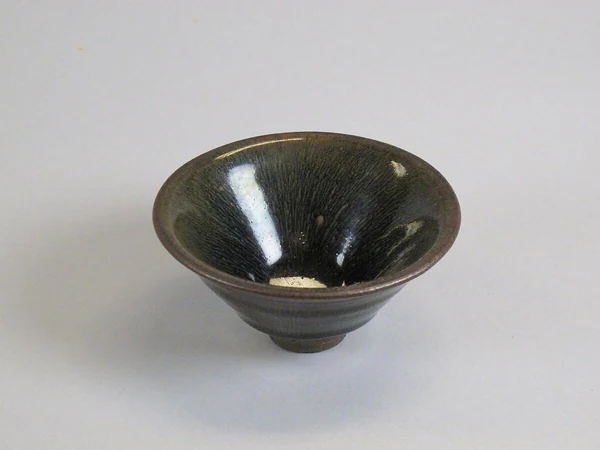
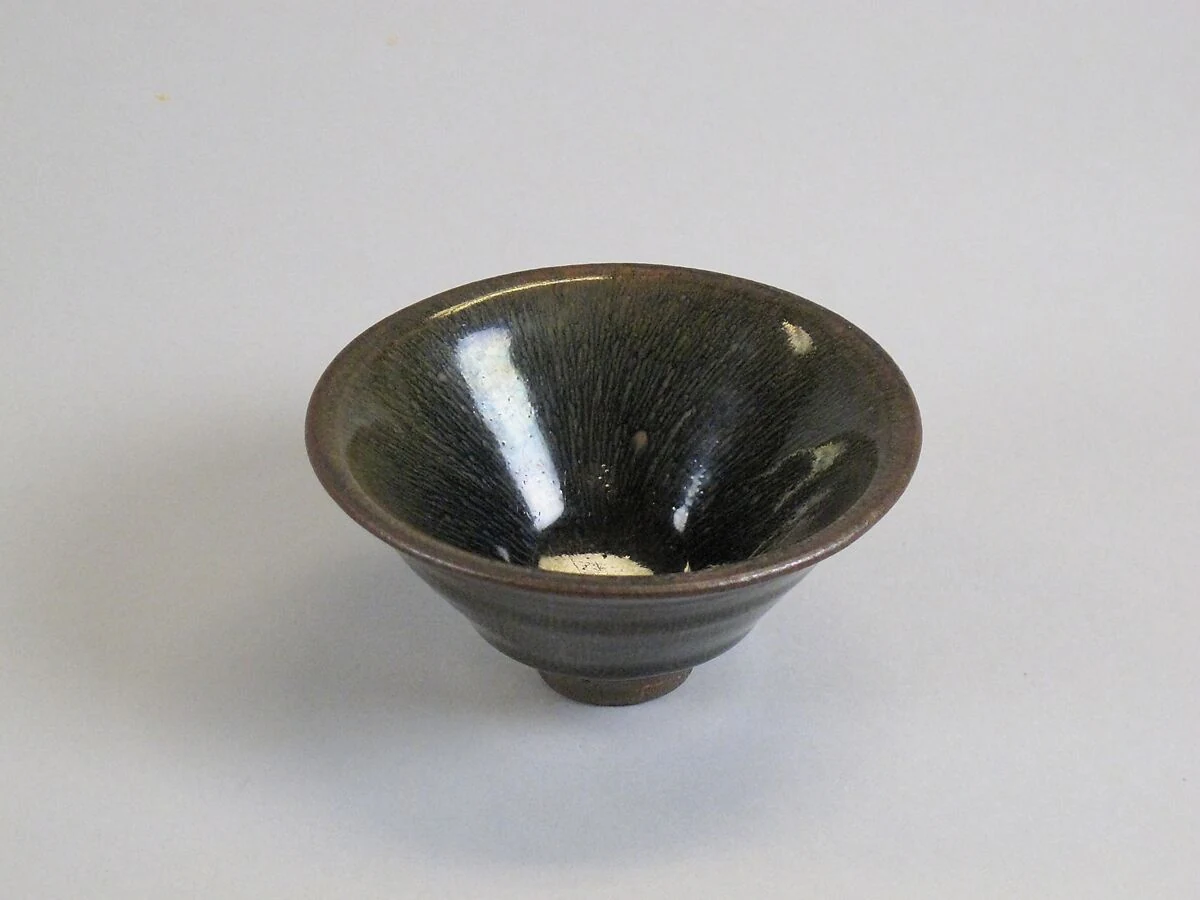
Hare’s-fur glaze, a dark exposed foot and a wide mouth connect Jianyang’s tea bowls to Song drinking practices and a continuing craft.
ReadRed cliffs, winding water, tea and teaching sites give Wuyishan a richly layered mountain landscape.
Jiuquxi’s river-level views reveal Wuyishan’s cliffs through a changing sequence of bends.
Tianyou’s elevated views make the Nine-Bend Stream and surrounding terrain easier to understand together.
Xiamei’s waterside lanes and carved residences preserve the local imprint of long-distance tea trade.
Tongmu connects Wuyi black tea with a working village and protected forest landscape.
Jianyang’s Jian-ware tradition links dark-glazed bowls to the material history of tea.