Hanzhong.

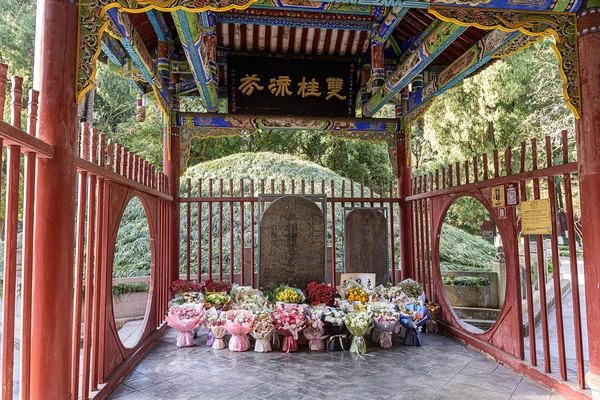
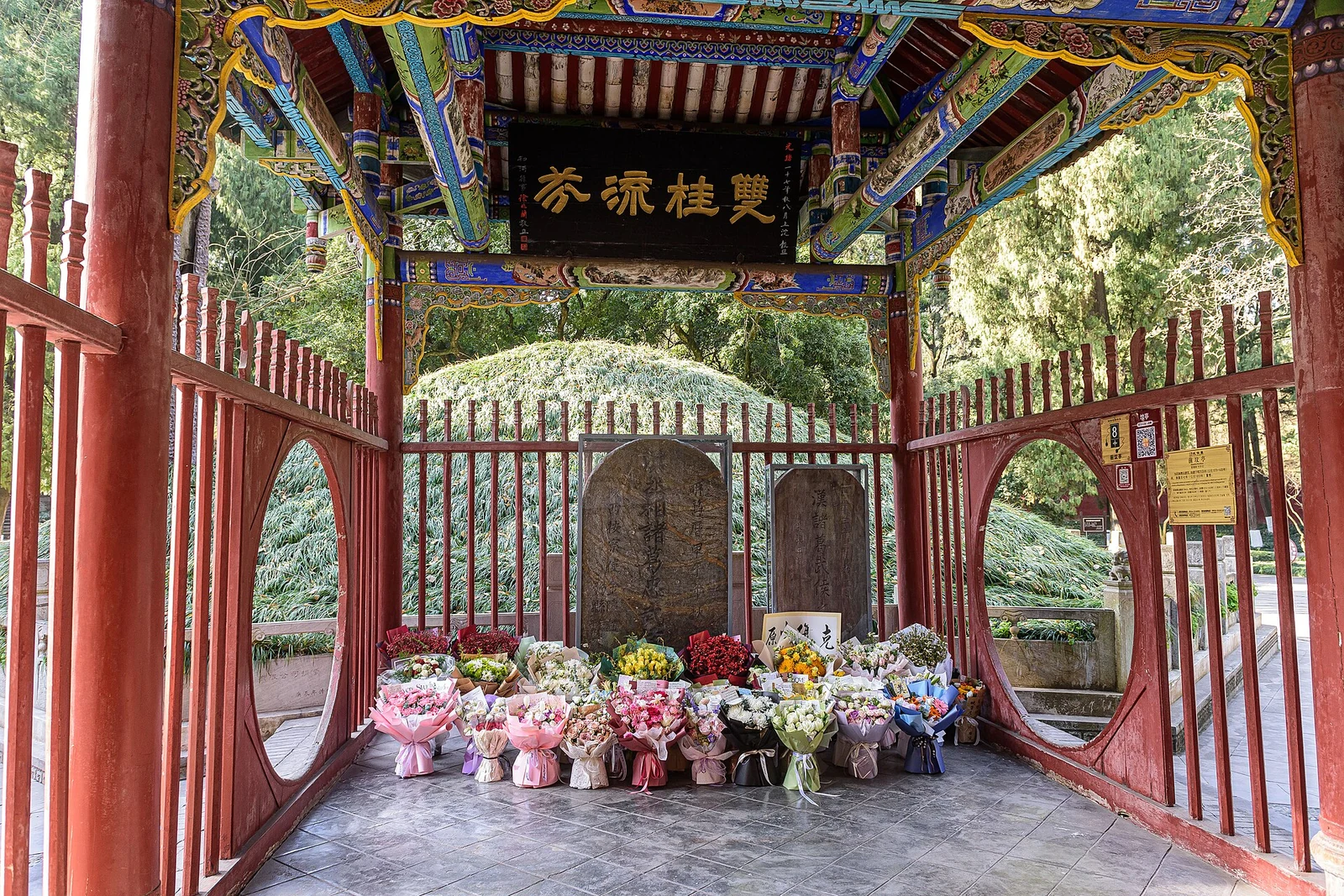
Hanzhong belongs to the southern Qinba mountain belt, south of the Qinling that Shaanxi calls China's north–south climate divide. Rivers here feed the Yangtze system. Ancient corridors from Chang'an crossed the range on cliff-hung plank roads; Mian County keeps Zhuge Liang's burial on Dingjun Mountain apart from the nearby temple town.
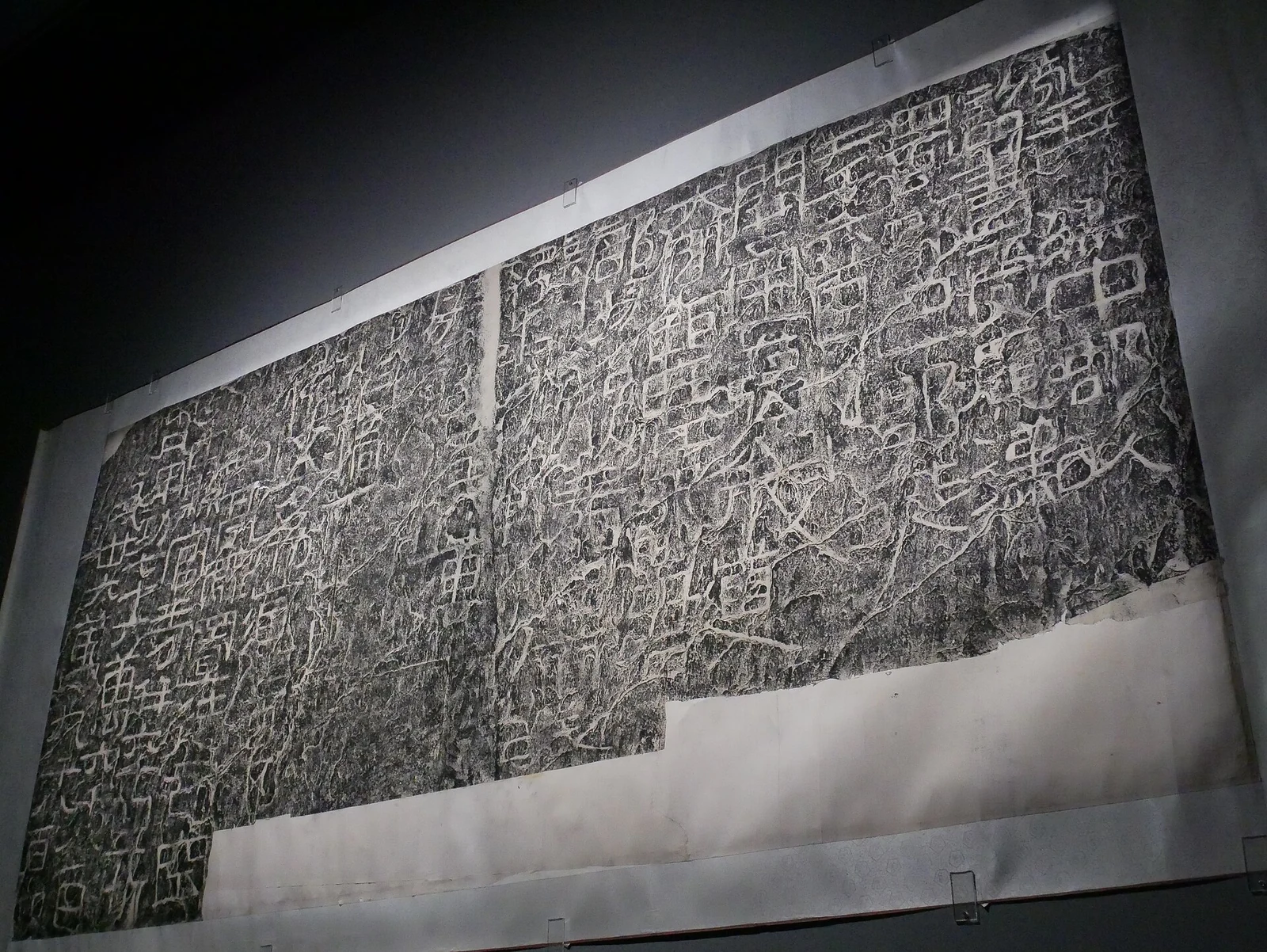
A rubbing of the Han inscription recording the opening of the Baoxie road in 63 AD

Hanzhong

A rubbing of the Han inscription recording the opening of the Baoxie road in 63 AD

Road through the Qinling

Baoxie plank road cut cliffs with holes, posts and boards—one of four named Hanzhong crossings south from Chang'an.

Hanzhong belongs to the southern Qinba mountain belt, south of the Qinling that Shaanxi calls China's north–south climate divide. Rivers here feed the Yangtze system. Ancient corridors from Chang'an crossed the range on cliff-hung plank roads; Mian County keeps Zhuge Liang's burial on Dingjun Mountain apart from the nearby temple town.

Read

Hanzhong

Hanzhong belongs to the southern Qinba mountain belt, south of the Qinling that Shaanxi calls China's north–south climate divide. Rivers here feed the Yangtze system. Ancient corridors from Chang'an crossed the range on cliff-hung plank roads; Mian County keeps Zhuge Liang's burial on Dingjun Mountain apart from the nearby temple town.

Photo credits and rights
  1. A rubbing of the Han inscription recording the opening of the Baoxie road in 63 AD氏子 / CC BY-SA 4.0 · CC BY-SA 4.0 Photo source ↗ Rights information ↗
  2. The tomb of Marquis Wu inside its pavilion on Dingjun Mountain · Wuhou Tomb and Temple, HanzhongN509FZ / CC BY-SA 4.0 · CC BY-SA 4.0 Photo source ↗ Rights information ↗