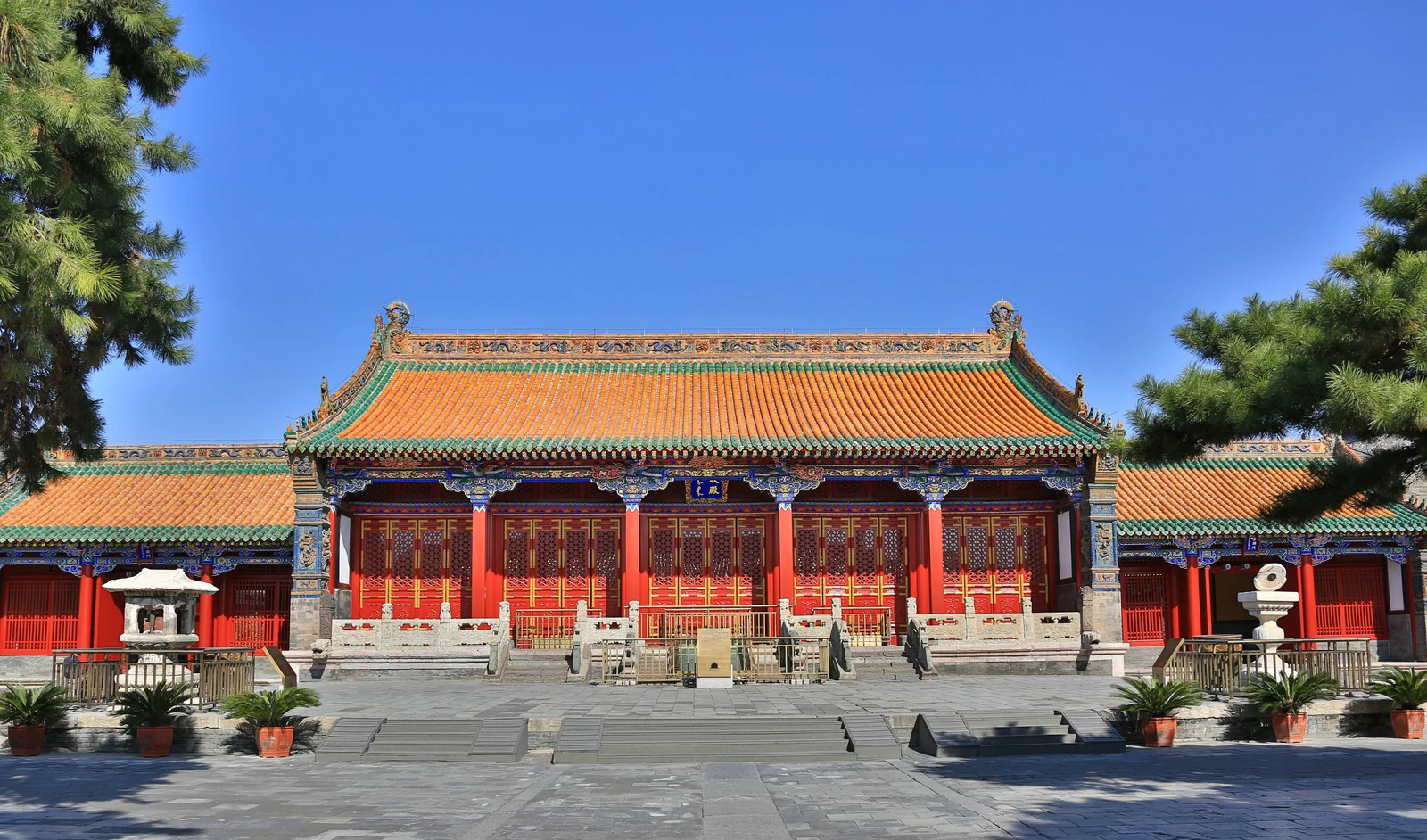
A Palace Built in Three Different Times
Shenyang’s imperial palace changes character from east to west. Its ceremonial court, raised residence and later library explain why.
A palace can explain how a government was organized; a foundry can preserve the knowledge of the people who operated it. Shenyang offers both kinds of evidence. Its imperial complex and two royal tombs belong to the formative history of the Qing dynasty, while the Zhang residence, wartime museums and Tiexi’s industrial buildings lead into a more turbulent modern era.
The city also asks for attention at a smaller scale: an off-centre palace door, the curve of a jade object, a restored photographic studio or a bowl of Xita cold noodles. These details connect institutions to household routines and neighbourhood life. Court ritual, workshop practice and community life give these surviving spaces their different meanings.
Shenyang’s imperial palace changes character from east to west. Its ceremonial court, raised residence and later library explain why.
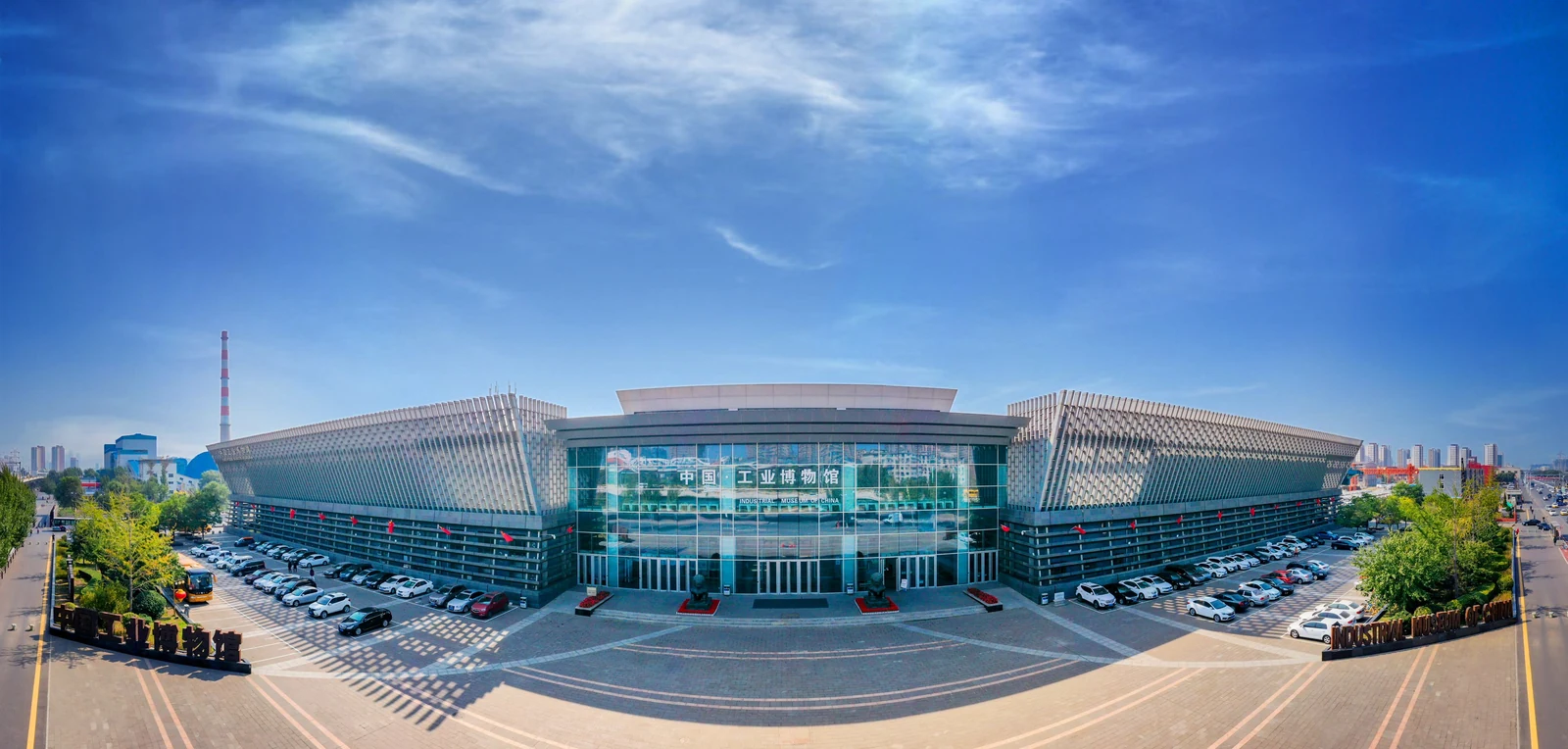
A former foundry makes more sense when the machinery is read through the problems its workers had to solve.
Three building groups preserve different stages of the early Qing court and its later life as an ancestral palace.
Nurhaci’s tomb climbs a wooded hillside, making terrain part of its ceremonial approach.
Hong Taiji and Empress Xiaoduanwen’s mausoleum survives inside a much larger public park.
Regional archaeology and a far-reaching art collection meet in a museum where provenance matters as much as appearance.
Courtyard houses and imposing brick mansions show how political office and family life occupied the same compound.
A broken calendar and a displaced wartime monument reveal different ways of recording the events of 1931.
Surviving camp buildings connect Shenyang’s industrial wartime history with prisoners’ journeys across Asia.
A former foundry in Tiexi makes industrial work visible through workshop space, machines and workers’ technical decisions.
Cold noodles are one entry into a Korean-Chinese neighbourhood with its own businesses, homes and cultural institutions.
Historic commercial buildings and newly interpreted lanes sit beside contemporary retail on Shenyang’s old shopping street.