Beizhen Temple: Giving a Mountain an Audience
Ordered halls and inscribed stone reveal how a landscape became a participant in imperial ritual.
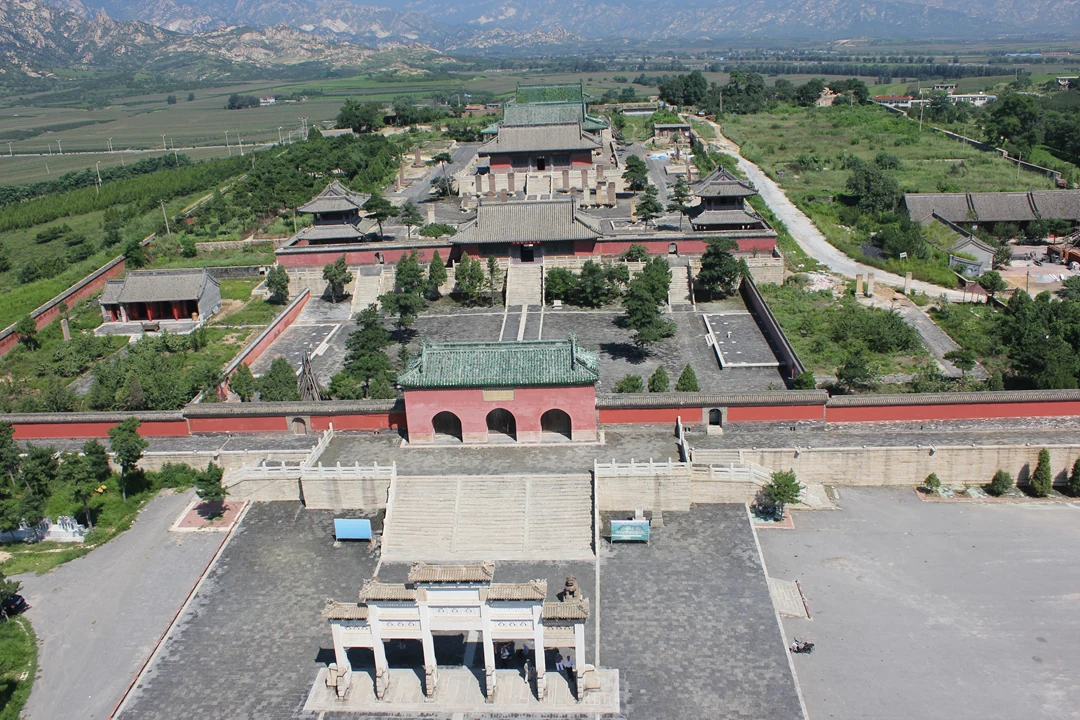
Beizhen Temple makes the political importance of a mountain visible in halls, gateways and inscribed stone. Its north–south sequence directs attention toward the deity, while surviving stelae record successive acts of honour and repair. Some former subsidiary buildings, including the Qing imperial lodge, remain as archaeological foundations.
Ordered halls and inscribed stone reveal how a landscape became a participant in imperial ritual.