Qianshan: Pines, Stone and the Shape of a Mountain
A rock cleft, a named pine and a terrace beneath a temple roof offer three scales for reading Qianshan. The pear-growing country adds a fourth: a mountain landscape that also produces a harvest.
Anshan’s industrial identity is unusually tangible: a former sintering workshop houses Angang Museum, while tools and production records explain the skills behind rails and tubes. Beyond the industrial city, Qianshan’s named rocks and pines form a landscape shared by Buddhist monasteries and Daoist establishments. Xiuyan Manchu Autonomous County, within Anshan, brings the scale down to a vessel wall or a moving jade link. Tanggangzi adds a history of hot-water bathing and sanatorium architecture. These places share a city-level destination but tell distinct stories, from factory work to mountain worship and the decisions of individual carvers.
A rock cleft, a named pine and a terrace beneath a temple roof offer three scales for reading Qianshan. The pear-growing country adds a fourth: a mountain landscape that also produces a harvest.
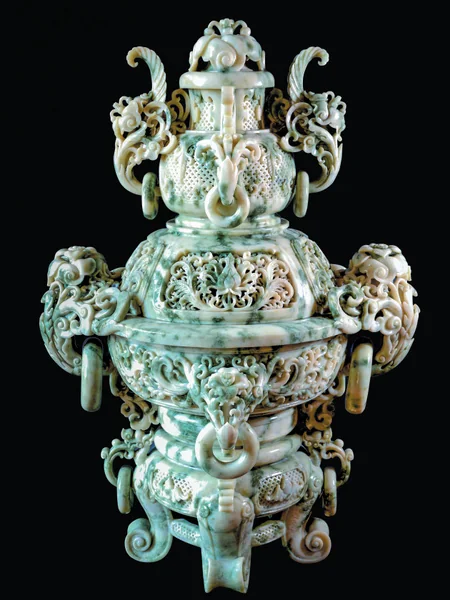
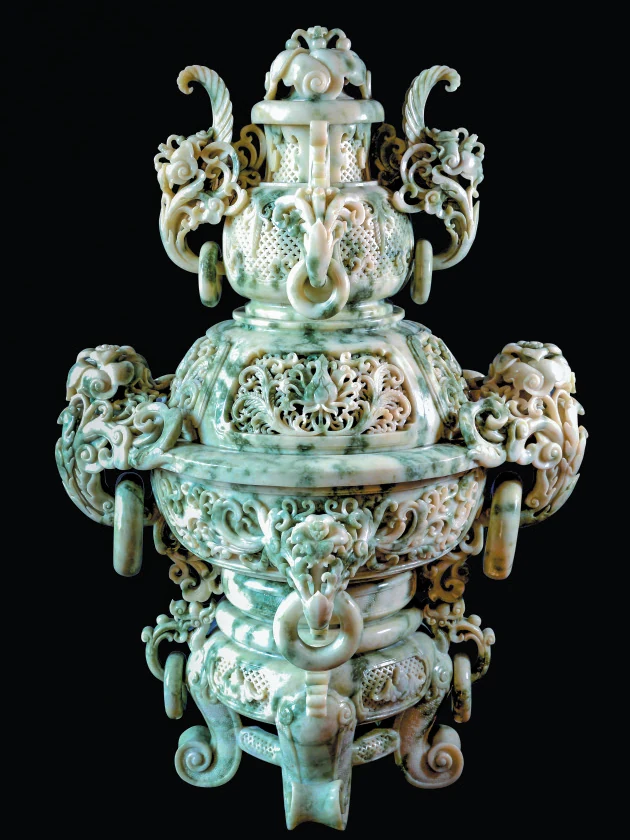
A lid that fits, a thin vessel wall and a chain that moves all begin with decisions about what to leave in a block. Xiuyan’s carvers make those decisions visible.
Read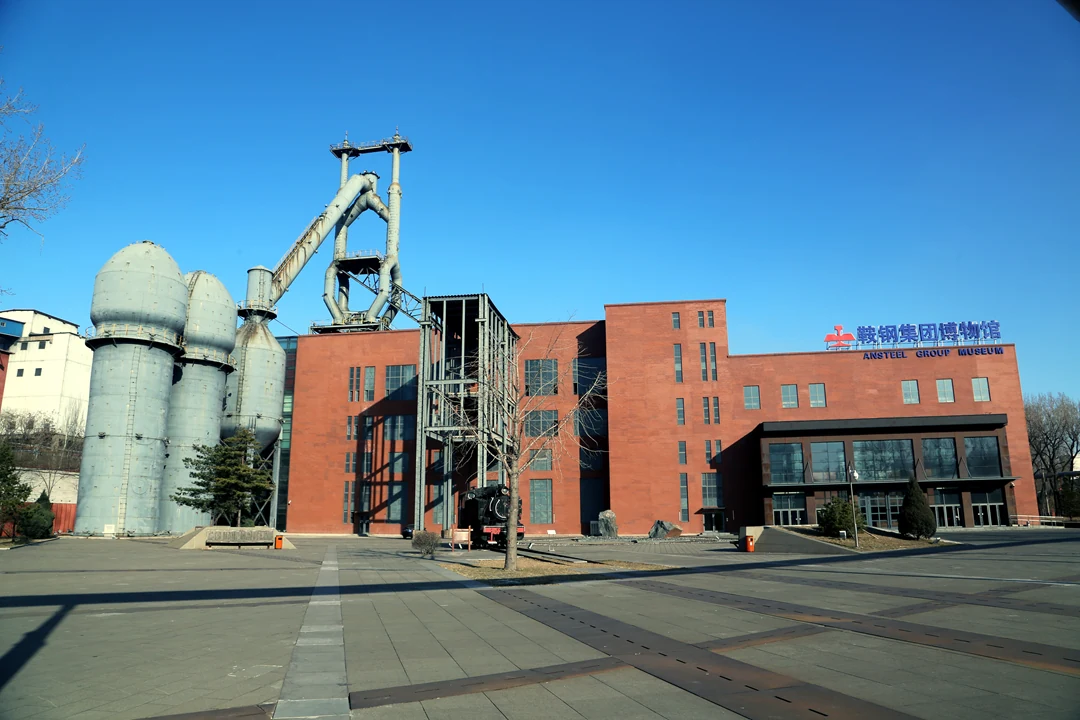
A sintering machine, a relocated furnace and a worker’s tool fixture tell different parts of Anshan’s industrial history. Together they explain how production depended on judgement as well as scale.
Named crags, pine trees and narrow rock passages make Qianshan a mountain landscape shaped by both natural forms and religious use.
A former industrial workshop turns the making of steel into a story of machines, judgement and the city built around their work.
Xiuyan’s jade-carving tradition makes a county’s material culture visible in hollow vessels, openwork and links cut from stone.
Tanggangzi brings together geothermal water, historic villas and a twentieth-century institution devoted to rehabilitation and convalescence.