The River beneath the Mountain
At Benxi Water Cave, water has two apparently opposite jobs: making space in limestone and building stone within it.
Steelmaking belongs to Benxi’s identity, but so do the wooded hills beyond its urban centre. In Benxi Manchu Autonomous County, an underground river passes through limestone at the Water Cave, while the Tanghe valley opens into Guanmenshan’s seasonal forest. Farther east, Huanren Manchu Autonomous County holds Wunushan, a mountain city of the ancient Koguryo kingdom. Both counties belong to the prefecture-level city of Benxi, extending its cultural geography across the mountain region.
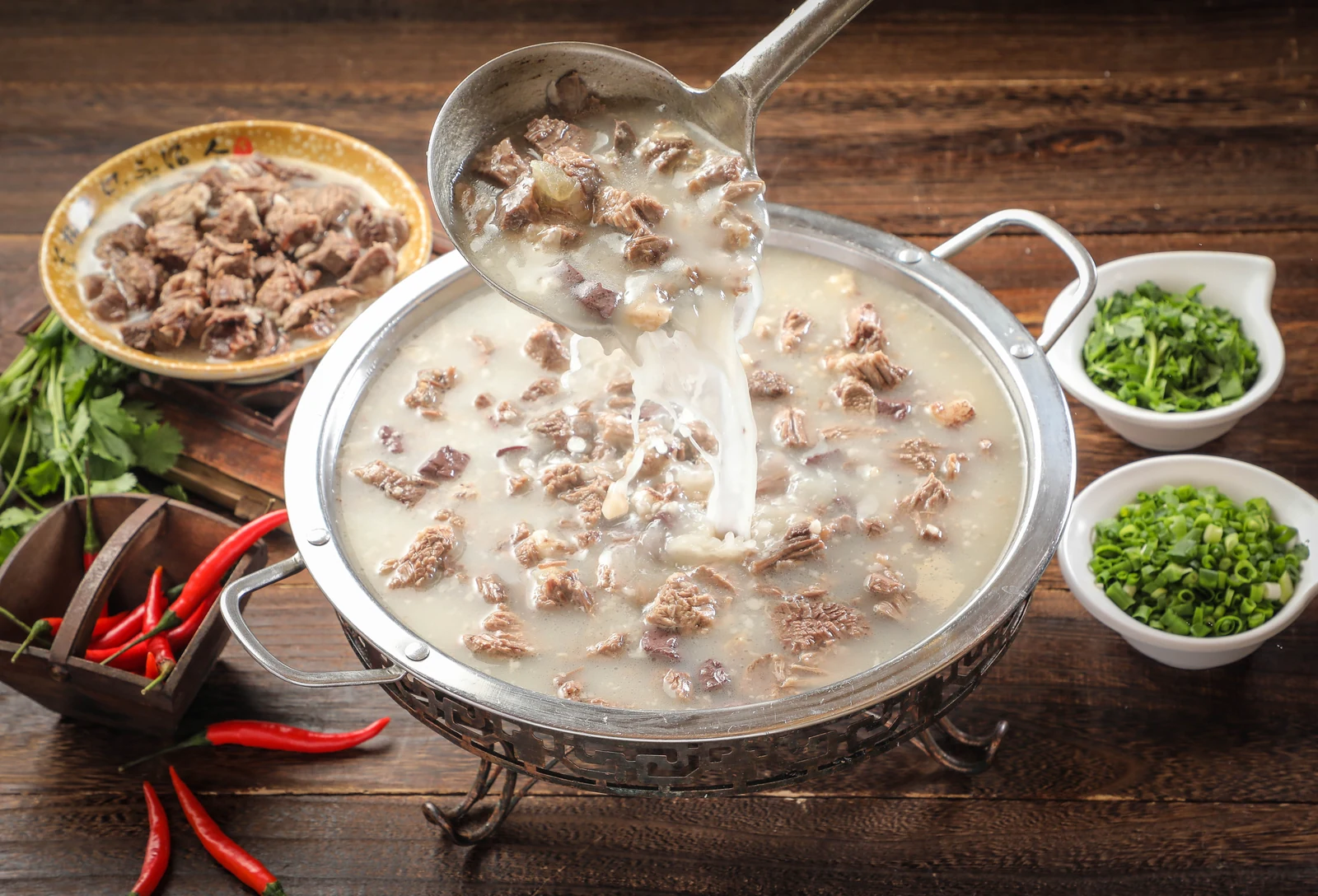
The smaller stories are equally revealing. Liao inkstone makers work with the colour and texture of local stone. Xiaoshi’s goat soup depends on hours at the cauldron, and Huanren’s eight-bowl banquet carries a tale about the obligations of a host. These are different ways of turning the resources of a mountain region into buildings, objects and meals.
At Benxi Water Cave, water has two apparently opposite jobs: making space in limestone and building stone within it.
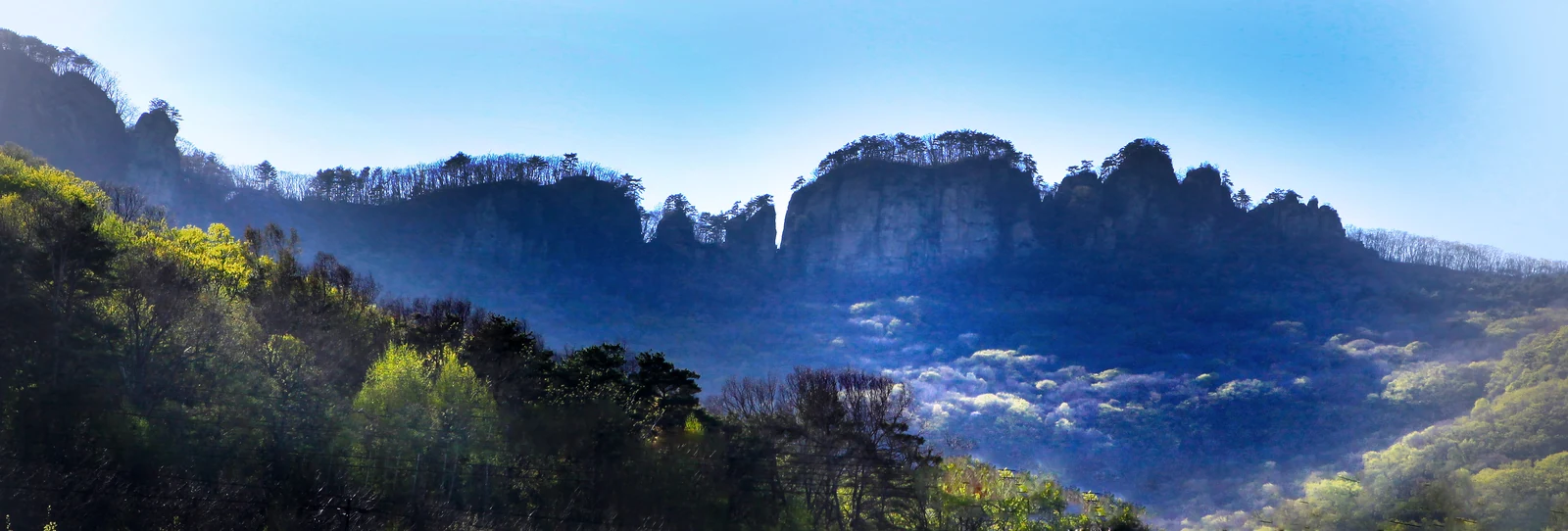
Wunushan’s cliffs were part of its architecture. Archaeology shows how a Koguryo city fitted defenses and buildings to a difficult site.
Read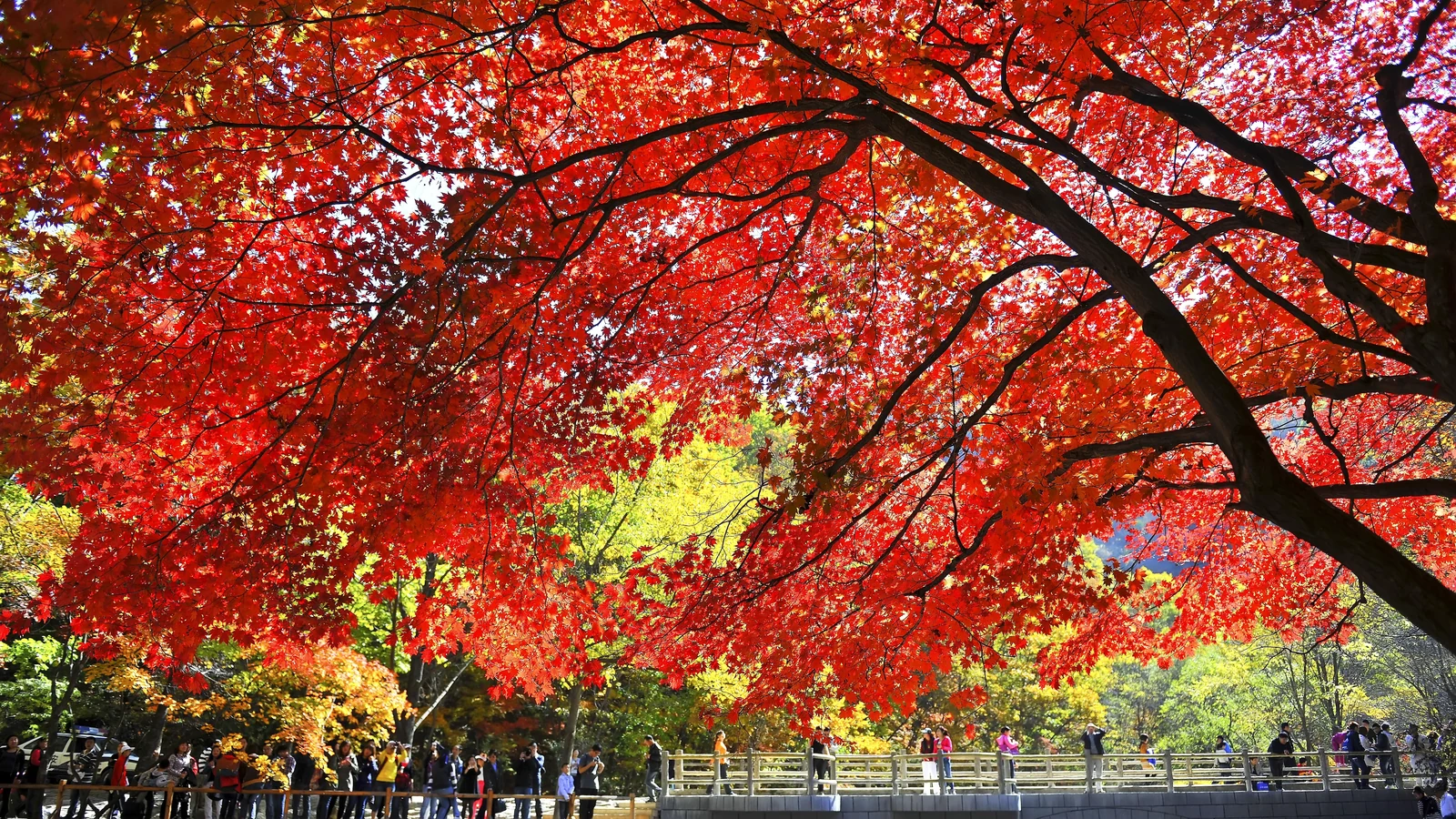
Guanmenshan’s autumn is made leaf by leaf, with valley, weather and woodland structure all contributing to the view.
The coloured stone of Benxi becomes a writing tool through selection, carving and the careful preservation of a working surface.
Read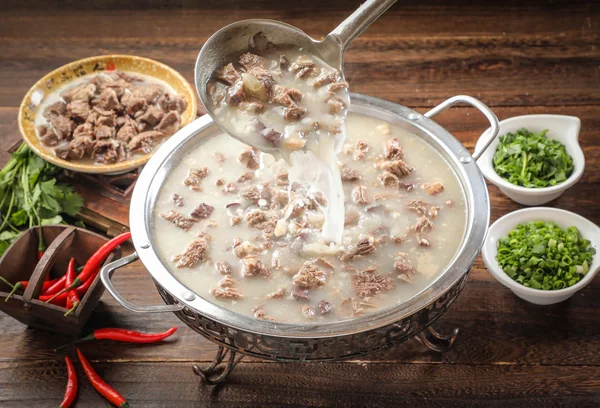
Xiaoshi’s yangtang is a goat soup whose identity emerges through long cooking and the way broth and meat are shared.
ReadA river-filled limestone cavern where dissolving rock and accumulating dripstone tell different parts of the same story.
Facing peaks frame a valley whose maples and other trees change on different seasonal clocks.
Cliffs, masonry and a reservoir reveal how a Koguryo settlement occupied a mountain above the Hunjiang.
A town in Benxi Manchu Autonomous County whose name travels with a bowl of goat soup.