Fengguo Temple: How a Timber Hall Keeps Its Shape
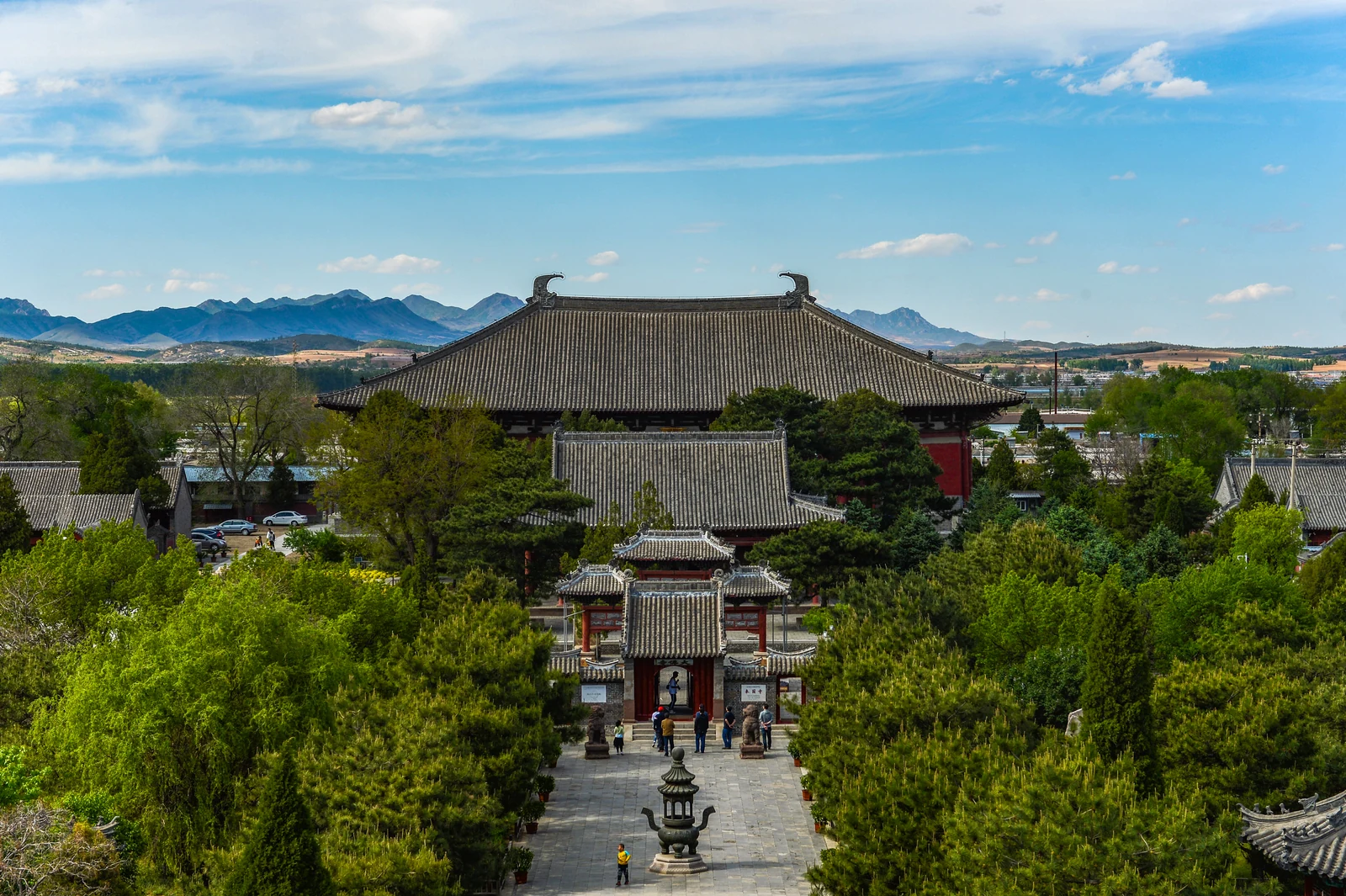
From a reconstructed carpenter’s ruler to newly fired roof tiles, Fengguo’s great hall makes architecture a continuing act of care.
Jinzhou’s cultural landscape extends beyond its urban streets into Yixian and Beizhen. At Fengguo Temple, the roof frame and its monumental sculptures belong to the world of the Liao dynasty. Wanfotang’s inscriptions reach further back, into Northern Wei patronage. Around Yiwulüshan, forest, imperial burials and mountain ritual overlap. The shift to the barbecue table is a shift in scale: from courts and sacred landscapes to the skilled hands and shared dishes of an ordinary evening.
From a reconstructed carpenter’s ruler to newly fired roof tiles, Fengguo’s great hall makes architecture a continuing act of care.
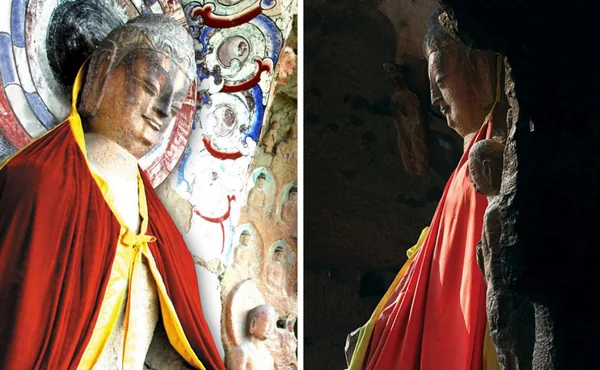
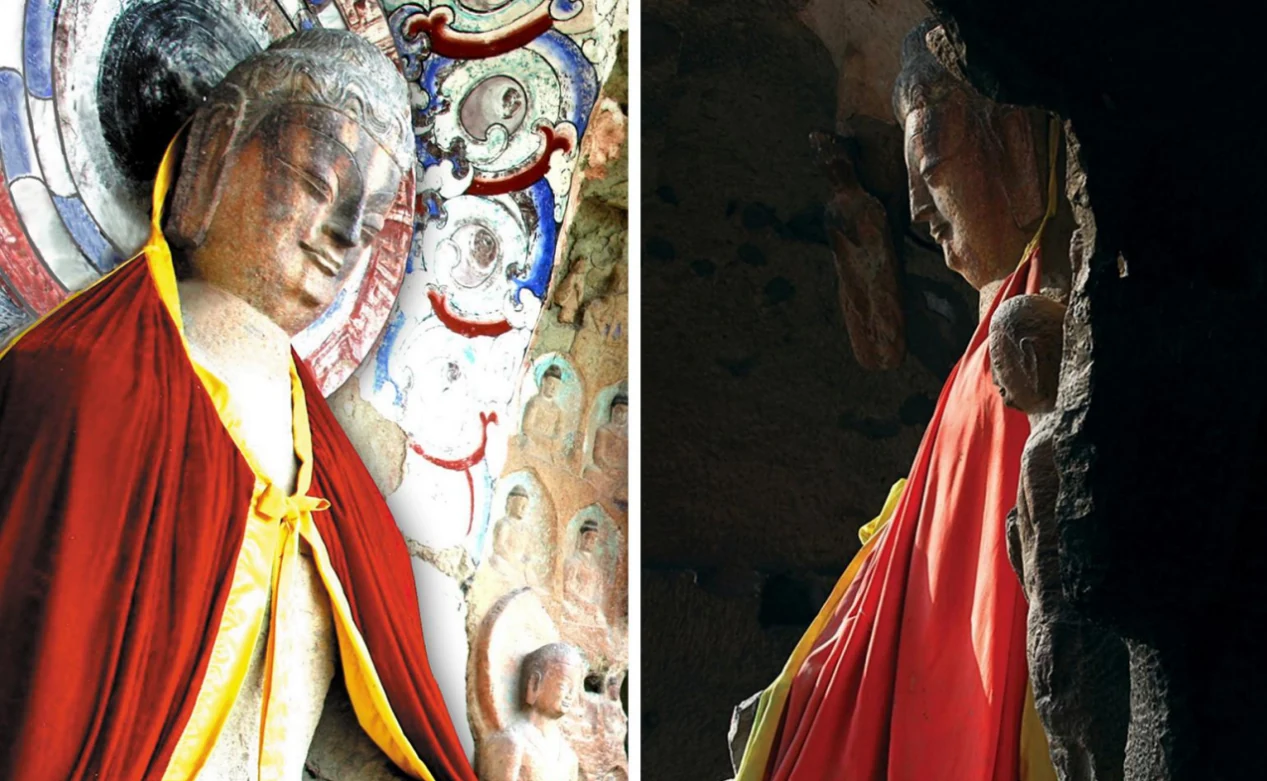
Two dated dedications turn a field of Buddhist sculpture into a history of patrons, offices and remembered obligations.
Read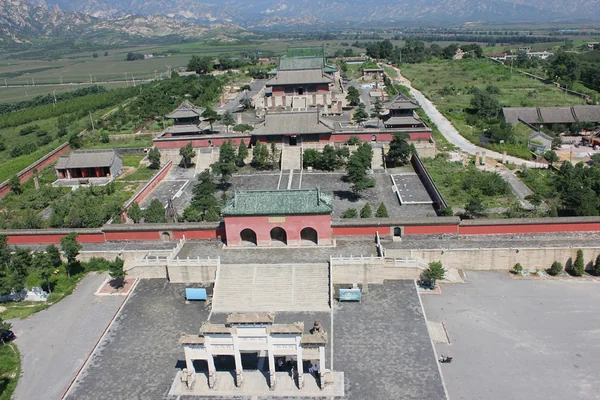
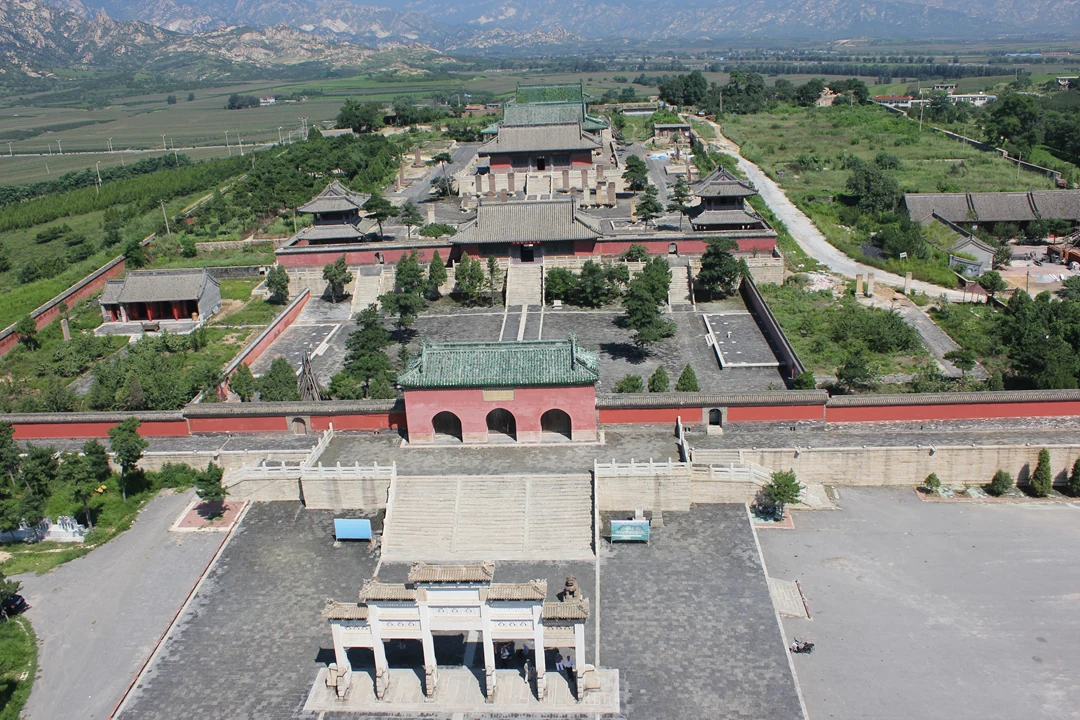
Ordered halls and inscribed stone reveal how a landscape became a participant in imperial ritual.
Read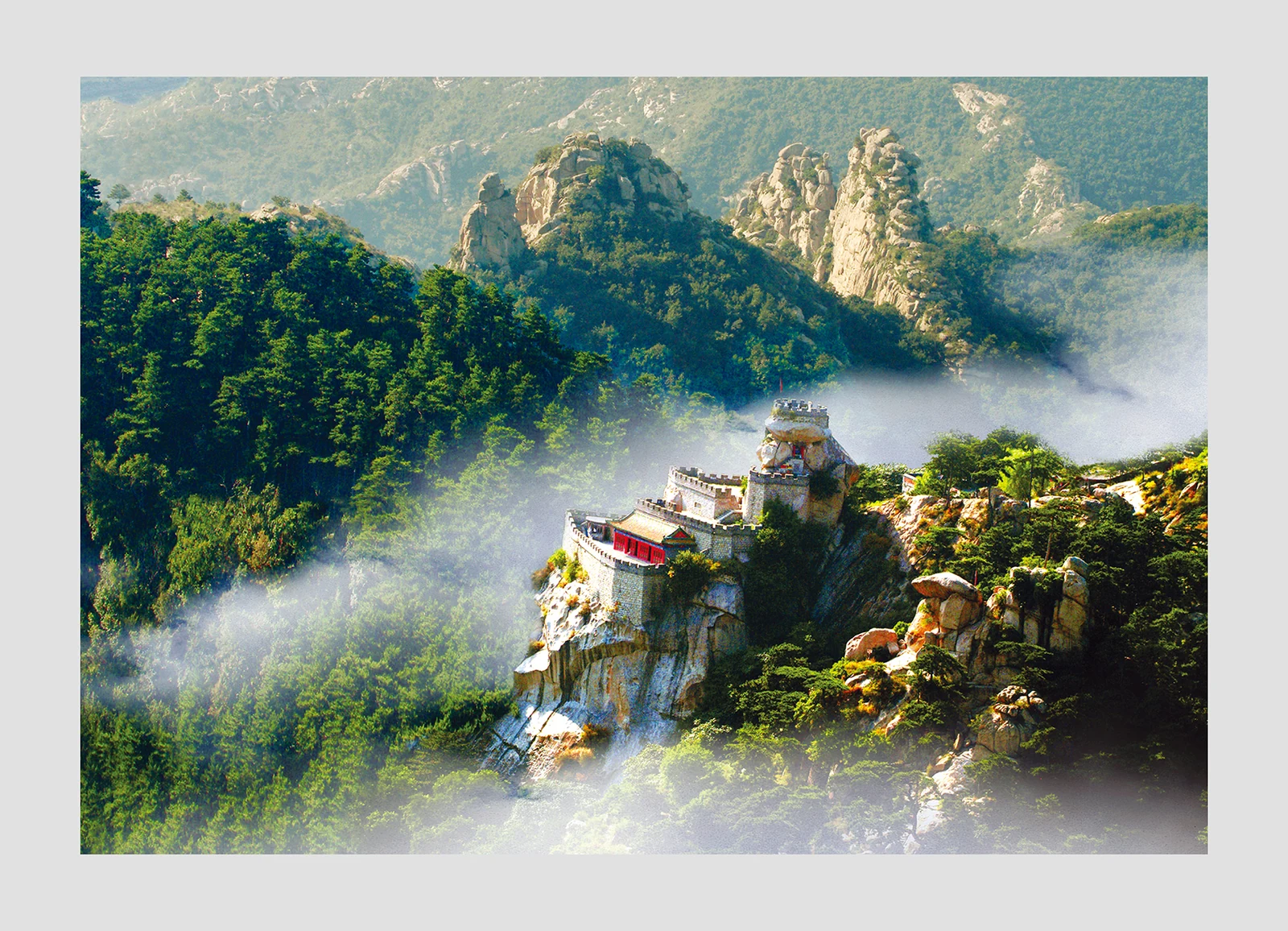
Pine woodland and fragments of glazed roofing offer two ways to read a mountain associated with imperial memory.

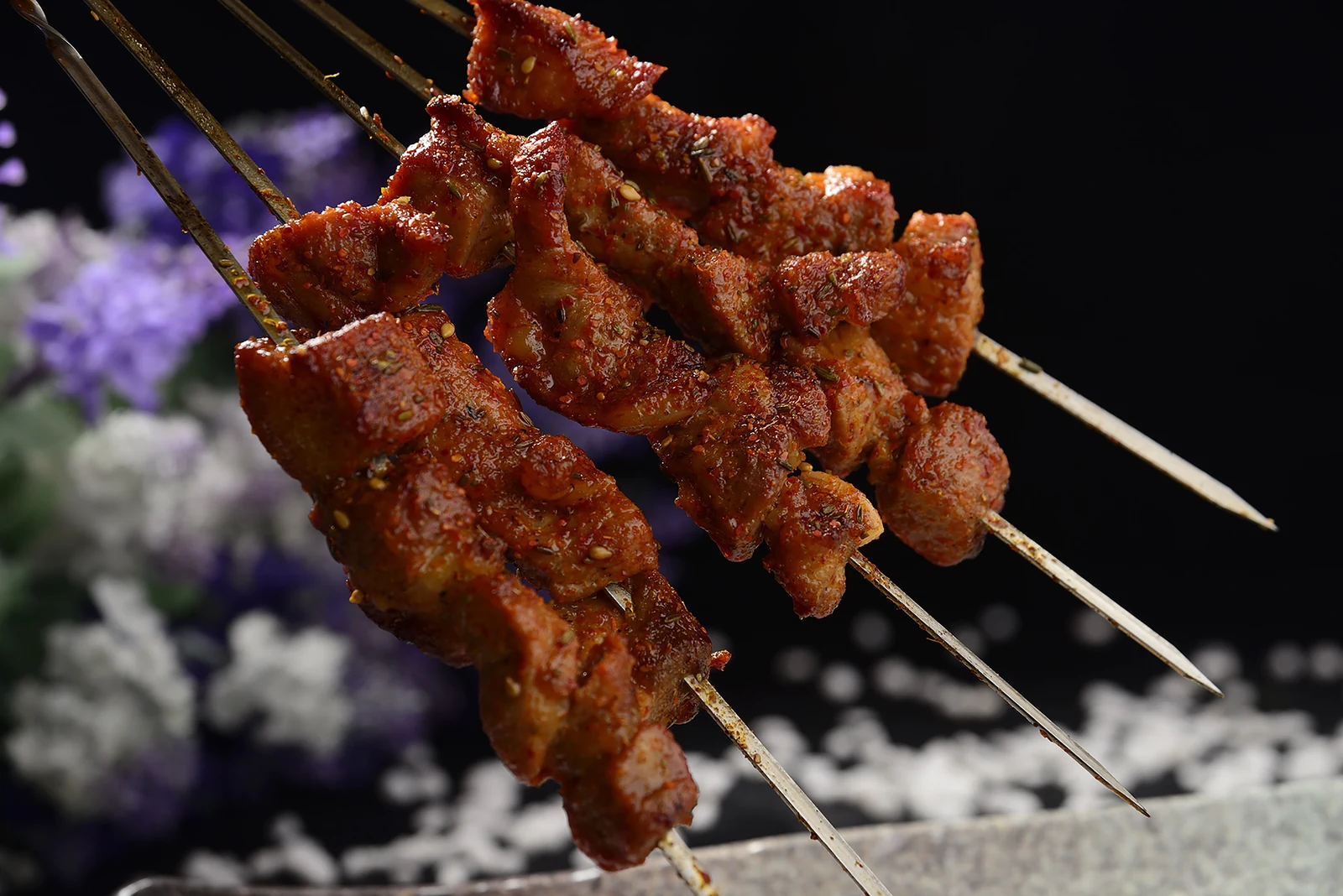
Turning, brushing and judging the heat are the small decisions that make a barbecue meal more than a row of skewers.
ReadA Liao-period timber hall shelters seven monumental Buddhas in Yixian.
Northern Wei inscriptions give names and dates to a riverside field of Buddhist carving.
The mountain deity of Yiwulüshan received state ritual in a carefully ordered temple.
Forested slopes hold a sacred mountain tradition and the traces of Liao imperial landscapes.