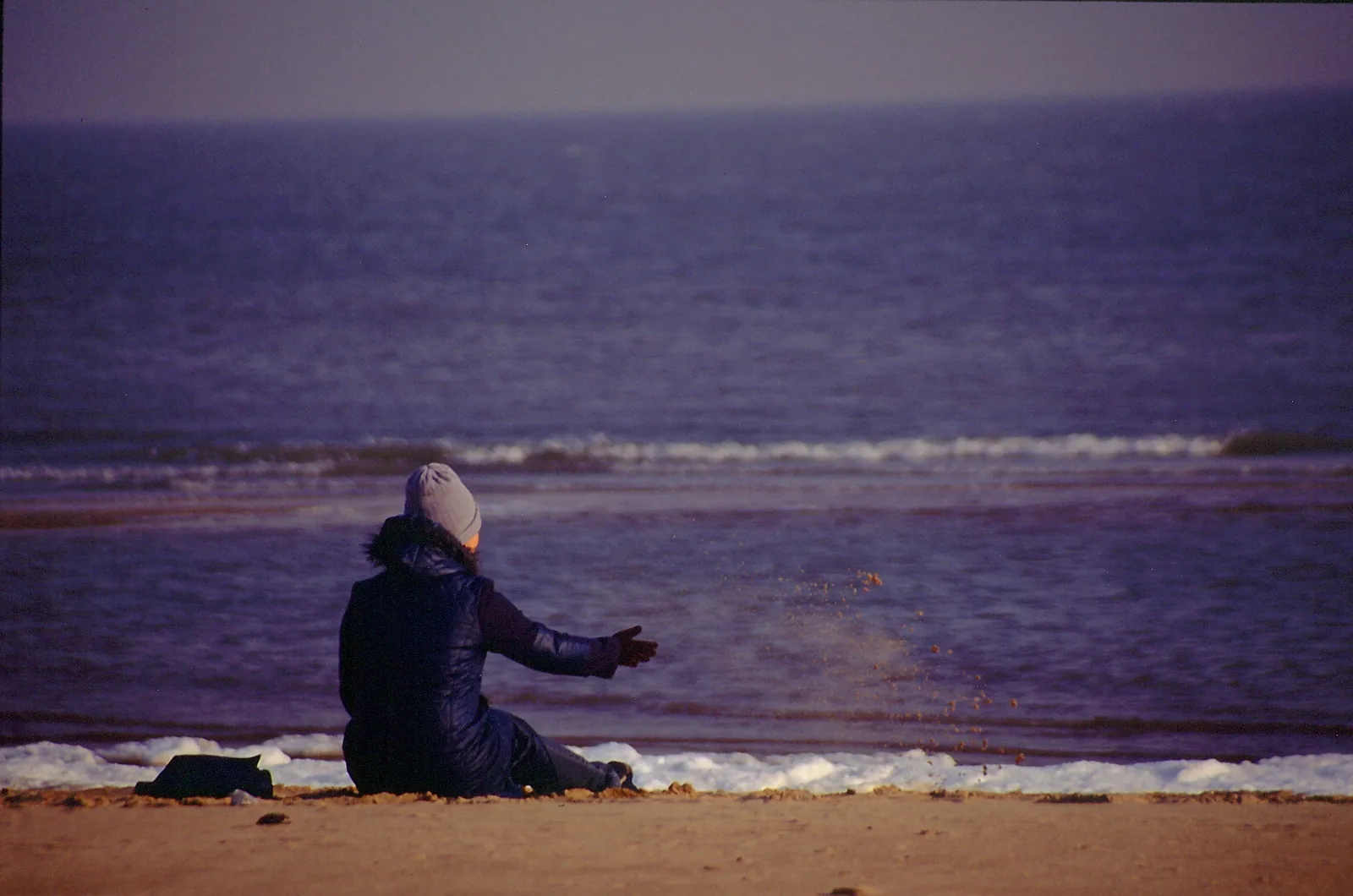
The beach at Beidaihe is a hundred metres of fine yellow sand down to the water, and the water is shallow a long way out. The resort strip runs ten kilometres from east to west, from the Yinjiao Pavilion to the mouth of the Daihe River. Behind it, Mount Lianfeng lifts two peaks covered in pines and cypresses; between the mountain and the sand lie the caves, decorated pavilions, secluded paths and winding bridges that draw visitors from across the country.
The district is small: 70.14 square kilometres, a coastline of 22.5 kilometres, and a population of 130,104 at the 2020 census. Its climate is warm temperate and semi-humid, a monsoon climate moderated by the sea. The district has two subdistricts, Xishan and Dongshan, and three towns, Haibin, Daihe and Niutouya. Forest covers more than seventy per cent of it. The average temperature in the summer months is 24.5 degrees Celsius, and the sea is the reason a capital city can be cool.
At the eastern end the Yinjiao Pavilion marks the start of the strip; at the western end the Daihe River enters the bay. Between the two the same hundred metres of sand repeats for ten kilometres, and the Bohai stays shallow far out. The pines begin almost at the beach, and the same two peaks stay in view along the whole strip. The scale is human throughout: sand, shallow water and the line of pines behind.