A stage beside the temple
Across from Shantou’s Laomagong temple, an open forecourt supported both festival performance and daily trade. A municipal cultural account describes temporary stages set up for the Lantern Festival and Mazu’s birthday, with paper-shadow theatre among the performances. On ordinary days, the same space became a market, putting ritual and commerce into one neighborhood calendar.
The old name “Mam-Kong Forecourt” keeps the open space in the theatre’s story. The building, festival dates and market life belong to a shared setting where a performance could answer a religious occasion and gather neighborhood audiences.
From market building to theatre
In 1930, the site became Shantou’s First Market, also known as Shengping Market. The municipal account says the first and second floors held market activity and the third floor became Shengping Theatre. After 1949, the building served commercial and office functions before restoration began. Market, theatre, offices and renewed public use mark its changing role in the port district.
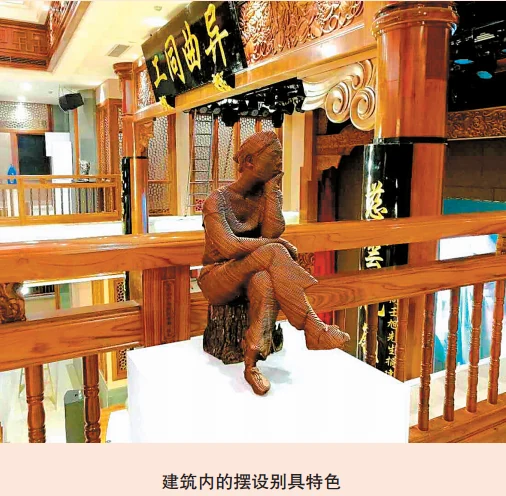
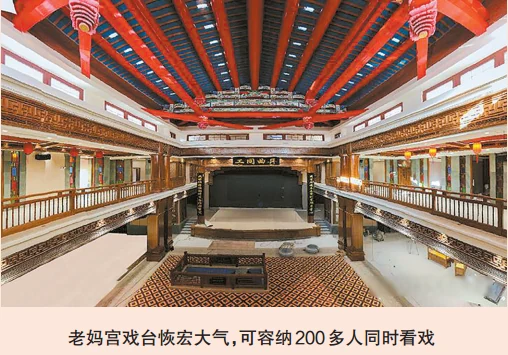
The restored Laomagong Theatre combines arcade features with local decorative details and a large open stage front. The city account describes the design process and the discovery of a well during construction. Its current appearance brings reconstructed elements and traces identified during the work into a design for renewed public use.
Performance returns to public life
The theatre’s role has continued to evolve. Laomagong’s contemporary program brings opera and community events back to the neighborhood stage. Chaozhou opera, the region’s sung theatre tradition, uses a distinctive local language, role types and musical structure; here, that larger art form meets a venue once shared by market-goers and festival audiences.
The most distinctive thread is the link between ritual, market and stage. At different times, the same area gathered worshippers, sellers and audiences. The restored theatre now gives that performance history a visible address in Small Park. It is a specific Shantou place where buildings and civic programming keep performance present in the port district’s public memory.