A theatre that speaks Teochew
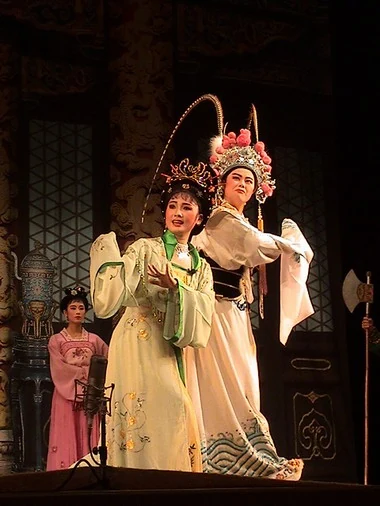
Chaozhou opera is performed in the Teochew language, a choice that gives its singing and spoken lines a close relationship with the region’s everyday speech. The national intangible heritage record describes it as a local opera associated with Chaozhou and outlines a repertory that draws on older southern theatre, later legends and historical plays. It names works such as The Lychee Mirror and Su Liuniang, alongside short scenes that have become familiar parts of the tradition.
Language shapes more than comprehension. The sound of a line, its rhythm and the audience’s familiarity with particular expressions all contribute to a performance’s character. Even when the words are unfamiliar, the voice carries the scene. Singing can feel light, formal, plaintive or comic, giving the same stage a range of emotional registers.
Roles, gesture and comic skill
The sheng, dan and chou roles give the stage its recognizable character. The comic role is not simply a pause between serious scenes: it has its own technical vocabulary. The comic role has a wide technical vocabulary, from fan technique to the sliding-ladder skill of traditional comic scenes. Such details remind us that a performance is built from trained bodily actions as much as from plot.
Music joins those actions. Chaozhou opera uses linked tune forms and later absorbed other musical structures, while percussion and melodic instruments help organize entrances, turns and changes in mood. The result is a stage language in which singing, movement and instrumental response work together. A change in posture or rhythm can shift a scene from solemn to comic before the plot has moved very far.
A tradition with more than one home
Chaozhou opera belongs to a wider performance region that includes eastern Guangdong and communities beyond the mainland. The national heritage entry records Chaozhou as the declared region and lists related projects in other places, including Shantou and Jieyang. These links show a cultural geography shaped by language and migration, while each place still has its own troupes, venues and local histories.
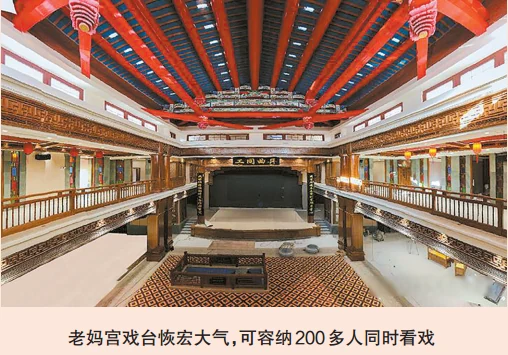
In Shantou, Laomagong Theatre tells a different story of performance in a port neighborhood, where theatre and civic space meet. Chaozhou opera is best approached as a living stage tradition: a body of roles, tunes and scenes that performers learn, adapt and present to audiences. Onstage, those roles, tunes and scenes continue to change with the performers and audiences who keep them alive.