Guangzhou
Tea and Small Dishes at a Guangzhou Table
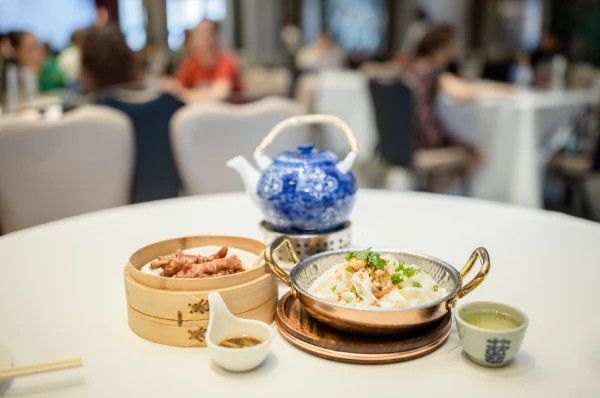
A Guangzhou tea table connects small dishes, changing tea-house spaces, dumpling craft and everyday gestures of hospitality.
Read the storyThe province journal
Tea tables, workshops and routes across the sea
Guangzhou’s carved courtyards and shared dim sum tables, Foshan’s kilns, Shenzhen’s places of work and arrival, Chaozhou’s river crossing, Shantou’s arcades and Kaiping’s village towers reveal different lives within Guangdong.
Stay at a tea table, look closely at a working space, or follow a connection across the sea. Each opens a different part of the province.
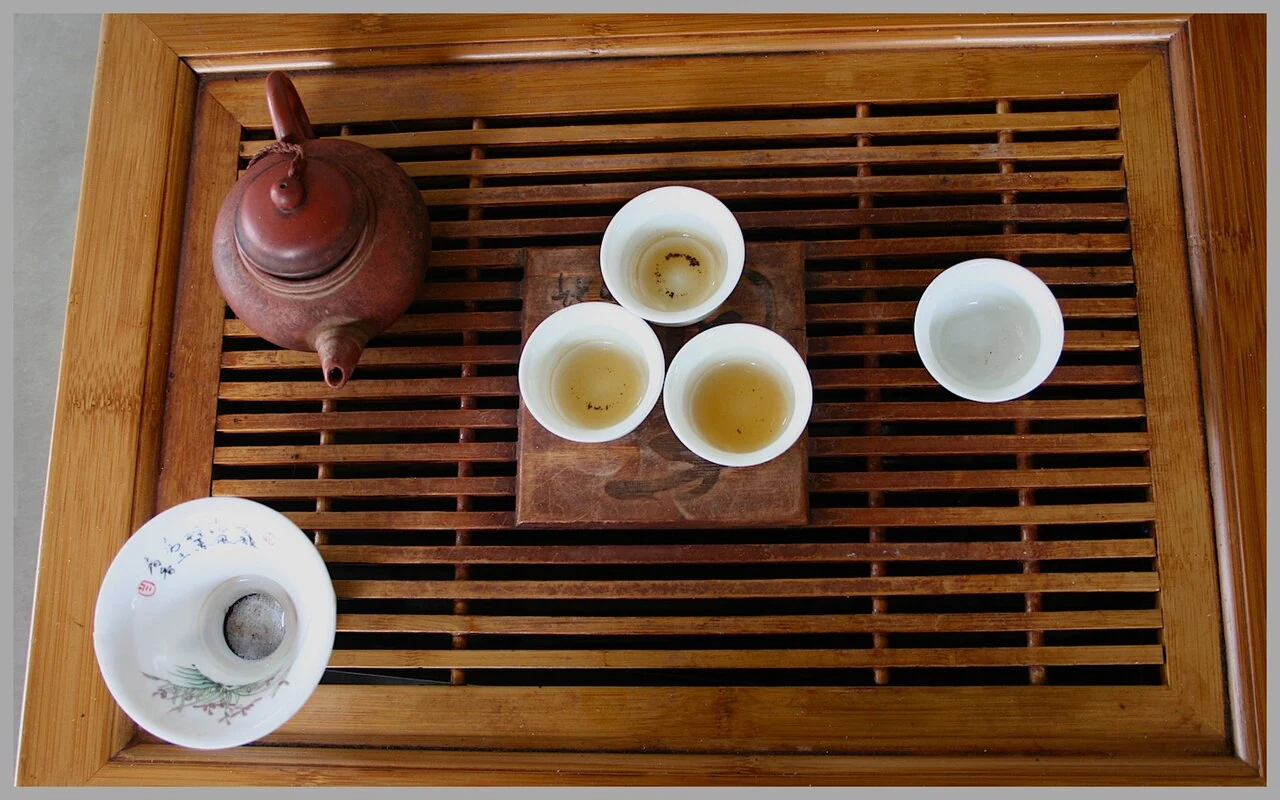
Dim sum shared around a table in Guangzhou; small cups filled again in Chaozhou. Different rhythms give people time together.
Guangzhou
A Guangzhou tea table connects small dishes, changing tea-house spaces, dumpling craft and everyday gestures of hospitality.
Read the storyChaozhou
Small vessels and repeated pours make Chaozhou gongfu tea a shared practice of heat, timing and conversation.
Read the storyA dragon kiln in Foshan and a former factory in Shenzhen preserve two kinds of production space and the traces of different working lives.
Foshan
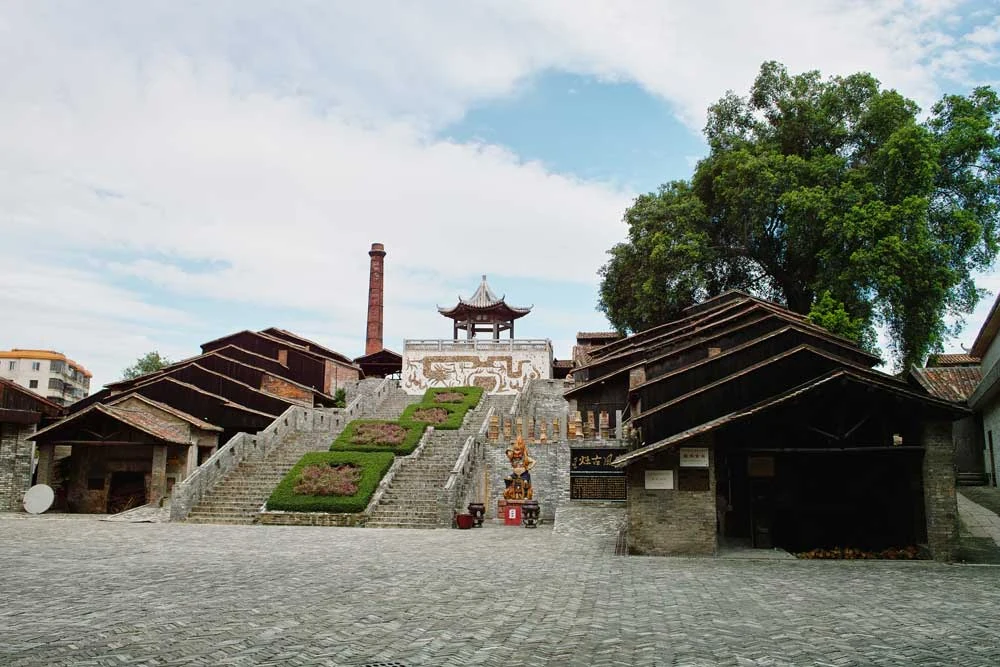
The firebox, fire eyes and loading doors of a sloping dragon kiln give Shiwan’s ceramic history a physical form.
Read the storyShenzhen
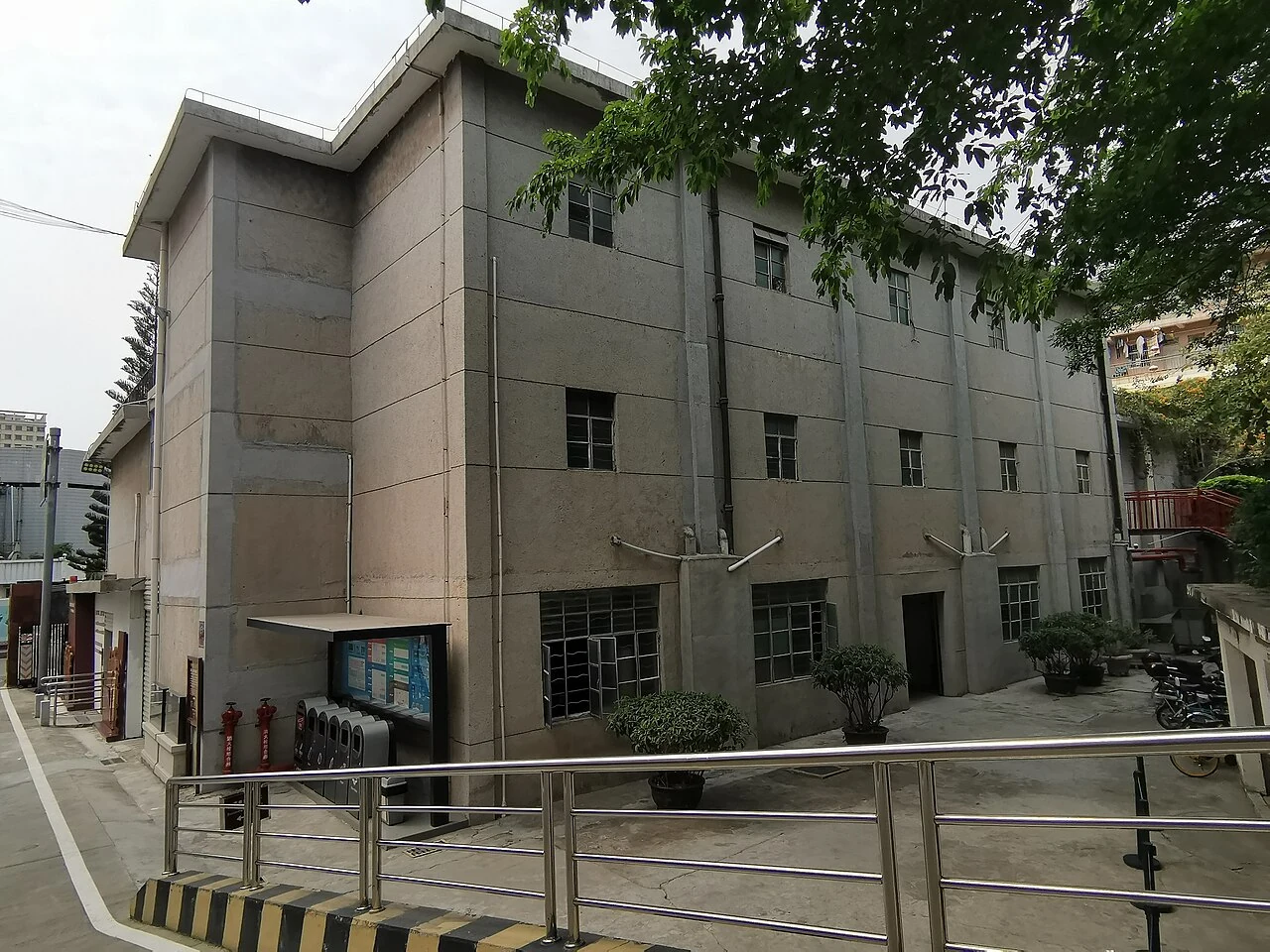
A former Shiyan factory preserves production lines, dormitories, a canteen and a screening room as part of Shenzhen’s labor history.
Read the storyLetters and remittances brought overseas lives into the household. The arcade streets of a port reveal another side of trade and connection.
Jiangmen
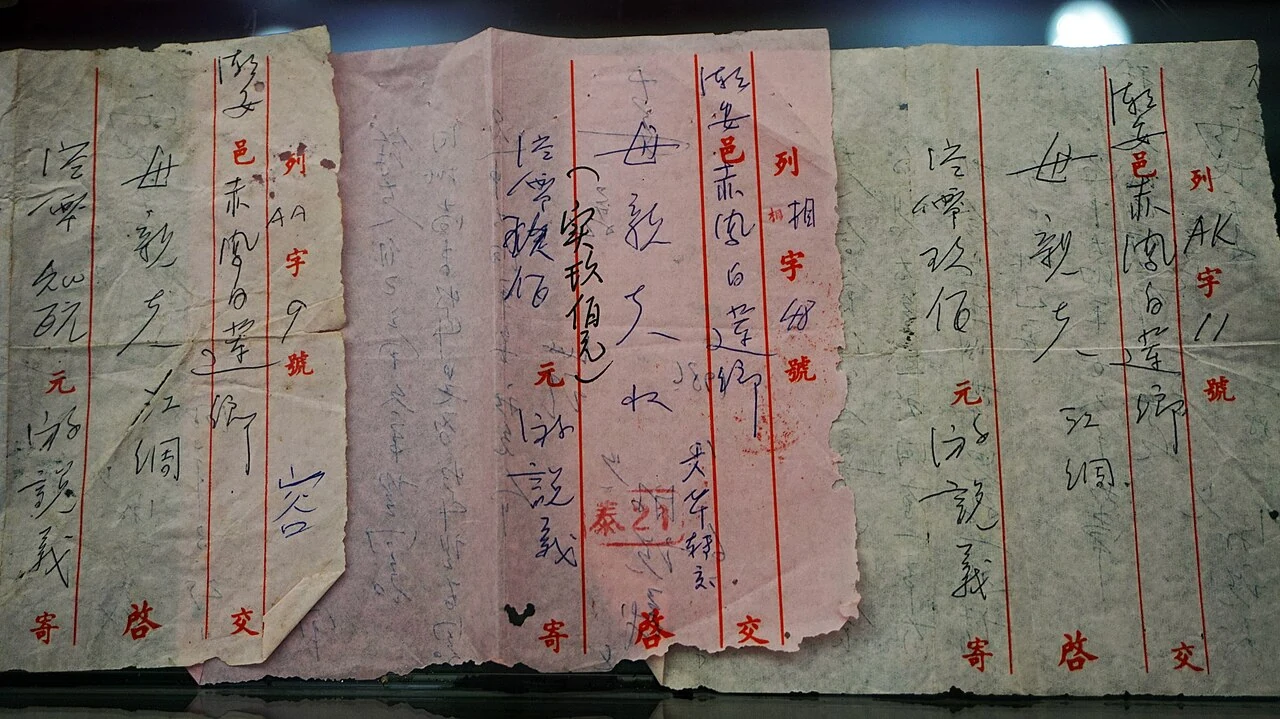
Qiaopi joined family correspondence to the proof and channels of money sent home, making a large migration history legible through one document.
Read the storyShantou
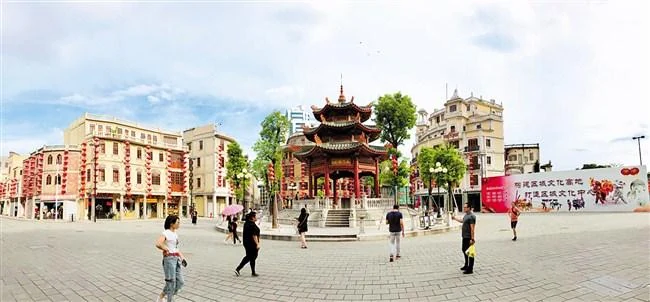
A central pavilion and fan-shaped arcades give Shantou’s Small Park district a street form shaped by port commerce.
Read the storyFour places where a shared space, a craft, a coastal settlement or a returning family takes architectural form.
Guangzhou
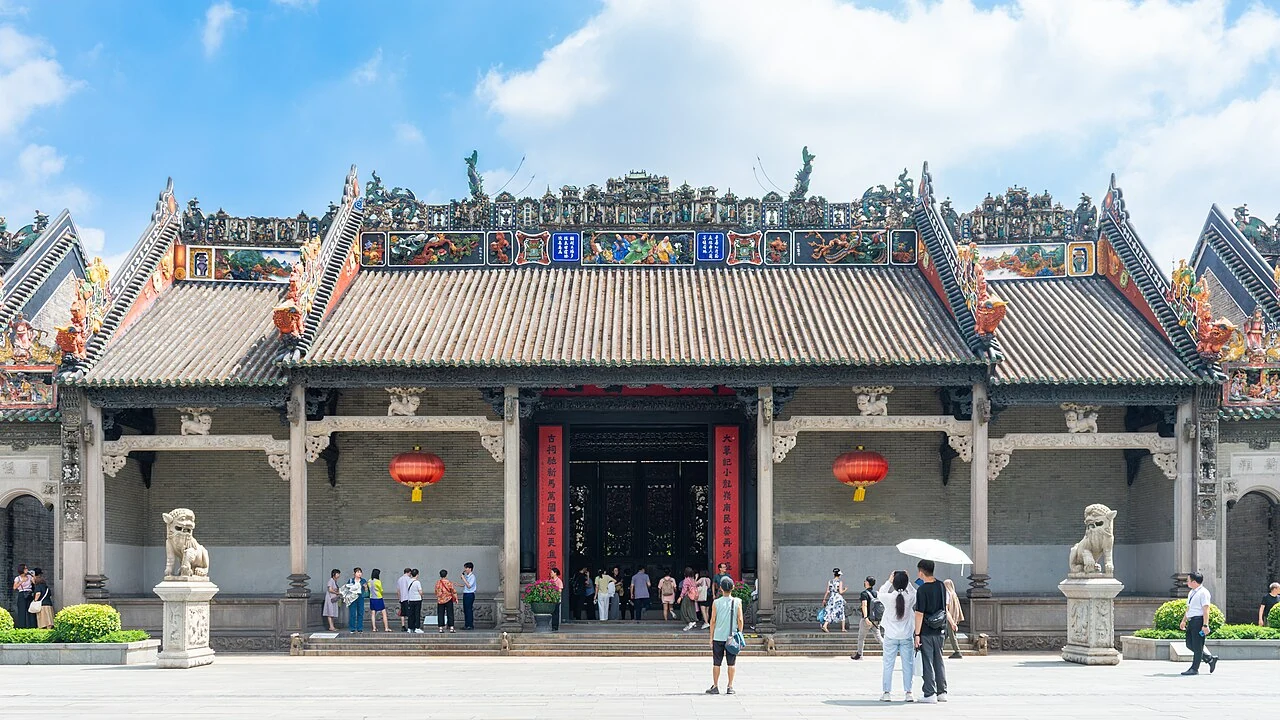
A shared clan institution became a museum of craft, with ornament across roofs, walls and doors.
Foshan
Beidi worship, historic buildings and public performances share a major Foshan temple precinct.
Shenzhen
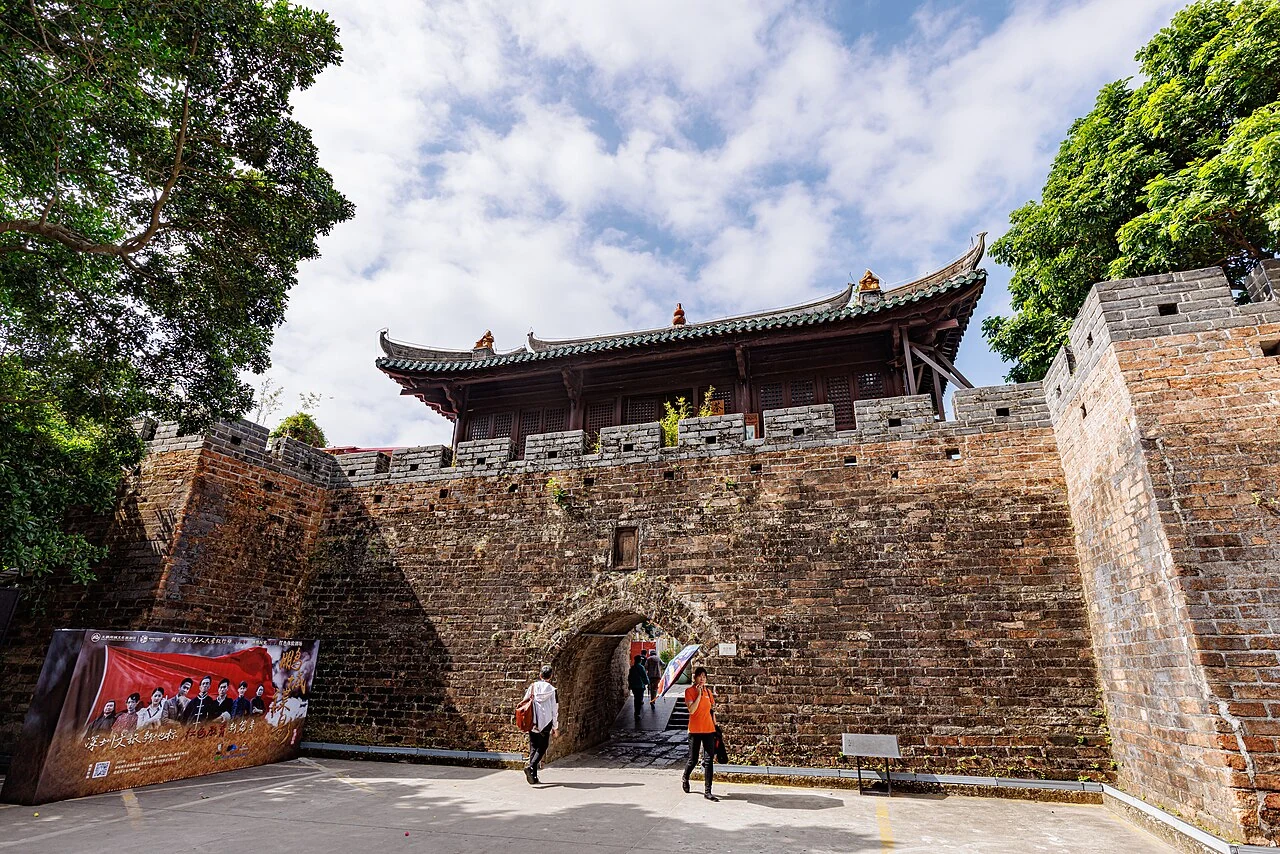
Gates, streets and family residences preserve the form of a coastal-defense settlement.
Jiangmen
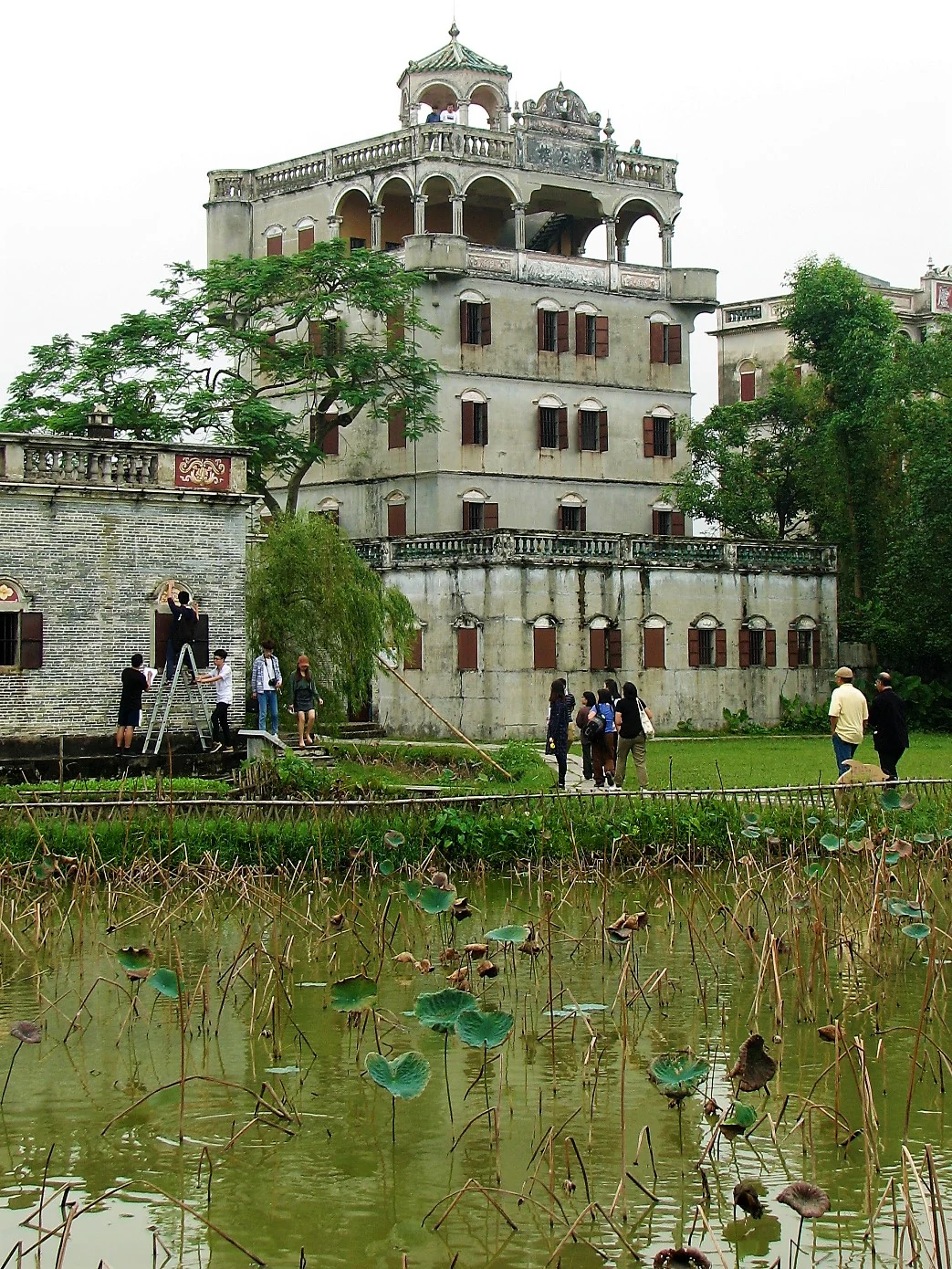
Zili’s towers rise among ponds, fields and homes, with Ming Shilou anchoring stories of building and return.
Begin with a city’s selected places and stories, then open its full article collection.
Tea tables, clan courtyards, Cantonese opera and the remains of an ancient capital bring Guangzhou into focus.
All articlesCoastal walls, village lanes, factory rooms and public architecture reveal different chapters of Shenzhen life.
All articlesTemple courtyards, lion-dance practice and Shiwan clay connect Foshan with its gardens, streets and working traditions.
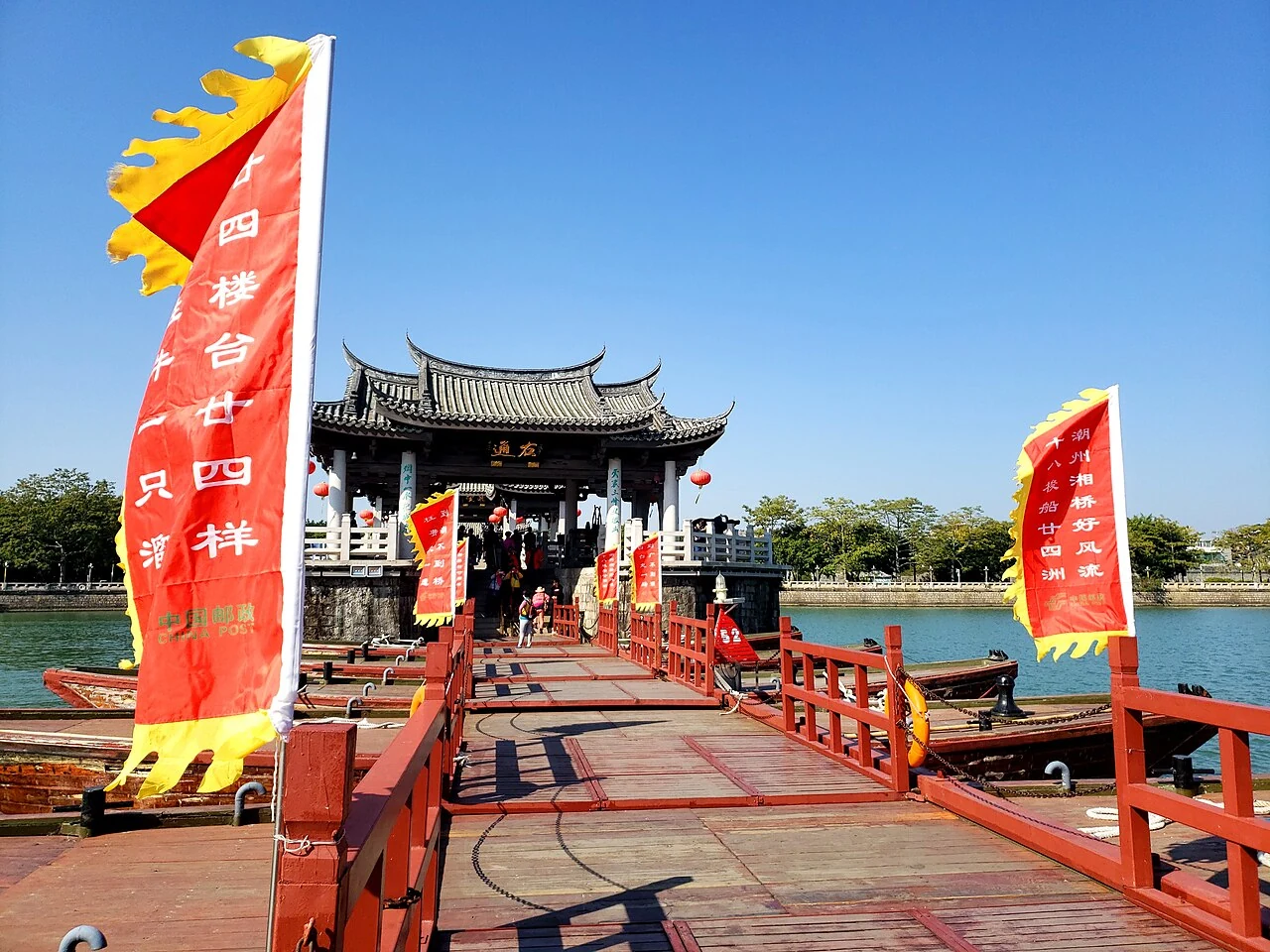
All articlesA Han River city where bridge engineering, old streets, tea and craft meet in a compact historic landscape.
All articlesA coastal port city whose arcaded streets, migrant letters, local performance and food crafts belong to different districts and histories.
All articlesStories from Jiangmen’s Kaiping towers and villages, Xinhui’s citrus craft and wetland, and family archives linking Wuyi to wider migration histories.
All articles