A factory begins in Shiyan
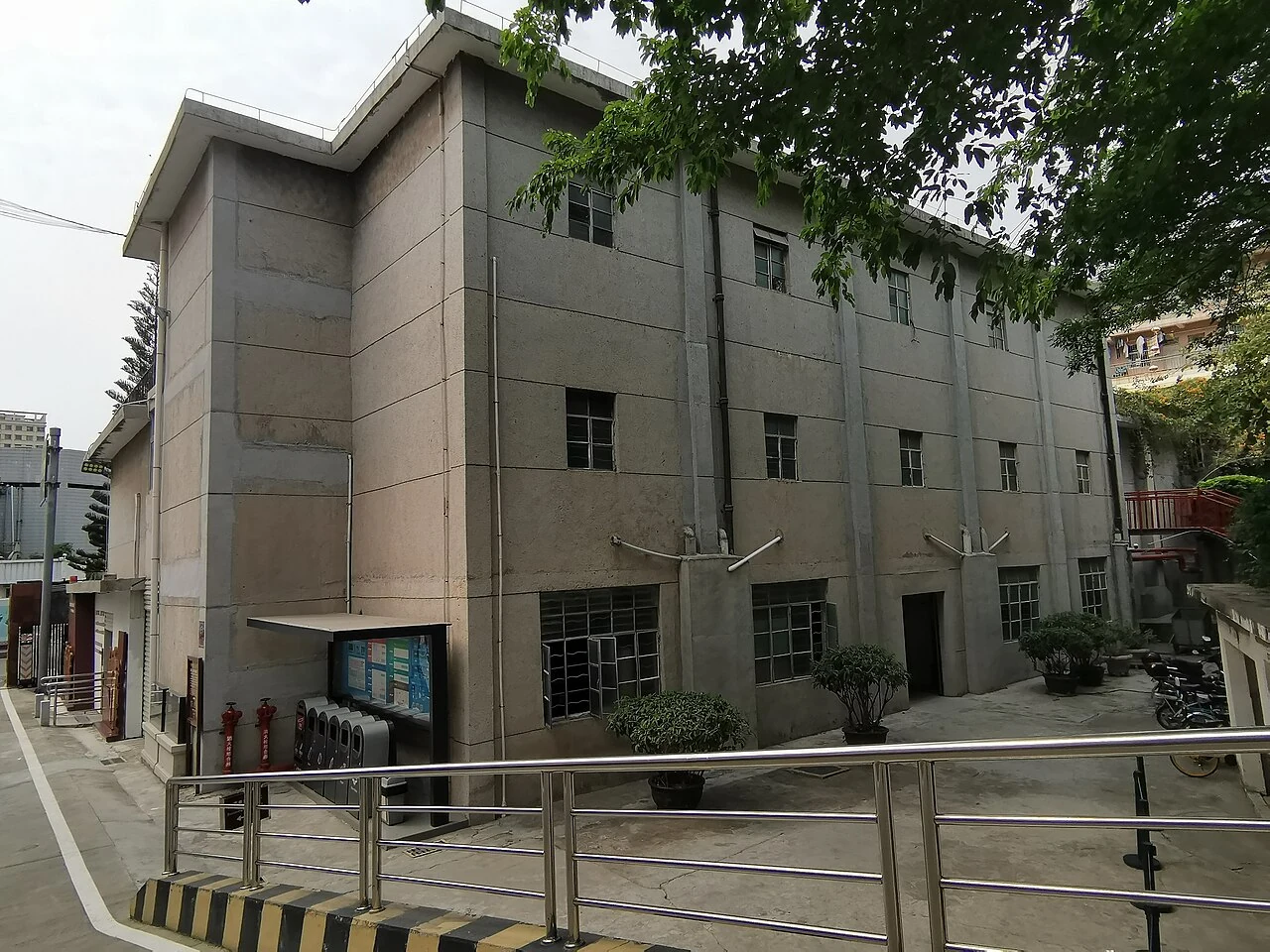
The museum occupies the former Shangwu Hot Coil Factory site in Shiyan. A Shenzhen protected place-name catalogue records that on December 18, 1978, the Shangwu production brigade signed an agreement to establish Shenzhen’s first “three-plus-one” processing enterprise with Hong Kong’s Yigao Hot Coil Factory. Production first used the brigade office; in 1984 the factory moved into a new building. The sequence places the museum within the early industrial history of Shenzhen’s reform period, at a site where rural collective space became a factory floor.
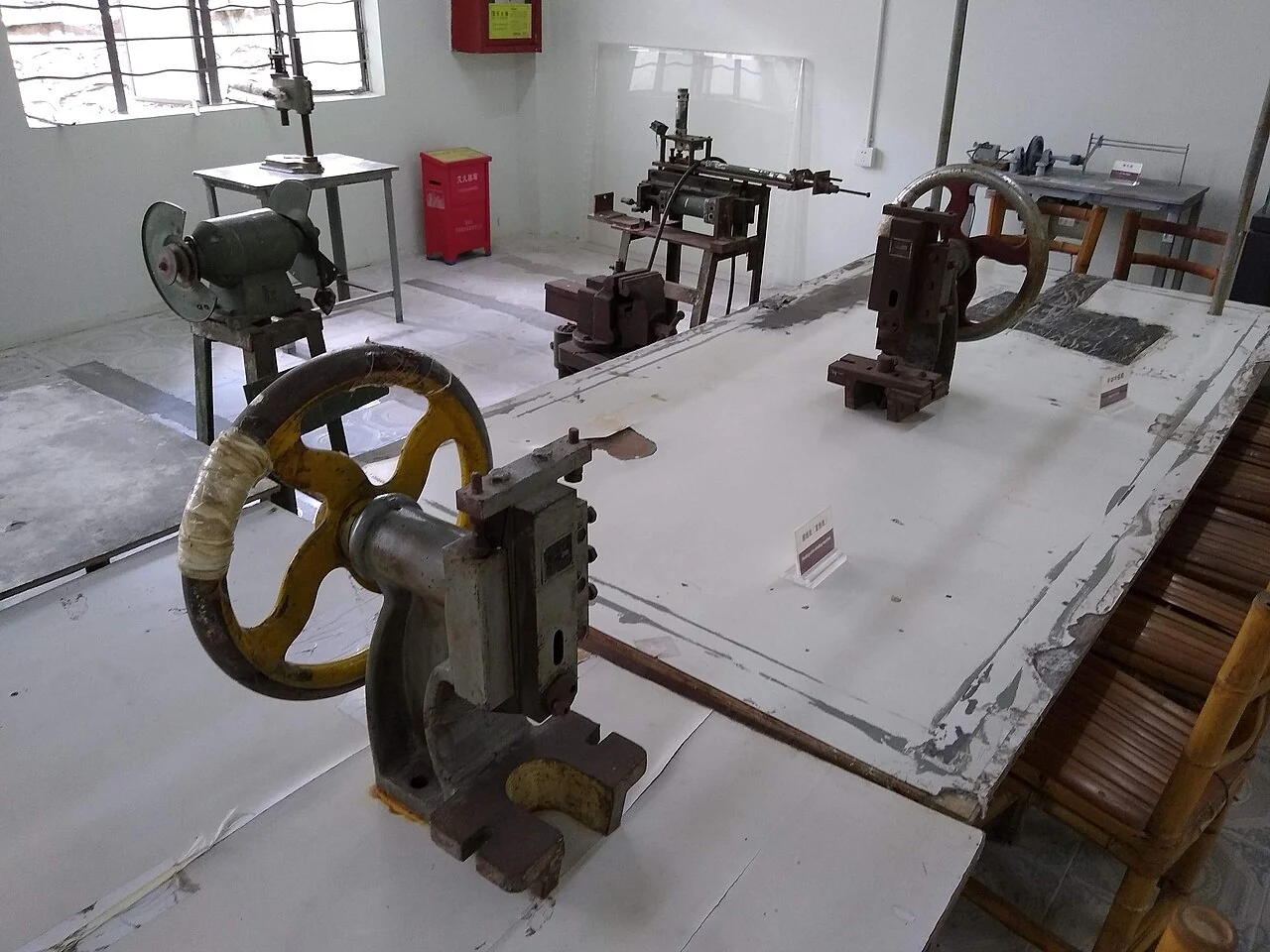
Production lines preserved
In April 2008, Bao’an District’s cultural bureau converted the former factory building into the Migrant Workers Museum. Three production lines from different periods remain inside, alongside workers’ dormitories, a canteen, a screening room, and exhibition halls for labor-history materials and artifacts. These rooms make the building itself part of the record: manufacturing, communal living, leisure, and public interpretation occupy one former workplace. The museum is identified as China’s first specialist museum devoted to migrant-worker history.
Beyond the production line
The dormitories, canteen and screening room extend the story beyond the machinery. A workplace also had to make room for eating, living and leisure. Preserving those facilities beside the production lines keeps these parts of factory life within the same physical setting.
The museum's subject is a city made through people's work. Here that large history takes the scale of a former factory: rooms with different uses, equipment from different periods, and a site whose first production began in a village brigade office. Shenzhen's industrial transformation left its traces in buildings used every day.