Two things in one envelope
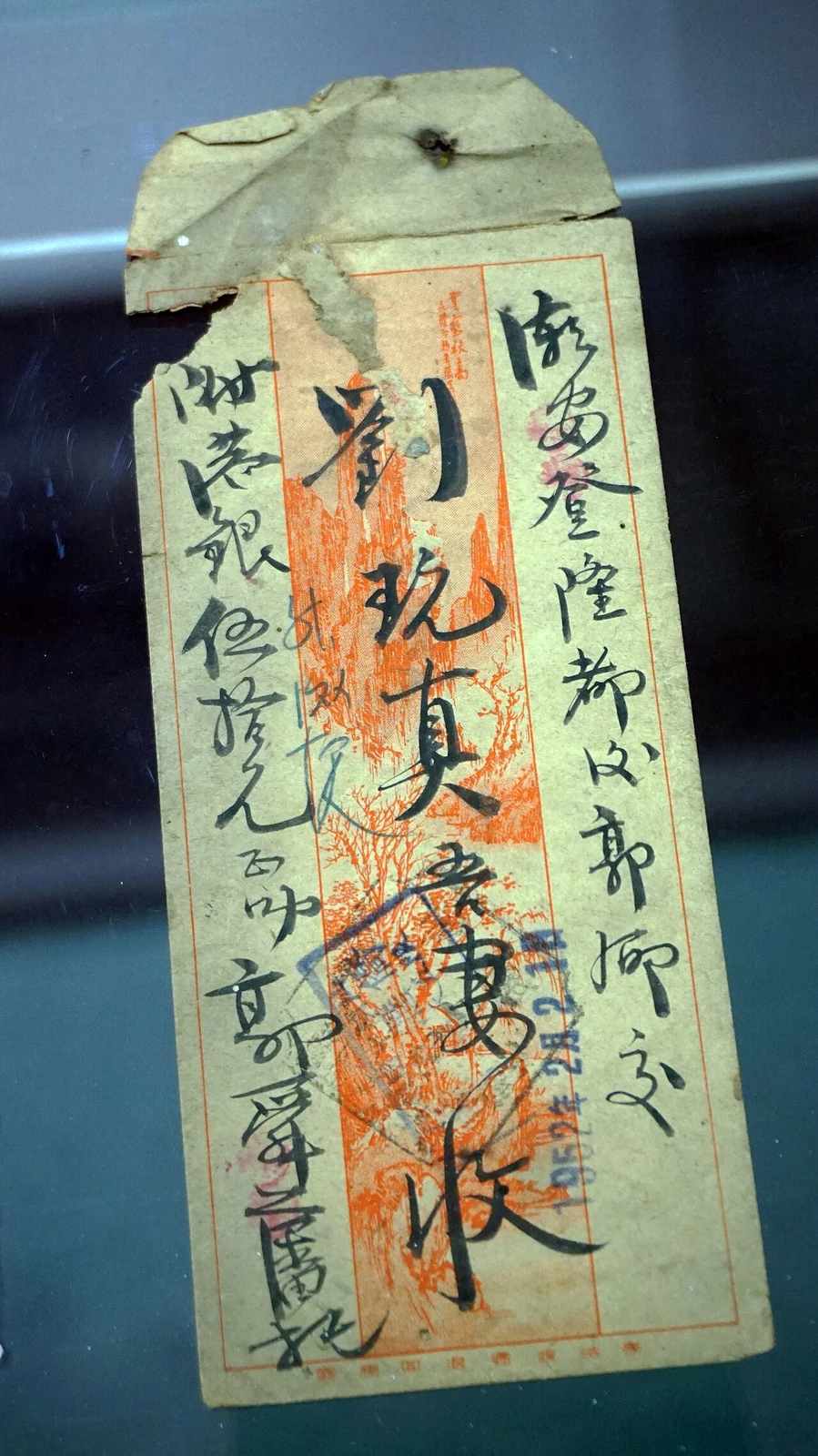
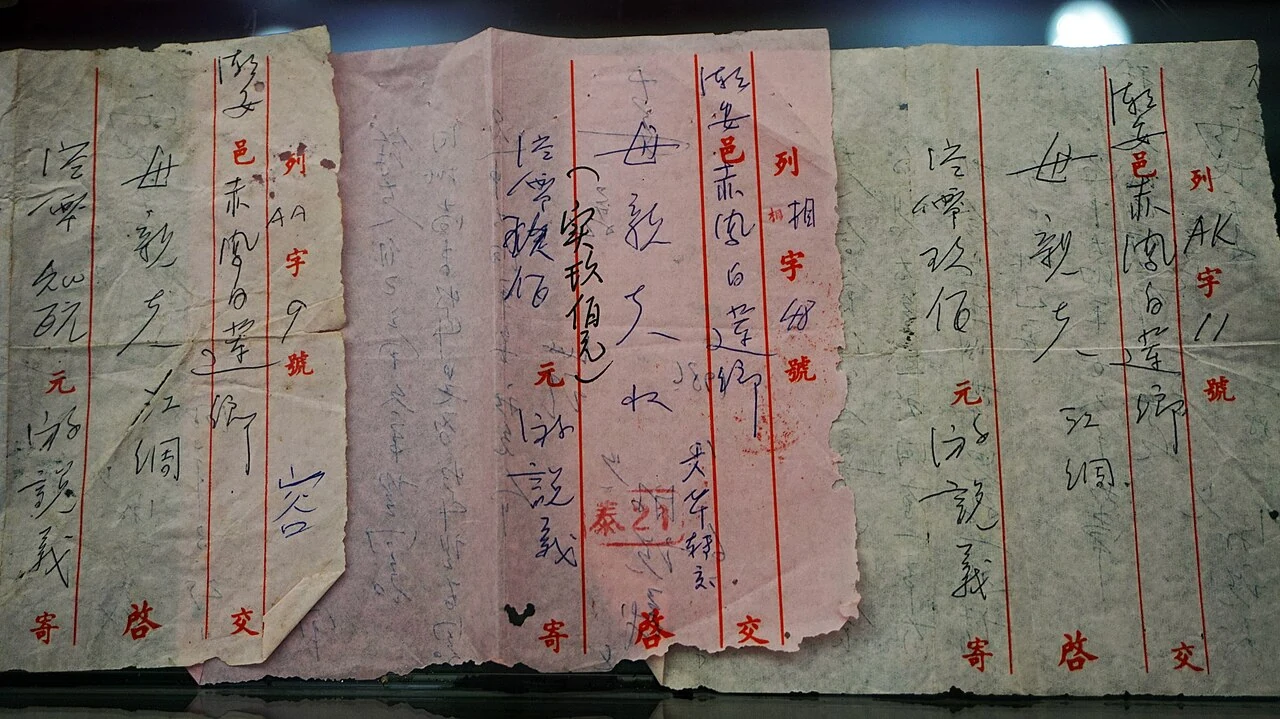
A qiaopi paired family correspondence with proof that money had been sent home. The document could hold handwriting, a remittance receipt and marks left by the route through which it travelled. In Wuyi, within Jiangmen, people also called these records yinxin, or “silver letters.” The name brings the practical and intimate together: money helped sustain a household, while a letter kept relationships active across distance. Neither part makes full sense without the other. A receipt alone records a transfer; a letter alone leaves out the material support that helped a family live.
A route made of people
The UNESCO Memory of the World nomination describes qiaopi as letters accompanied by remittance records. Some moved through postal systems; others relied on private agencies and banking intermediaries. Guangdong Provincial Archives describes qiaopi as historical records of family life and the channels that carried funds home. An envelope therefore offers more than a message from one person. It points to senders, agents and recipients who made cross-border support possible, and to a network whose daily work connected an overseas workplace with households in southern China.
A family decision in Kaiping
A Kaiping Museum exhibition record describes a 1926 letter from Fang Runwen in the United States to his son Fang Rongyang (方荣仰). It mentions building funds and a request for a five-storey structure. A few lines on paper could shape a building in a village thousands of miles away. The letter’s instructions show how migration, remittance and construction could meet within one family’s plans. Money sent home was not an abstract sum: it could become rooms, walls and a new presence in the village.
A heritage shared across regions
Qiaopi collections are not exclusive to Jiangmen or Guangdong. The nomination records materials across Guangdong and Fujian, and a 2026 Guangdong Archives notice names Jiangmen Municipal Archives among participating institutions. That wider geography makes the Wuyi example more meaningful: it sits within a network of hometowns linked by migration, correspondence and remittance. Read together, letter and receipt make a large history legible at household scale—a message, a sum and a route home. The paper holds intimacy and infrastructure at once.