A panel with depth
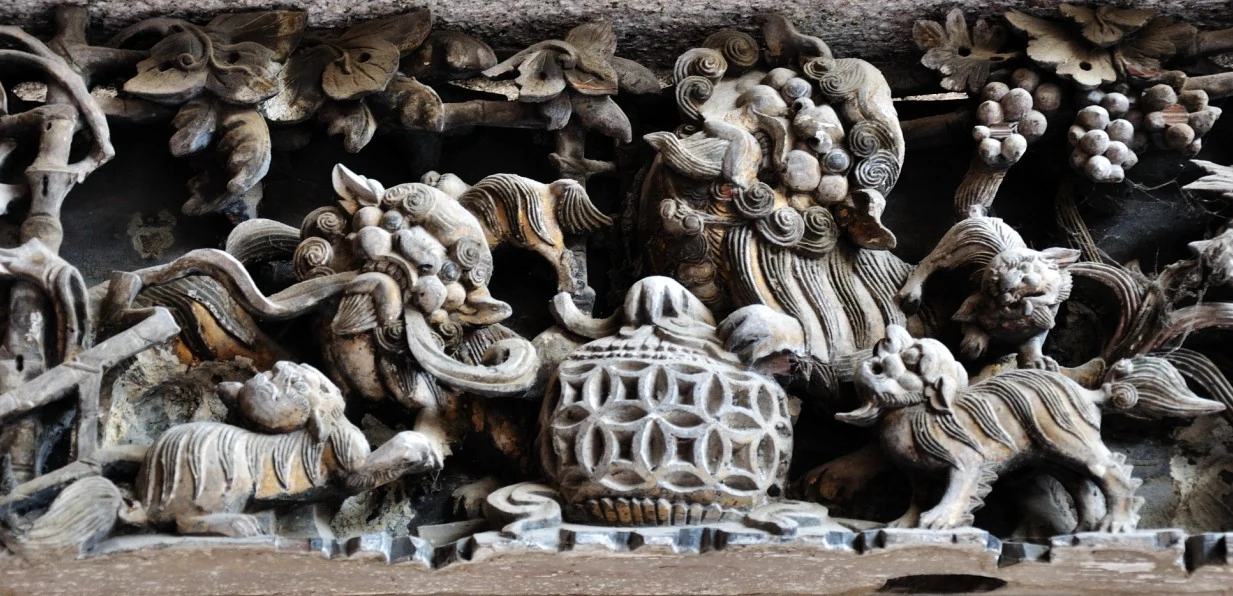
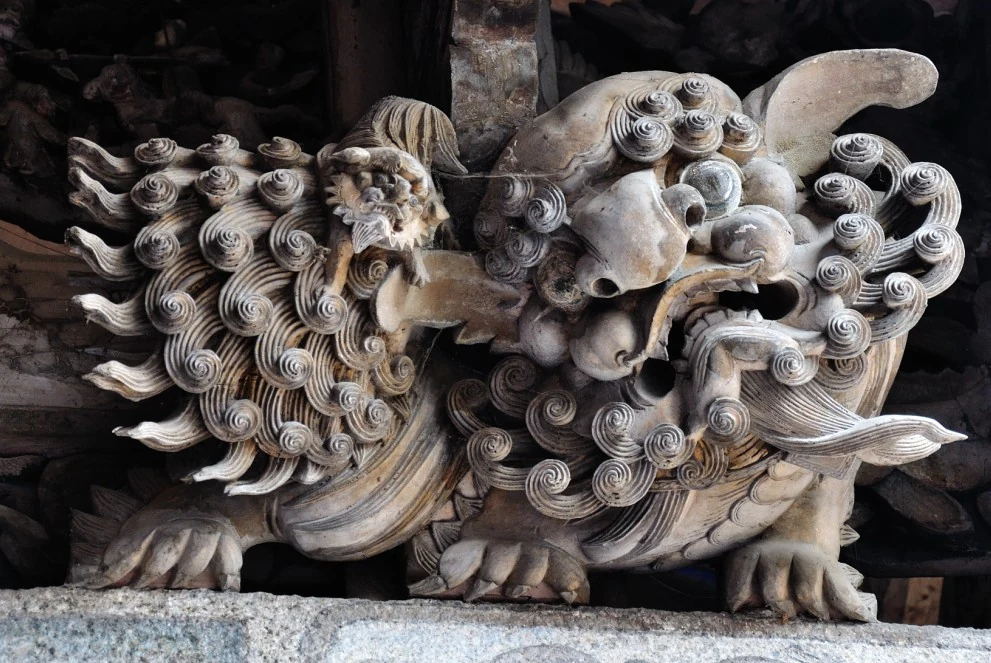
A Chaozhou woodcarving panel asks the eye to move through it. Figures, branches and architectural details can sit at different depths, while openwork allows the space behind the carving to remain visible. The result is not a flat picture placed on a wall; it is a shallow stage built from wood. National heritage material identifies through-carving as a notable technique in the tradition, and the profile of Chaozhou artist Yang Jianping connects the craft with research into historic buildings and decorative work.
This way of making turns the panel into an architectural element. A screen, shrine fitting or interior ornament can be read from near and far: first as a patterned surface, then as a group of figures and smaller details. The viewer’s angle changes what appears in front and behind. That layered effect is part of the craft’s distinctive visual language.
Cutting openings without losing the story
Through-carving depends on removing material while preserving the connections that hold a scene together. The craft profile describes a wood tradition in which a finished work can combine detailed carving with lacquer and gilding. Those steps create a strong contrast: open gaps give the composition air, while gold catches light on selected surfaces. Depth, shadow and finish all contribute to how a narrative reads.
Opera, literature and history all supply scenes for local carving. Figures and inscriptions give individual panels their own stories, while the craft places them within a wider built environment. Yang Jianping’s profile notes his long engagement with local craft and records his work gathering information about Ming and Qing buildings. That archival interest matters because woodcarving belongs to a wider built environment, where decoration was designed for specific rooms and structures rather than for an abstract gallery wall.
Craft inside a lived space
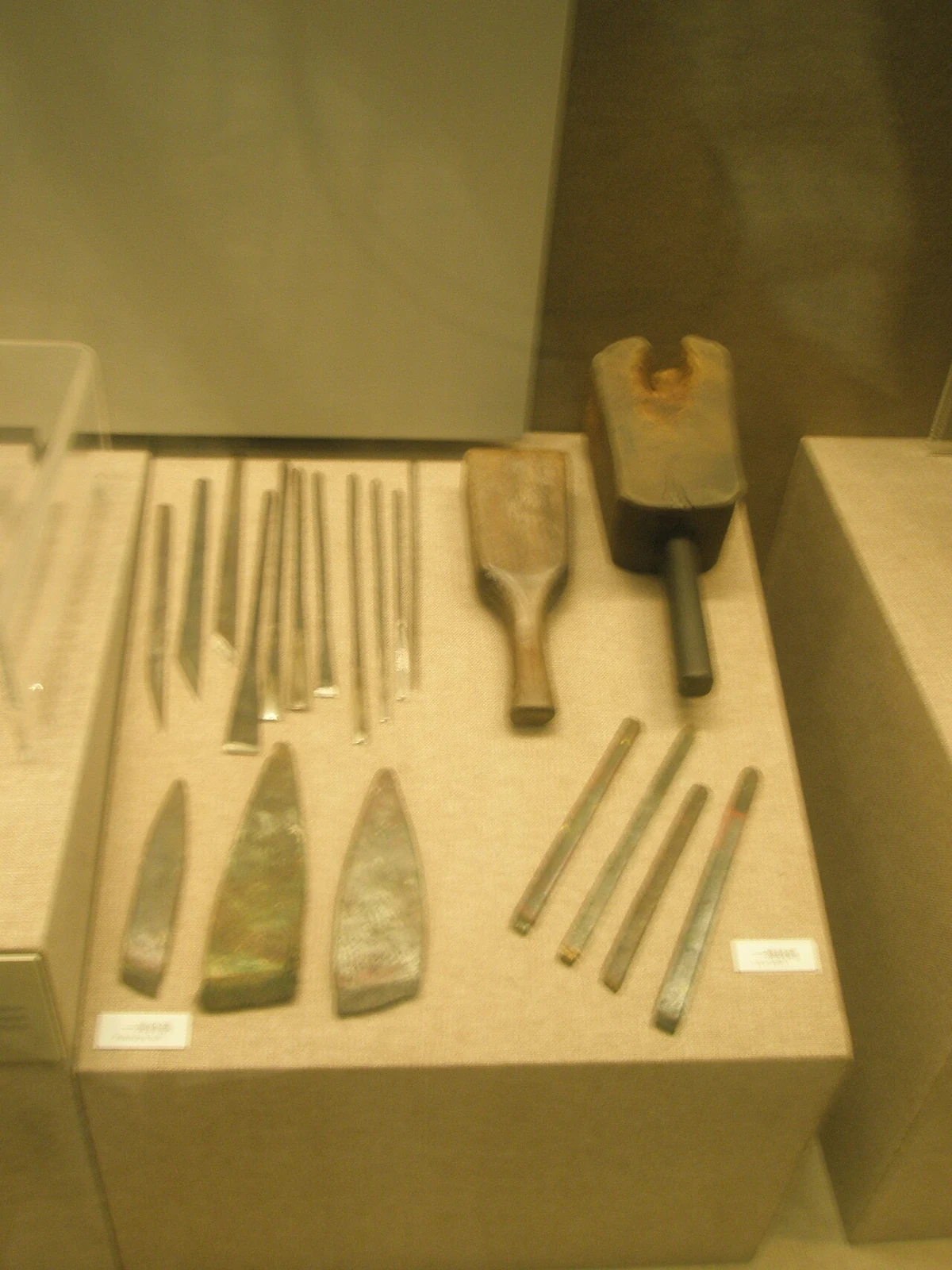
The carved panel’s architectural setting changes its meaning. In a building, it can mark a threshold, frame an altar or enrich a room used by a household or community. Its viewers encounter it while moving through a space, not only while standing still in front of it. This helps explain why craft knowledge includes more than a list of tools: the maker must consider how a panel’s image, depth and finish will meet the light and the surrounding structure.
Chaozhou woodcarving is included in the national intangible heritage record, but the label does not make every object identical. Individual works vary in subject, scale and degree of openwork. Solid wood becomes a scene that remains connected to the building around it. The craft is both image-making and architecture: a story carved into a surface that people pass, gather around and use.