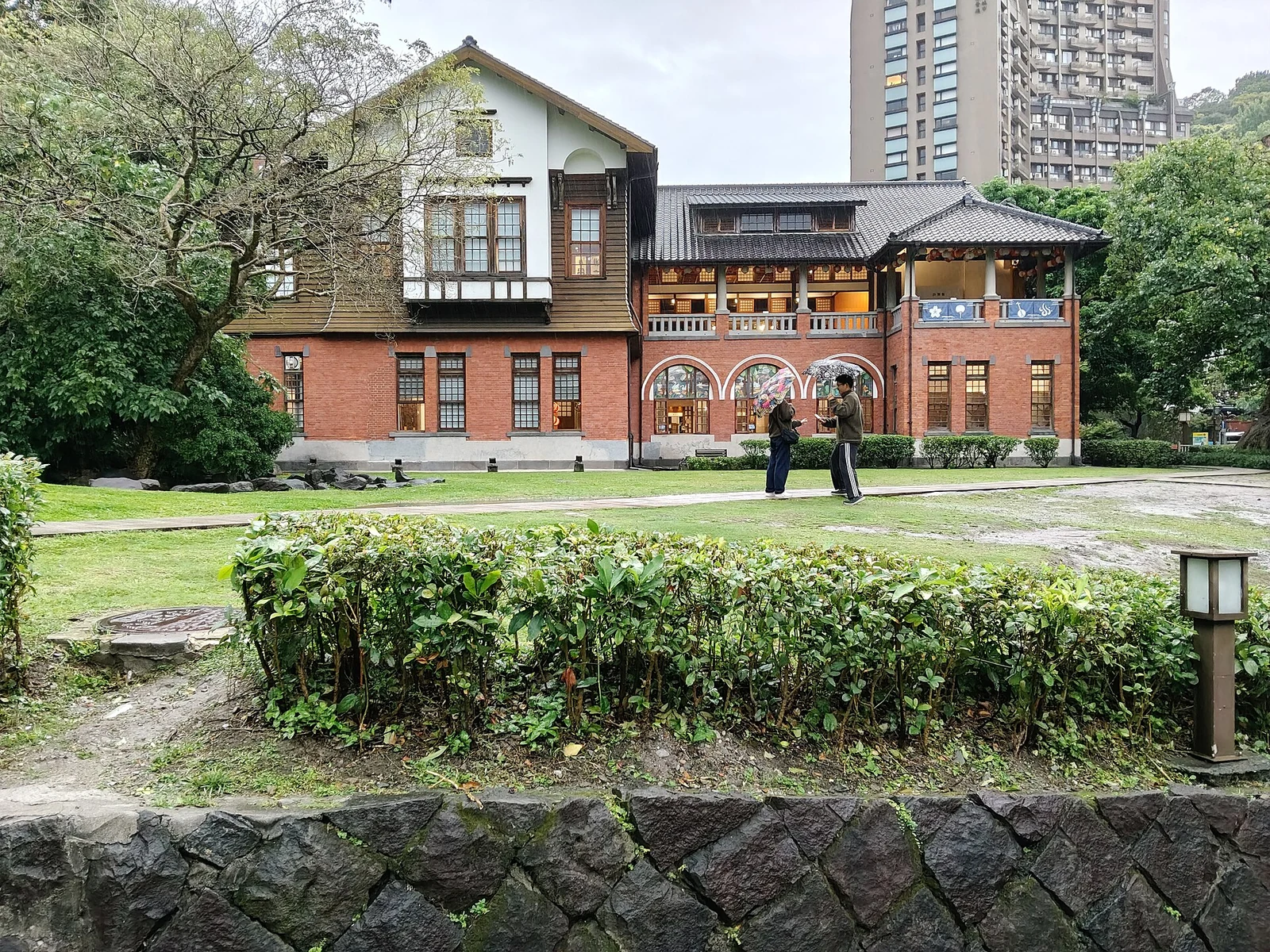
Taipei
Beitou
A volcanic valley north of central Taipei, where hot-spring bathhouses line the lanes and a 1913 public bath has become a museum.
Taiwan through its ports, coasts and streets
Follow the cargo, the stone, the timber and the lanes that hold a place together.
Begin in Dadaocheng, where a river port left its shape in shop-houses and tea stores. From there, four reading threads move through Taiwan by specific objects and places: cargo at old ports, materials given another use, coasts lived beside, and temples woven into street life.
Taipei
The tea and cloth trade left its mark on Dihua Street’s shopfronts. Begin here to see how commerce, worship and daily life share the same street.
Explore placeRiver streets, mountain rails and island shores.
Taipei
A volcanic valley north of central Taipei, where hot-spring bathhouses line the lanes and a 1913 public bath has become a museum.
Changhua
A Qing-era harbour town of narrow lanes, old temples and craft shops, preserved by its own decline.
Penghu
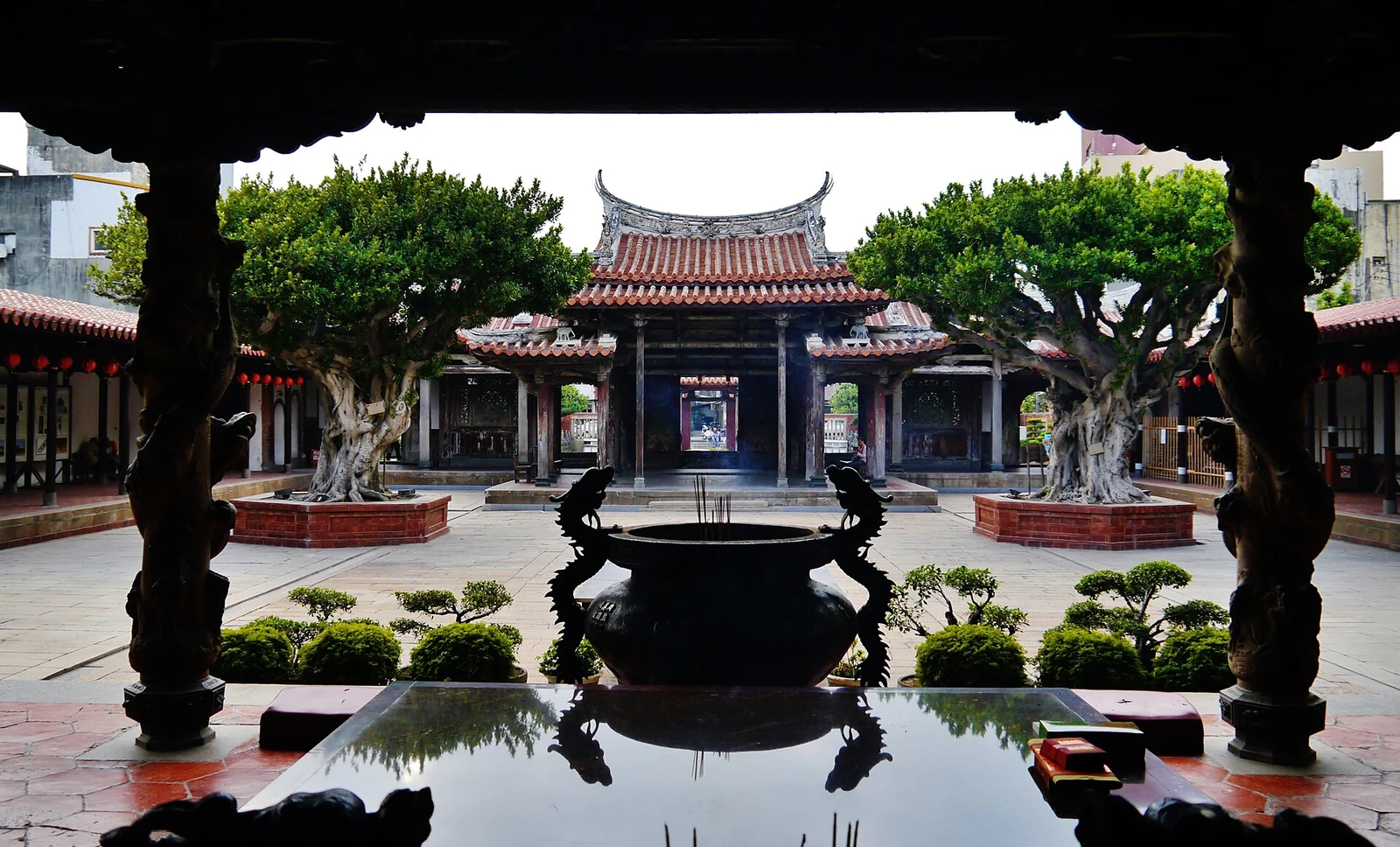
The capital of Penghu, built around a Mazu temple that may be the oldest in Taiwan.
Chiayi
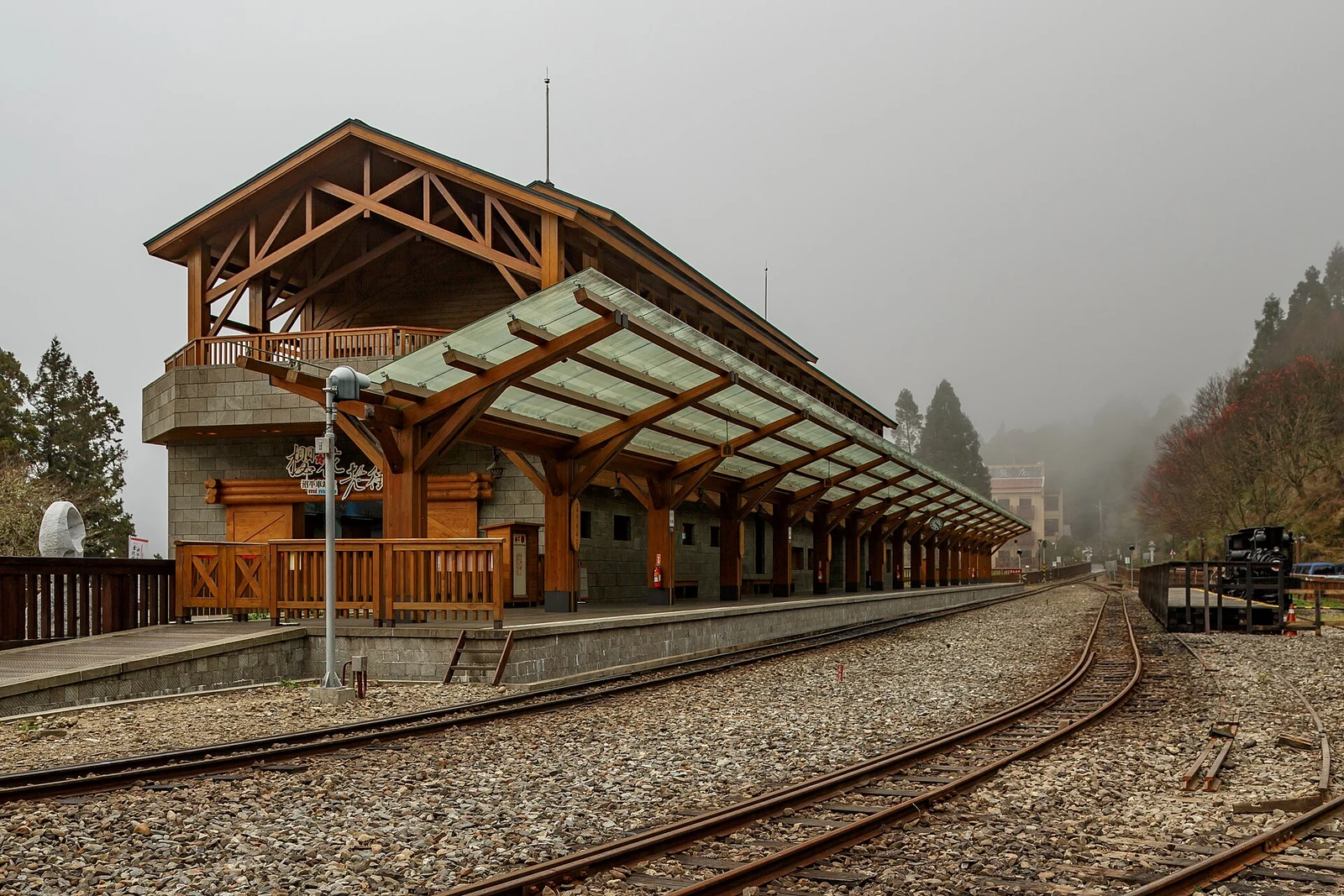
A 71.6-kilometre narrow-gauge line from Chiayi to the Alishan resort, built for cypress logging and now a tourist railway.
Hualien
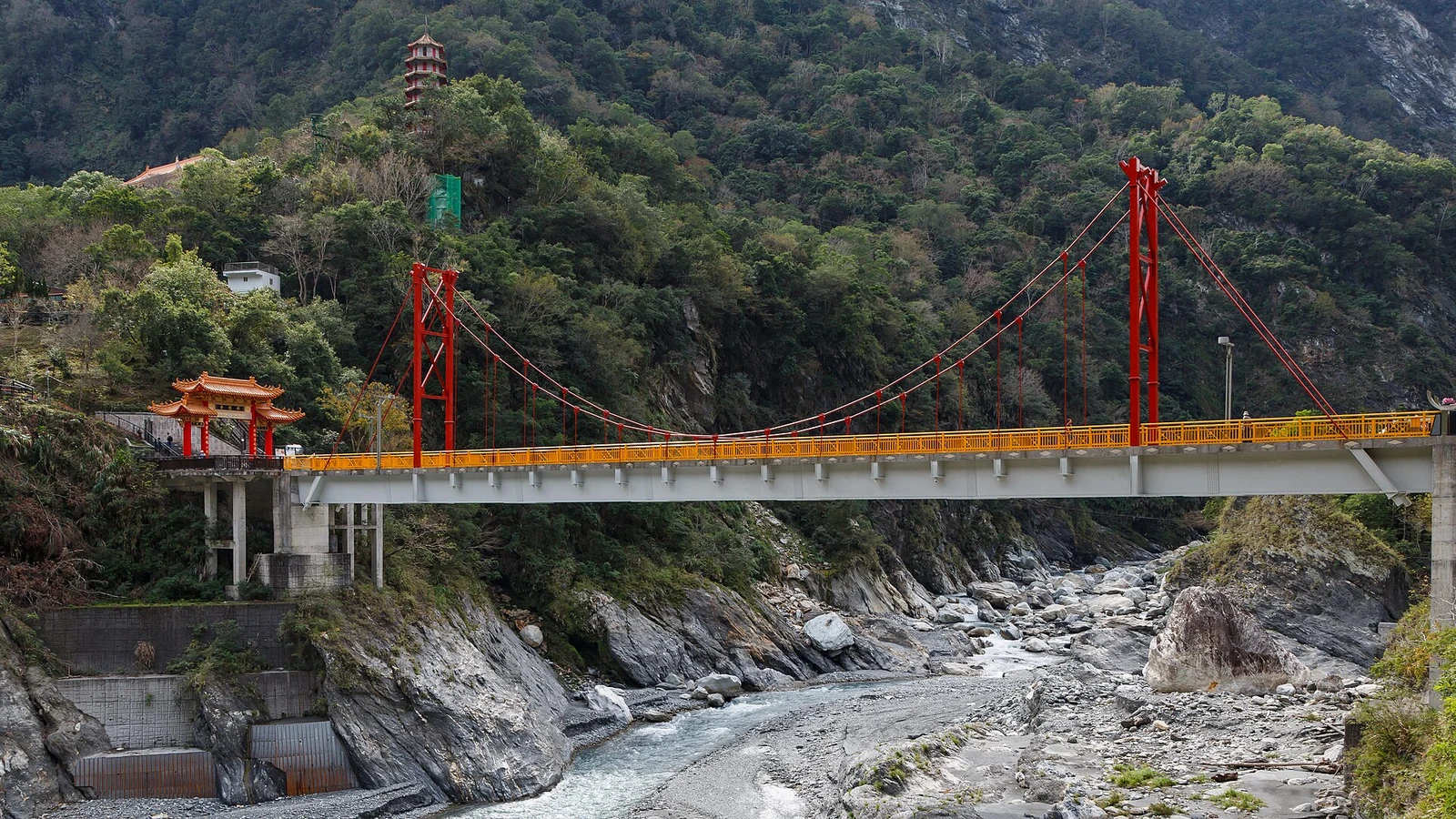
A marble canyon cut by the Liwu River, with trails, shrines and cliffs inside a 92,000-hectare national park.
Kaohsiung
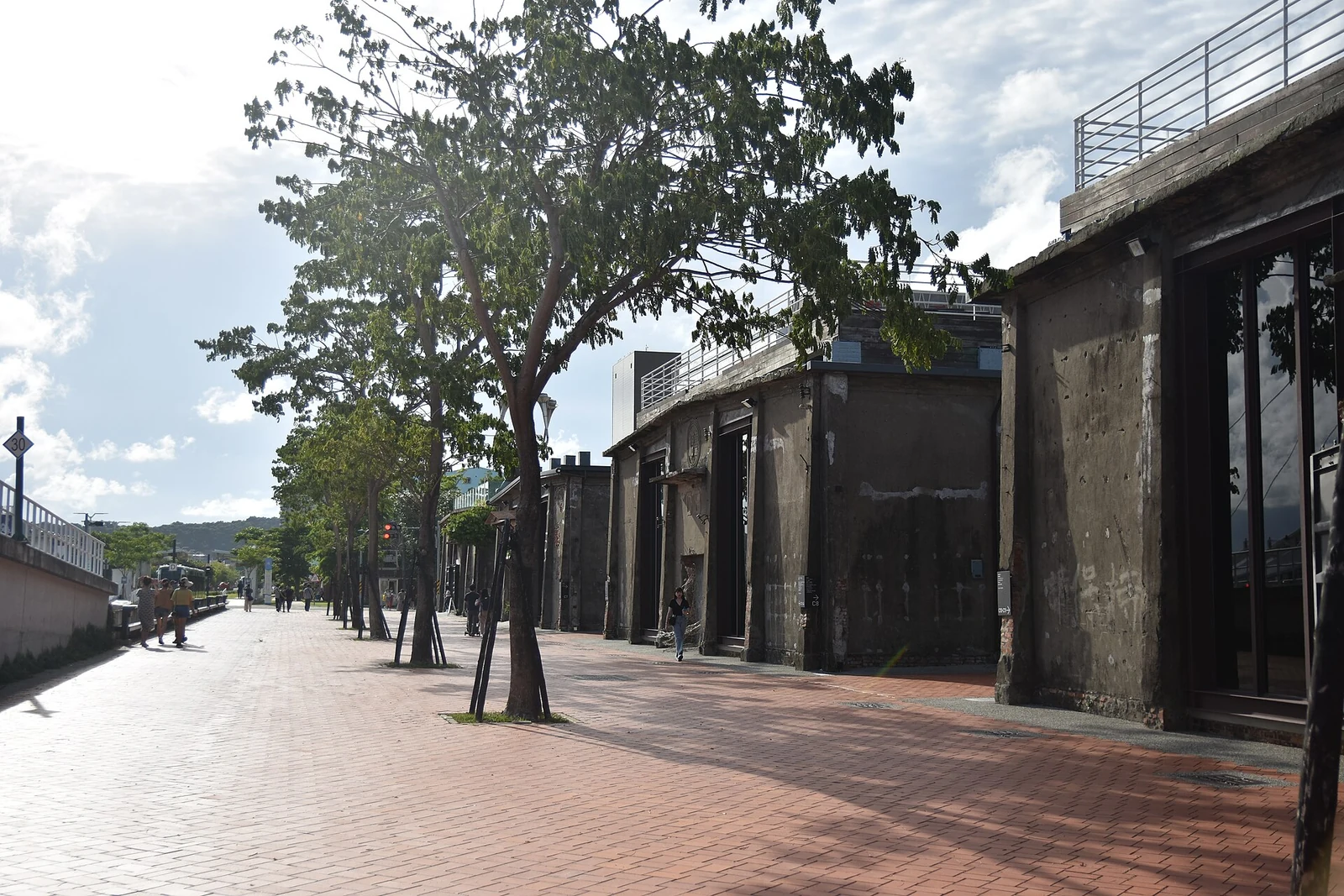
A row of 1973 harbour warehouses in Kaohsiung, reopened as galleries, studios and a railway museum.
Follow a subject that catches your interest, or open a city to browse all its stories.
Tea and cloth passed through Dadaocheng, while Lukang’s harbour gradually silted up. Forts above the water tell other port histories. Follow the places where cargo, streets and daily life met.
Dadaocheng turned a riverbank into Taipei's tea and cloth market in the 1860s. Dihua Street still sells the goods, and the City God still watches over its lanes.
Lukang was Taiwan’s second-largest city in 1800. Its harbour silted up, and its old lanes remain.
A fort, a consulate, a missionary's schools and an old street face the sea where the Tamsui River ends.
Keelung's harbour is a deep bay with the city packed into the few flat streets behind it. The temple night market is the old core's kitchen.
The Dutch built a headquarters on a sandbar at Anping. The sea has since retreated, leaving a fort, a tree house and a street of food stalls.
Paper workshops in Puli, railway buildings in Taitung and cypress dormitories in Chiayi reveal how familiar materials and old structures find new uses.
The 1999 earthquake flattened much of Puli. Taomi Village rebuilt around a paper church, and the town's paper mills turned toward visitors.
Taitung moved its railway out of the city centre and kept the old station. The platforms, warehouses and tracks are now an art village.
A block of Japanese cypress dormitories in Chiayi has been restored as a village of craft shops, small museums and tea rooms.
Pier-2's sheds were built for shipping in 1973. When the port moved on, artists moved in, and the city turned the row into an art centre.
Marble, basalt, tidal flats and steep sea cliffs shape distinct lives and landscapes. Read each coast on its own terms, from the eastern gorge to the western wetland and the islands offshore.
The Liwu River has cut a canyon through marble in eastern Taiwan. Taroko is both a national park and a Truku homeland, with roads shaped by the challenges of the terrain.
The Suhua Highway passes below Qingshui Mountain, whose summit is 2,408 metres above sea level. The coastal cliff has an elevation difference of about 800 metres.
Heping Island is a short bridge from Keelung, with a wave-cut platform of mushroom rocks and the site of a seventeenth-century Spanish fort.
Gaomei is a tidal wetland built from river silt and sorted daily by the sea. A boardwalk now carries visitors over the mud.
On a small island group in southern Penghu, farmers built stone walls across the tidal flats to trap fish. Some are still repaired each year.
Mazu temples watch over harbour towns, lanterns light old trading lanes, and towers rise beside Lotus Pond. Explore the worship and daily life that surround them.
Lukang Tianhou Temple is among Taiwan's oldest Mazu temples. Its halls, carvings and statues record three centuries of a seafaring town.
Shennong Street was a trading lane on the Five Channels. The water is gone, but the wooden shophouses and the dockworkers' temple remain.
Lotus Pond in Zuoying is ringed with temples. The Dragon and Tiger Pagodas, built in 1976, are entered through a dragon's mouth and left through a tiger's.
Penghu is a volcanic archipelago of ninety islands, with columnar basalt, a temple older than most of Taiwan's, and a wind that never stops.
Enter a city to discover its places and complete article library, from riverside streets to mountain forests and offshore islands.
A basin city of river ports, temple lanes and museums, ringed by hills and joined to the coast by two rivers.
Browse all storiesThe municipality around Taipei holds river mouths, gold-mining hills, ceramic towns and a long rocky coast.
Browse all storiesA rainy harbour city pressed between hills, with a night market around a temple and an island in the harbour mouth.
Browse all storiesA basin city laid out on a Japanese grid, with old markets, restored waterways and wetlands at the river mouth.
Browse all storiesA mountain county of lakes, tea slopes and paper villages, with the island's geographic centre in a basin.
Browse all storiesA coastal plain county south of the Dadu River, with an old port town that kept its lanes by losing its trade.
Browse all storiesThe island's oldest city, with Dutch forts, a Qing academy, temple lanes and a harbour that silted into streets.
Browse all storiesTaiwan’s largest port, where former warehouses have become cultural spaces and lakeside temples remain places of worship.
Browse all storiesA city on the plain at the foot of Alishan, where the forest railway begins and cypress dormitories have become a craft village.
Browse all storiesA long county on the Pacific coast, between a marble gorge and the sea, with the island's steepest mountain wall behind it.
Browse all storiesA sparsely settled county of rice valleys, indigenous communities and a coast facing the Pacific.
Browse all storiesAn archipelago of ninety islands in the Taiwan Strait, with basalt cliffs, old temples and a wind that shapes everything.
Browse all stories