Lukang takes its name from the deerskin trade of the Dutch period, when the harbour was known as Deer Port. By the eighteenth century the trade had changed to rice, cloth and ceramics, and the town became the main port of central Taiwan. Its heyday is usually dated from 1785 to 1845, when its population reached about twenty thousand and it ranked second only to Tainan. Merchant families built long shop-houses along narrow streets, and the harbour quay was lined with warehouses. The wealth of that period is still visible in the temples, which were funded by the same merchants.
From the journal
The port that lost the sea
Lukang was Taiwan’s second-largest city in 1800. Its harbour silted up, and its old lanes remain.
In the same city · Changhua ↗Deer skins and rice
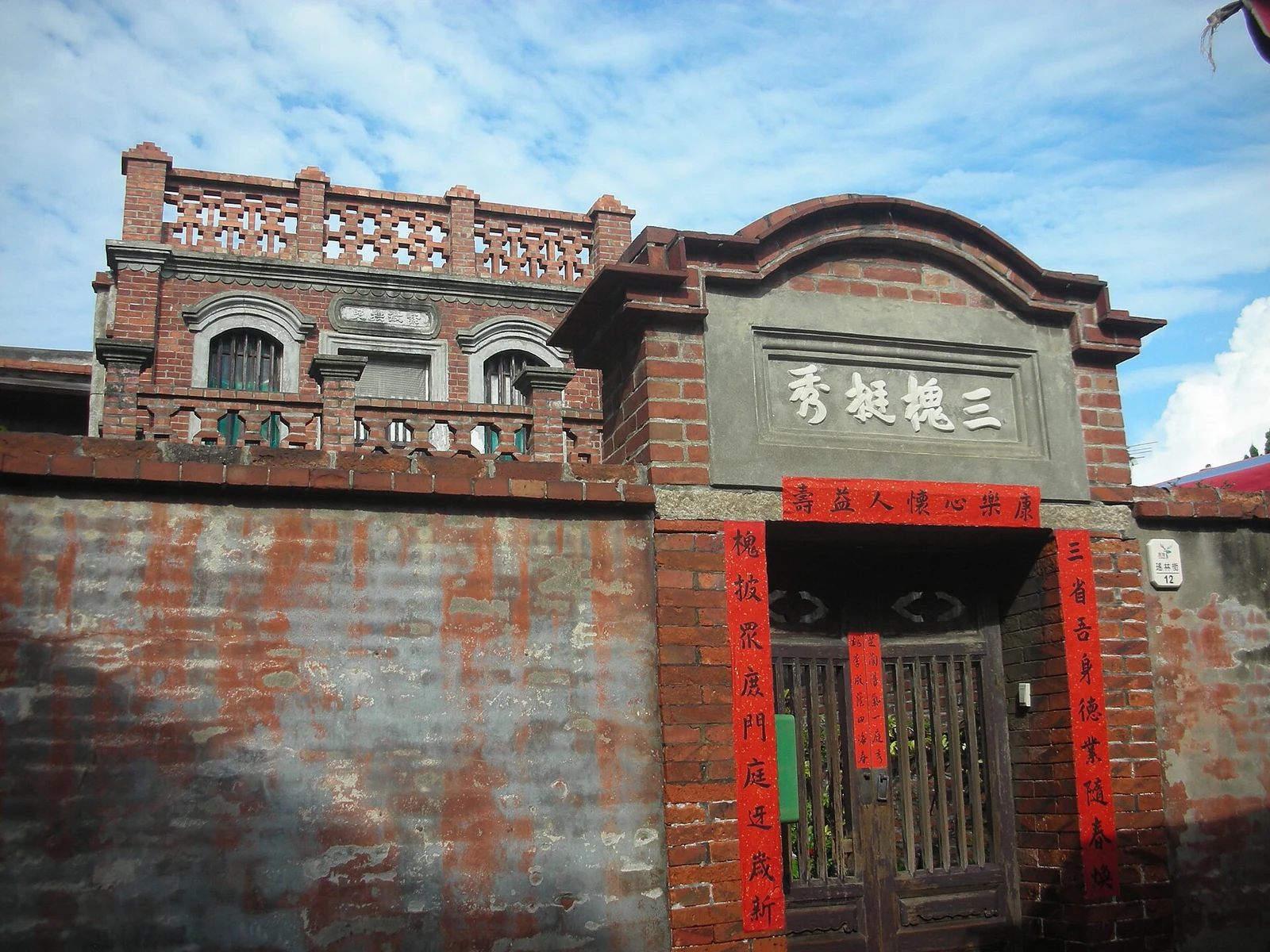
Harbour, railway and old lanes
Lukang’s harbour gradually silted up during the nineteenth century, while the trunk railway passed elsewhere. Railway planners connected administrative centres and weighed terrain and river crossings; the route left Lukang beyond the main line. The town’s old lanes still trace the compact streets of its port-era centre.
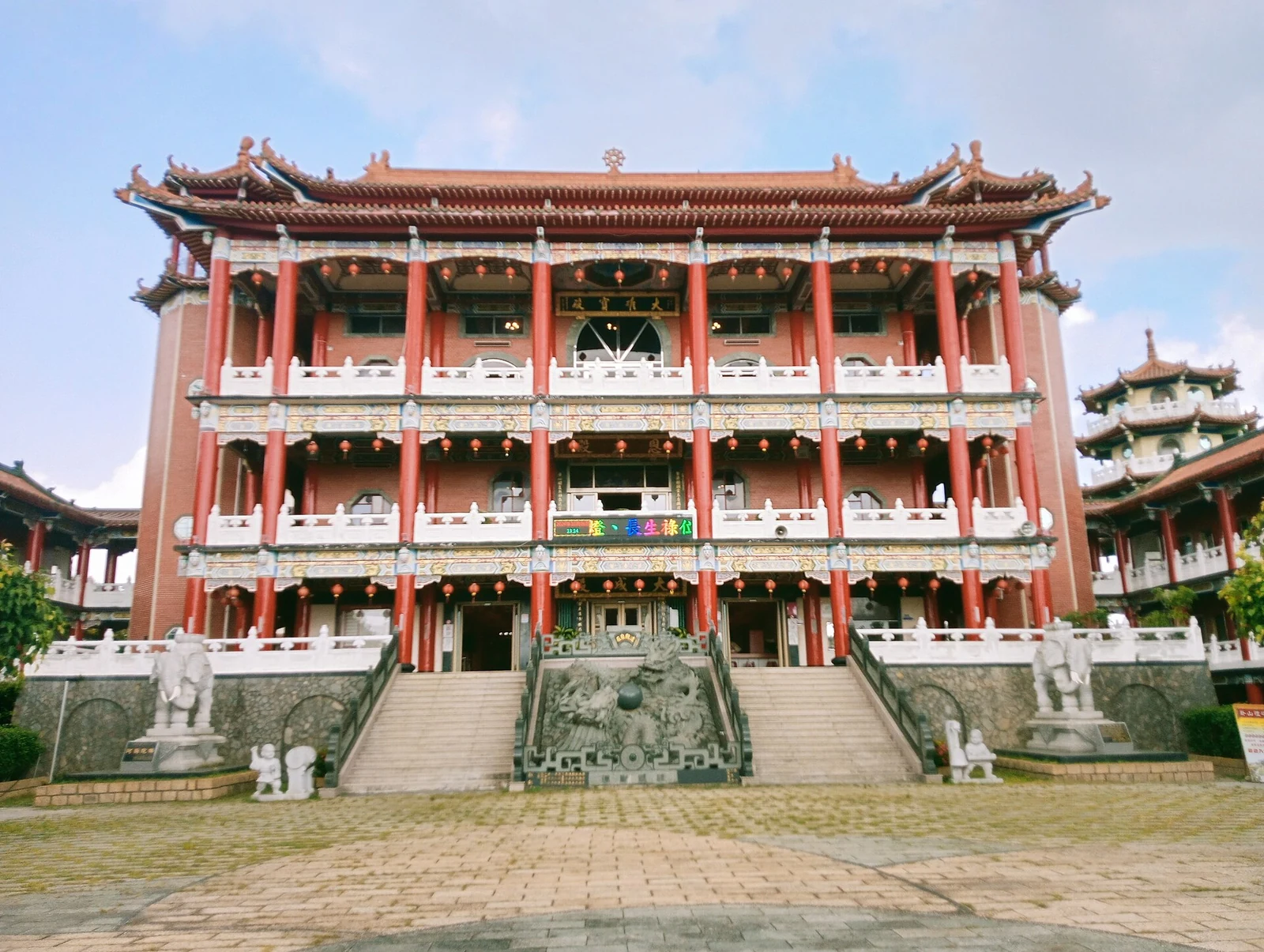
The lanes and the crafts
The old town is a dense network of lanes, with brick walls, wooden shopfronts and temples at the corners. Longshan Temple, founded in 1738, is the finest of them, with stone dragon columns and a theatre stage facing the main hall. Tianhou Temple, dedicated to Mazu, stands on Zhongshan Road and is one of the island's most important Mazu temples. The town is also known for its food: oyster pancakes, ox-tongue cakes and the pastries of Yu Jen Jai. Craftsmen still carve wood, make lanterns and work in tin. Nanguan music, brought from Quanzhou, is still performed, and the narrow streets are best walked slowly.