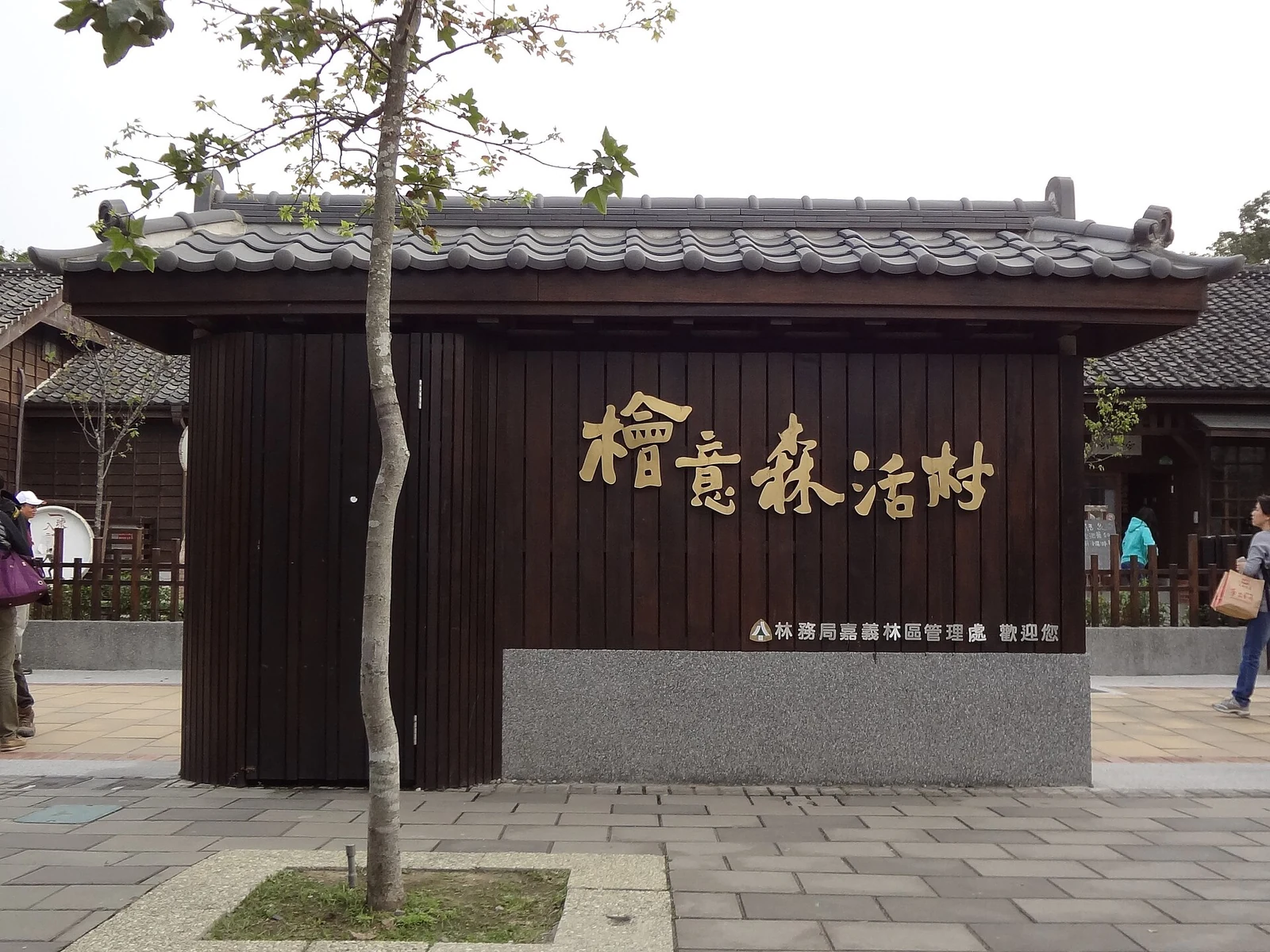
Chiayi's modern shape came from the forest. When the Japanese built the Alishan railway to haul cypress and Taiwania timber, the city became the administrative centre of the logging operation. The forestry division needed offices, warehouses and housing for its staff, and a quarter of wooden dormitories grew up near the railway station. The houses were built in the Japanese style, with raised floors, sliding screens, deep eaves and small gardens. The name Hinoki Village comes from the Japanese word for cypress, the timber at the heart of Chiayi’s forestry industry.
From the journal
The forest officers' quarter
A block of Japanese cypress dormitories in Chiayi has been restored as a village of craft shops, small museums and tea rooms.
In the same city · Chiayi ↗A town built on cypress

Repair, not replica
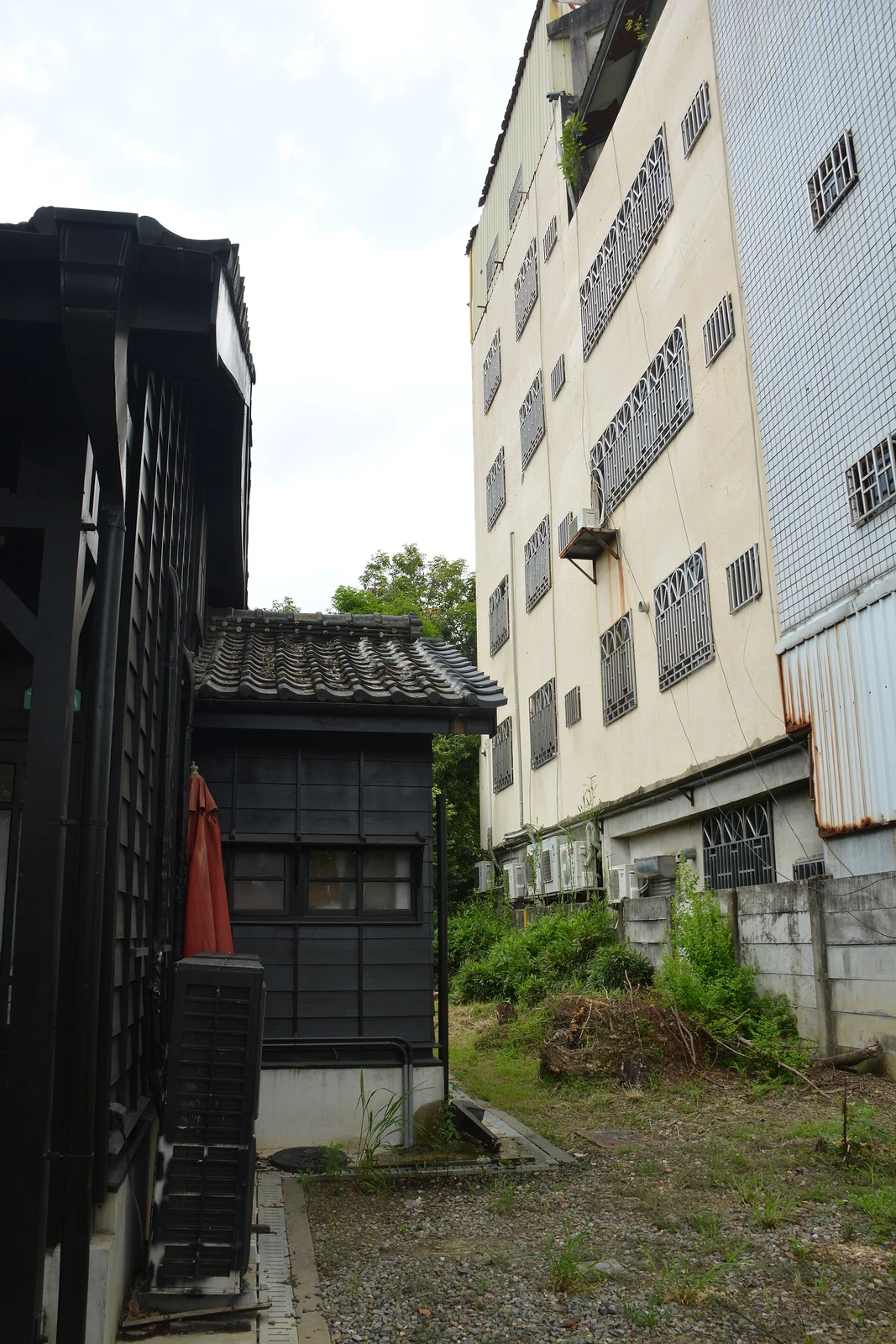
After the logging industry declined, the dormitories were left to decay. The Executive Yuan approved a plan to preserve the site in 2009, and work began on repairing the buildings and opening up their interiors. Some partition walls were removed to make room for exhibitions and shops, but the structure, roofs and materials were kept. The site includes twenty-eight wooden dormitories and several larger buildings, among them the director's residence, a guest house and a public bathhouse. It opened to visitors in January 2014, and the operator changed in 2026.
A slow hour near the station
The village is a short walk south of Beimen station, the second stop on the Alishan railway as it leaves Chiayi. The lanes between the houses are gravel and timber, and the shops sell locally made paper, woodwork, tea and sweets. Some of the rooms are small museums, with displays on forestry and on the architecture of the dormitories. The atmosphere is quiet on weekday mornings, when the light comes through the trees and the smell of cypress is strongest. It is an easy companion to a trip up the mountain, and a reminder that the railway was built for timber before it carried tourists.