On 21 September 1999 an earthquake centred near Jiji, just south of Puli, struck central Taiwan. In Puli the shaking damaged buildings across the basin, and Taomi, a small farming village on the edge of the town, was among the worst hit. The years that followed were a test of what a village does after the cameras leave. Taomi did not rebuild as it was. It added planting along its lanes, opened guesthouses, and made its ecological setting, a damp valley of bamboo and fireflies, into the thing visitors come to see. The village now describes itself as an eco-tourism community, and the change began with the earthquake.
From the journal
Paper, after the earthquake
The 1999 earthquake flattened much of Puli. Taomi Village rebuilt around a paper church, and the town's paper mills turned toward visitors.
In the same city · Nantou ↗The morning the basin moved
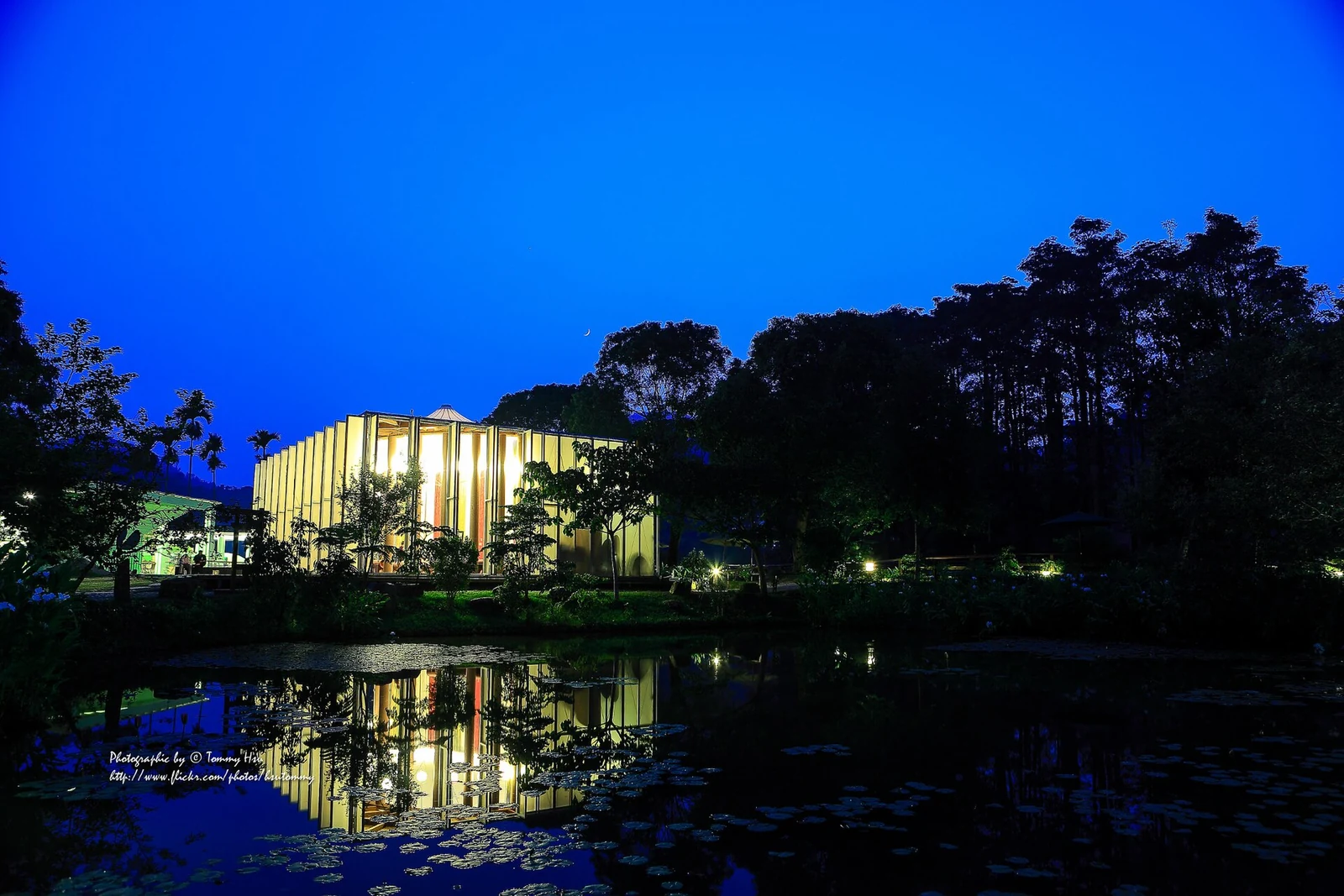
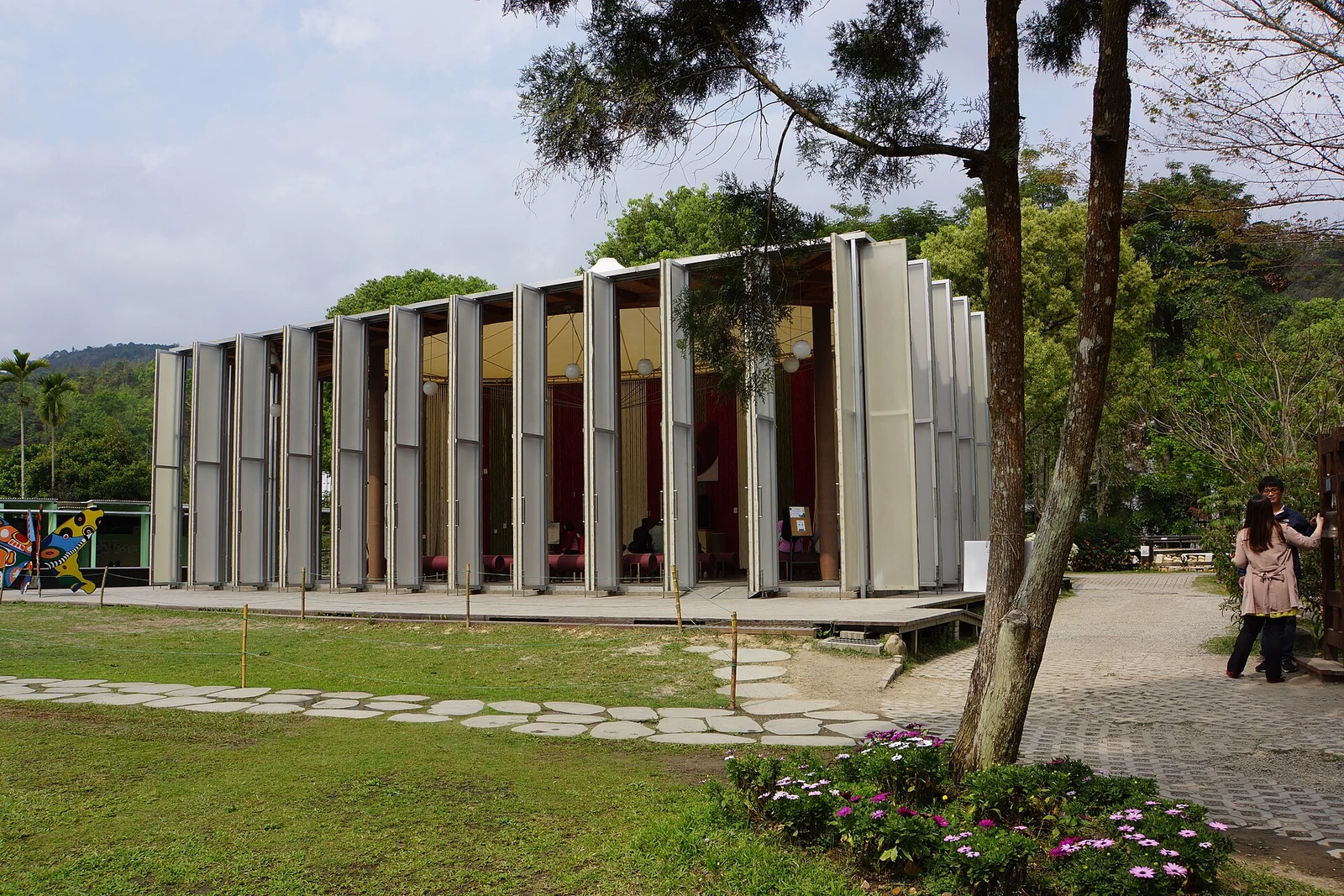
A church of cardboard tubes
The Paper Dome was dismantled in Kobe beginning on 6 June 2005. Its components were shipped from Kobe and arrived at Taichung Port on 28 June. In 2008, the structure was reassembled in Taomi, Puli, and the Paper Dome New Homeland site opened, nine years after the 921 earthquake.
The mills and the craft
Puli has made paper since the Japanese period, using the clean water and bamboo of the surrounding hills. Guangxing Paper Mill, founded in 1965, is the best-known survivor: it moved from mass production to handmade paper, then to tourism, with a workshop where visitors make sheets from pulp and press flowers into them. The town also has a brewery, a mushroom industry and a market that sells the produce of the basin. The paper story and the earthquake story are usually told separately, but they share a theme: a small place finding a new use for what it already had. The mill is a short drive from the Paper Dome.