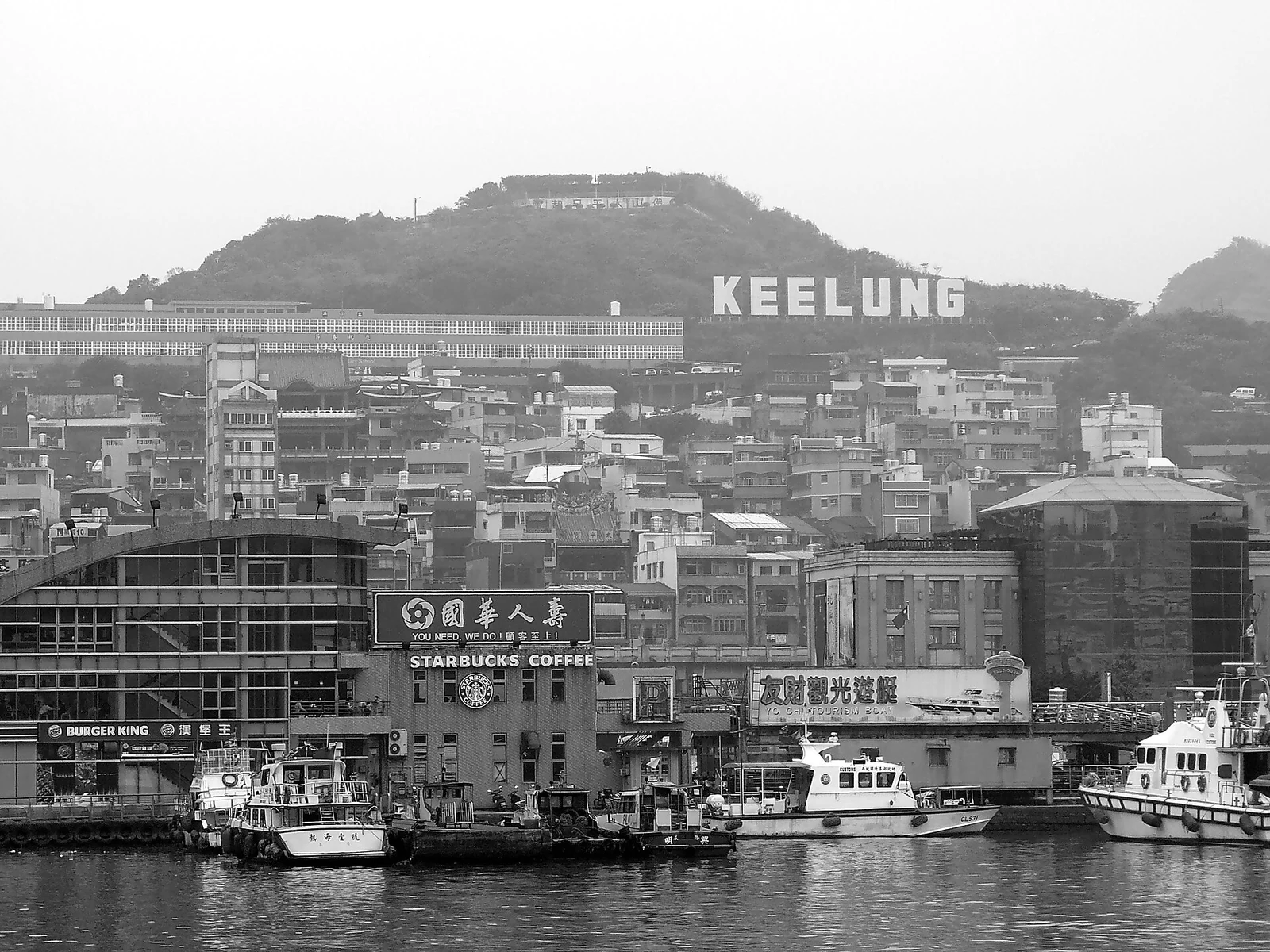
Keelung's harbour is a drowned river valley, deep enough for large ships and narrow at the entrance. Hills cover about ninety-five percent of the city's land, so the streets crowd the north shore and climb the lower slopes. The Spanish used the bay in 1626, the Qing made it a port in the nineteenth century, and the Japanese built the modern harbour and the railway that connected it to Taipei. By 1984 it was the seventh-largest container port in the world. Cargo handling later moved south to Kaohsiung, and Keelung turned toward cruise ships and the commuter traffic of the Taipei metropolitan area. The port is still the reason the city exists, and the water is never out of sight.
From the journal
A port between hills
Keelung's harbour is a deep bay with the city packed into the few flat streets behind it. The temple night market is the old core's kitchen.
In the same city · Keelung ↗A harbour with no room to spare
The market around the temple
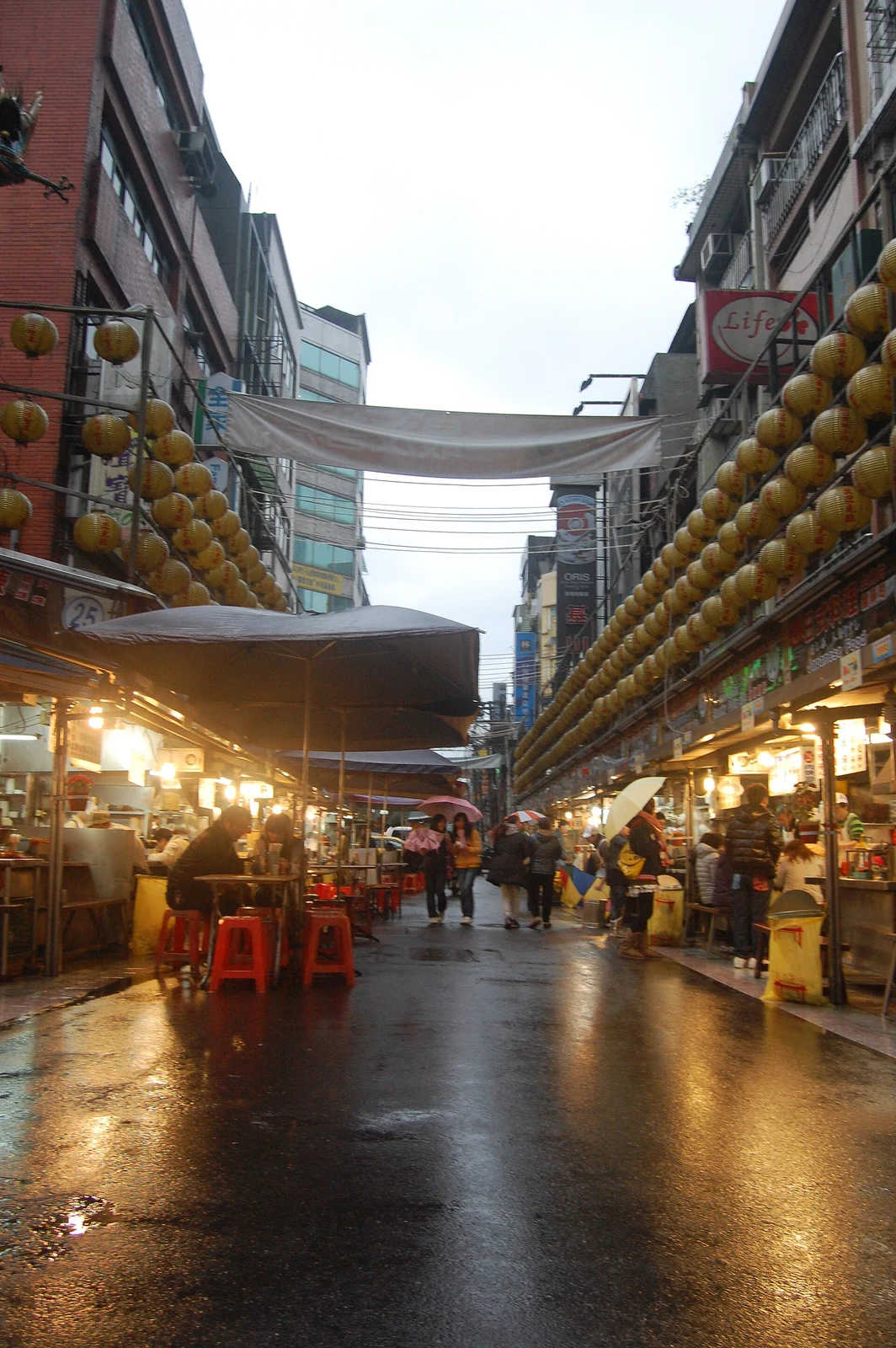
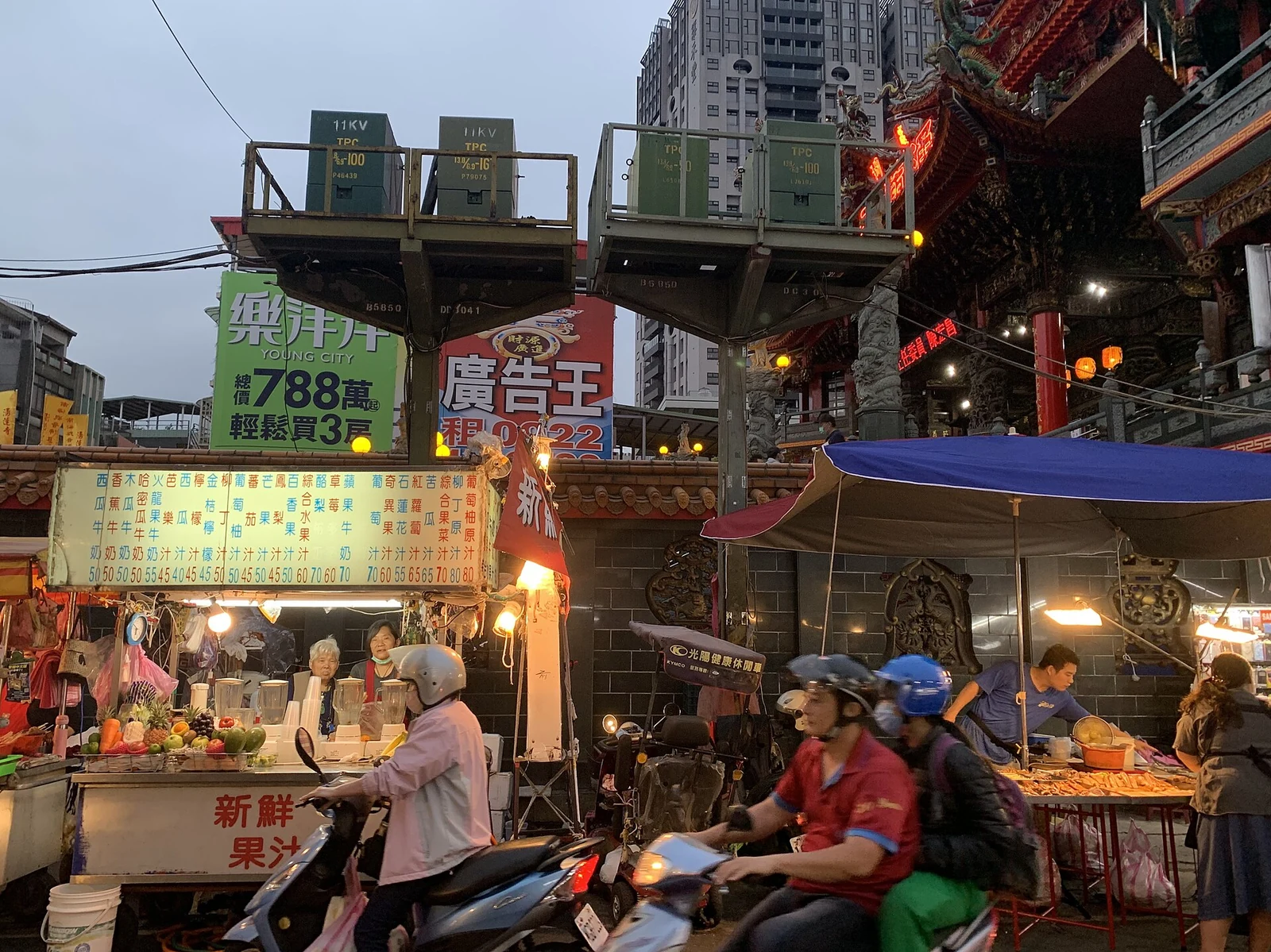
Miaokou means the temple mouth, and the name is exact. The Dianji Temple, founded in 1873, stands on Rensan Road, and the food stalls spread out from its courtyard along the surrounding streets. The market began with vendors who followed worshippers to the temple; in the postwar years the city registered more than sixty stalls, and the eating area now runs in an L-shape through the old commercial district. The specialities are fish-based and soup-based: thick rice noodles in a savoury broth, crab and seafood, pork ribs, eel, and a shaved ice called bubble ice. Many stalls keep long hours, and the market is as busy at midnight as at noon. It is a working neighbourhood kitchen, not a staged food street.
The rainy port
Keelung is nicknamed the rainy port. Moist air from the sea meets the hills and falls as frequent drizzle, and the city has learned to build for it: arcades over the sidewalks, covered markets and steep lanes that drain toward the harbour. The hills also hold traces of the port's military past. Forts and gun emplacements from the Qing and Japanese periods look down on the entrance, and the Sino-French War was fought around these waters in 1884. On clear days the view from the hills takes in the harbour, the island at the mouth and the sea beyond. On wet days the city is grey, close and full of umbrellas, which is the version most residents know best.