From the journal

The Plan of Confinement: Reading Lüshun’s Former Prison

Cell wings, inspection rooms and a Korean independence activist’s life make the prison legible without turning suffering into spectacle.

In the same city · Dalian ↗
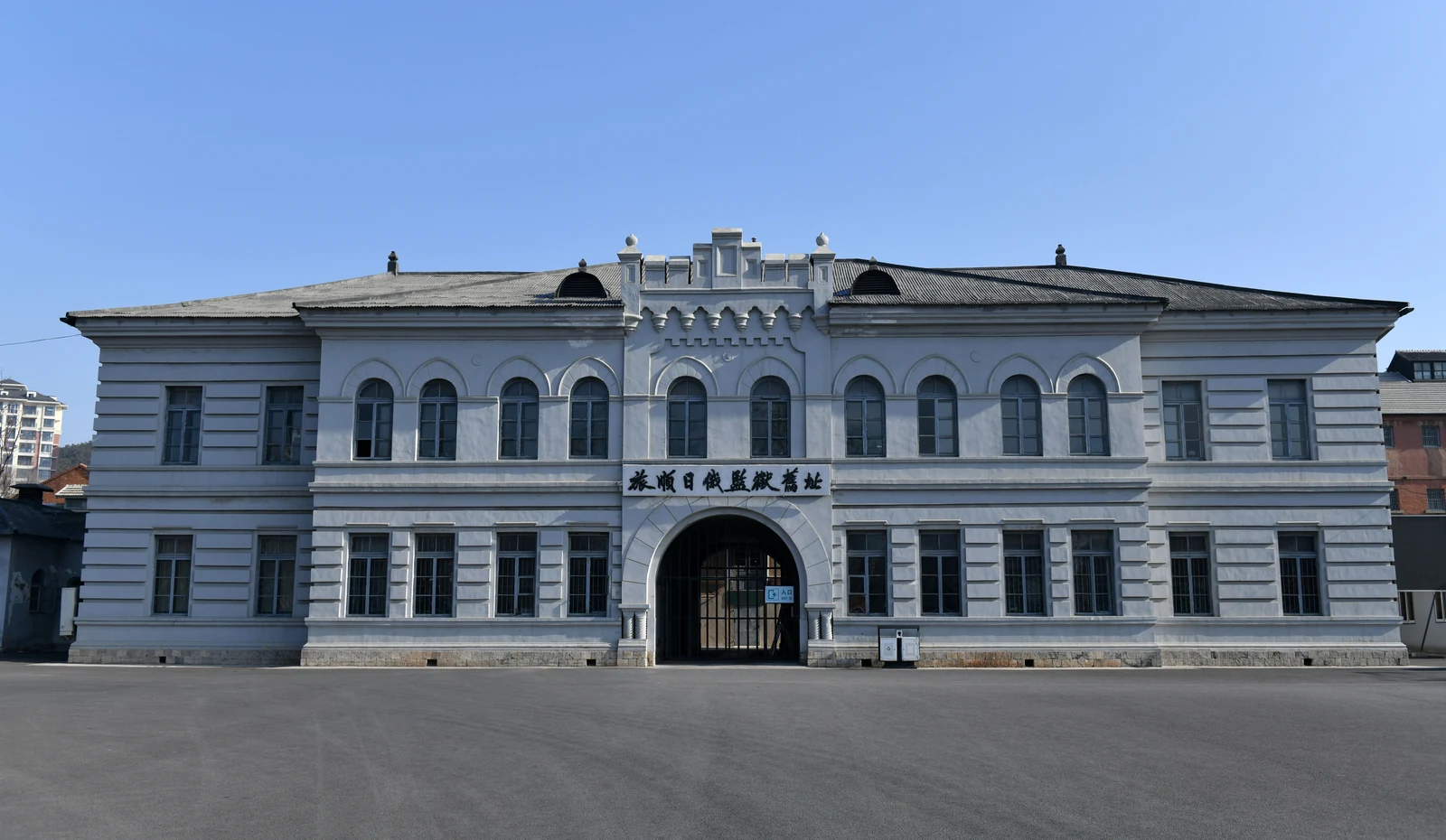
The grey two-storey entrance building of the former Lüshun Russo-Japanese Prison has rows of arched windows and a central barred gateway.
The entrance building of the former Lüshun Russo-Japanese Prison, now a museum.

A building organised around observation

Three cell wings converge at a guard observation point in the former Lüshun prison. The arrangement makes surveillance a visible architectural principle: circulation is gathered toward a position from which guards could monitor movement. It is a plan for unequal access to sight, space and choice.

The surviving complex contains Russian and Japanese building phases. The name records successive colonial administrations, each leaving alterations to the site. The western cell block preserves visible differences between the Russian and Japanese construction phases.
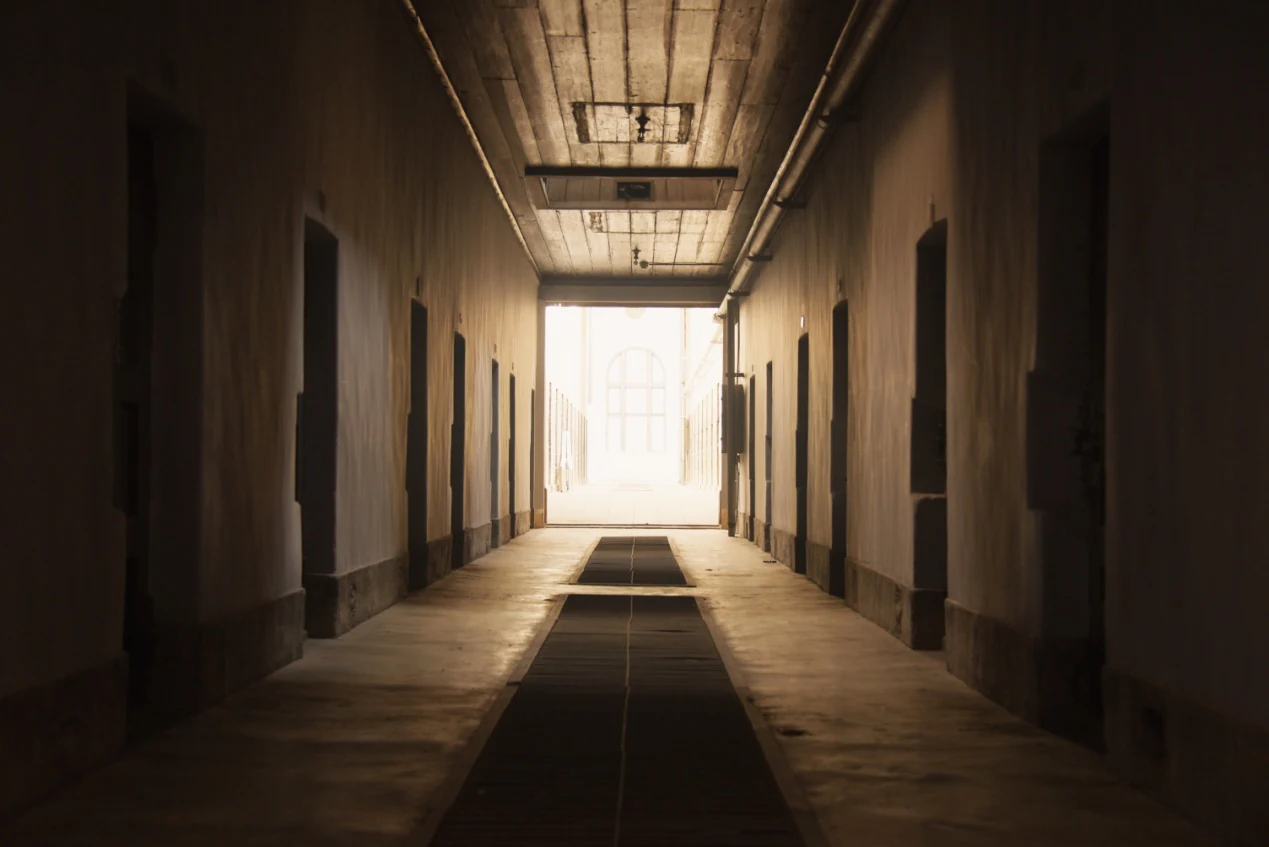
A dim corridor runs between rows of cell doorways toward a bright window, with long grilles in the floor.
The west cell corridor at Lüshun Prison, in the part first built during Russian rule.

Work and inspection beside the cells

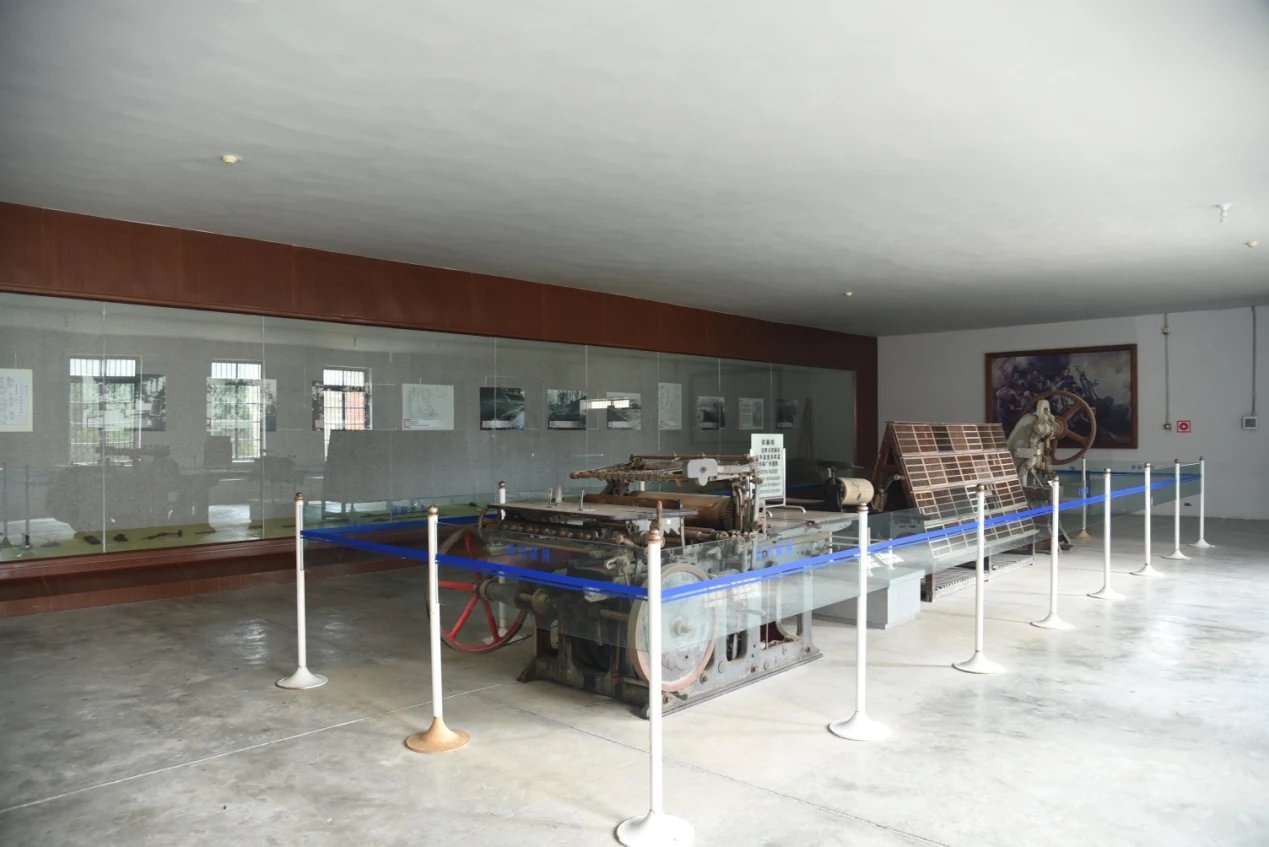
The official heritage account identifies inspection spaces, dark cells and workshops alongside the main cell blocks. One workshop produced military gloves. That practical detail shows how confinement could be connected to the demands of the wider military system.

A prison’s violence is not recorded only in its most shocking spaces. Procedures for searching bodies, examining correspondence and organising labour also reveal how authority entered everyday life. The guard post, inspection room and workshop imposed a daily sequence of controlled movement. Communication, work and the use of space were all subject to the prison administration.

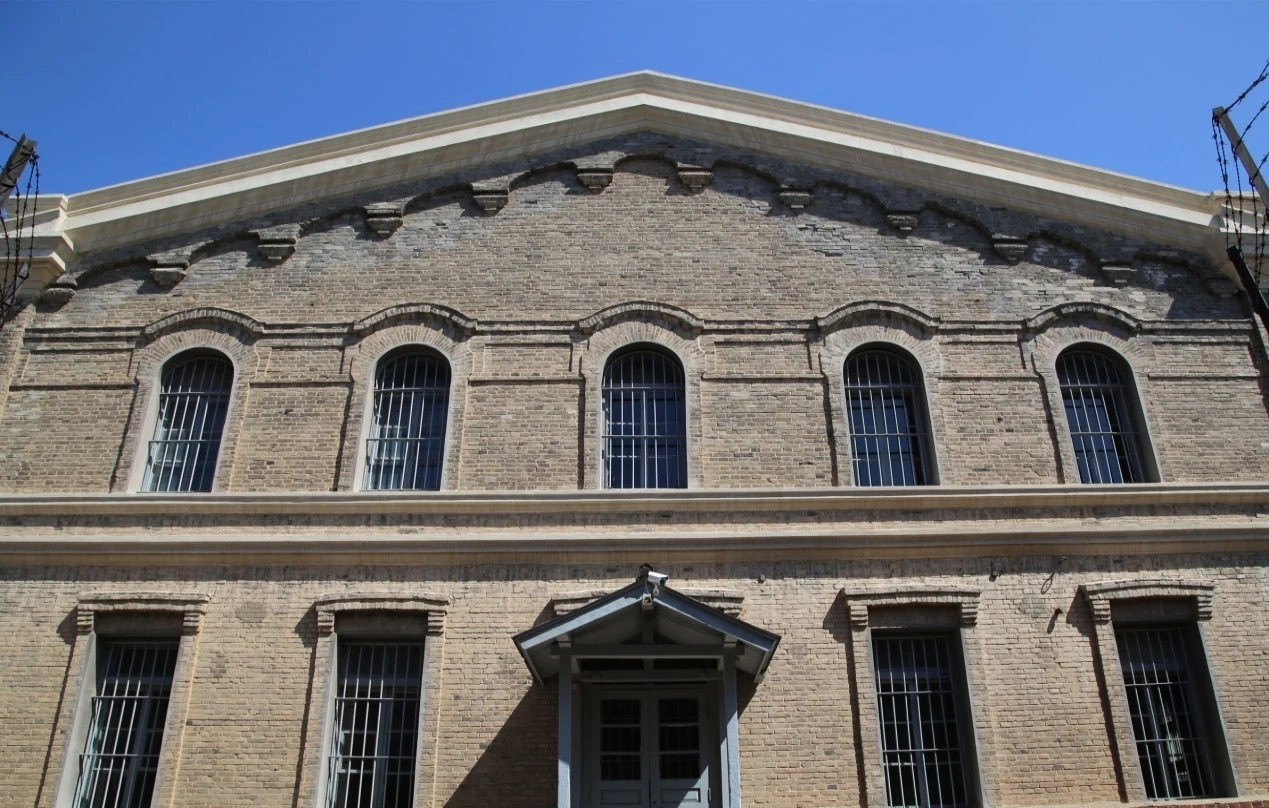
A grey-brick two-storey building has a row of barred arched windows above a small entrance porch.
The former office block at Lüshun Prison, identified by the official heritage record as including guard offices.

One life connecting several places

Ahn Jung-geun links the prison with the history of Korean resistance to Japanese imperial expansion. On 26 October 1909, he shot Itō Hirobumi, Japan’s former resident-general in Korea, at Harbin railway station. He was brought to Lüshun prison on 3 November, tried in February 1910 and executed in the prison on 26 March 1910.

The trial and detention should not be collapsed into one building. The Japanese Kwantung Court site in Lüshun is a separate institution. Following the sequence from Harbin to prison and court also makes the regional scale clear: this was a Korean activist’s life shaped by imperial power across several places in northeastern Asia. His case gives an individual dimension to the site without making him representative of every person imprisoned there.

A museum is a later chapter

The former prison opened as a museum in July 1971 and received national heritage protection in 1988. Its present role is therefore another historical layer. Preserving the building makes evidence available; interpretation determines how that evidence is connected to names, dates and wider systems.

Restoration gave the prison a new public purpose while preserving the arrangement of its cells, inspection spaces and workshops. The building now connects individual biographies with the daily organisation of confinement.

Large machines are displayed behind glass and blue barriers in a plain room with barred windows and wall exhibits.
Machines displayed in the former No. 1 workshop at Lüshun Prison.
Continue exploring · Lüshun Russo-Japanese Prison Site ↗
Photo credits and rights
  1. The entrance building of the former Lüshun Russo-Japanese Prison, now a museum.Source: Liaoning Provincial Department of Culture and Tourism, via the Liaoning Provincial Government website. Photographer and image license not stated. · Rights status unknown Photo source ↗ Original aspect ratio retained. Display copies resized only when needed; no enlargement, crop or retouching.
  2. The west cell corridor at Lüshun Prison, in the part first built during Russian rule.Source: Liaoning Provincial Department of Culture and Tourism. Photographer and image license not stated. · Rights status unknown Photo source ↗ Original aspect ratio retained. Display copies resized only when needed; no enlargement, crop or retouching.
  3. The former office block at Lüshun Prison, identified by the official heritage record as including guard offices.Source: Liaoning Provincial Department of Culture and Tourism. Photographer and image license not stated. · Rights status unknown Photo source ↗ Original aspect ratio retained. Display copies resized only when needed; no enlargement, crop or retouching.
  4. Machines displayed in the former No. 1 workshop at Lüshun Prison.Source: Liaoning Provincial Department of Culture and Tourism. Photographer and image license not stated. · Rights status unknown Photo source ↗ Original aspect ratio retained. Display copies resized only when needed; no enlargement, crop or retouching.