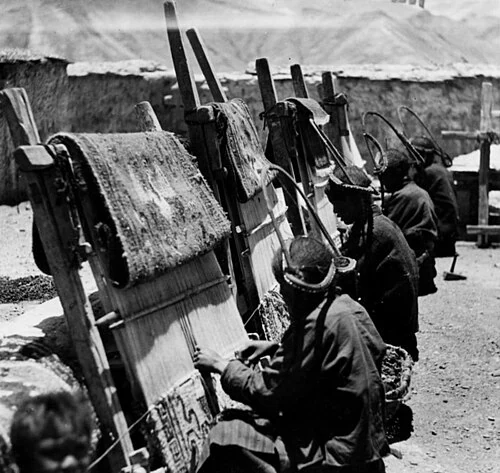
Gyantse Kadian: From Wool and Knots to a Soft Pile
A 2015 report from Gyantse follows carpet makers through the work of sorting, spinning, dyeing, weaving and shearing wool into a household textile.
A 2015 report from Gyantse follows carpet makers through the work of sorting, spinning, dyeing, weaving and shearing wool into a household textile.
In Lhatse knife-making, a forged steel blade meets a handle of horn or wood and a sheath worked in silver, copper and engraved motifs.
A 2015 report from Gyantse follows carpet makers through the work of sorting, spinning, dyeing, weaving and shearing wool into a household textile.
In Lhatse knife-making, a forged steel blade meets a handle of horn or wood and a sheath worked in silver, copper and engraved motifs.
ReadThe silver-covered wooden bowl associated with Tashijicai metalwork brings two materials and two kinds of making into one everyday object.
Read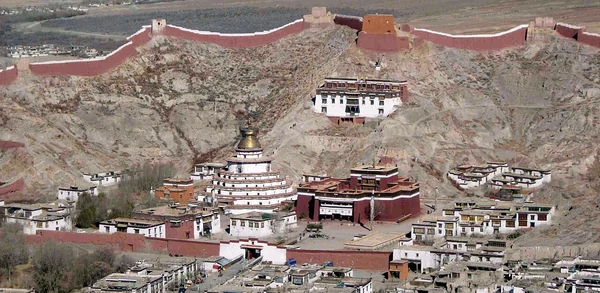
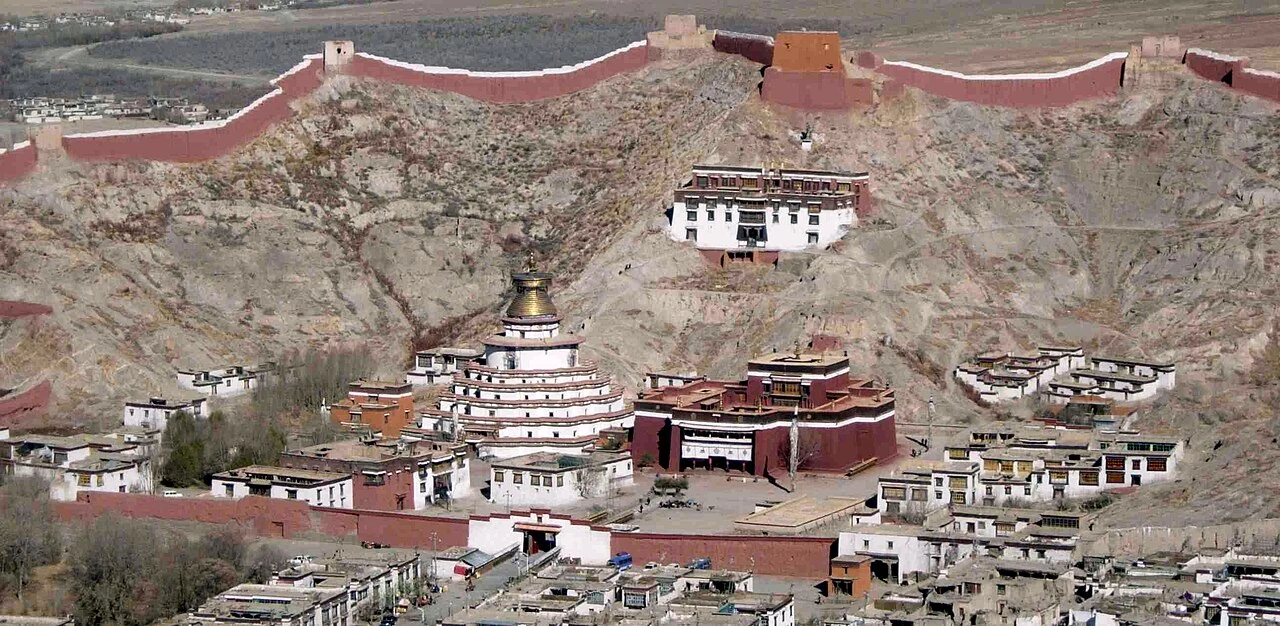
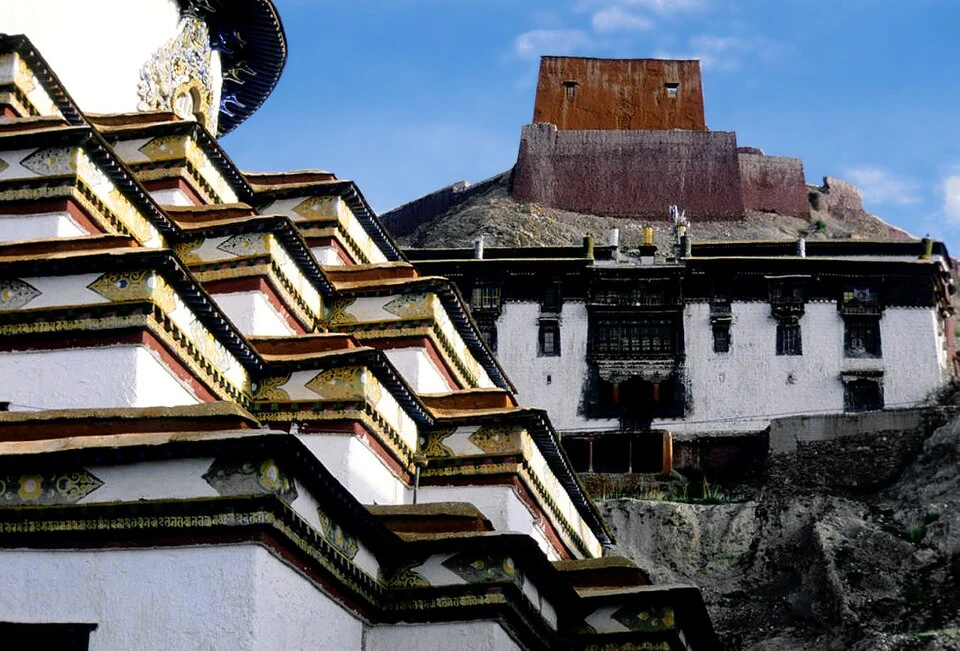
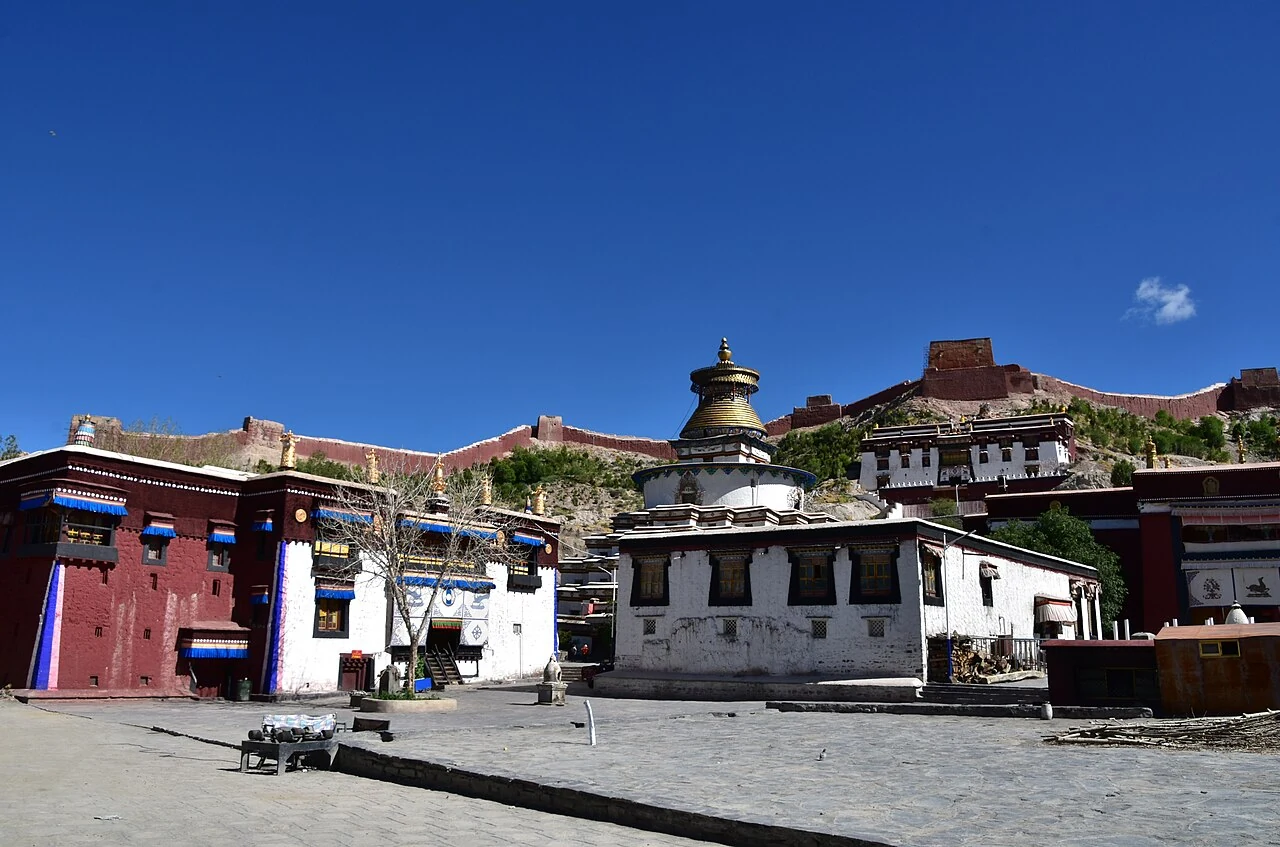
At Gyantse’s Pelkor Chöde, the Kumbum turns a stupa into an eight-storey sequence of chapels, painted programs and paths for circumambulation.
Read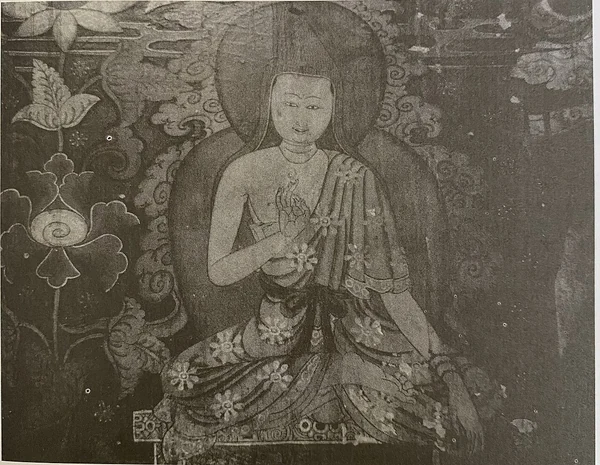
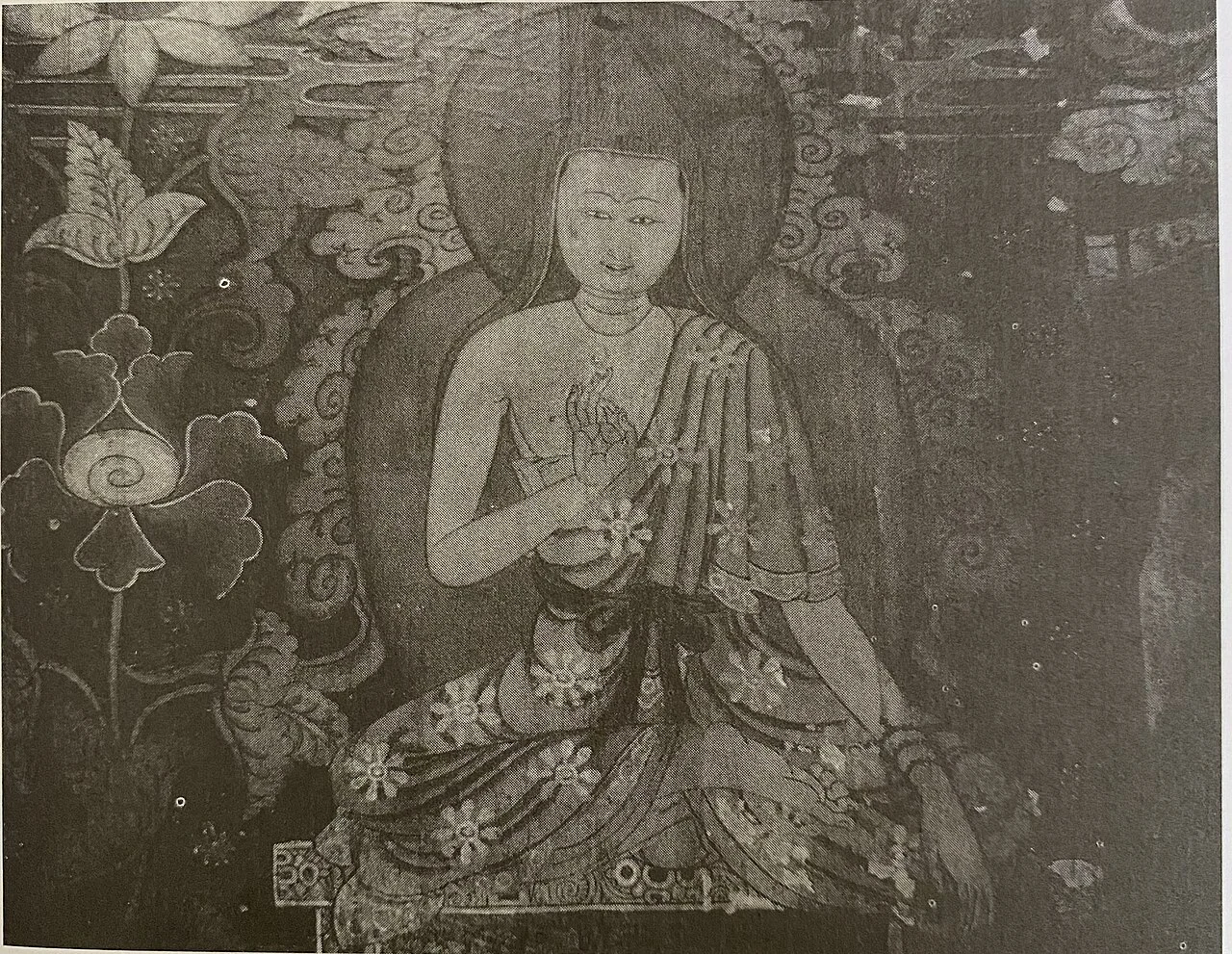
A fifteenth-century Kumbum project brought 73 chapels, a Shariputra mural and painters from across Tsang together at Pelkor Chöde.
Read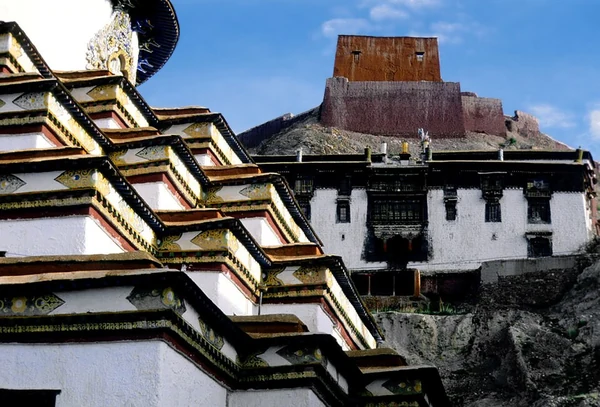
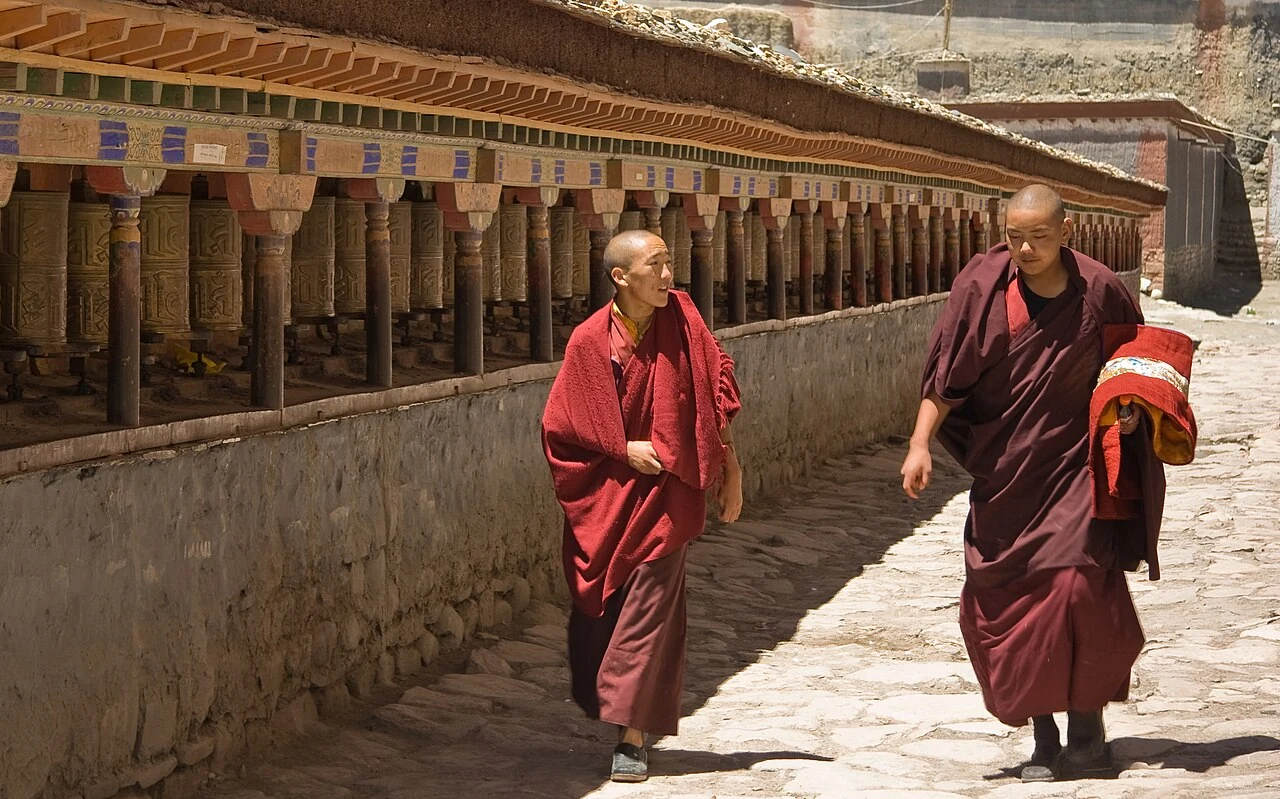
At Pelkor Chöde in Gyantse, Sakya, Kadam and Gelug monks have lived and practiced in the same monastery for many years, a shared setting reflected in its museums and halls.
Read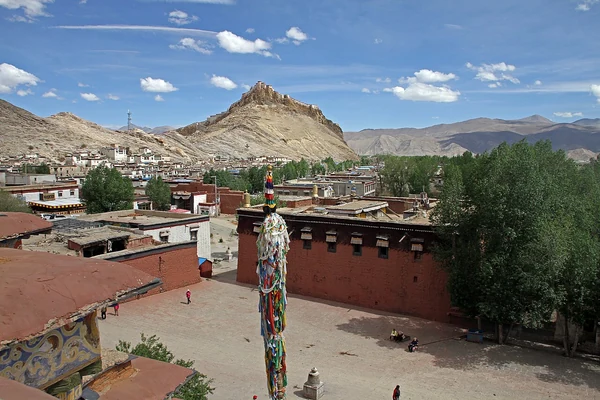
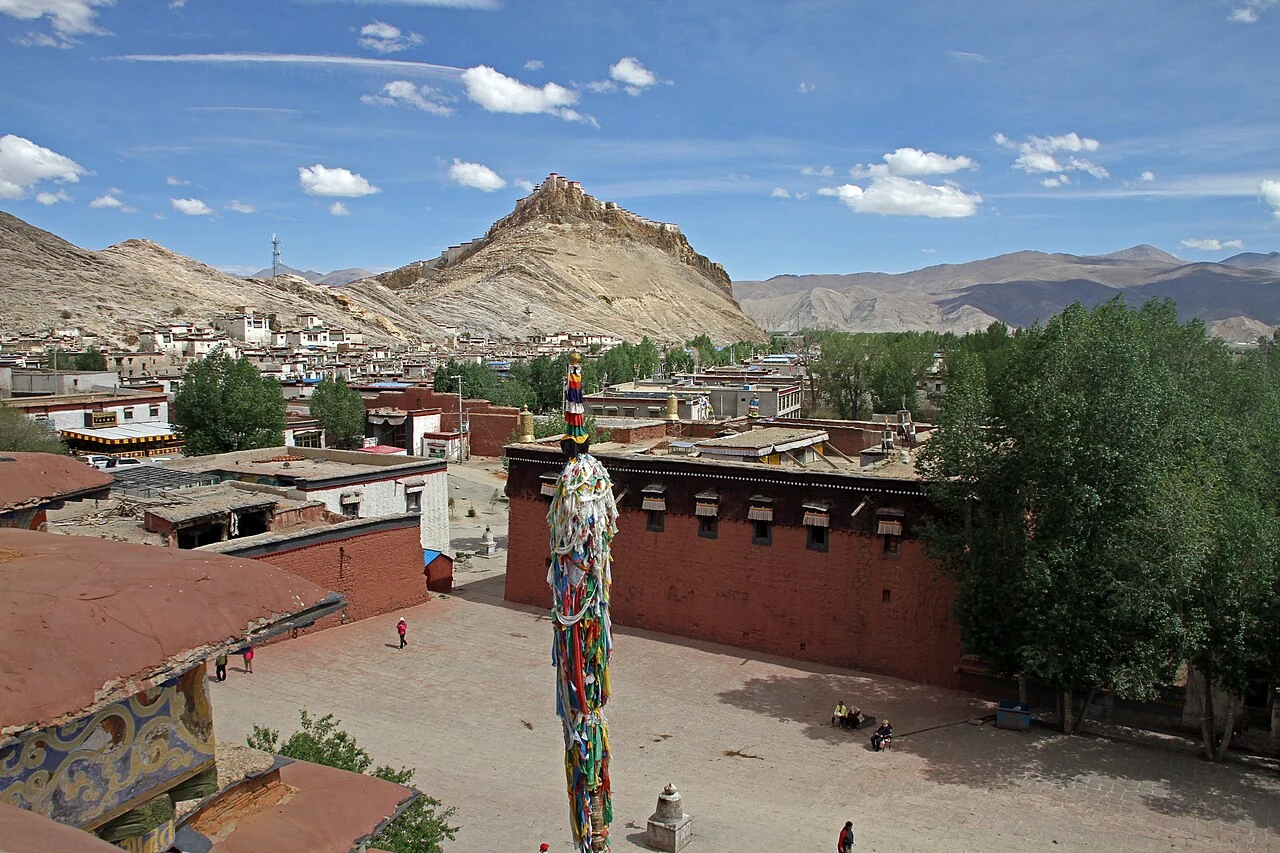
Built above the Nyangchu Valley, Gyantse Dzong joined administration, worship and defence in one hillside complex that still preserves traces of its former functions.
Read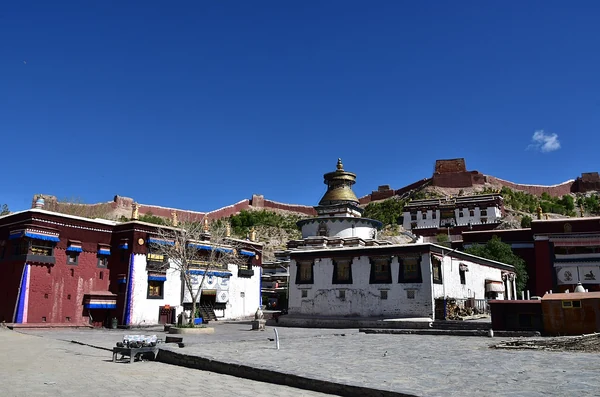
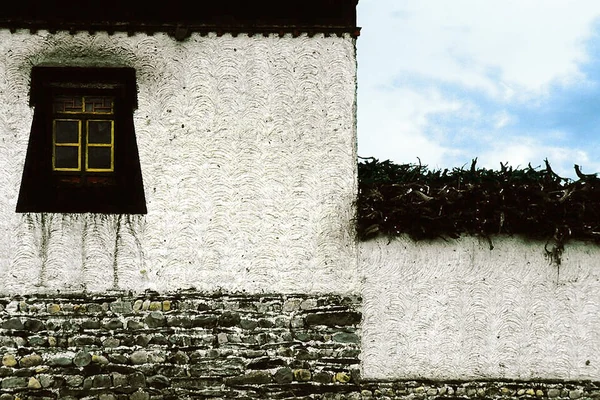
The rooms of Pala Manor and the compound opposite it preserve an architectural record of social hierarchy in Gyantse before 1959.
ReadA reported spring sowing beside the Nyangchu and an autumn harvest trace the seasonal rhythm of barley farming in Gyantse, while one farmer’s story keeps the account grounded in a particular place.
ReadA report from Gyantse follows barley farming through a thawing field, drone sowing and sensor-guided irrigation, showing how new tools enter the seasonal work of the Nyangchu Valley.
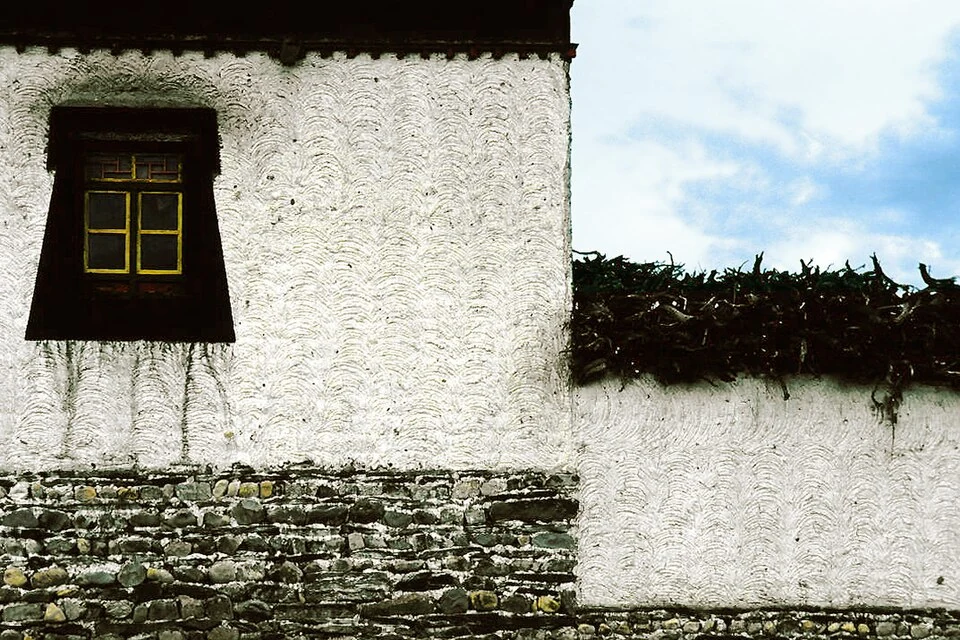
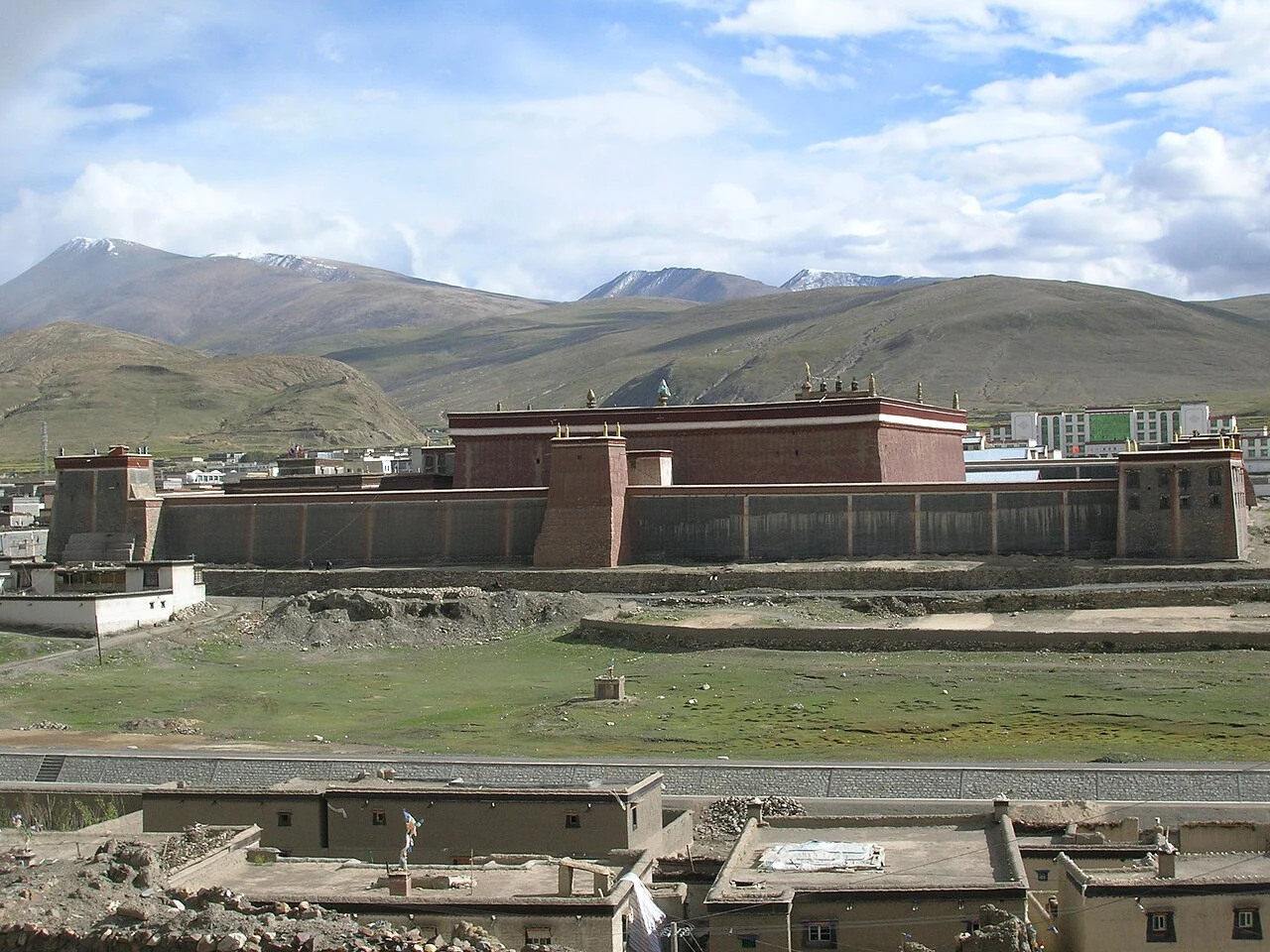
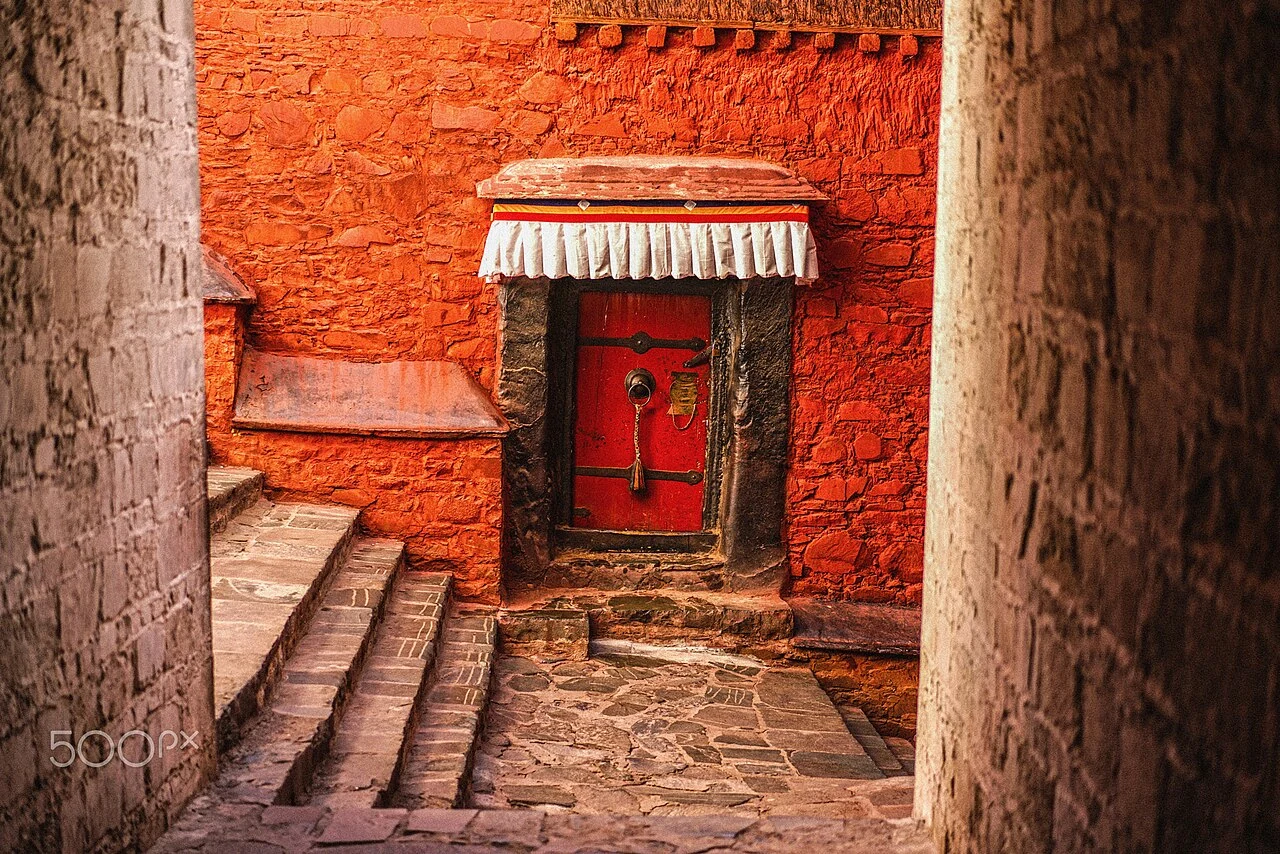
ReadAt Sakya Monastery, colour belongs to a carefully ordered complex: halls, monks’ quarters, walls and watchtowers shape a fortress-like religious landscape on Benbo Mountain.
Read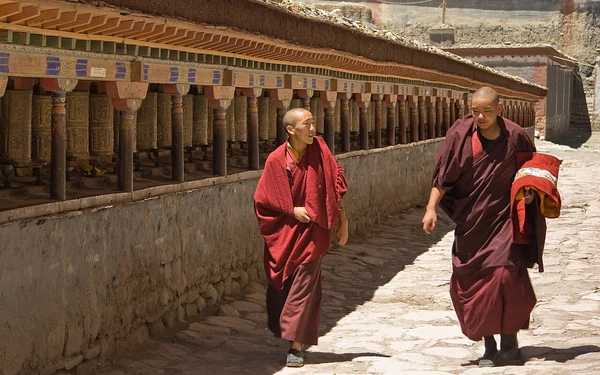
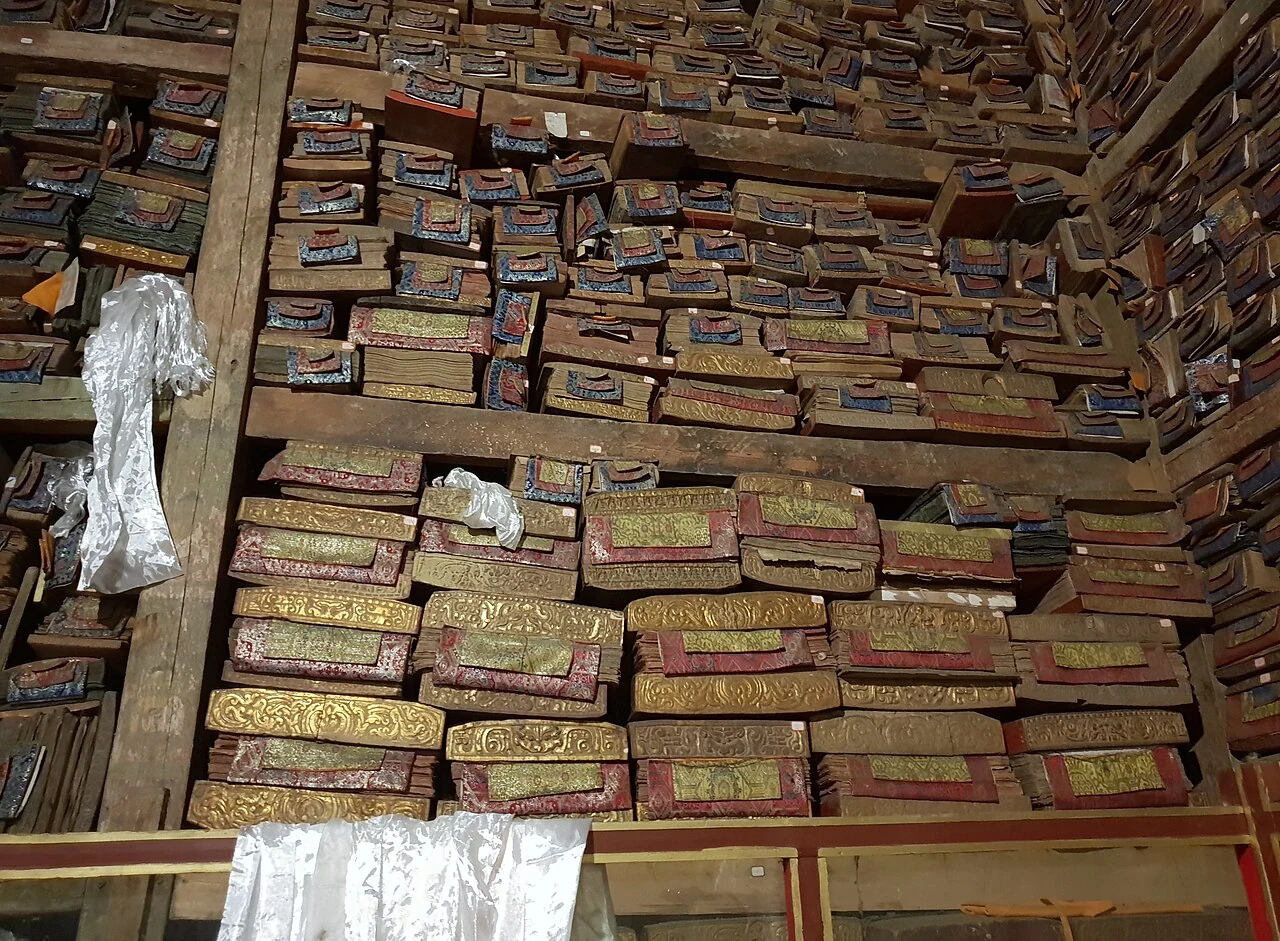
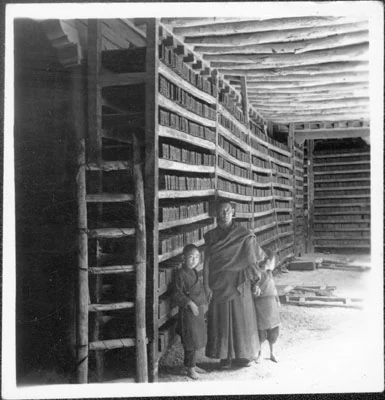
At Sakya Monastery, books are part of the architecture’s history: collections were moved during repairs, while later conservation work turned page-by-page scanning into another way of caring for them.
ReadSakya Monastery’s 1073 founding and Phagpa’s childhood within the Khön family show how religious learning and lineage shaped a centre of Tibetan Buddhist life.
Read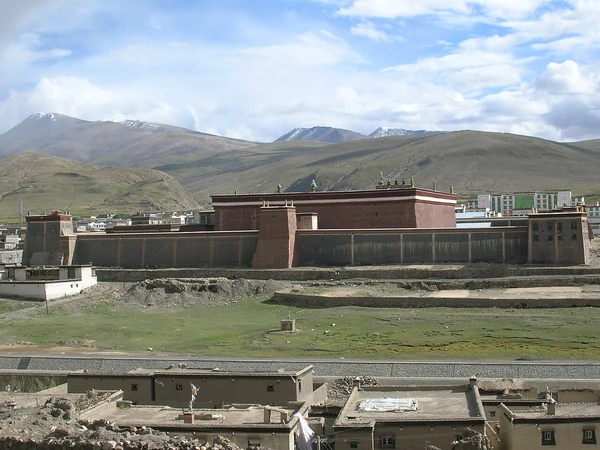
A Palace Museum account places Sakya Pandita and his nephew Phagpa at a 13th-century meeting with the Mongol prince Köden, offering a view of how a monastic lineage entered a wider political world.
Read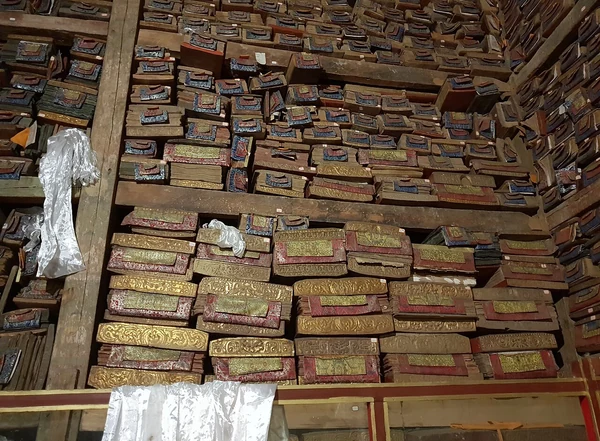
A 2026 Palace Museum exhibition arranged objects linked to Sakya across four themes, pairing the monastery’s history with manuscripts, ritual objects and signs of political exchange.
Read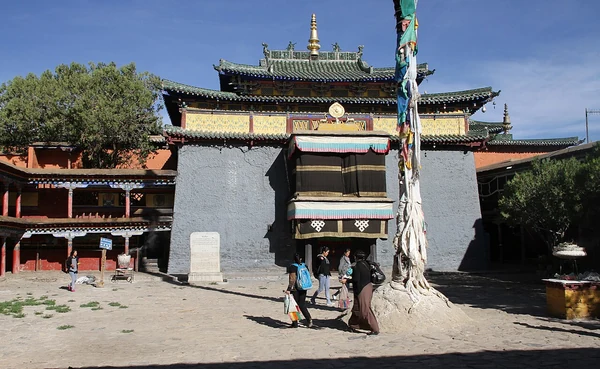
A Palace Museum project connected Shalu Monastery’s painted corridors with architectural study, emergency repairs and a digital record of three mural groups.
Read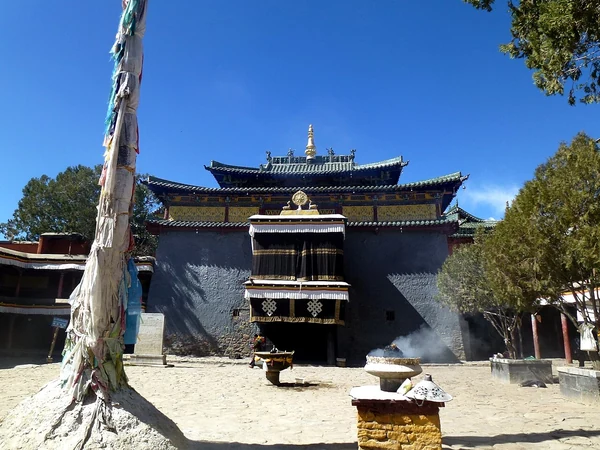
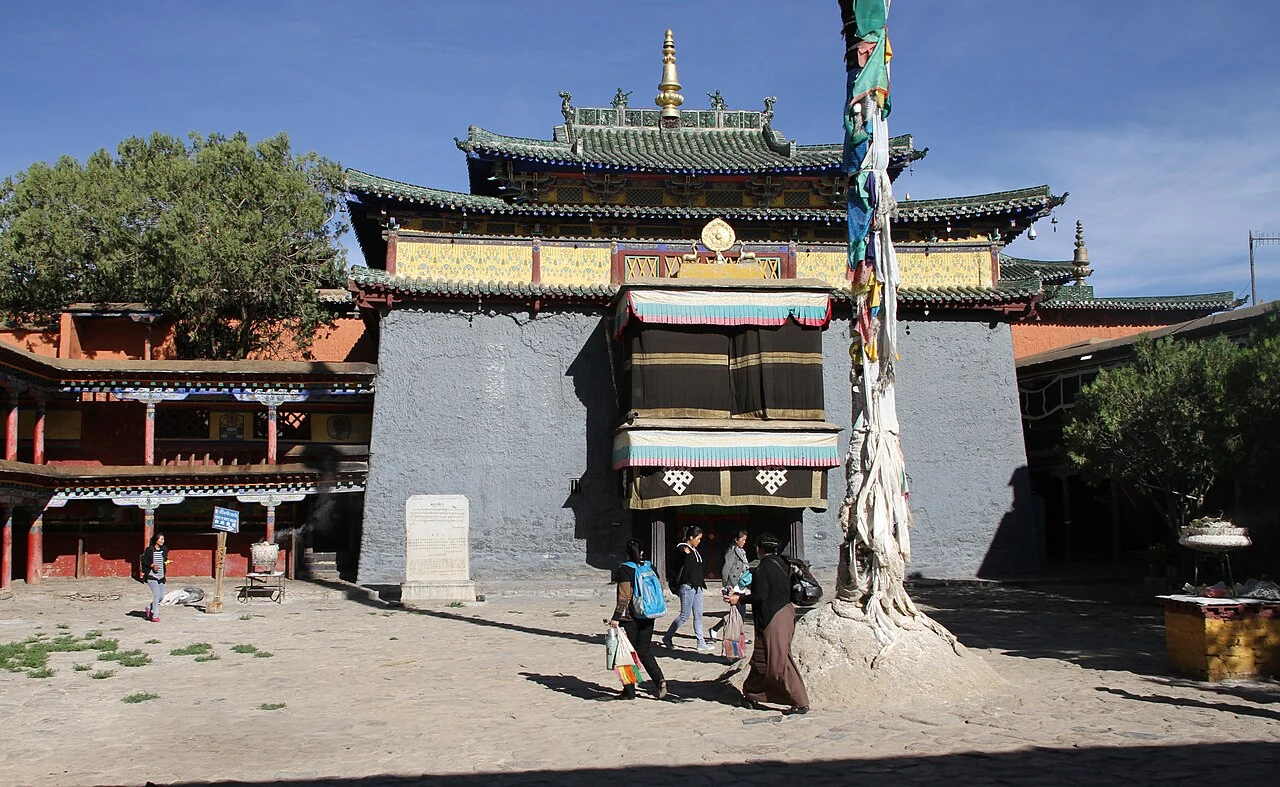
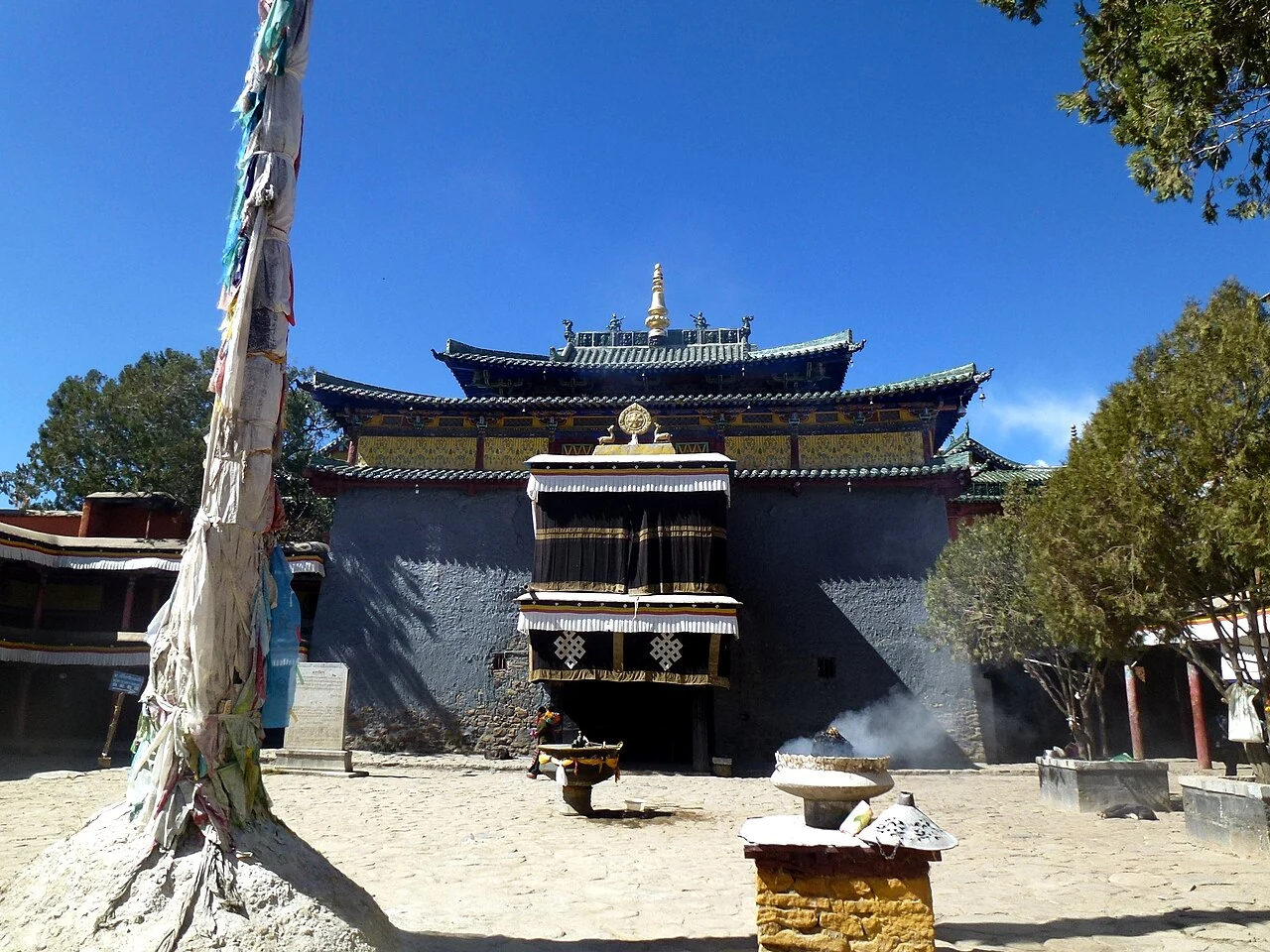
Shalu’s projecting east wing, central assembly hall and courtyard plan bring Tibetan and Chinese architectural elements together in one layered monastery.
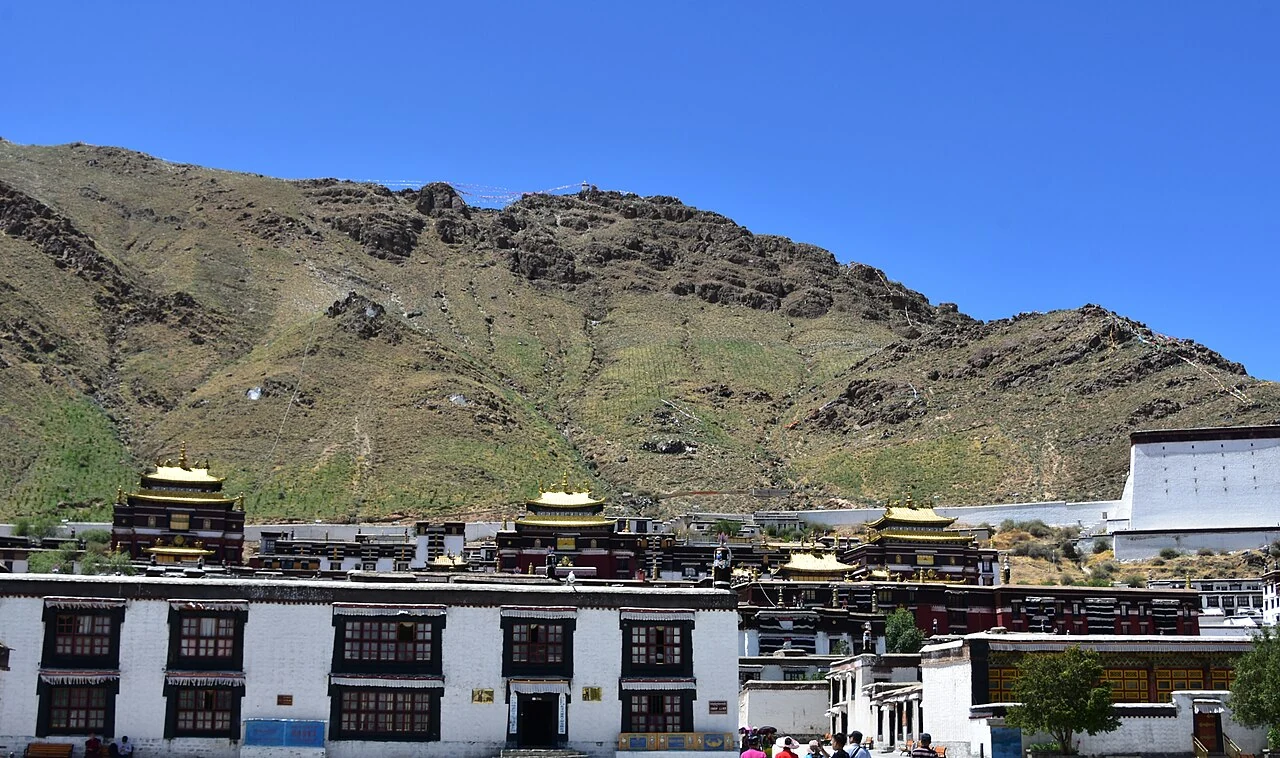
ReadFounded in 1447 and later expanded, Zashilhunpo’s halls and teaching colleges record a history built through successive generations rather than a single act of construction.
ReadAt Tashilhunpo, a Maitreya Hall beside the assembly hall and a 30-metre Great Maitreya Hall to the west give the monastery’s architecture two distinct scales.
Read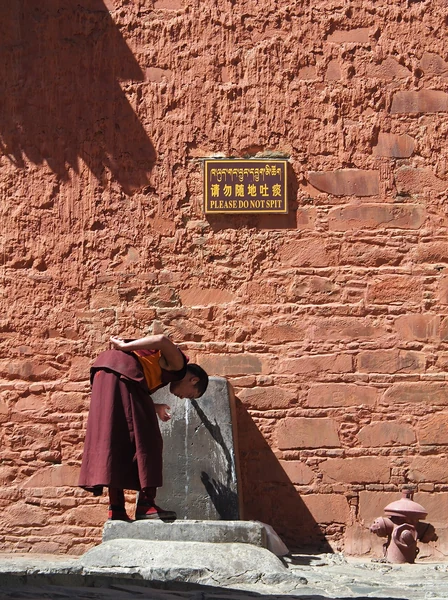
A detailed account of the current Panchen Lama’s study at Tashilhunpo follows scripture learning, teachers, canonical texts and a two-hour debate for the monastery’s Gaqin degree.
Read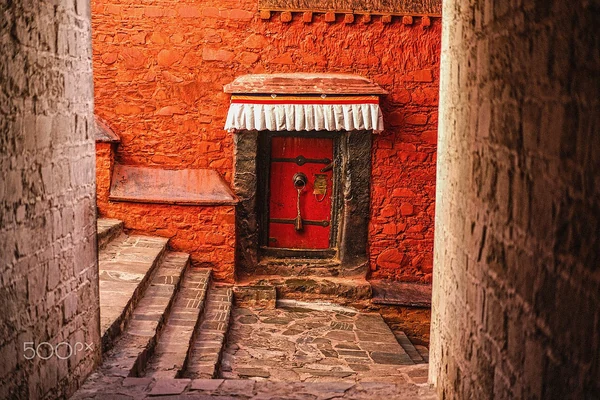
Tashilhunpo’s assembly hall, Maitreya buildings and reliquary halls place collective prayer and remembrance within one carefully arranged hillside monastery.
Read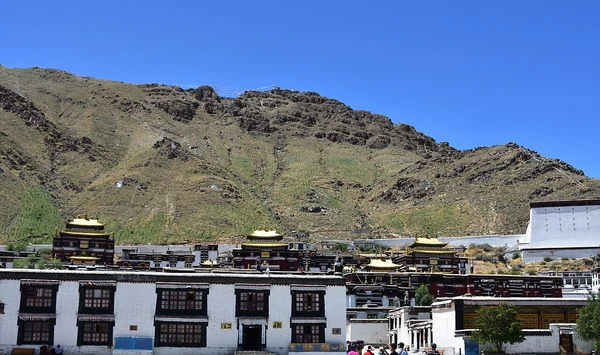
A 2019 Palace Museum exhibition traced Tashilhunpo’s connections through a Panchen portrait, an inscribed Yuan courier pass and records of exchange with the Qing court.
Read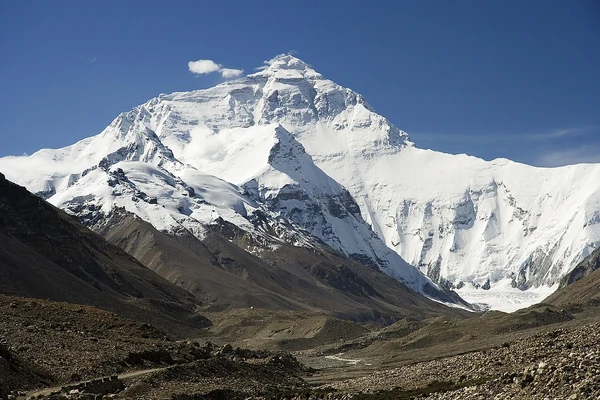
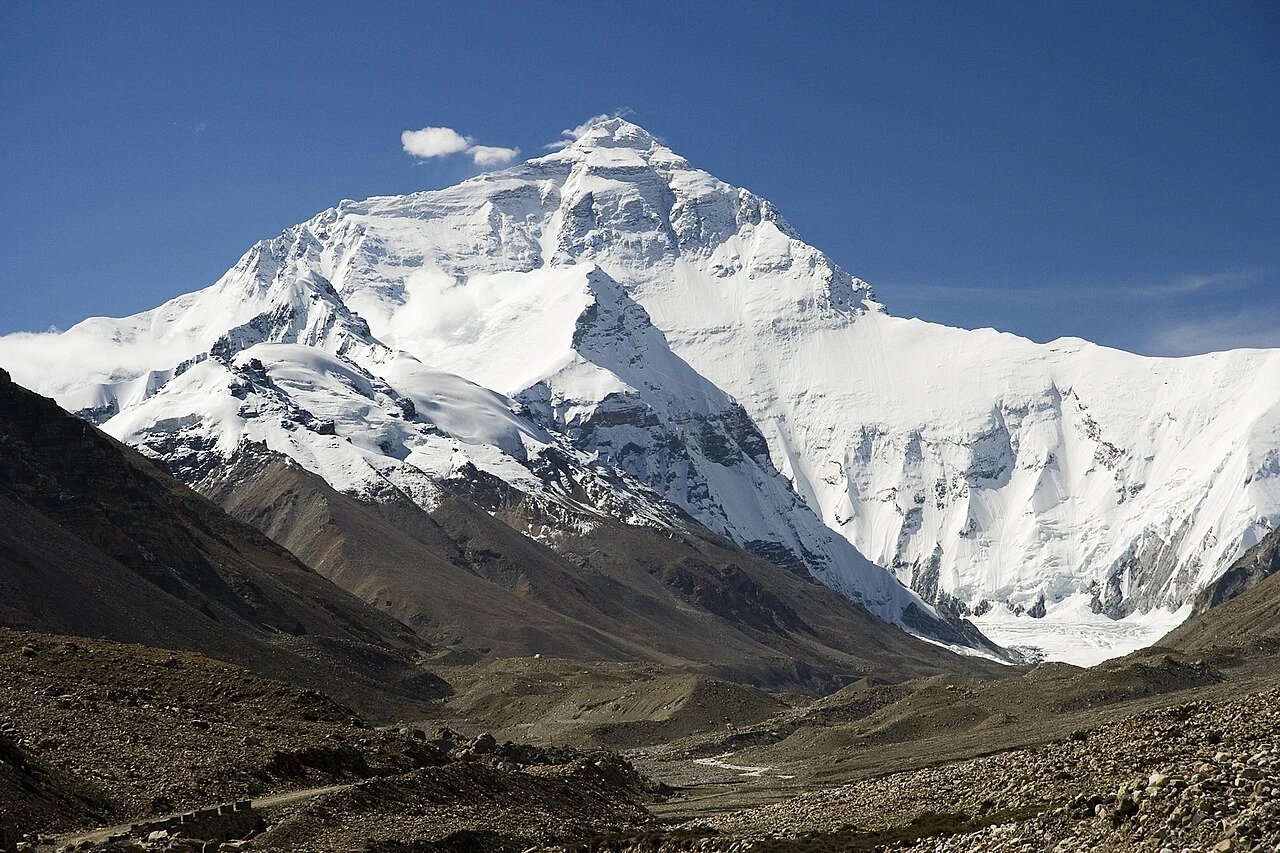
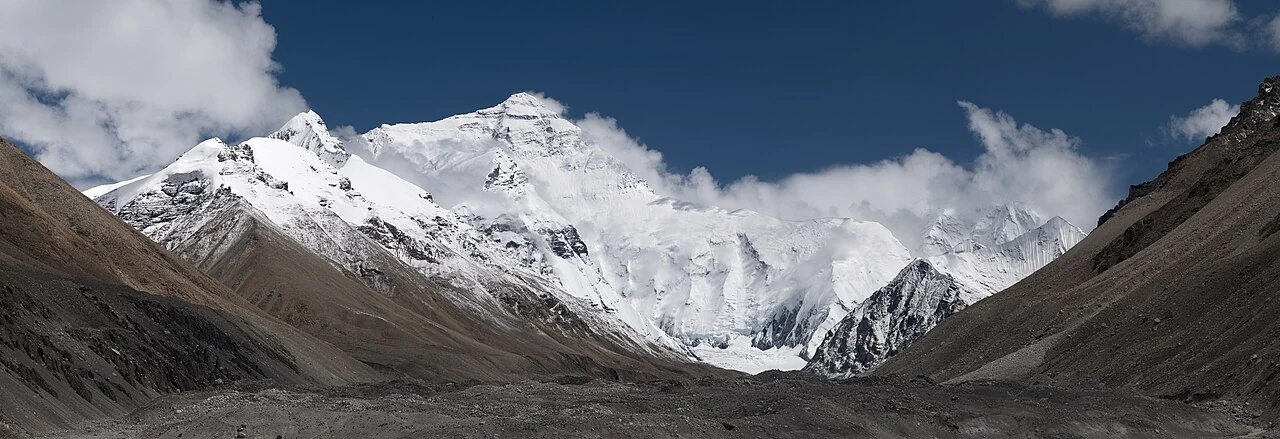
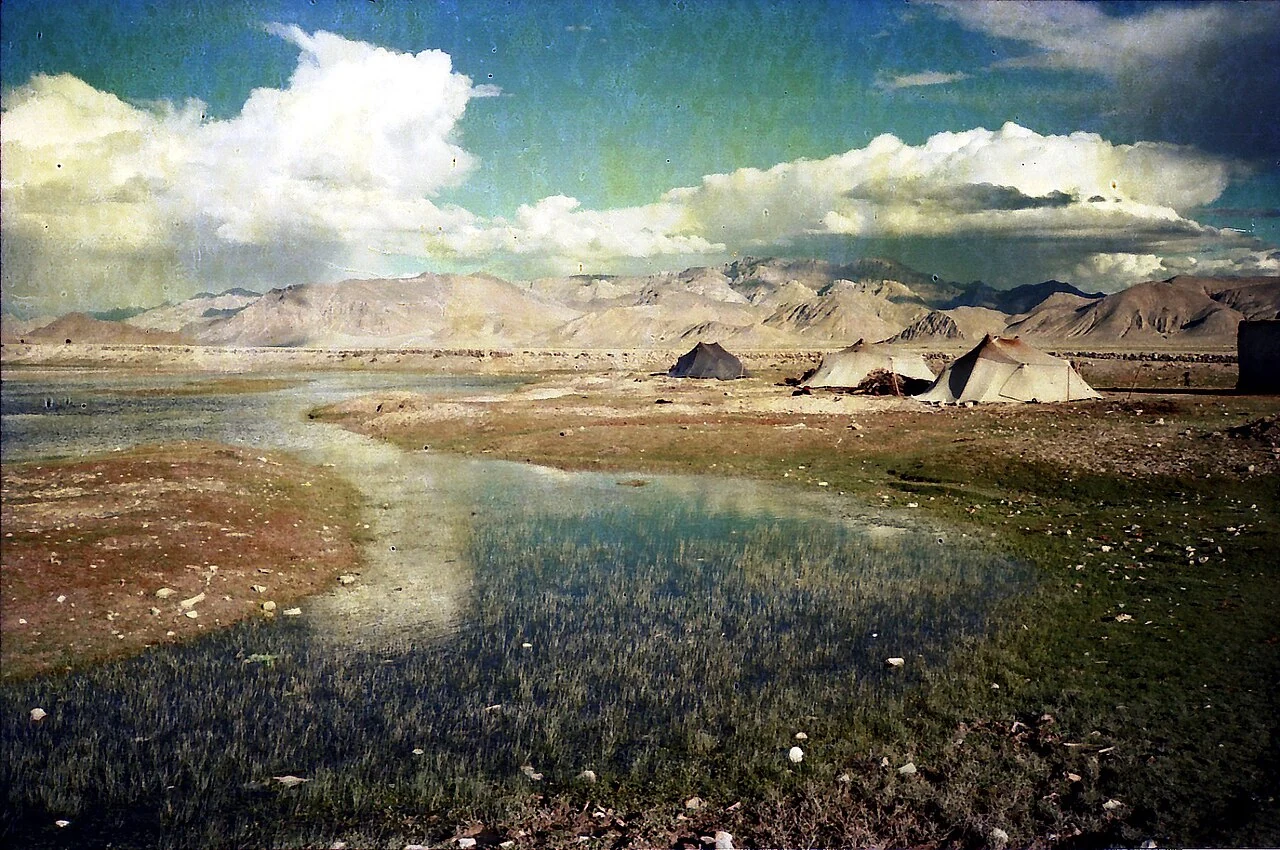
A 2006 field team’s journey from Dingri town to Zaxizong follows the bends of the Zaga Chu, where a glacier-fed valley gradually opens toward Everest.
Read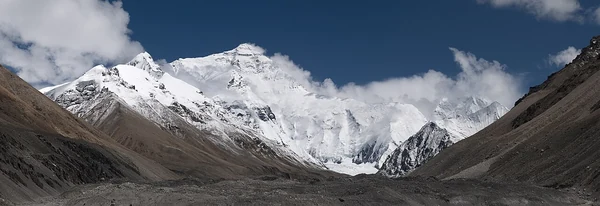
A 2024 study links ancient river capture in the Kosi basin to a modest but measurable contribution to Everest’s uplift, alongside the far larger force of tectonic collision.
Read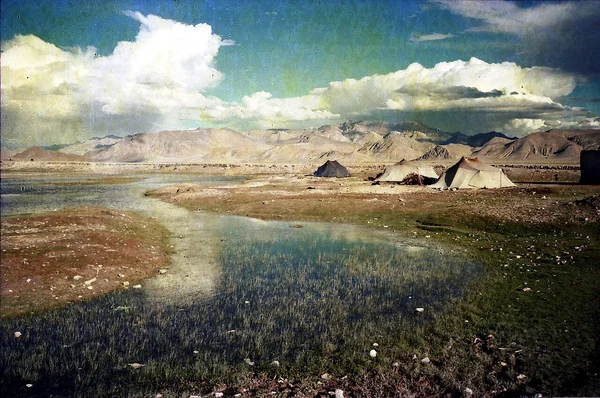
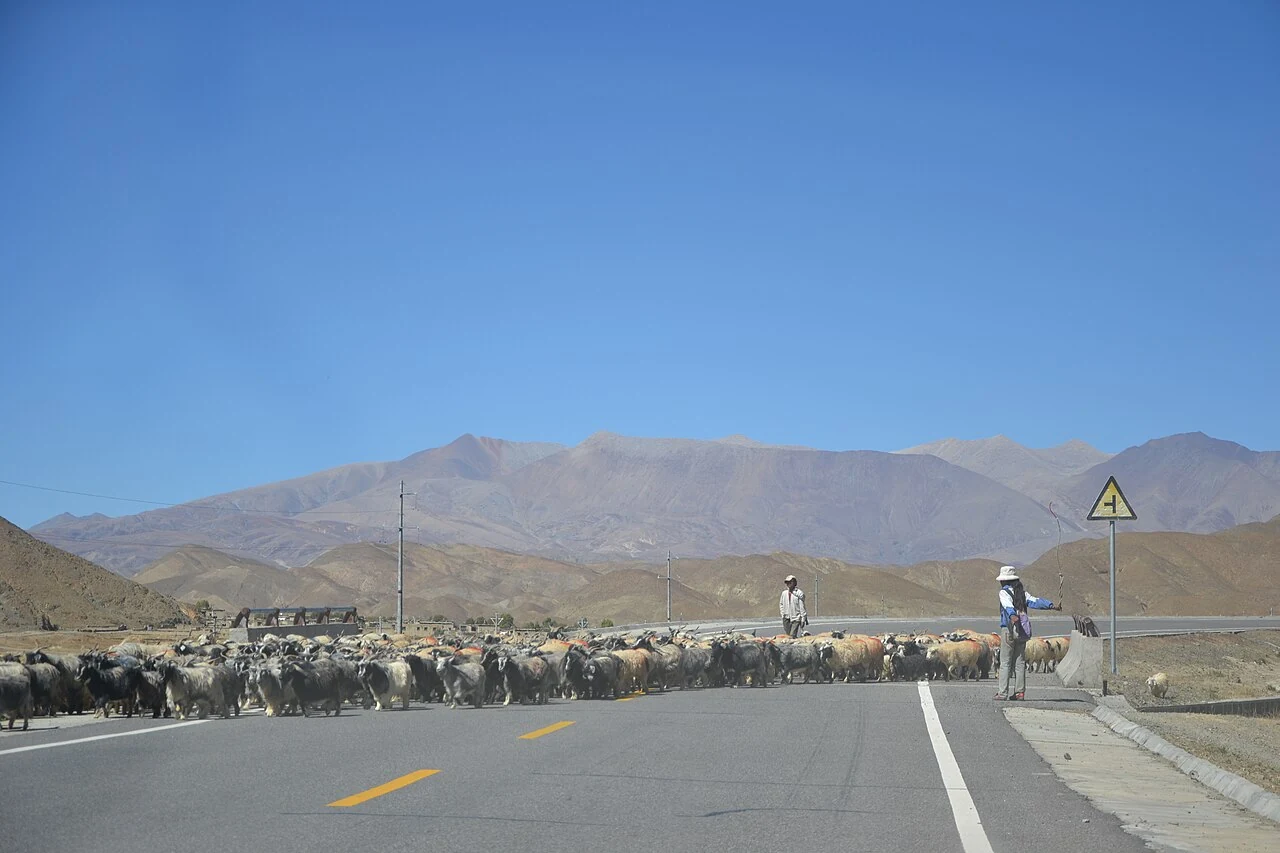
A Tashi Zong family’s 2017 account shows how seasonal yak work and tent hospitality grew beside pastoral life, while a later restoration project repaired high-altitude habitat in Dingri.
ReadA Tang-era cliff inscription in Gyirong preserves an envoy’s journey toward India; its original carving and a later replica tell complementary stories.
Read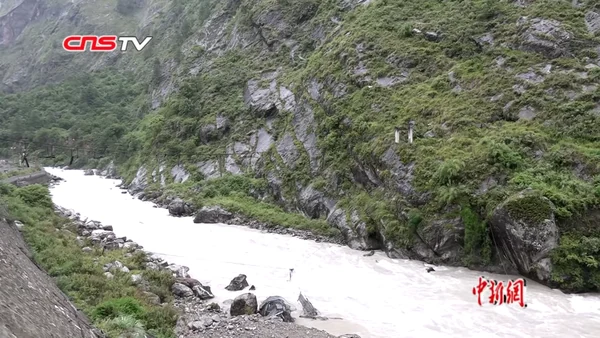
A cliff inscription near Gyirong records a seventh-century mission toward India and shows how a short text can preserve a much longer history of movement across the Himalaya.
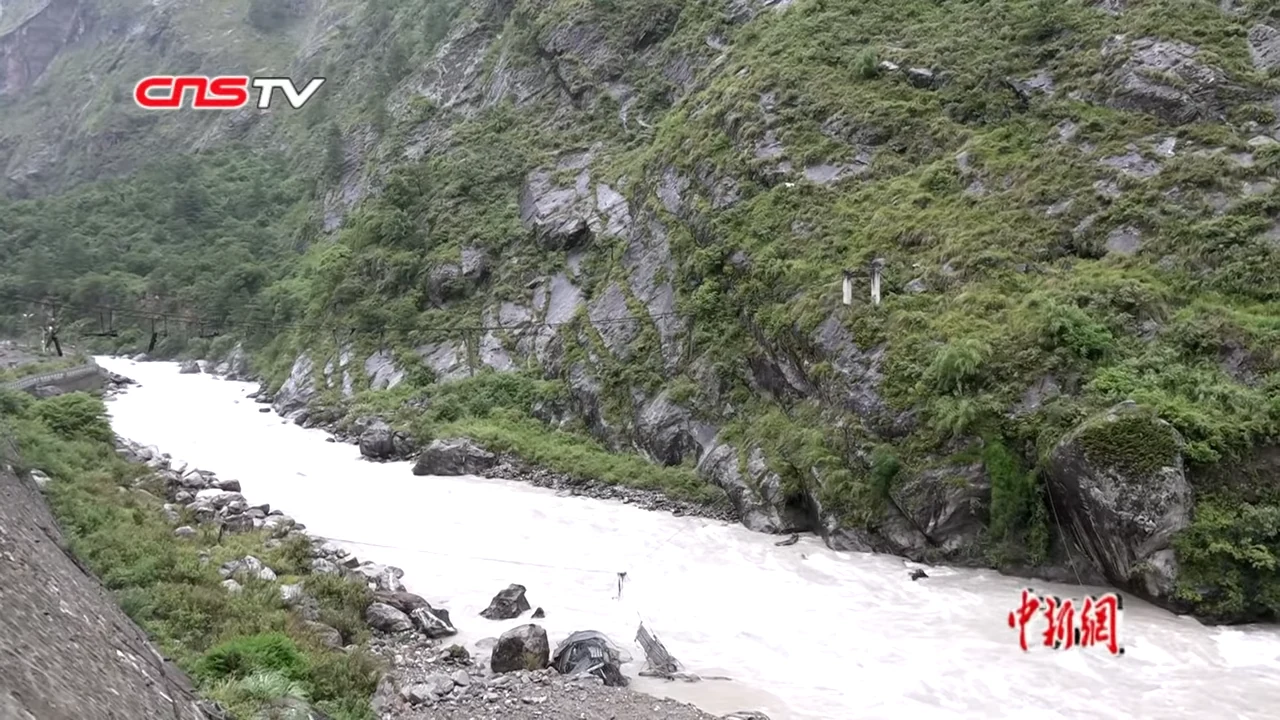
ReadNine rain gauges tracked premonsoon rainfall along Yadong Valley; the study separately describes afternoon and nighttime monsoon peaks across the high central Himalaya.
Read
A 2019 field report follows a market day in Yadong through crowded shops, traveling sellers from Lhatse and a former caravan path on the mountain.
Read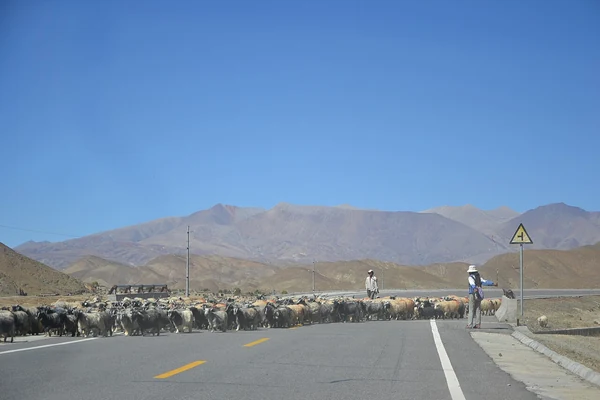
In Lhatse Toeshey, a six-string dranyen carries a performance from measured song into quicker dance, while players sing, move and change the instrument’s position.
Read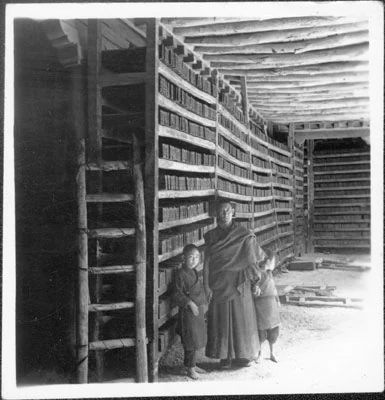
Narthang’s canon editions and a portrait of the Fourth Panchen Lama show how carved blocks carried Buddhist texts and images across generations.
ReadA 2006 field team’s journey from Dingri town to Zaxizong follows the bends of the Zaga Chu, where a glacier-fed valley gradually opens toward Everest.
At Gyantse’s Pelkor Chöde, the Kumbum turns a stupa into an eight-storey sequence of chapels, painted programs and paths for circumambulation.
A 2015 report from Gyantse follows carpet makers through the work of sorting, spinning, dyeing, weaving and shearing wool into a household textile.
Built above the Nyangchu Valley, Gyantse Dzong joined administration, worship and defence in one hillside complex that still preserves traces of its former functions.
A reported spring sowing beside the Nyangchu and an autumn harvest trace the seasonal rhythm of barley farming in Gyantse, while one farmer’s story keeps the account grounded in a particular place.
A Tang-era cliff inscription in Gyirong preserves an envoy’s journey toward India; its original carving and a later replica tell complementary stories.
In Lhatse Toeshey, a six-string dranyen carries a performance from measured song into quicker dance, while players sing, move and change the instrument’s position.
In Lhatse knife-making, a forged steel blade meets a handle of horn or wood and a sheath worked in silver, copper and engraved motifs.
Narthang’s canon editions and a portrait of the Fourth Panchen Lama show how carved blocks carried Buddhist texts and images across generations.
A report from Gyantse follows barley farming through a thawing field, drone sowing and sensor-guided irrigation, showing how new tools enter the seasonal work of the Nyangchu Valley.
The rooms of Pala Manor and the compound opposite it preserve an architectural record of social hierarchy in Gyantse before 1959.
At Sakya Monastery, colour belongs to a carefully ordered complex: halls, monks’ quarters, walls and watchtowers shape a fortress-like religious landscape on Benbo Mountain.
A Palace Museum project connected Shalu Monastery’s painted corridors with architectural study, emergency repairs and a digital record of three mural groups.
The silver-covered wooden bowl associated with Tashijicai metalwork brings two materials and two kinds of making into one everyday object.
Nine rain gauges tracked premonsoon rainfall along Yadong Valley; the study separately describes afternoon and nighttime monsoon peaks across the high central Himalaya.
Founded in 1447 and later expanded, Zashilhunpo’s halls and teaching colleges record a history built through successive generations rather than a single act of construction.