Pelkor Chöde stands at Gyantse’s northeastern edge, a little over 100 kilometres east of Shigatse. A Shigatse government report dated 13 December 2023 was republished on the Tibet regional government site on 14 May 2024. It describes Sakya, Kadam and Gelug monks living and practicing together at the monastery for many years. This shared arrangement makes the monastery part of Gyantse’s everyday geography and religious life.
From the journal
Three Traditions in One Monastic Compound
At Pelkor Chöde in Gyantse, Sakya, Kadam and Gelug monks have lived and practiced in the same monastery for many years, a shared setting reflected in its museums and halls.
In the same city · Shigatse ↗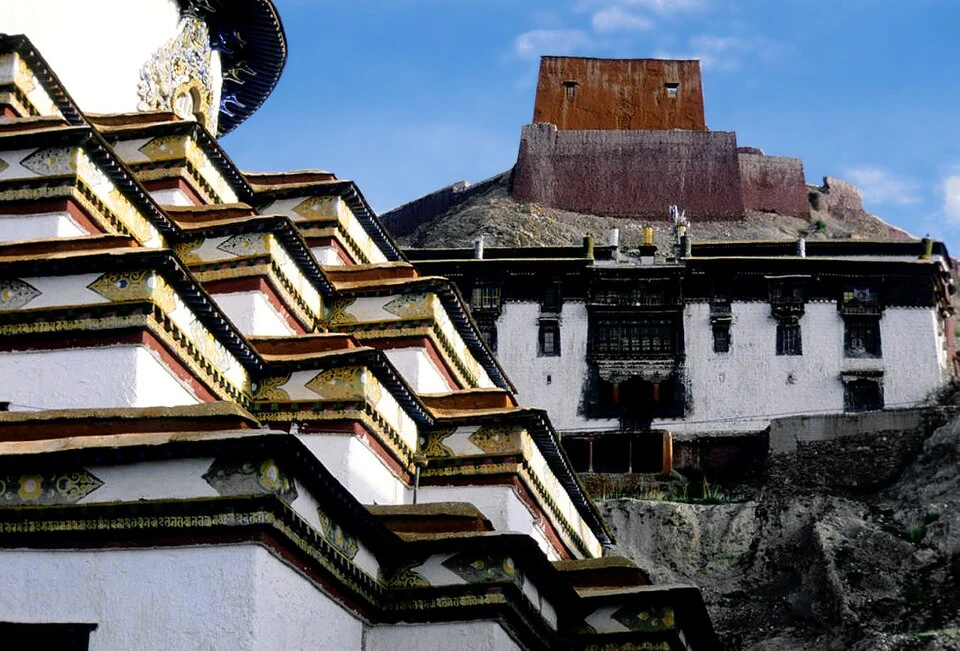
A monastery on Gyantse’s northeast edge
Three traditions sharing one place
The report names three Buddhist traditions—Sakya, Kadam and Gelug—and says their monks share life and practice at Pelkor Chöde. The detail foregrounds the people who inhabit the religious compound. Shared life takes place over time, as distinct lineages maintain their practice within the same monastery. The source describes this as “one monastery accommodating three schools,” a concise phrase for an institutional arrangement whose visible centre remains the compound itself.
A museum within the monastery
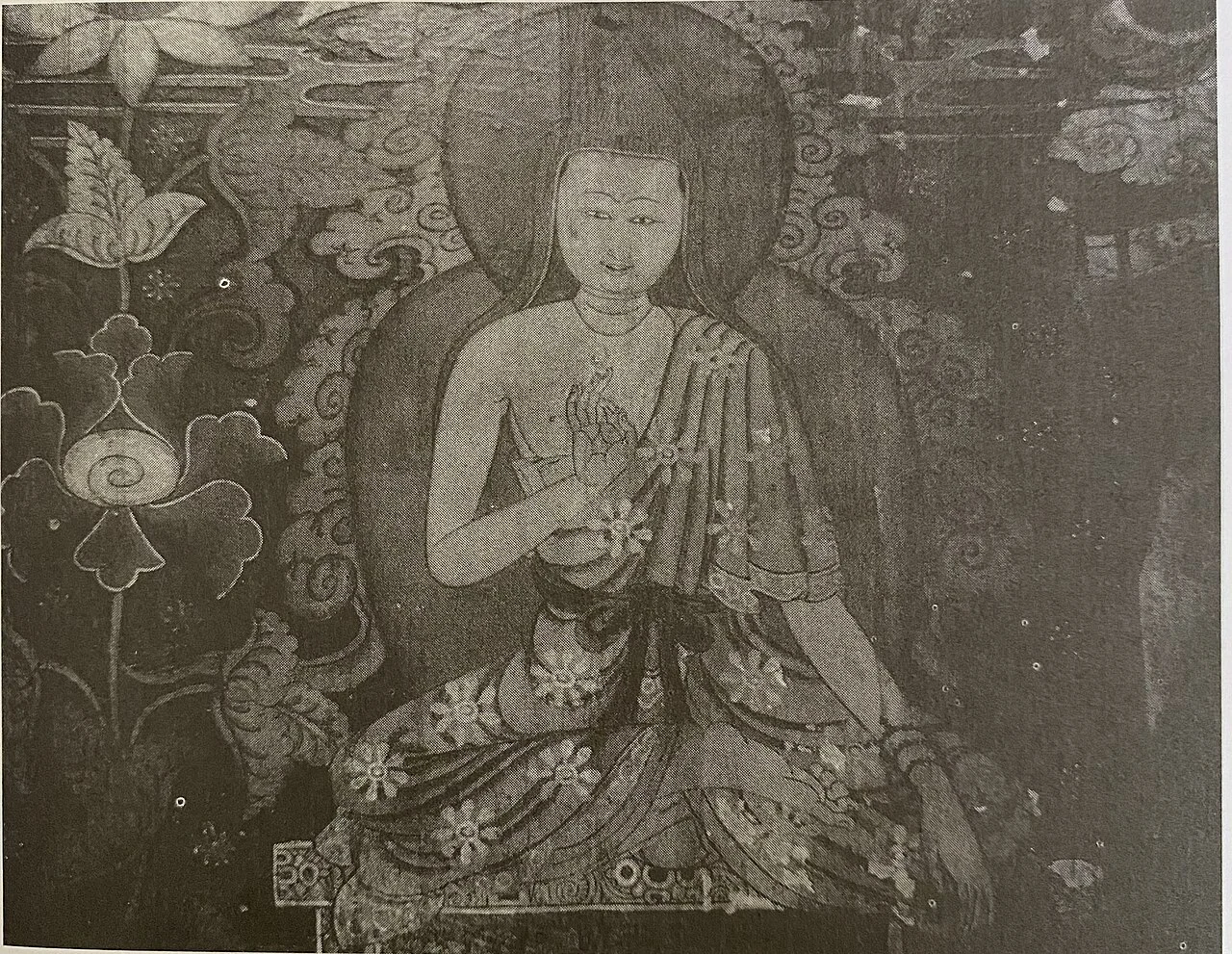
The same report also records a heritage museum and an exhibition hall devoted to national unity within the monastery. These spaces add another layer to Pelkor’s shared life: artifacts are presented for visitors, while exhibitions explain how the site is understood in public. The museum gives the compound a place to care for and interpret its material heritage; the exhibition hall frames a broader account of community and history. Both are located within the same monastery where monks continue to live and practice. The visit account also places these exhibition rooms into the same account as monks’ study and life, linking public interpretation with the monastery’s continuing routines.
A living compound in Gyantse
Pelkor Chöde’s significance rests in the way several kinds of life coexist at one address. Monks from Sakya, Kadam and Gelug traditions share a monastic setting; heritage objects are preserved and shown; visitors encounter the site as part of Gyantse’s civic landscape. The monastery’s place at the town’s northeastern edge anchors these activities in a specific geography. “Three schools in one monastery” describes a continuing arrangement of practice, memory and shared space. During that visit, officials and monks also exchanged views about heritage care and the rhythms of monastic life.