Jêdêxoi Bangdian: The Work behind a Striped Apron
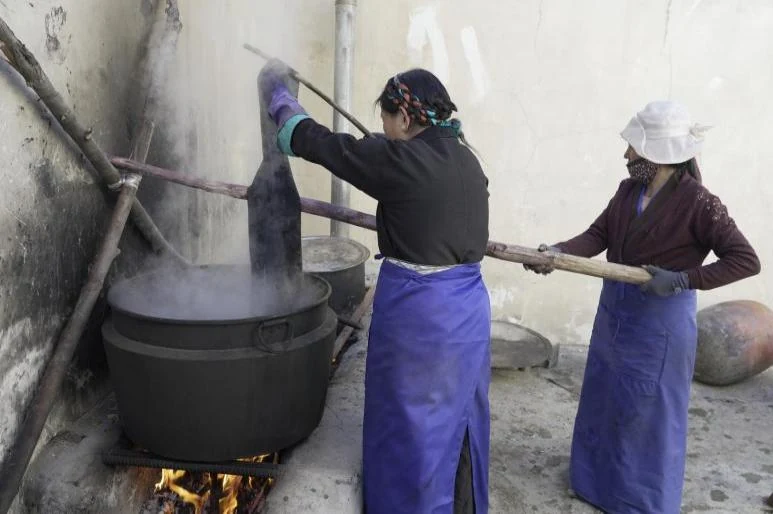
On the south bank of the Yarlung Tsangpo, Jêdêxoi’s woollen aprons connect coloured stripes with spinning, dyeing, weaving and family teaching.
On the south bank of the Yarlung Tsangpo, Jêdêxoi’s woollen aprons connect coloured stripes with spinning, dyeing, weaving and family teaching.
The painter Menla Dondrup’s connection with northern Lhodrak opens a story of training, travel and the changing role of landscape in Tibetan painting.
On the south bank of the Yarlung Tsangpo, Jêdêxoi’s woollen aprons connect coloured stripes with spinning, dyeing, weaving and family teaching.
The painter Menla Dondrup’s connection with northern Lhodrak opens a story of training, travel and the changing role of landscape in Tibetan painting.
ReadIn Gyaca, Lhamo Latso’s connection with Chökhor Gyal monastery places a mountain lake within a history of retreat and religious belief.
Read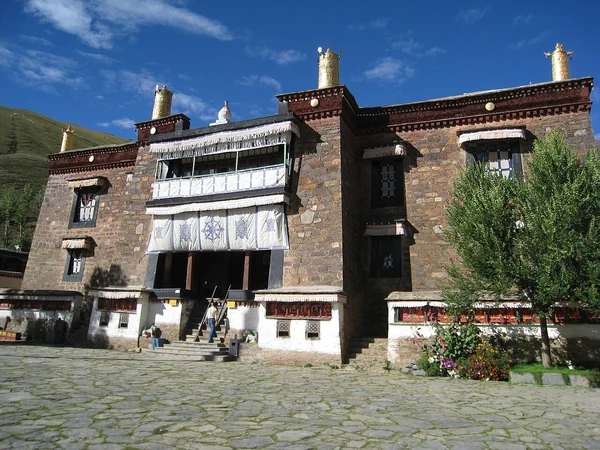
Mindrolling’s incense tradition connects the recognition and preparation of ingredients with grinding, hand-forming, drying and workshop teaching.
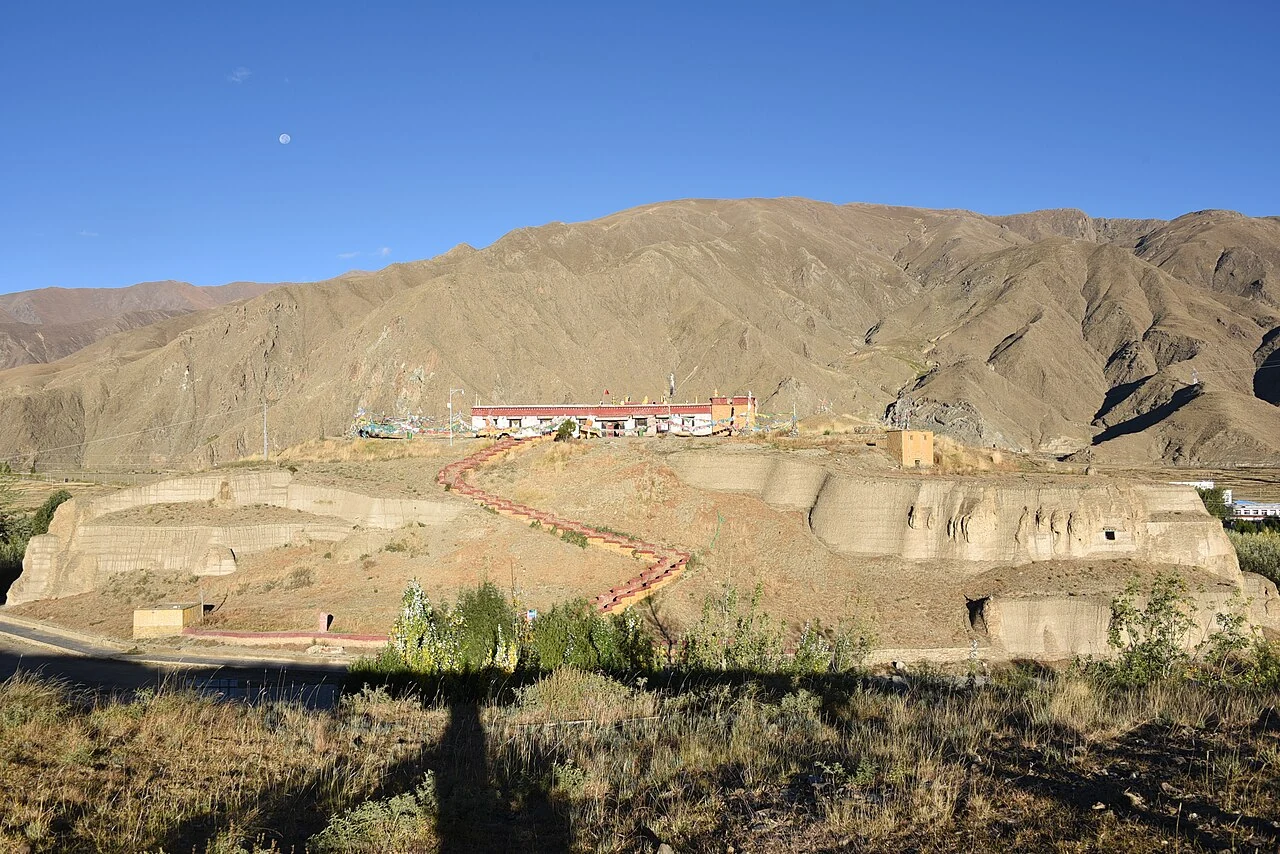
ReadAbove the Samye area, Chimpu’s caves, rock carvings and commemorative structures place religious practice within the folds of a mountainside.
Read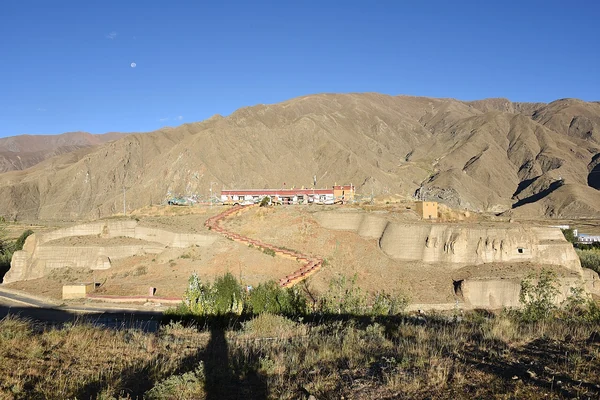
South of the Qonggyai River, tomb mounds, stone monuments and a changing programme of conservation preserve a landscape associated with the Tibetan Empire.
Read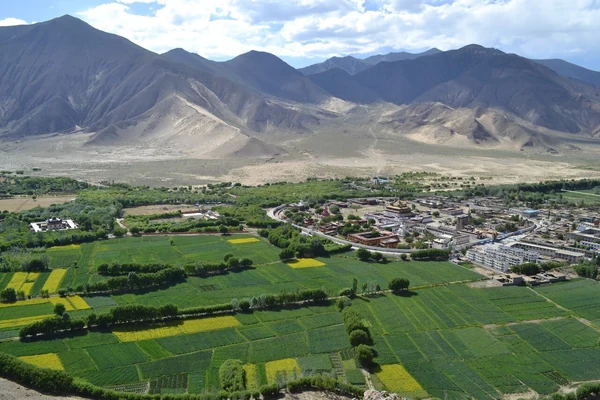
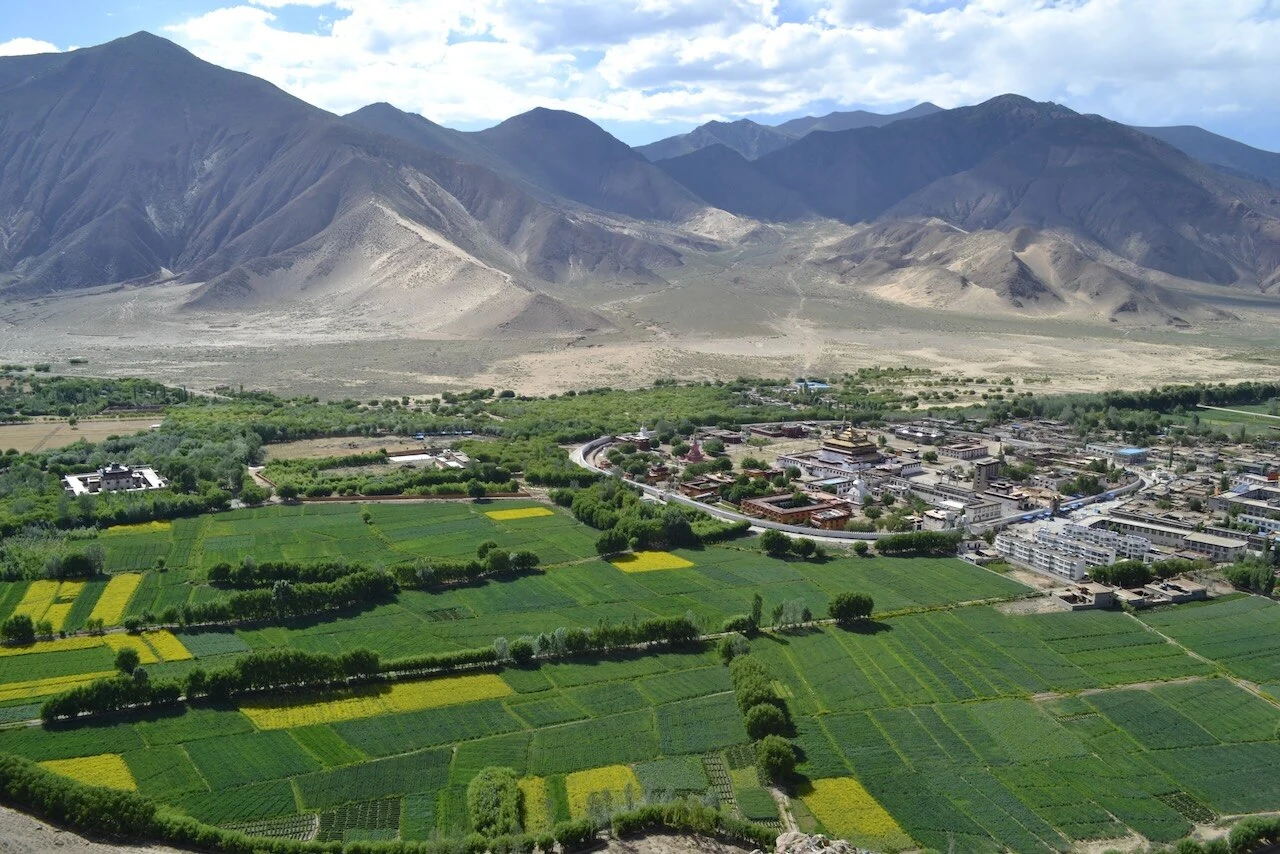
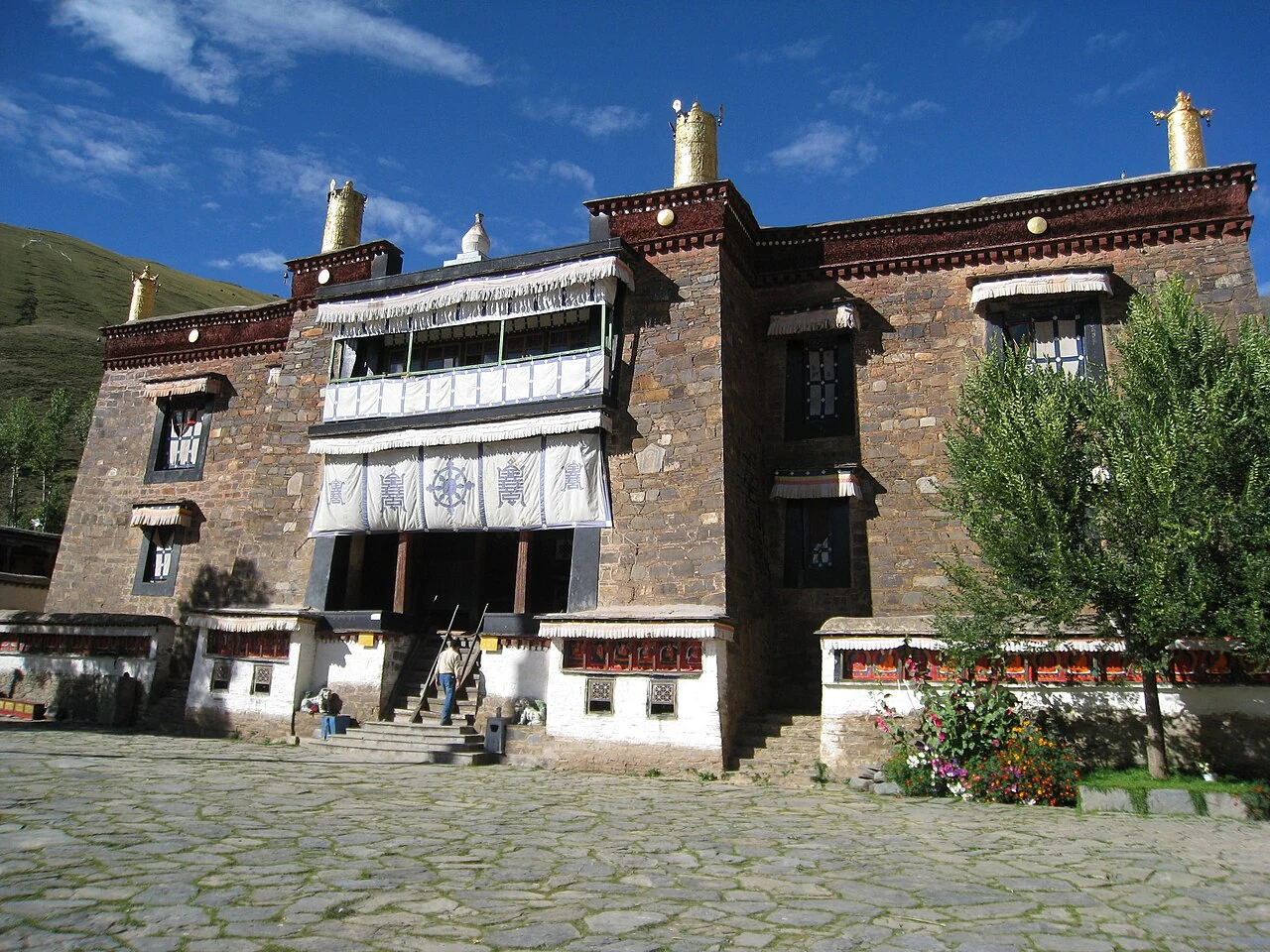
At Samye in Dranang, a central hall, surrounding chapels and a circular enclosure translate a Buddhist vision of the cosmos into architecture.
Read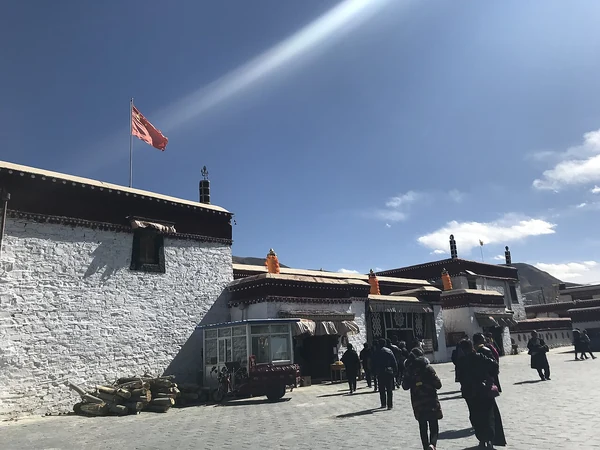
Tradruk’s pearl thangka turns the line of a religious image into an arrangement of small objects, adding another material to the world of Tibetan scroll art.
Read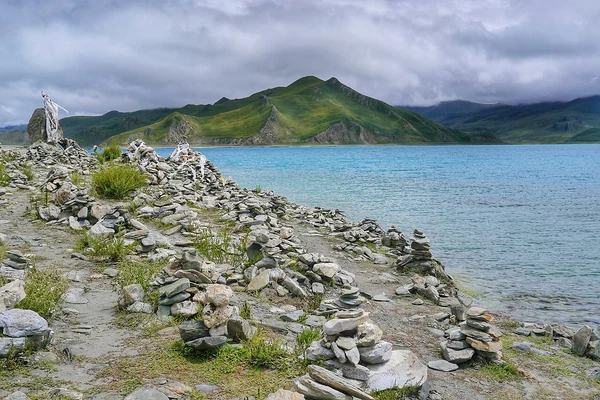
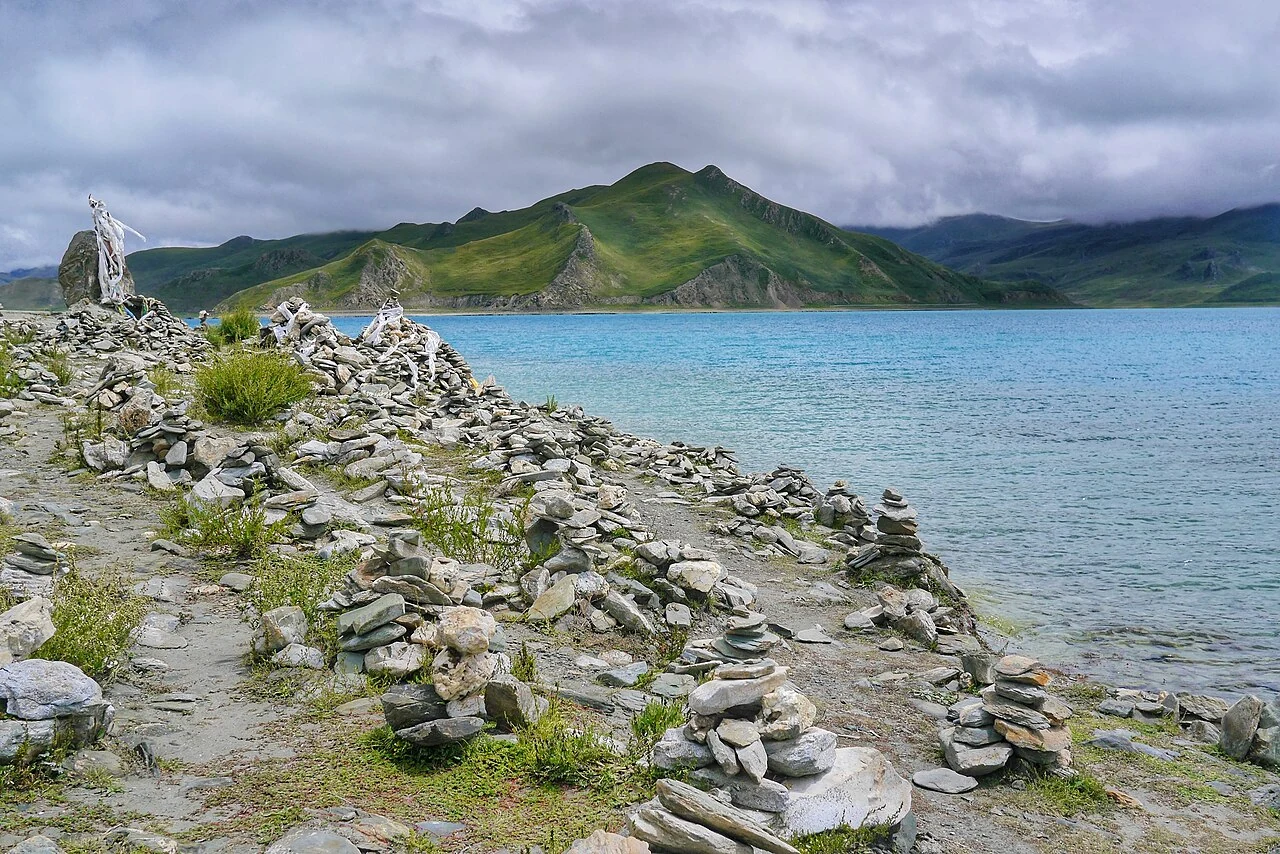
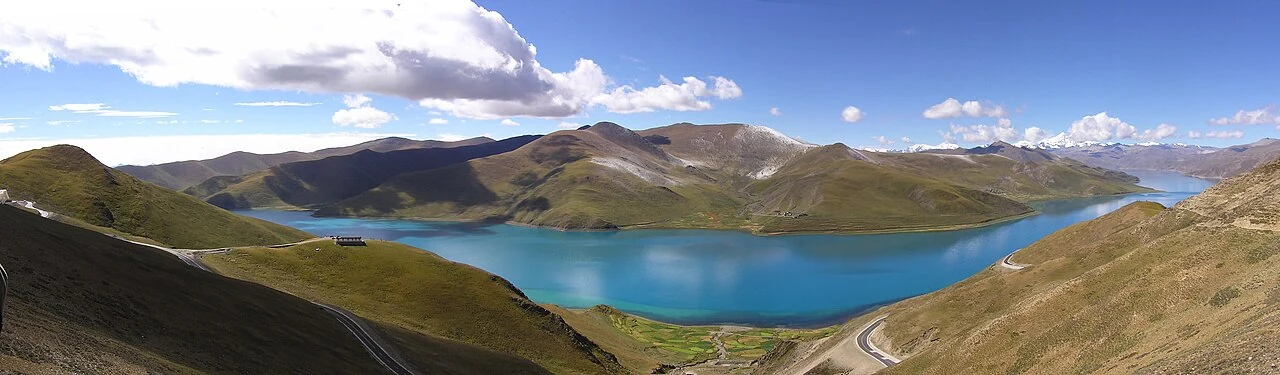
The meeting of water and land at Yamdrok connects the lake’s irregular geography with practical questions of waste, water use and habitat protection.
Read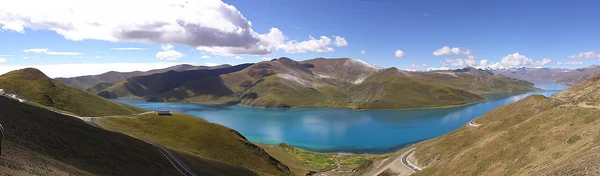
Kambala, Ritu monastery and Lurila reveal different relationships between Yamdrok’s water, projecting land and mountain horizons.
Read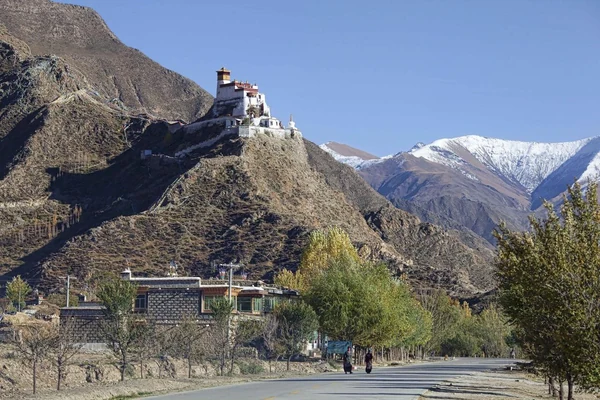
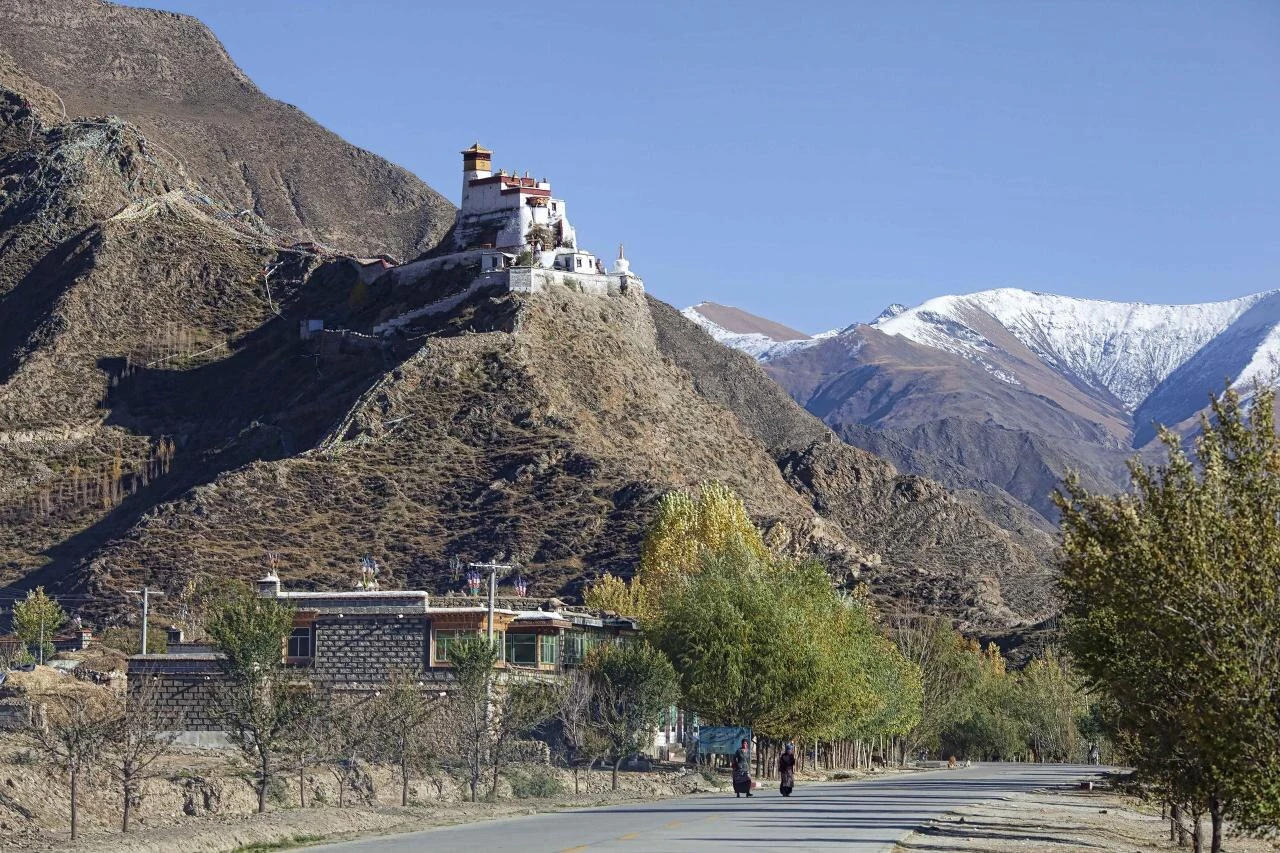
On Tashi Tsiri hill above the Yarlung fields, Yumbulagang’s tower-like main building, golden roof and murals tie its architecture to local memory.
ReadIn Gyaca, Lhamo Latso’s connection with Chökhor Gyal monastery places a mountain lake within a history of retreat and religious belief.
On the south bank of the Yarlung Tsangpo, Jêdêxoi’s woollen aprons connect coloured stripes with spinning, dyeing, weaving and family teaching.
The painter Menla Dondrup’s connection with northern Lhodrak opens a story of training, travel and the changing role of landscape in Tibetan painting.
Mindrolling’s incense tradition connects the recognition and preparation of ingredients with grinding, hand-forming, drying and workshop teaching.
Above the Samye area, Chimpu’s caves, rock carvings and commemorative structures place religious practice within the folds of a mountainside.
South of the Qonggyai River, tomb mounds, stone monuments and a changing programme of conservation preserve a landscape associated with the Tibetan Empire.
At Samye in Dranang, a central hall, surrounding chapels and a circular enclosure translate a Buddhist vision of the cosmos into architecture.
Tradruk’s pearl thangka turns the line of a religious image into an arrangement of small objects, adding another material to the world of Tibetan scroll art.
The meeting of water and land at Yamdrok connects the lake’s irregular geography with practical questions of waste, water use and habitat protection.
On Tashi Tsiri hill above the Yarlung fields, Yumbulagang’s tower-like main building, golden roof and murals tie its architecture to local memory.