Barkhor: A Temple Circuit with a City Around It
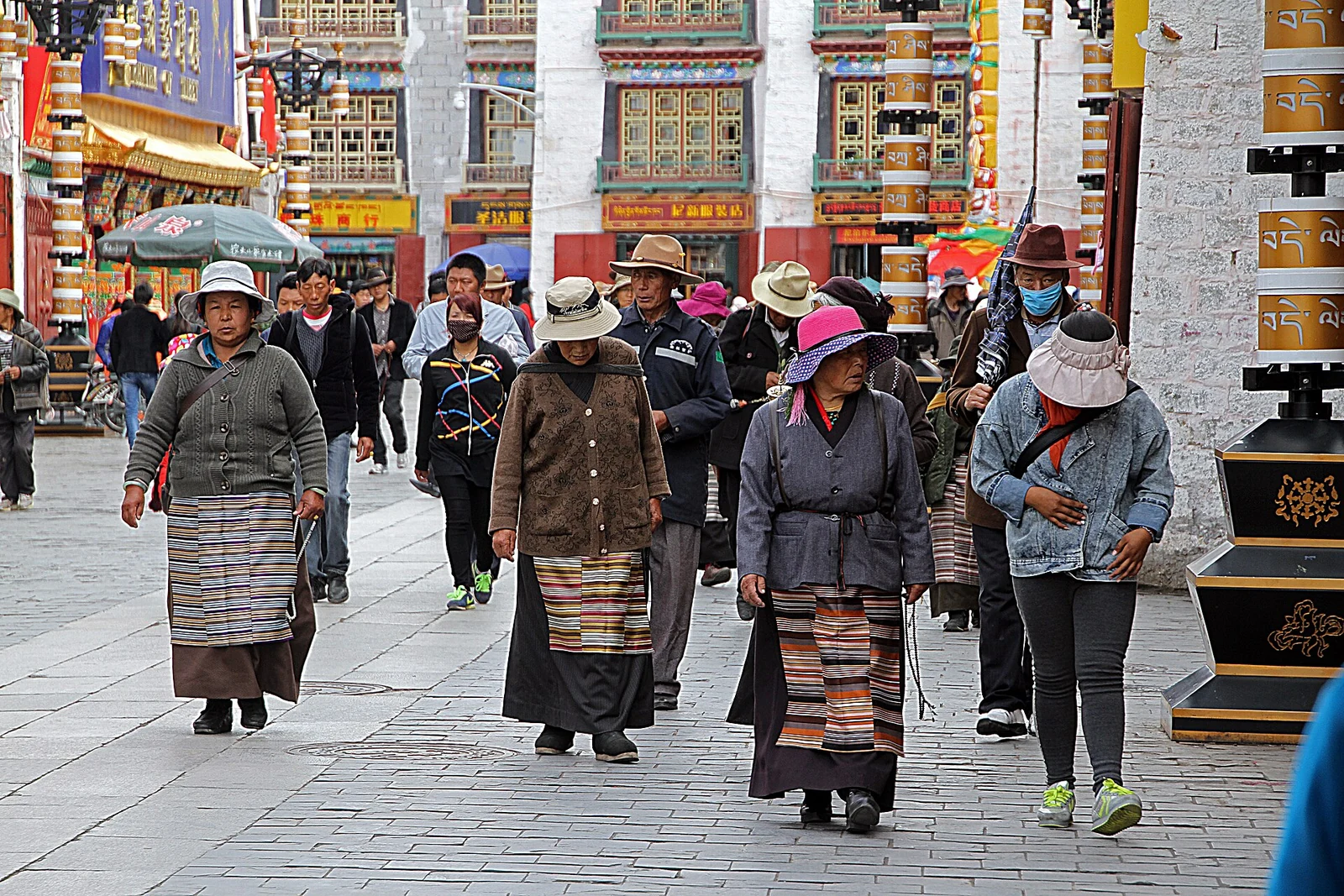
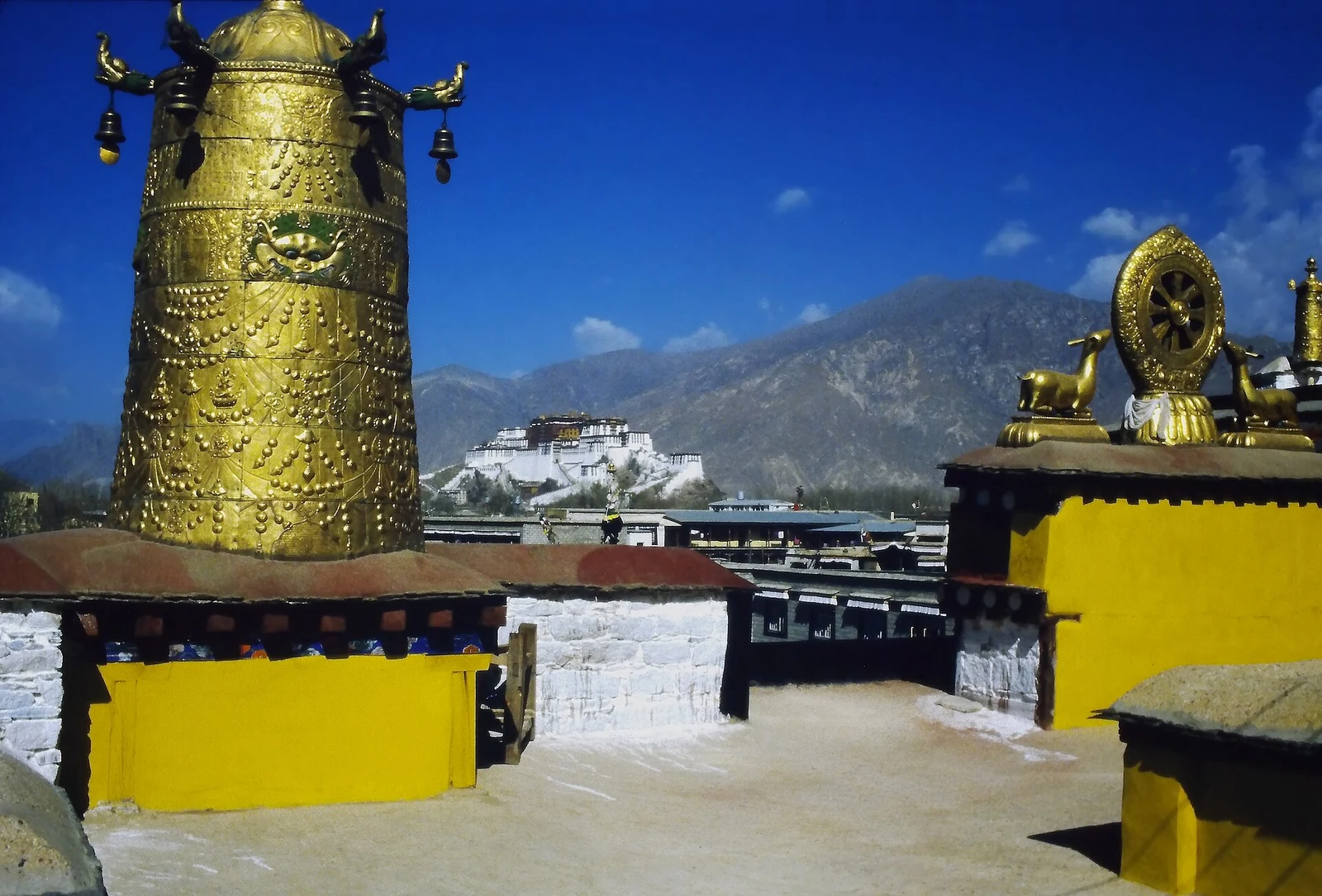
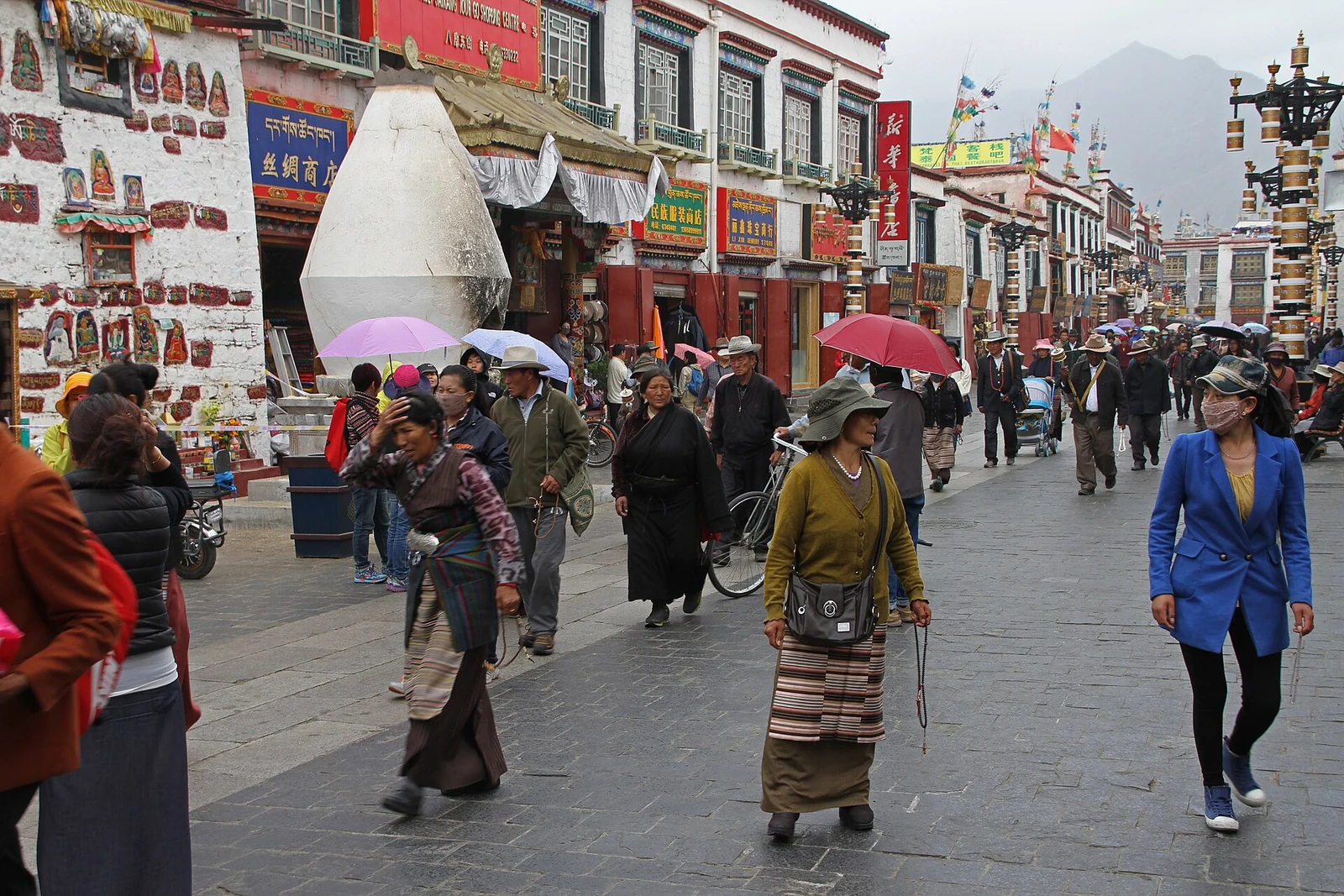
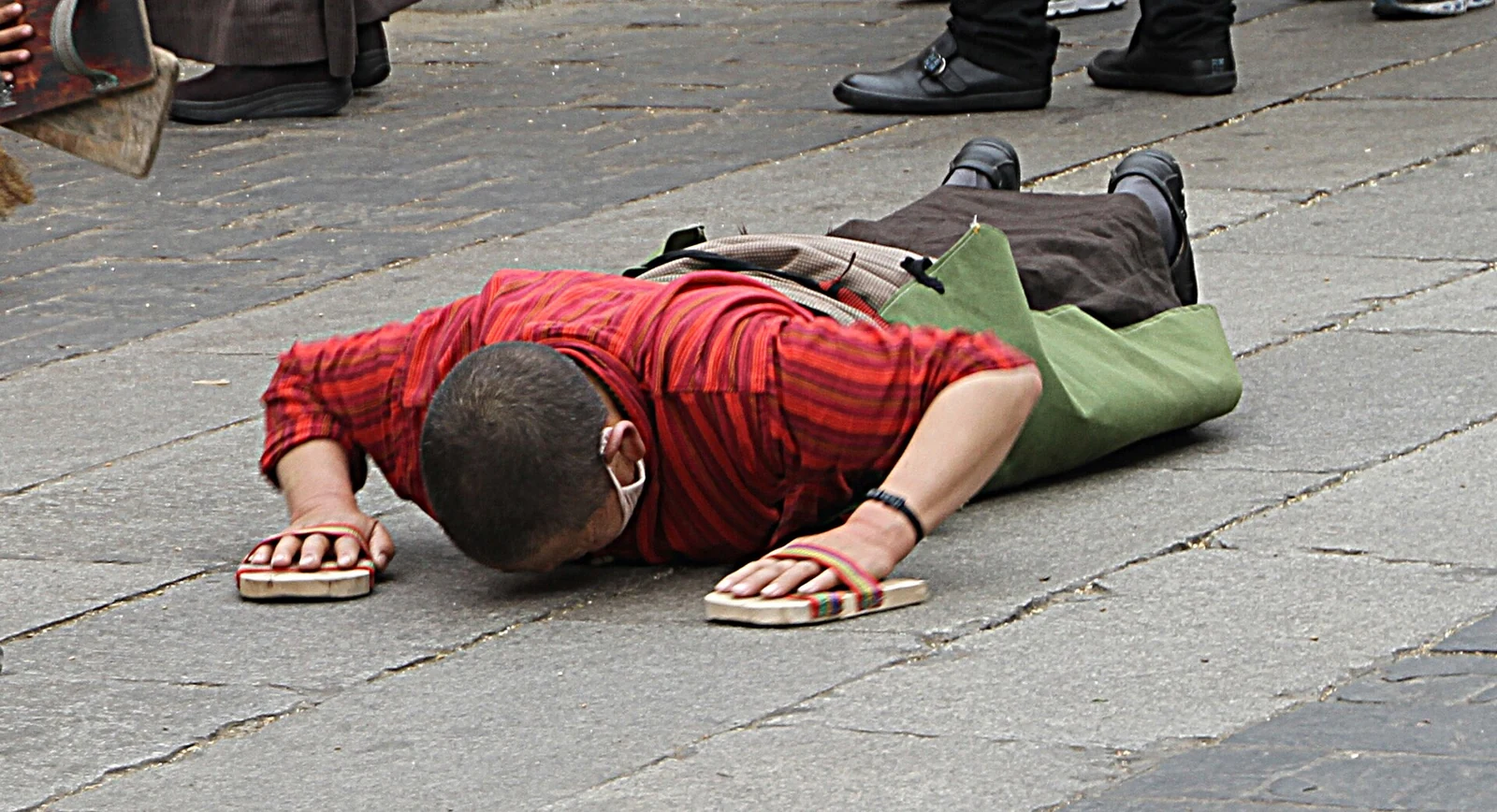
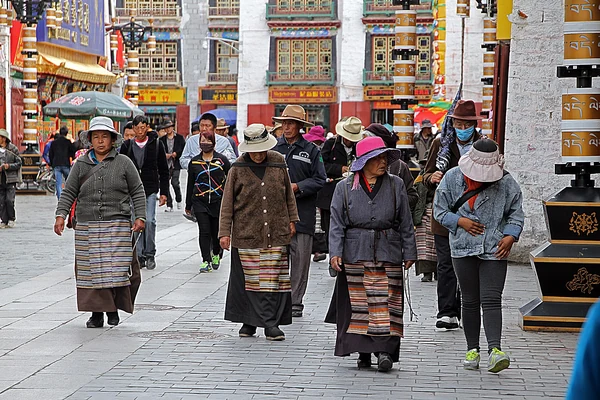
Around Jokhang, Barkhor brings devotional movement, trading streets and the thresholds of old courtyards into close proximity.
Around Jokhang, Barkhor brings devotional movement, trading streets and the thresholds of old courtyards into close proximity.
The Nichi tradition links the shape of a bamboo nib with disciplined letter forms and a history of teaching centred on Nyemo.
Around Jokhang, Barkhor brings devotional movement, trading streets and the thresholds of old courtyards into close proximity.
A reported café in Gungsangzi courtyard shows how a former resident’s household objects can become part of an old building’s new public life.
ReadThe Nichi tradition links the shape of a bamboo nib with disciplined letter forms and a history of teaching centred on Nyemo.
ReadA thangka’s religious image may be painted, woven, embroidered or assembled, giving familiar compositions very different material lives.
Read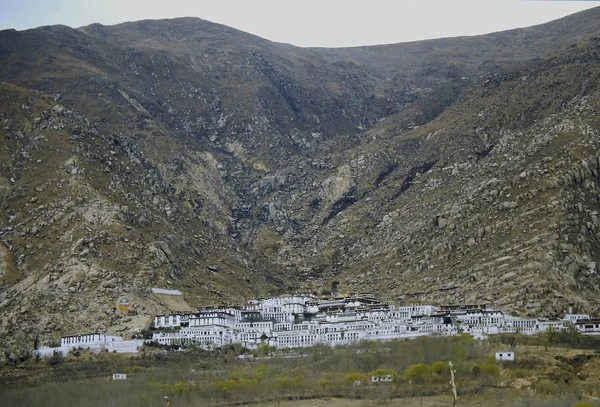
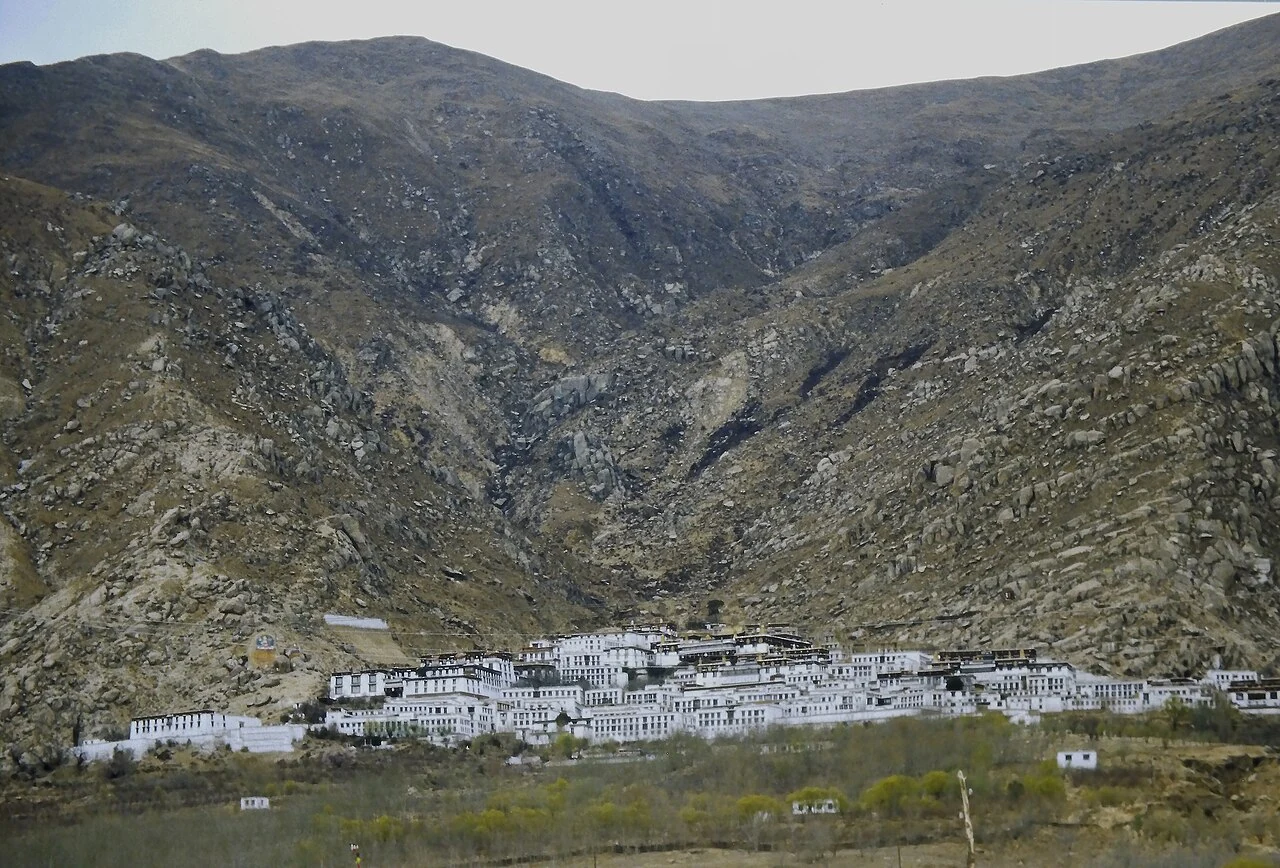
At Drepung, assembly halls, colleges and debate courts form a settlement climbing the stony slopes west of Lhasa.
Read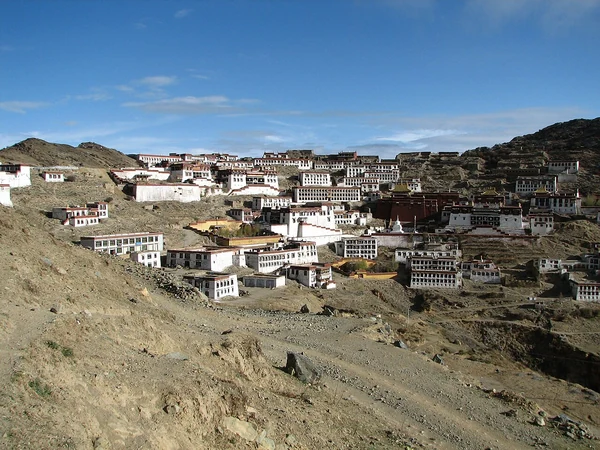
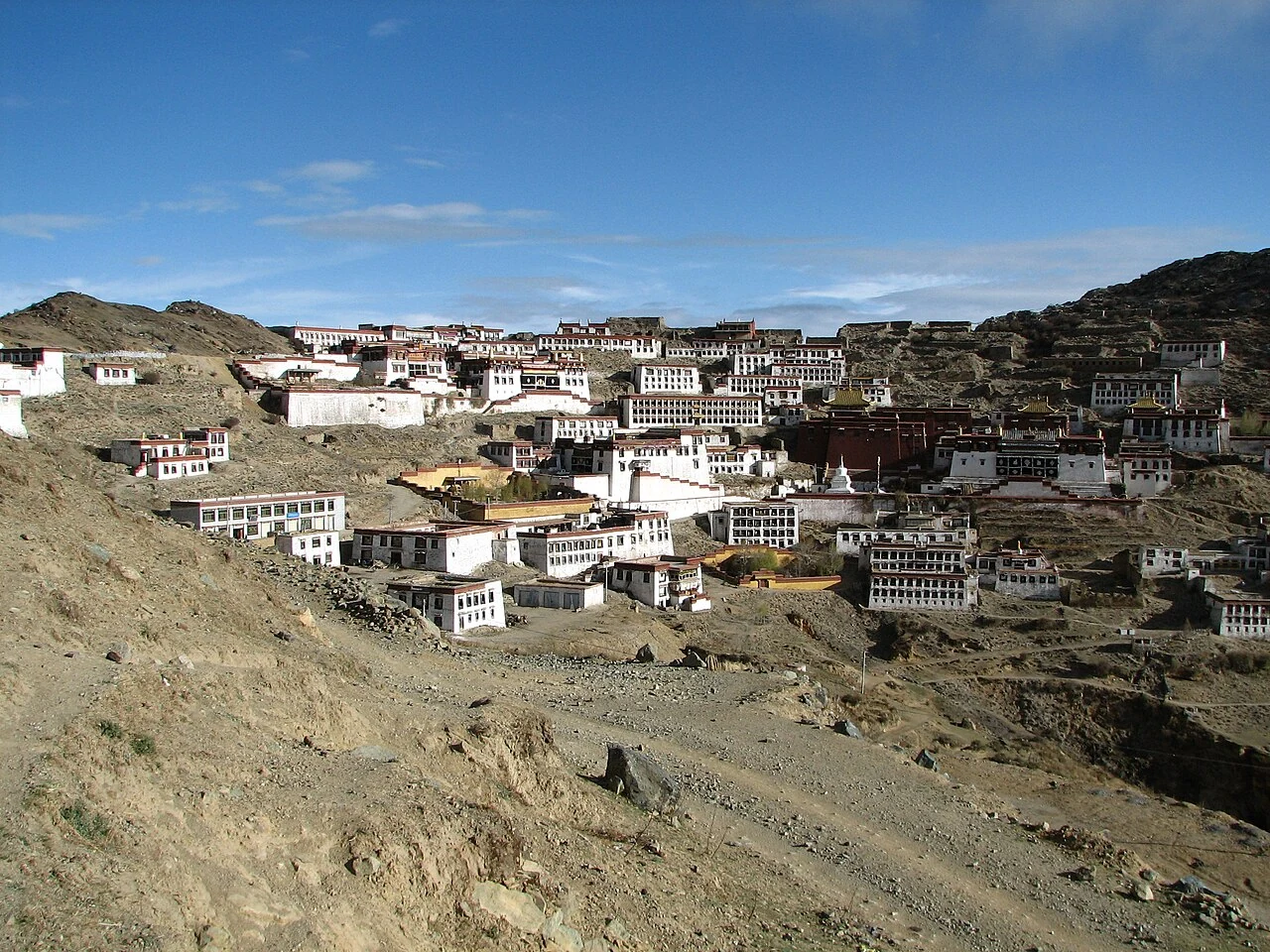
Ganden’s position in Dagzê brings its mountain hollow, layered buildings and exposed ridges into one architectural view.
ReadA Nyemo maker’s career connects childhood apprenticeship, a Lhasa workshop and new forms of incense made for changing everyday uses.
Read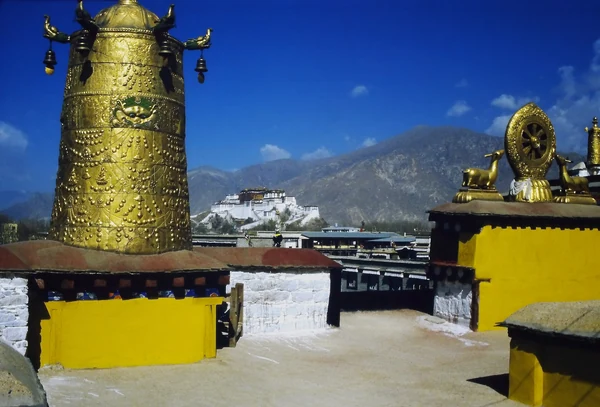
Nangkhor, Barkhor and Lingkhor connect Jokhang’s inner devotional circuit to the wider streets and landmarks of Lhasa.
Read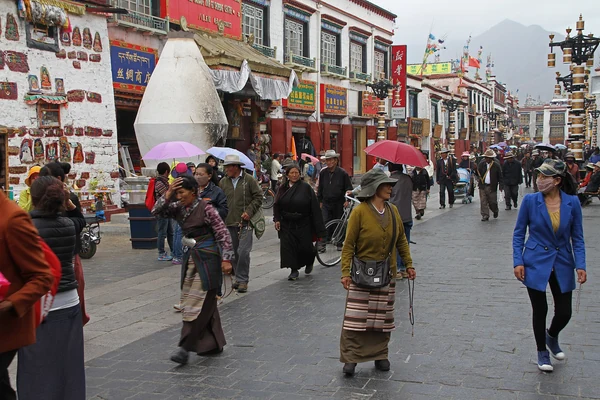
Nangkhor, Barkhor and Lingkhor describe devotional routes at the scale of an inner shrine, a temple and the wider historic city.
ReadAcross Nyemo, water-powered incense mills, Xuela papermaking and Pusong woodcarving connect different villages through skilled handwork.
Read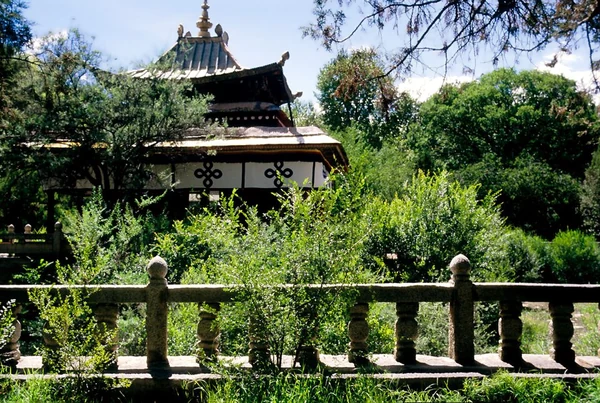
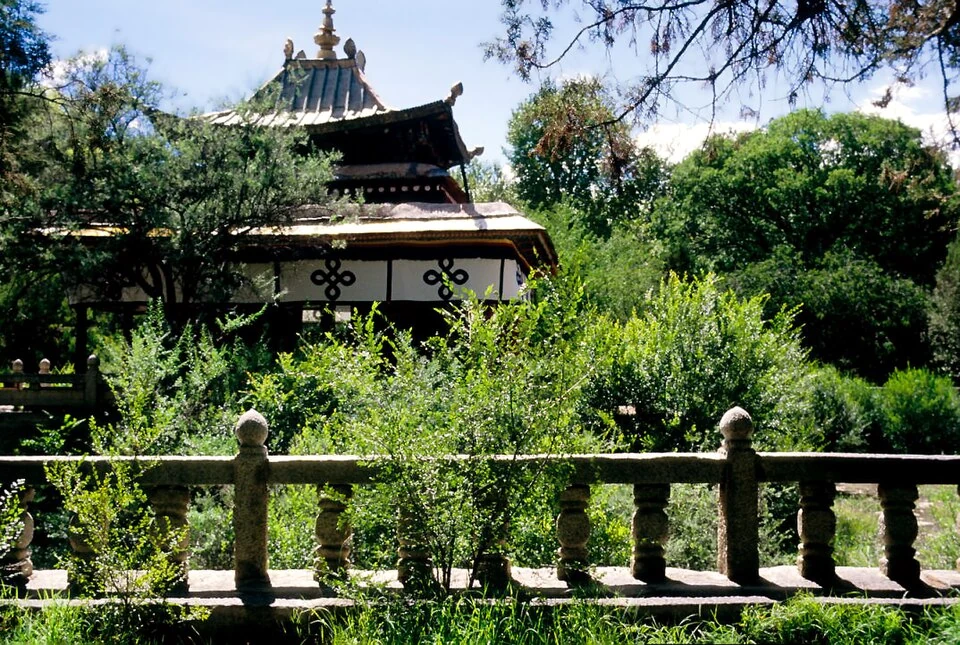
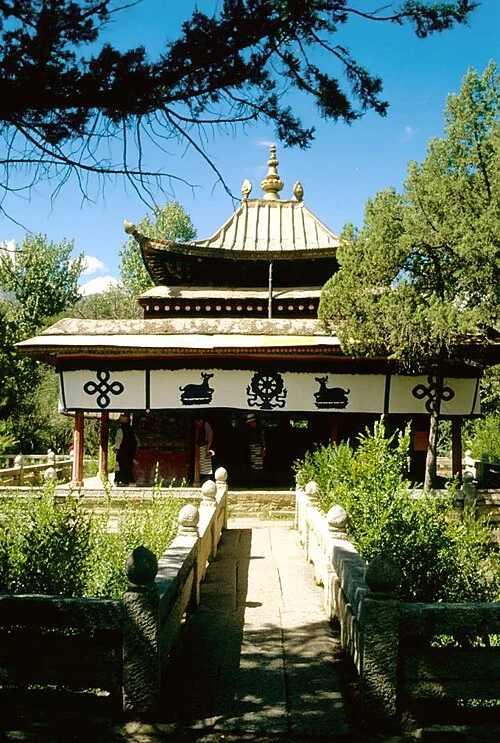
Lhasa’s summer residence brings palace rooms, planted grounds, paths and performance spaces into a different rhythm from the Potala.
Read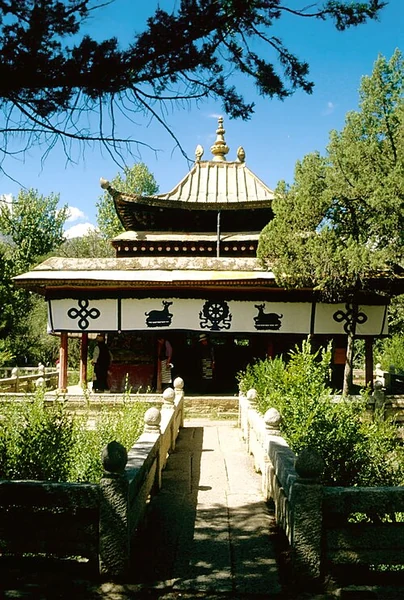
Kangsong Silnon’s theatre story unfolds in Norbulingka, a 36-hectare garden residence organized around three principal palaces.
Read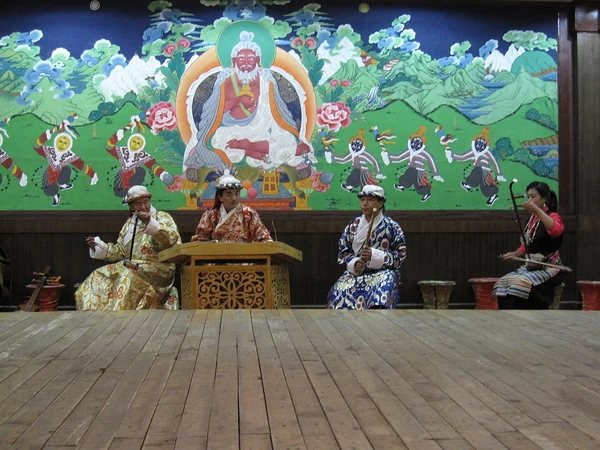
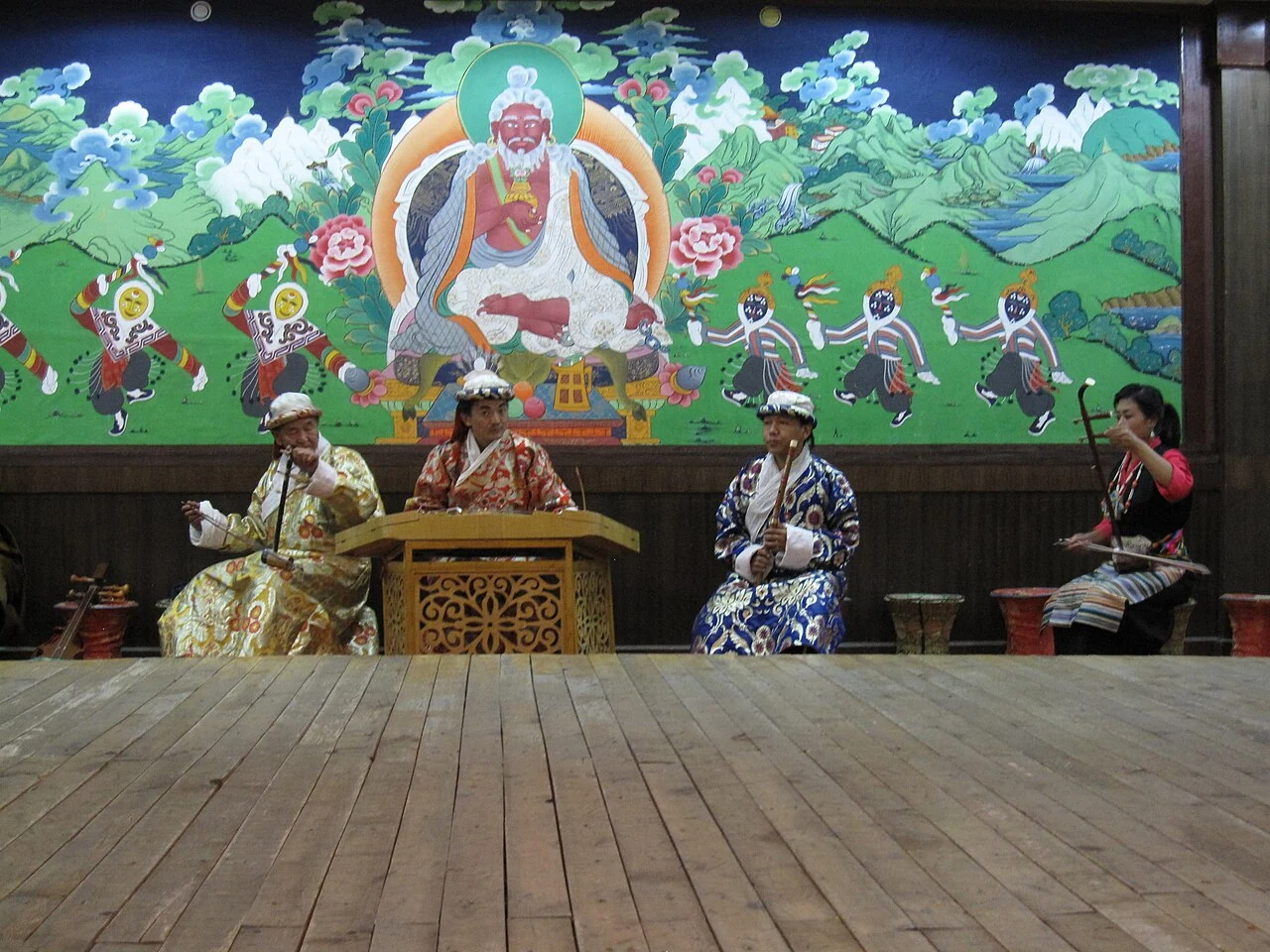
Masks are one part of a theatrical form that joins a narrator, enacted drama, singing, dance and an audience gathered around a shared space.
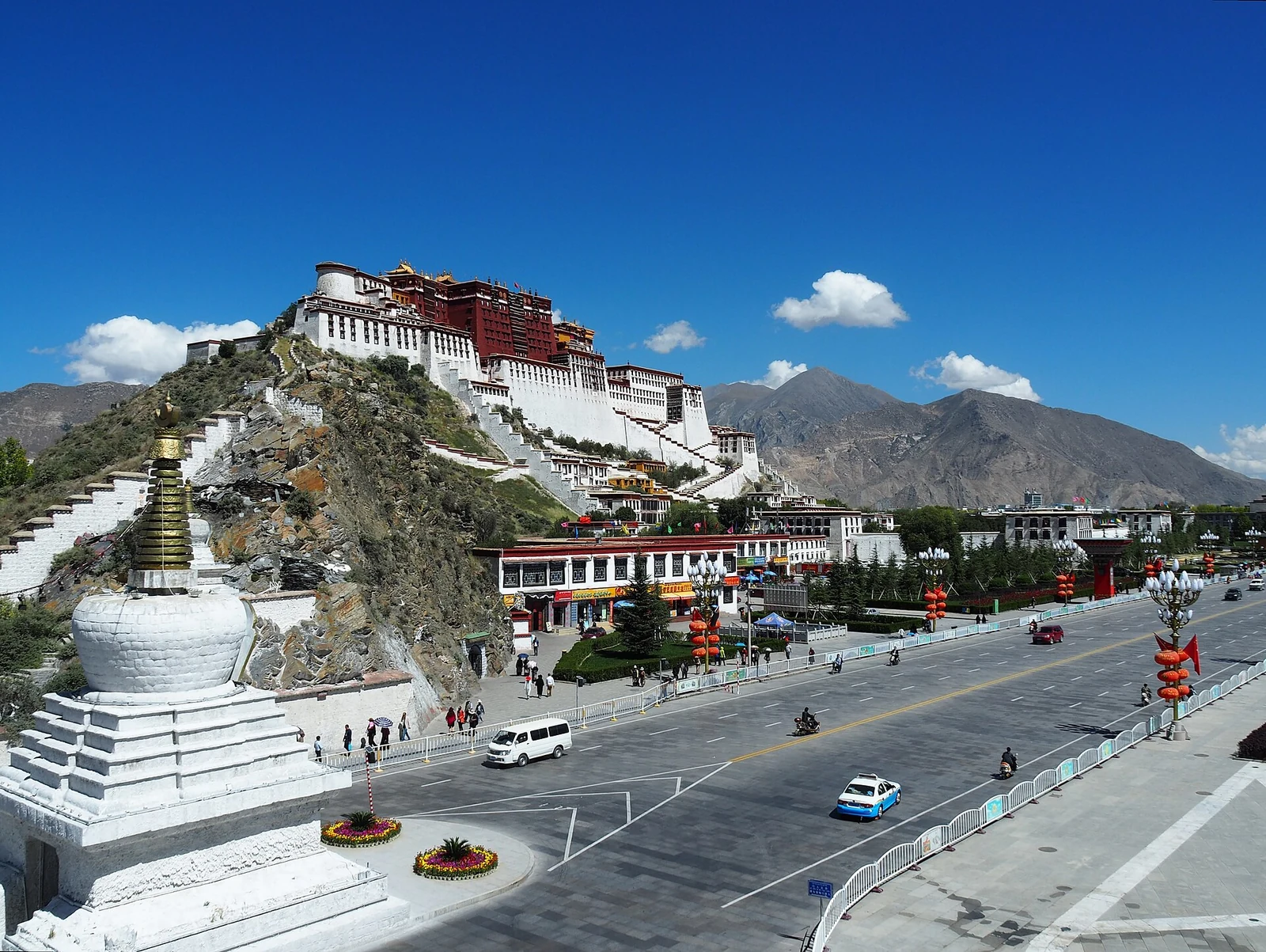
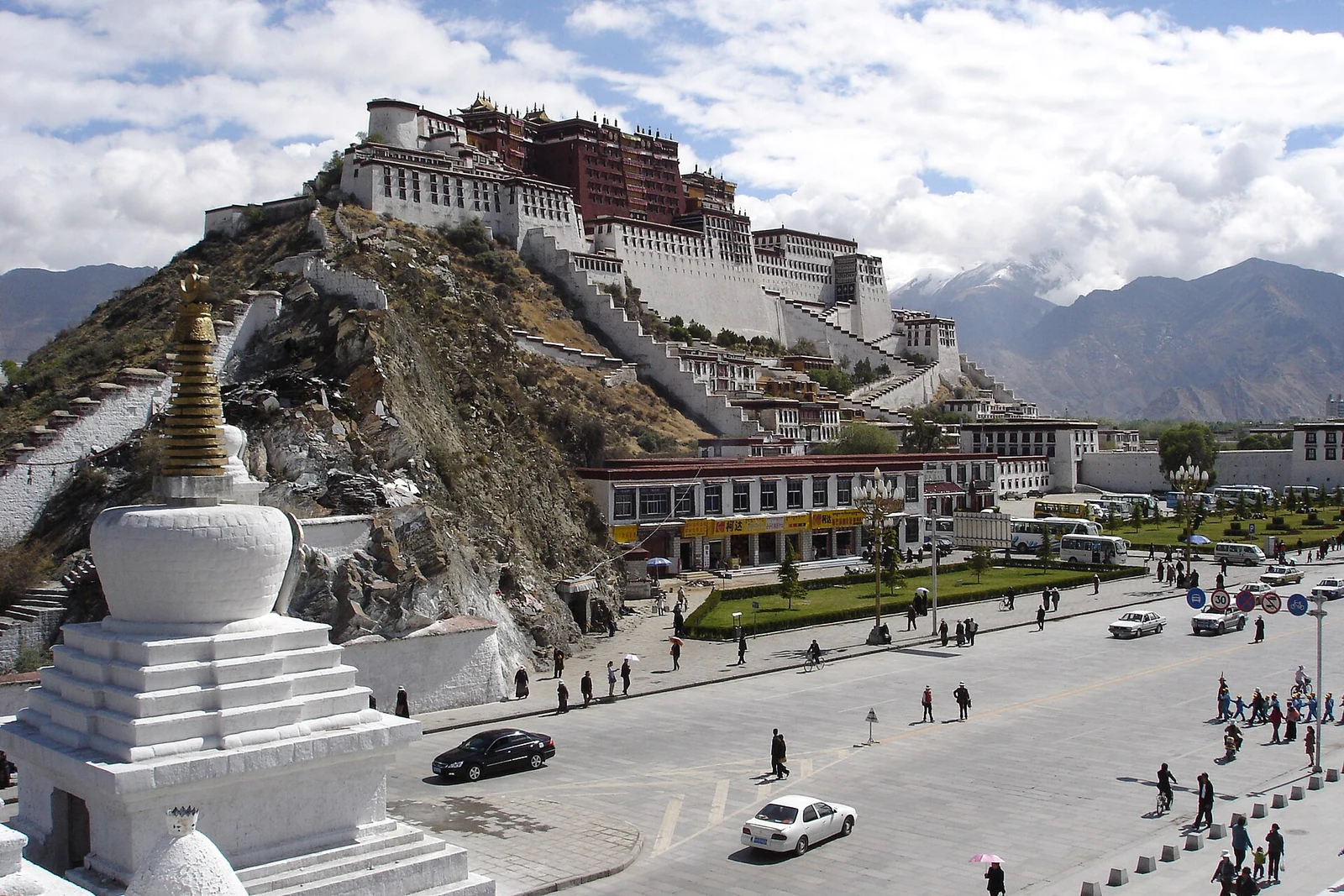
ReadUNESCO places the Potala at 3,700 metres on Red Mountain, where the White and Red Palaces rise above Lhasa’s broad valley.
Read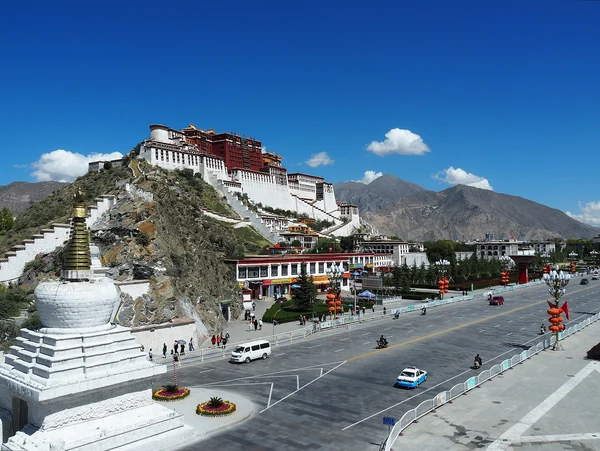
Murals, scroll paintings and palm-leaf manuscripts reveal another scale of the Potala, where architecture shelters fragile surfaces and recorded knowledge.
Read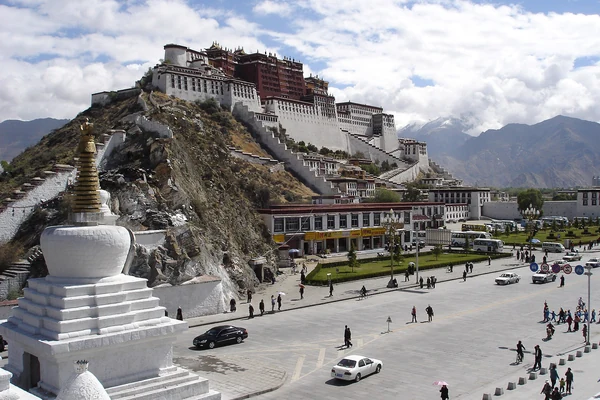
On Lhasa’s Red Mountain, the Potala joins ceremonial rooms, residences and religious spaces in a single stepped complex.
ReadIn Nyemo, carvers apply inherited cutting skills to printing, decorative objects and customised designs, while training another generation.
Read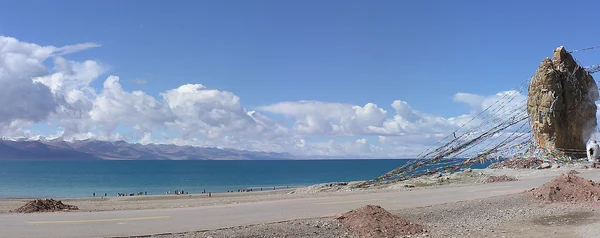
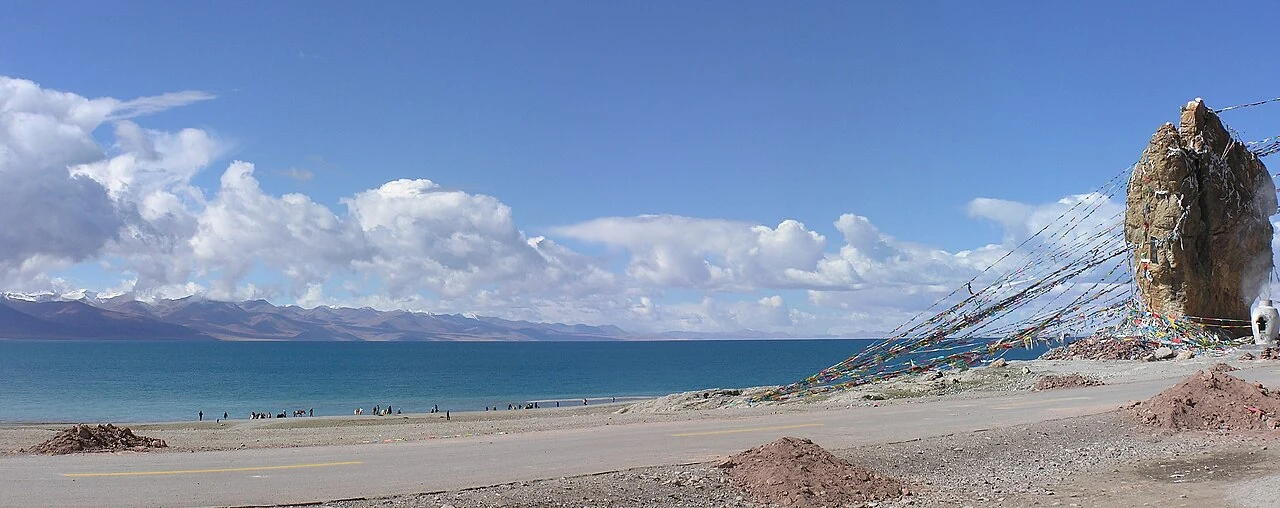
Namtso lies between Damxung in Lhasa and Baingoin in Nagqu; its shores connect highland scenery with the everyday work of caring for a lake.
Read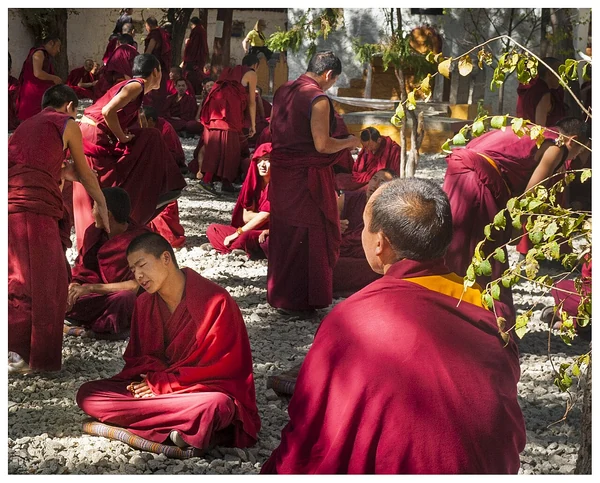
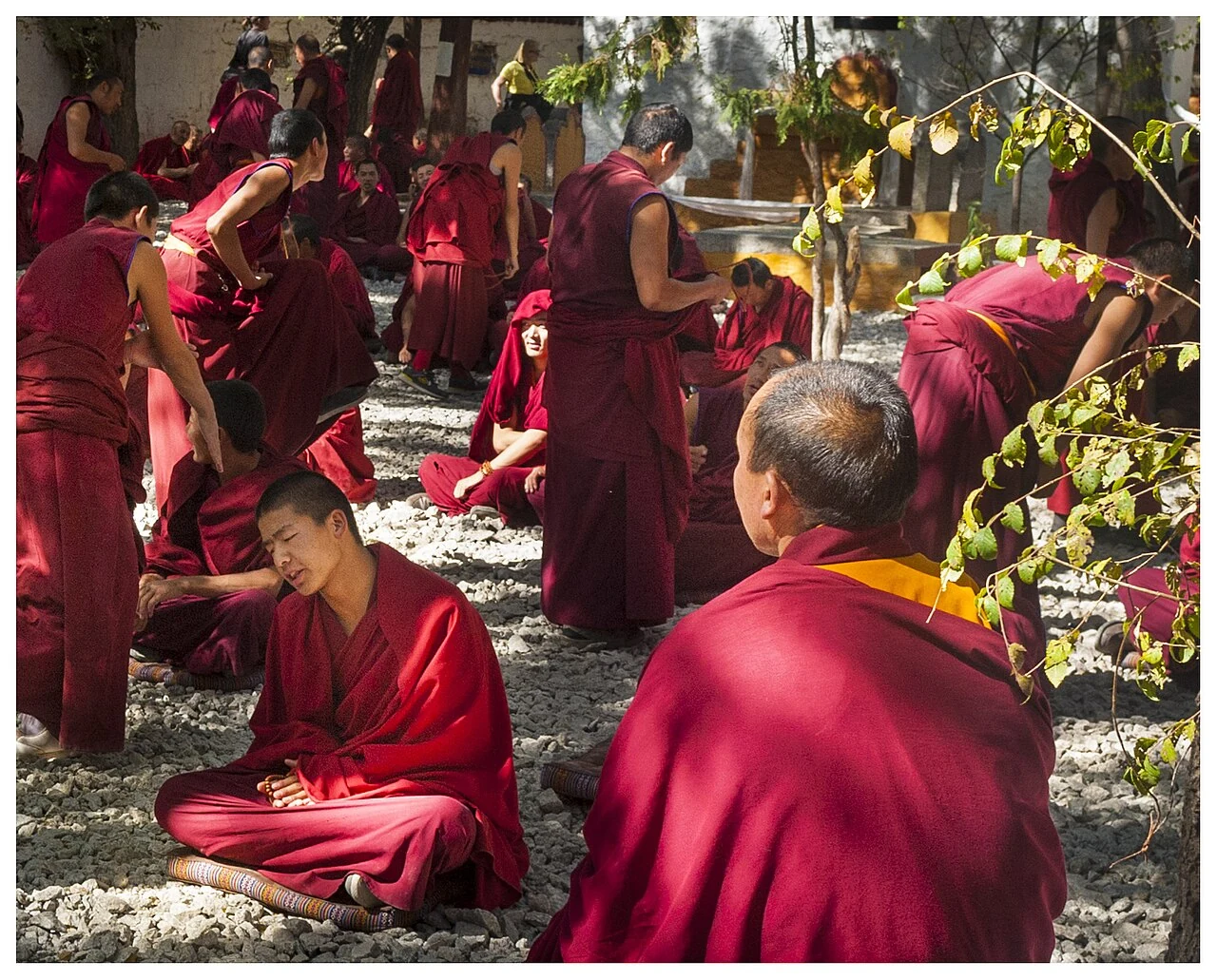
Standing questions, seated replies and the sound of a handclap give Sera’s debate court a visible rhythm rooted in study.
Read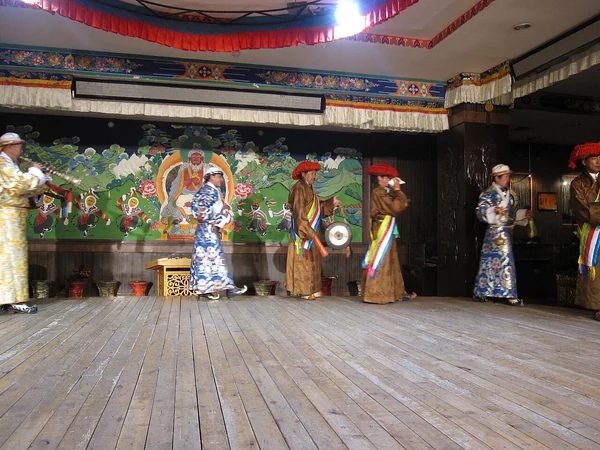
Lhasa’s summer festival connects a large religious image at Drepung with the more intimate pleasures of opera and picnics in planted grounds.
ReadIn Nyemo’s Thunda village, watermills reveal how a local river enters the preparation of incense ingredients.
ReadPapermaker Gesang Denzin’s workshop in Nyemo turns prepared roots into sheets, while notebooks, lamps and cultivation trials extend the craft’s possibilities.
ReadAround Jokhang, Barkhor brings devotional movement, trading streets and the thresholds of old courtyards into close proximity.
At Drepung, assembly halls, colleges and debate courts form a settlement climbing the stony slopes west of Lhasa.
Ganden’s position in Dagzê brings its mountain hollow, layered buildings and exposed ridges into one architectural view.
Nangkhor, Barkhor and Lingkhor connect Jokhang’s inner devotional circuit to the wider streets and landmarks of Lhasa.
Nangkhor, Barkhor and Lingkhor describe devotional routes at the scale of an inner shrine, a temple and the wider historic city.
Namtso lies between Damxung in Lhasa and Baingoin in Nagqu; its shores connect highland scenery with the everyday work of caring for a lake.
A Nyemo maker’s career connects childhood apprenticeship, a Lhasa workshop and new forms of incense made for changing everyday uses.
Lhasa’s summer residence brings palace rooms, planted grounds, paths and performance spaces into a different rhythm from the Potala.
The Nichi tradition links the shape of a bamboo nib with disciplined letter forms and a history of teaching centred on Nyemo.
UNESCO places the Potala at 3,700 metres on Red Mountain, where the White and Red Palaces rise above Lhasa’s broad valley.
Standing questions, seated replies and the sound of a handclap give Sera’s debate court a visible rhythm rooted in study.
Lhasa’s summer festival connects a large religious image at Drepung with the more intimate pleasures of opera and picnics in planted grounds.
A thangka’s religious image may be painted, woven, embroidered or assembled, giving familiar compositions very different material lives.
Masks are one part of a theatrical form that joins a narrator, enacted drama, singing, dance and an audience gathered around a shared space.