Chamdo.

An official Chamdo tourism profile locates three differently named lakes at Puyu Village and describes how they sit in relation to one another. Its account connects color names to shoreline and mineral observations, while leaving water chemistry and seasonal change for closer study.

In Waichong Village, woodblock carver Zepei describes a craft learned from childhood and carried into a workshop with younger apprentices. The work joins careful material preparation to the exacting demands of Tibetan calligraphy.

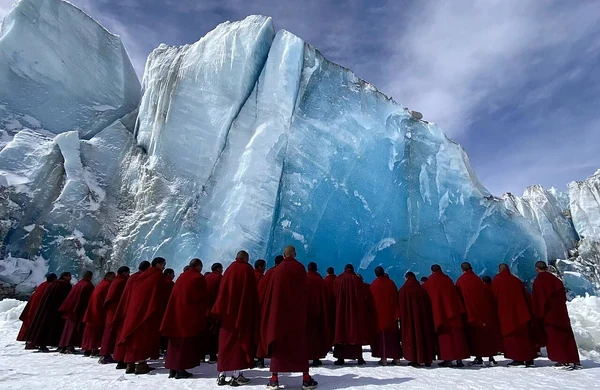
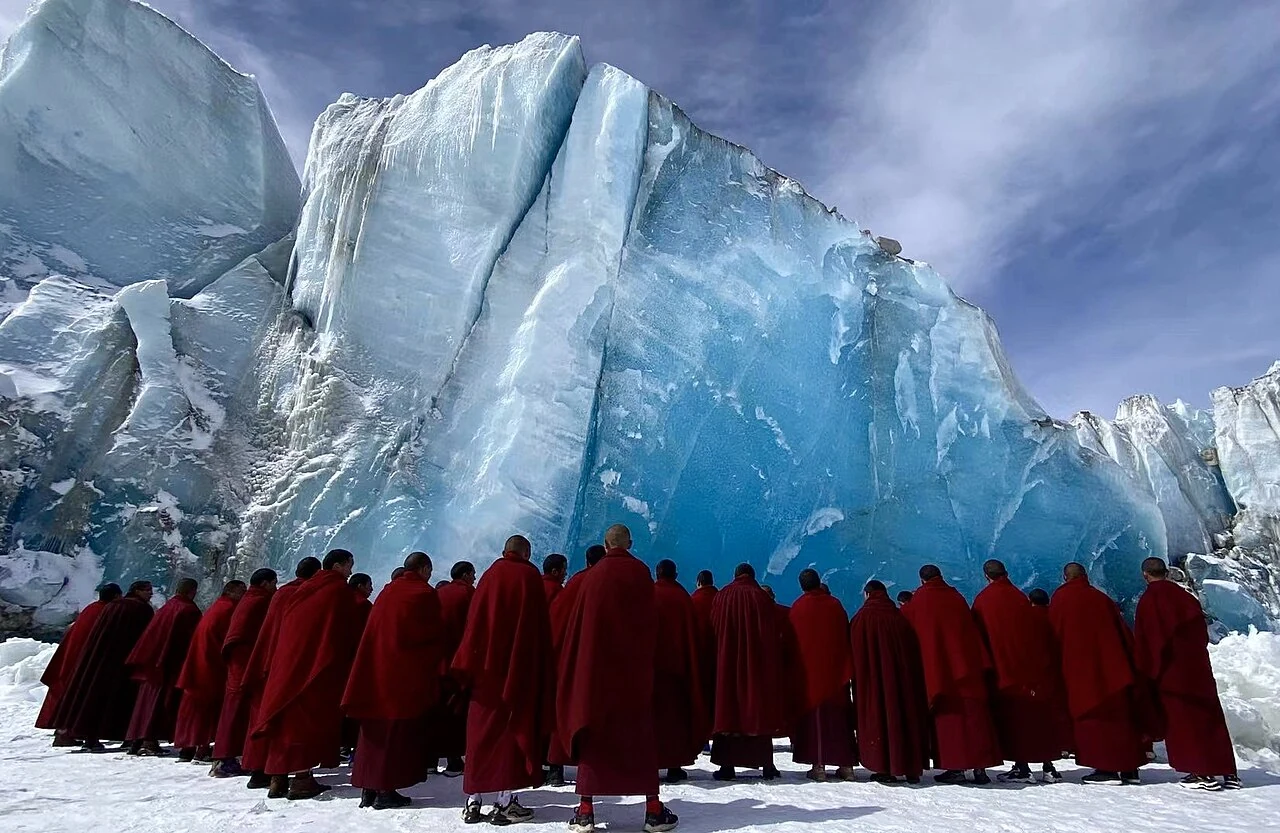
Monks gather at the blue glacier near Laigu for a blessing ceremony, photographed in February 2022.
A blessing ceremony at the glacier near Laigu, photographed on 4 February 2022. The image records that event and date; it is not a current glacier-condition survey.

Chamdo

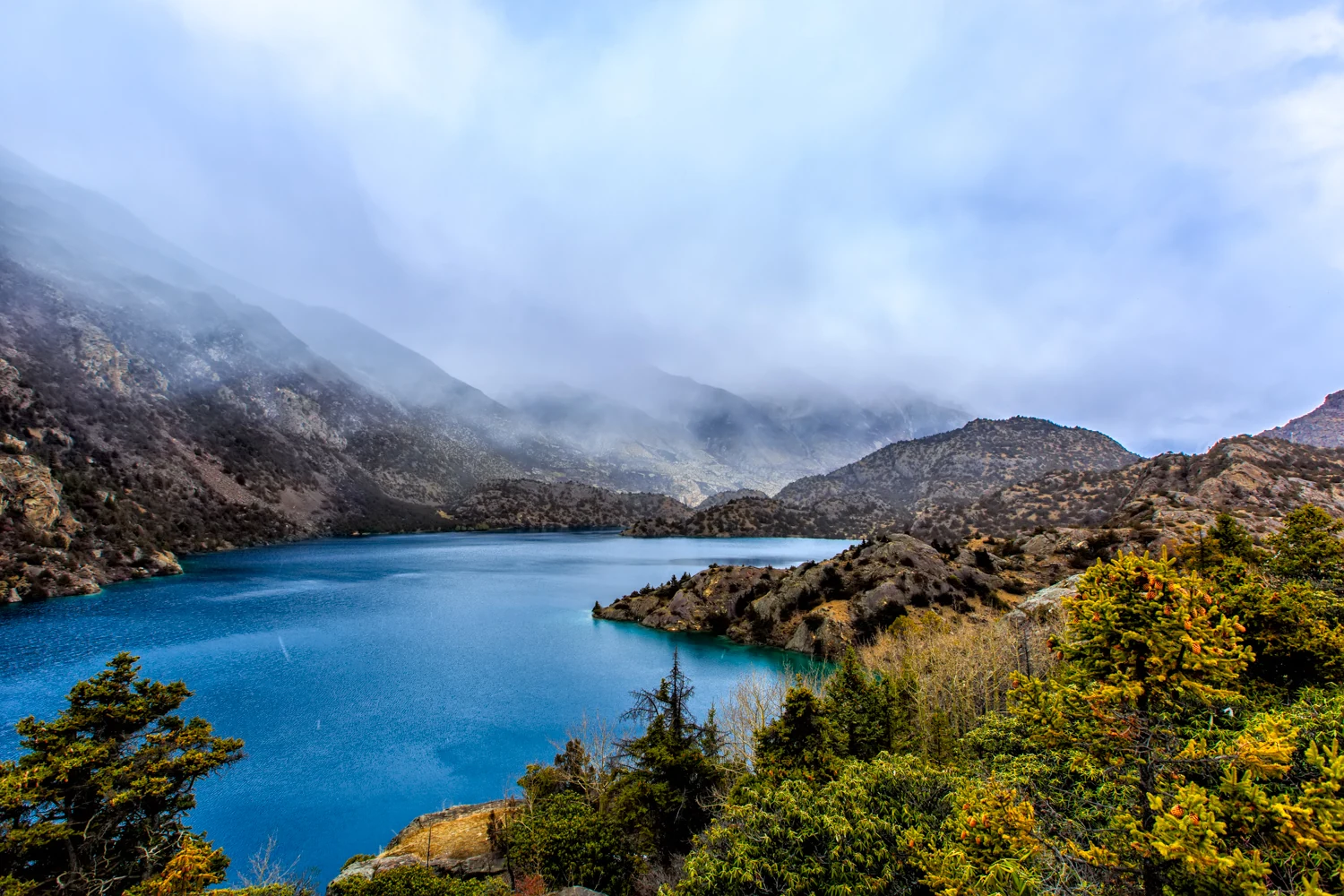
A blue mountain lake fringed by trees

Bianba’s Three-Colored Lakes: Names Along a Mountain Channel

An official Chamdo tourism profile locates three differently named lakes at Puyu Village and describes how they sit in relation to one another. Its account connects color names to shoreline and mineral observations, while leaving water chemistry and seasonal change for closer study.

Read

Places

Bianba Three-Coloured Lakes

An official Chamdo tourism profile locates three differently named lakes at Puyu Village and describes how they sit in relation to one another. Its account connects color names to shoreline and mineral observations, while leaving water chemistry and seasonal change for closer study.

Chamdo

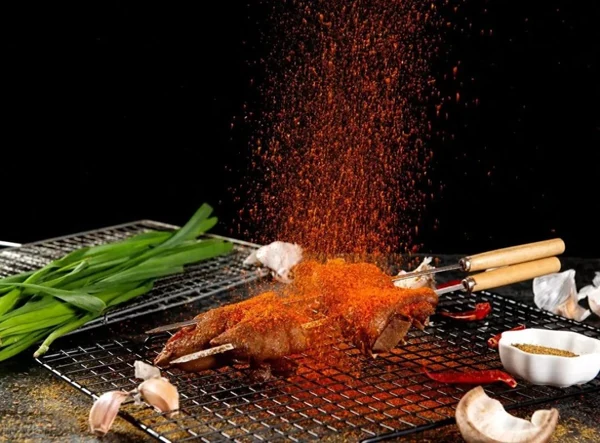
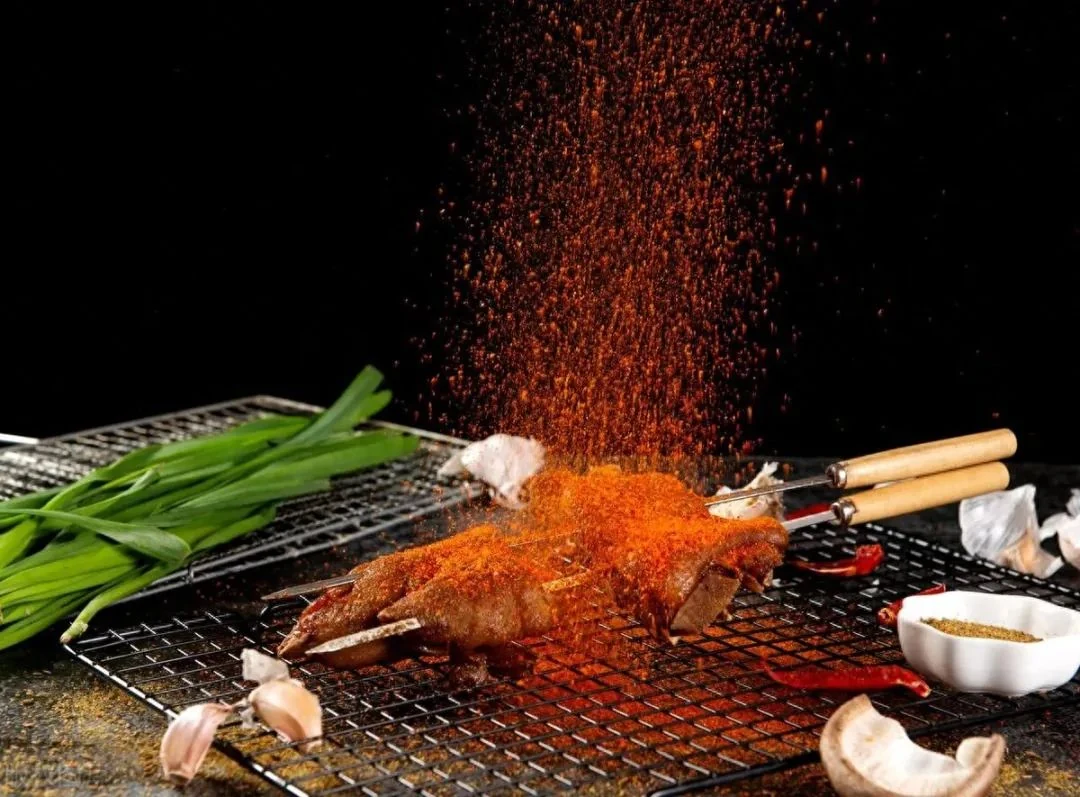
A 2023 tourism feature points to the many barbecue storefronts around Olo Bridge and singles out local pepper as a flavor. A separate food guide preserves Yanjing jiajia noodles as a Mangkang specialty, keeping the city’s food map geographically honest.

Chamdo City Museum

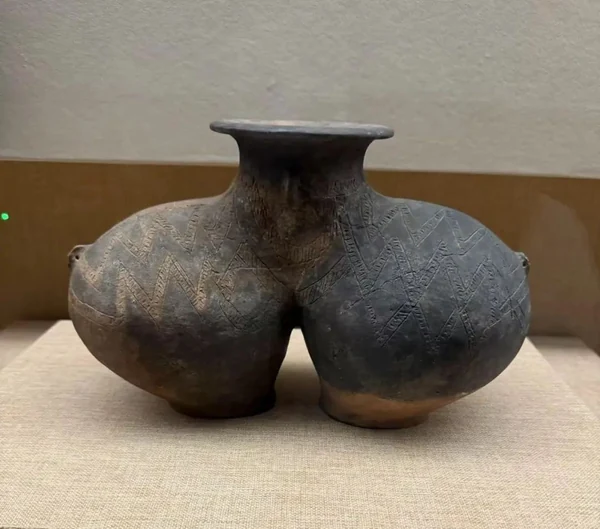
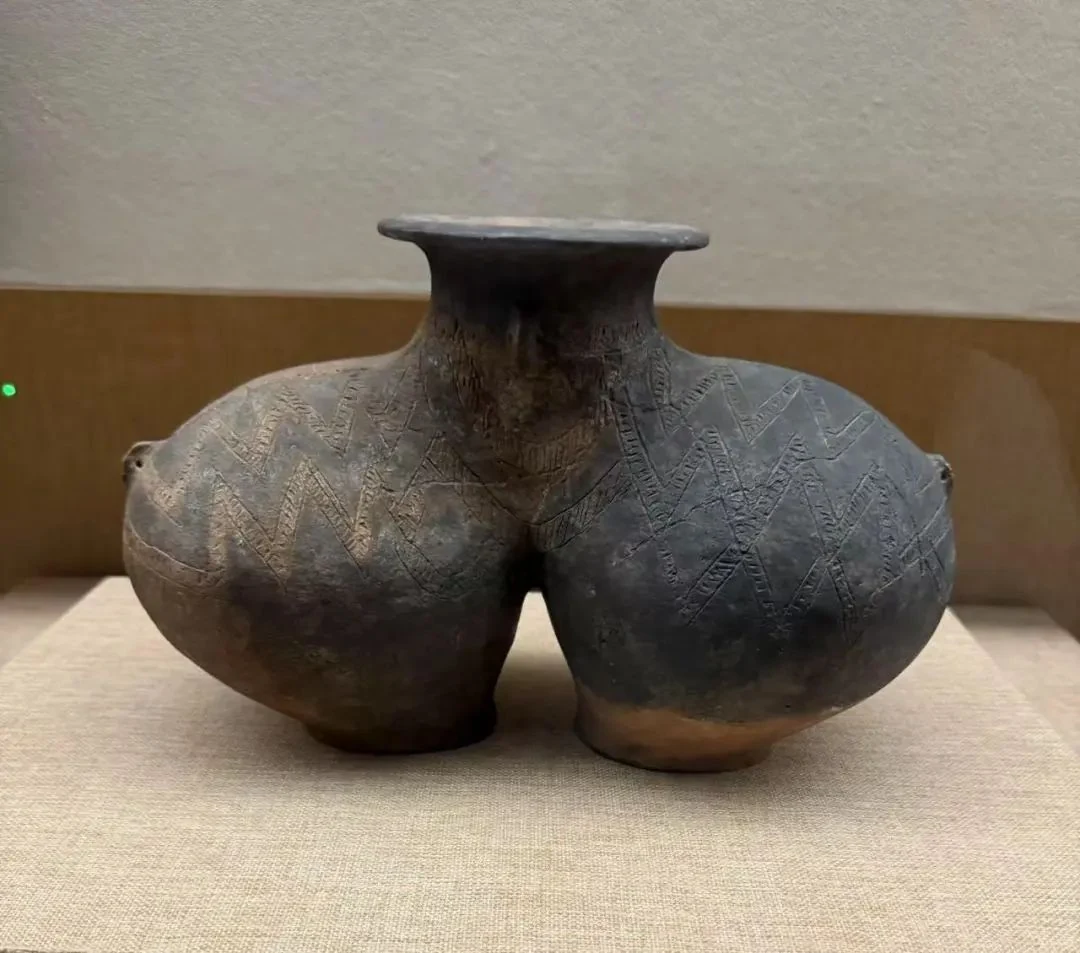
A 2025 city-walk account describes the twin-bodied pottery vessel shown at Chamdo Museum as a replica. Its original, excavated at Karuo, is held by the Tibet Museum—a distinction that opens a story about archaeological objects and display.

Karma Gadri Painting

Karma Gadri painting connects carefully drawn figures with landscapes, while a workshop in Karma Township carries its material knowledge into new forms.

Chaya Rock Carvings

At the Lebuqu–Sequ river confluence in Chaya, nine numbered carved panels form a site whose Buddhist figures and uncertain dating are best read together with its modern history of discovery and protection.

Dingqing Reba Traditions

The careers of Tenzin Chöta, Silang Chözin and Ani reveal distinct local forms of Reba through drum patterns, family learning and community teaching.

Jampaling Monastery

Jampaling’s Maitreya image, layered courts and history of rebuilding connect a religious institution with the river city below.

Jomda and Bolo Woodblocks

In Waichong Village, woodblock carver Zepei describes a craft learned from childhood and carried into a workshop with younger apprentices. The work joins careful material preparation to the exacting demands of Tibetan calligraphy.

Jiong Lada Ruins

A 2024 archaeological survey at Jiong Lada reveals a defensive landscape built from ridges, rammed earth, towers and carefully placed entrances.

Karuo Archaeological Site

House remains, bone tools, millet and a remarkable double-bodied vessel bring the Neolithic settlement at Karuo into view at several scales.

Laigu Village and Glaciers

A 2026 remote-sensing study compared two lakes near Laigu village over one year, showing how seasonal freezing can change the boundaries that satellite radar detects. A 2022 blessing photograph offers a separate, dated human scene at the glacier.

Zhaqu–Angqu Confluence

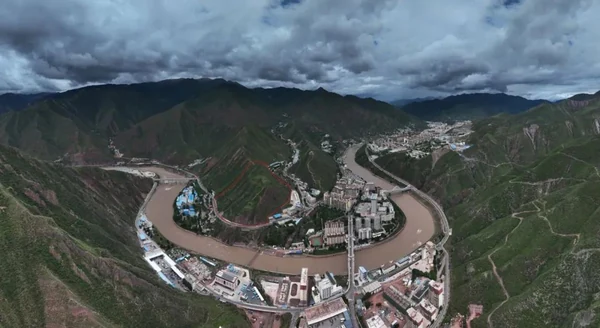
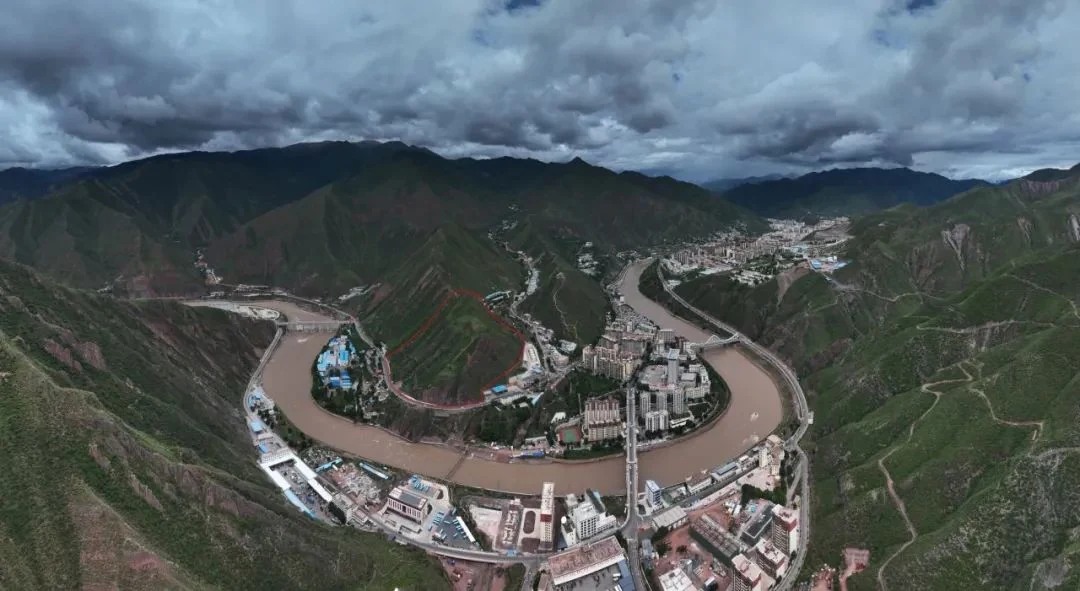
At the meeting of the Ngom Chu and Zha Chu, Chamdo’s riverside streets, raised monastery and upper viewpoints reveal a city built across changing levels.

Riwoche Monastery

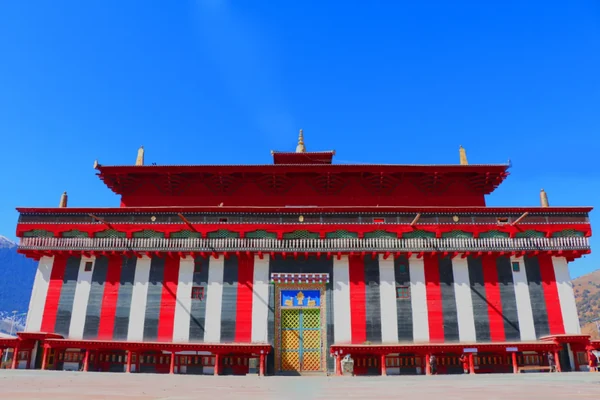
Two official reports describe Chajima as the main hall at Leiwuqi Monastery, give a traditional building chronology, and record local thangka painters helping repair murals. The dates remain attributed because a conservation record was not available.

Lhorong Valley

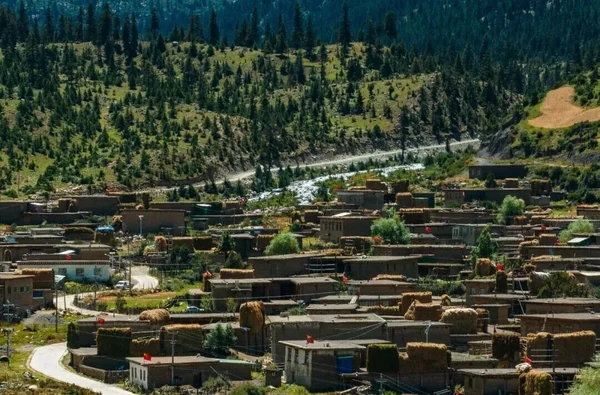
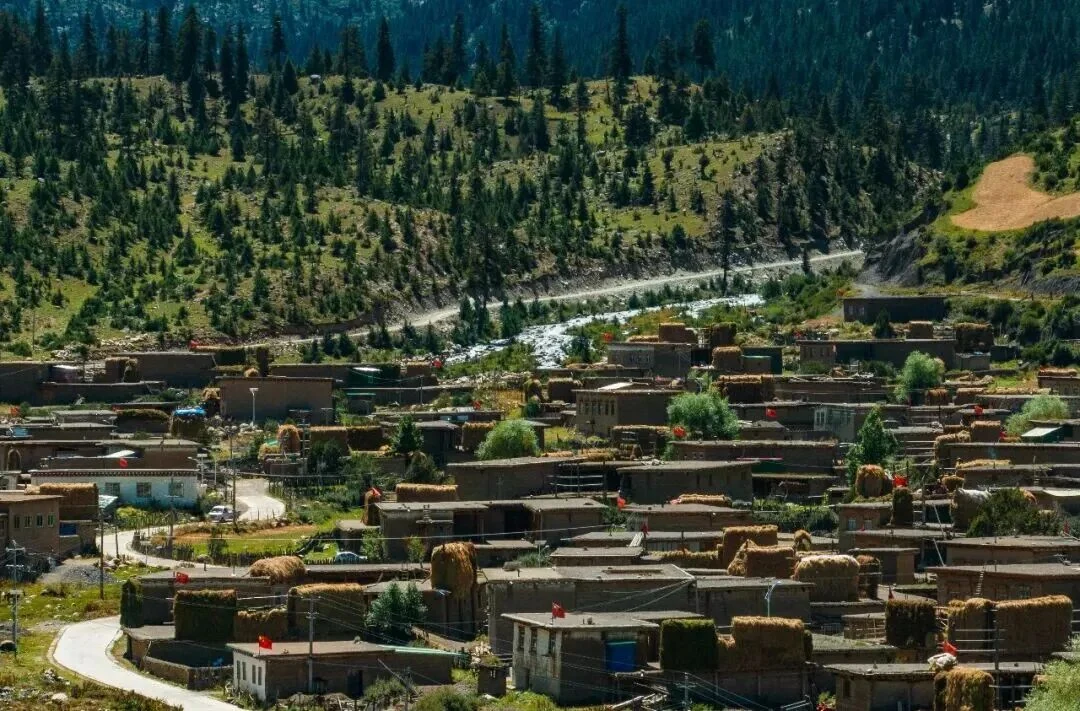
A 2025 county account follows Shuodu from an old caravan station to its surviving walls, Qing-era garrison traces and a former lodging place of the 18th Army. A village tree story remains oral memory, not a dated historical record.

Mangkang and Yanjing

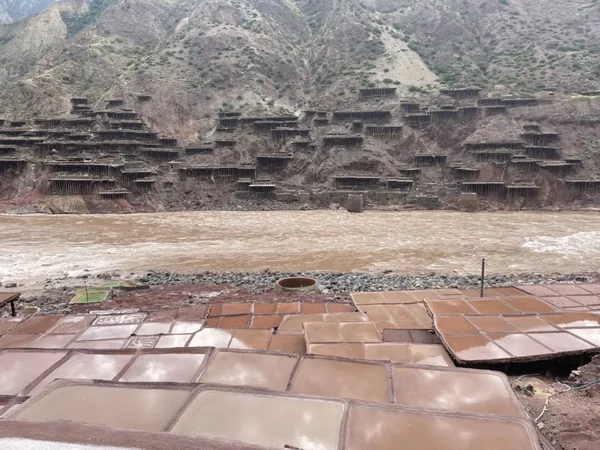
A 2024 report follows Mangkang salt worker Ze Ren Wangdui through the movement of brine from well to pool and field, then places Xianzi song beside labor, landscape, love and toasting without inventing lyrics.

Yanjing Salt Terraces

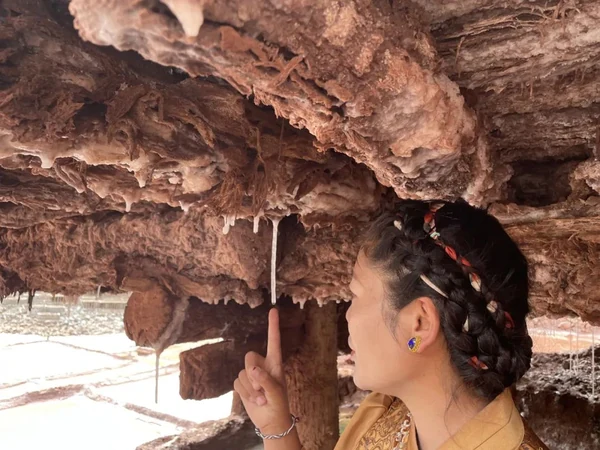
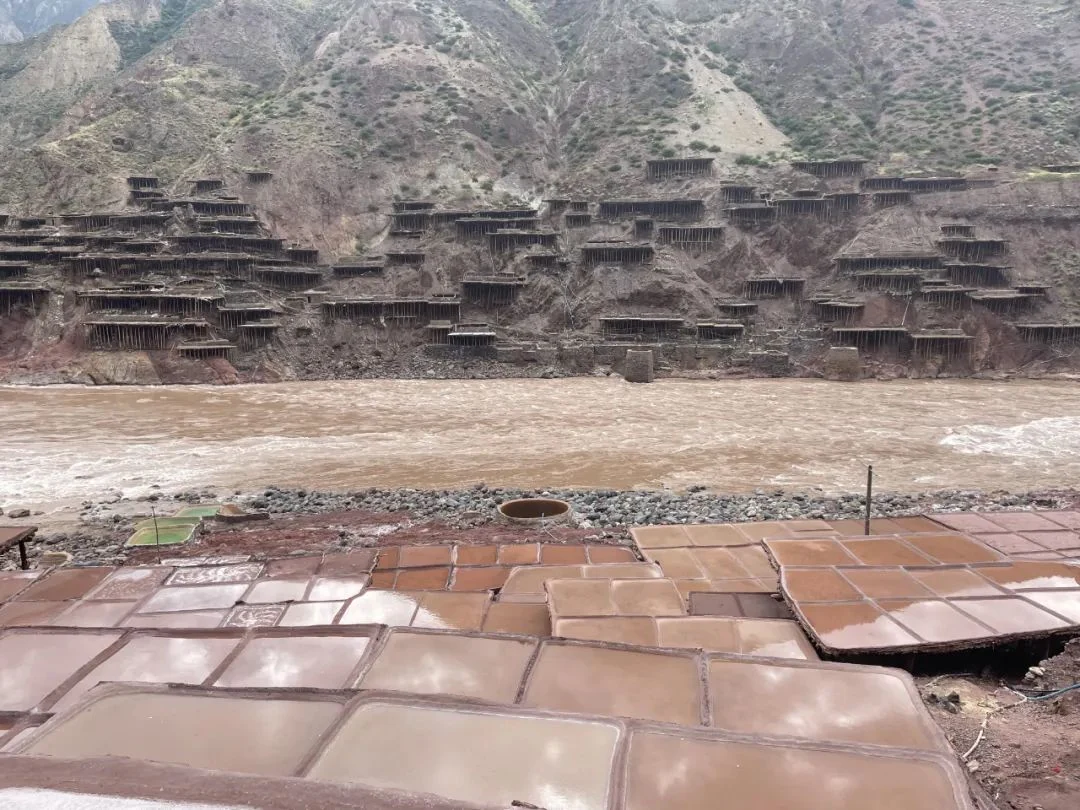
On the Lancang’s banks at Yanjing, wooden supports, plants, earth and carried brine become a working landscape of salt pans.

Mangkang Xianzi

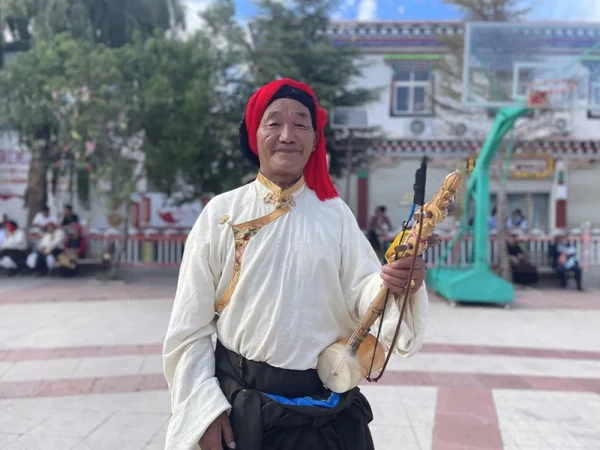
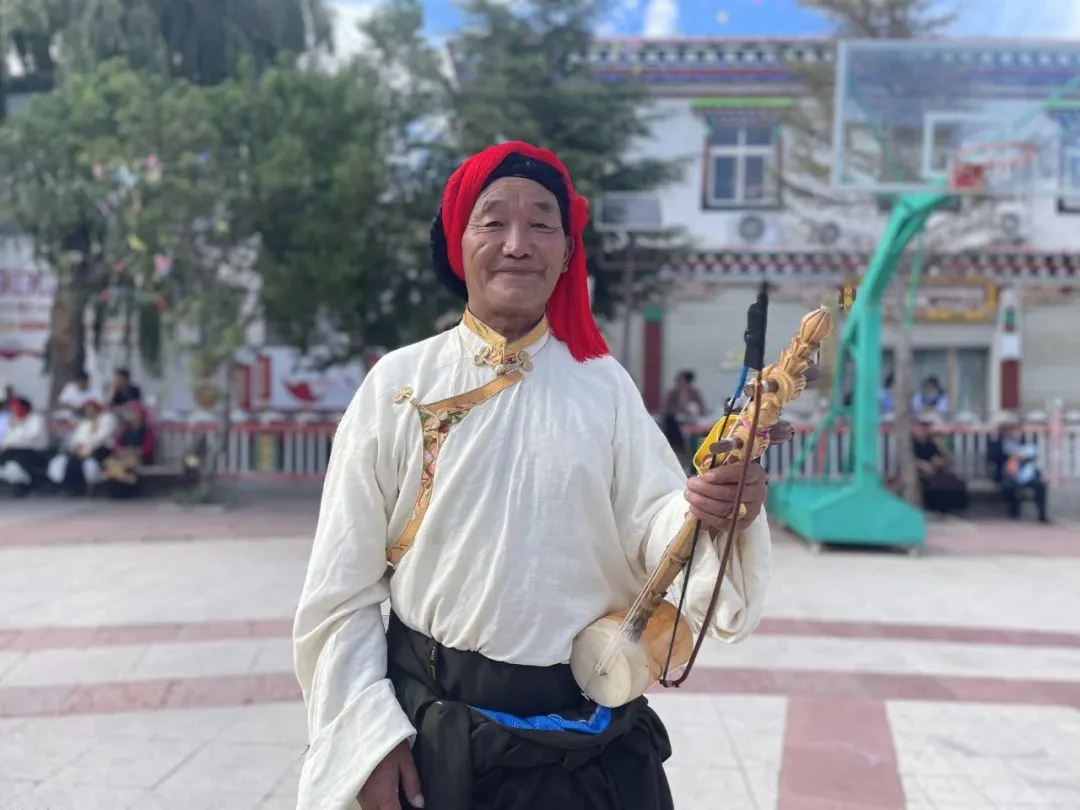
A short-bodied fiddle, long sleeves and answering voices give Mangkang Xianzi a shared rhythm that can gather people in many kinds of space.

Rawu Lake

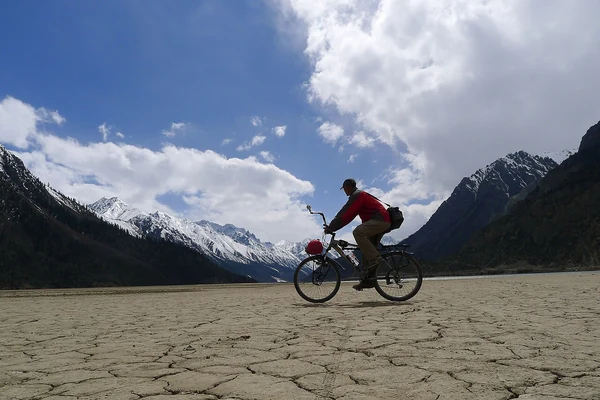
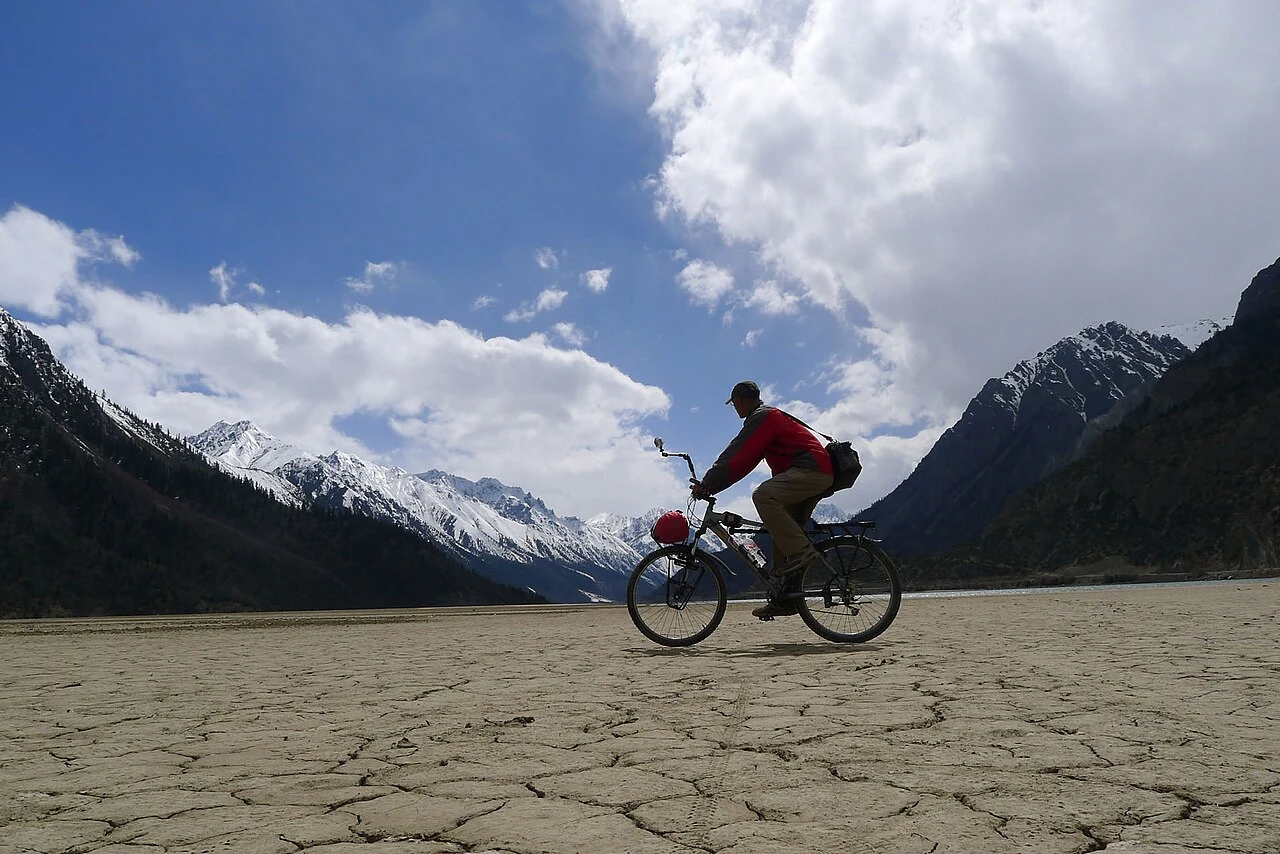
A field study of Ranwu Lake’s water balance in 2015 traced seasonal contributions from rain and glacier melt. Photographs from May 2012 show an exposed lakebed and sediment work, preserving an earlier moment rather than describing today’s shoreline.

Chamdo Tea Horse Square

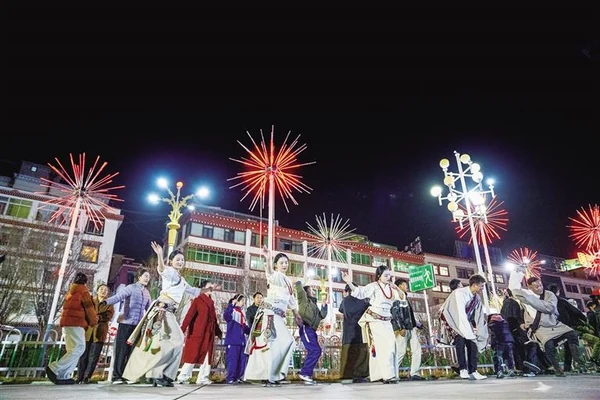
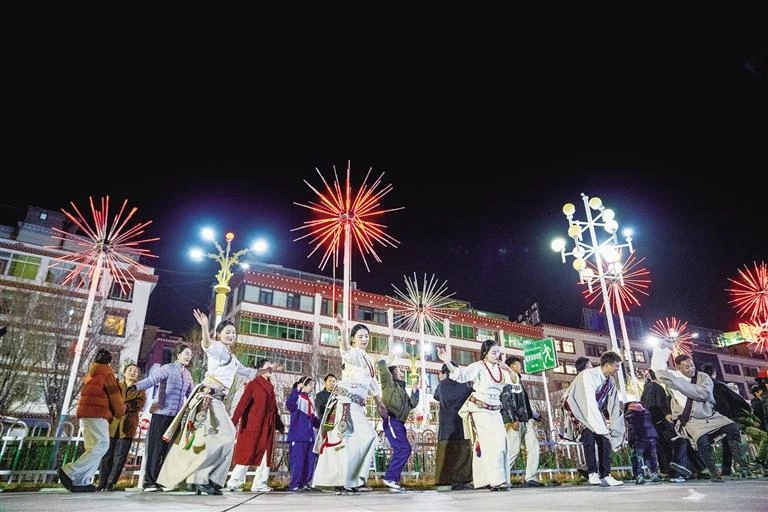
A reported Guozhuang gathering on Tea-Horse Square connects Chamdo’s riverside centre with shops, shared rhythm and everyday public life.

Mangkang Xianzi Songs

The reported themes of Xianzi singing connect daily work, remembered places, affection and celebration with the people who teach the dance.

Zizhu Monastery

A Chamdo tourism account locates Zizhu Monastery high on Zizhu Mountain in Dingqing and describes a ritual dance performed on a twelve-year cycle. The claim is presented as the tourism page’s account, not a substitute for a monastery ritual calendar.

Photo credits and rights
  1. A blessing ceremony at the glacier near Laigu, photographed on 4 February 2022. The image records that event and date; it is not a current glacier-condition survey.paralym · CC BY-SA 4.0 Photo source ↗ Rights information ↗
  2. A lake view illustrating the Bianba Three-Colored Lakes entry, updated in November 2025. The image is not used to identify all three lakes individually.Source report; no individual photographer identified · No independent image licence established; private editorial research only Photo source ↗ Rights information ↗
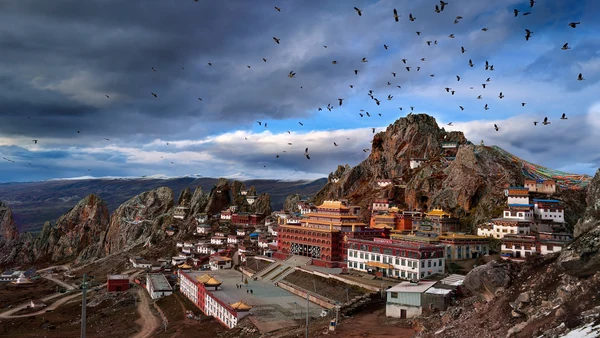
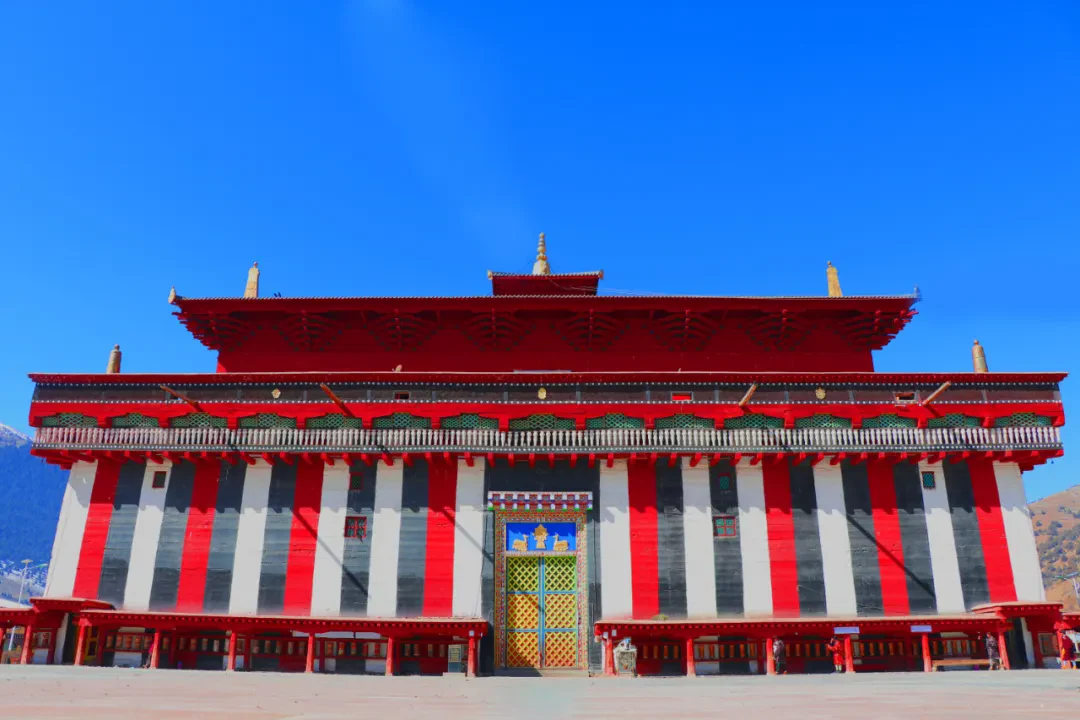
  3. Chajima Hall in the 8 July 2024 Chamdo feature. Image supplied by the Leiwuqi County Media Center; the photograph’s exposure date is not stated.类乌齐融媒体中心 · No independent image licence established; private editorial research only Photo source ↗ Rights information ↗
  4. Aerial view of Shuodu Ancient Town, with homes clustered beside a river and wooded slopes beyond.not credited on page · Rights information Photo source ↗
  5. Twin-bodied pottery jar displayed in a museum case.not credited on page · Rights information Photo source ↗
  6. A cyclist crossing an exposed lakebed at Ranwu in May 2012; this is a dated historical photograph, not a current shoreline survey.Eric Feng · CC BY-SA 2.0 Photo source ↗ Rights information ↗
  7. Gada Village’s salt fields across the Lancang River, photographed for a September 2024 report. Photograph by Zhang Jianlin for Beijing News.张建林/新京报 · No independent image licence established; private editorial research only Photo source ↗ Rights information ↗
  8. A barbecue illustration in the October 2023 Chamdo feature. The picture is not identified as a particular Olo Bridge stall or a particular meat.Source report; no individual photographer identified · No independent image licence established; private editorial research only Photo source ↗ Rights information ↗
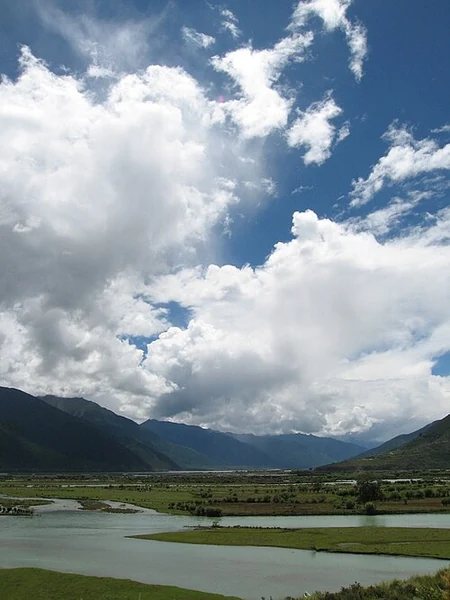
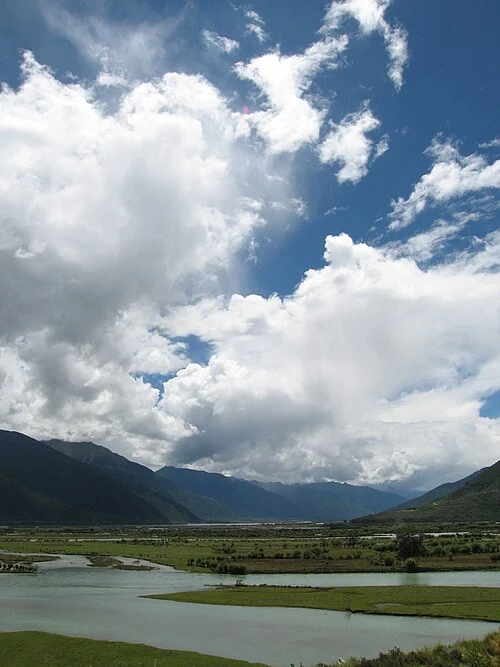
  9. The valley south of Chamdo town, 24 August 2007. Photograph: Jaryiah Khan; CC BY-SA 3.0. This is a historical landscape photograph.Jaryiah Khan · CC BY-SA 3.0 Photo source ↗ Rights information ↗
  10. A night-time Guozhuang scene illustrating the April 2025 Chamdo city report. Photographs credited in that report to Awang Nyima and Deji Yangzom.阿旺尼玛、德吉央宗 · No independent image licence established; private editorial research only Photo source ↗ Rights information ↗
  11. The castle ridge and surrounding landform, Figure 2 in the December 2024 archaeological report.文博中国/考古调查团队;页面未单列摄影者 · No independent image licence established; private editorial research only Photo source ↗ Rights information ↗
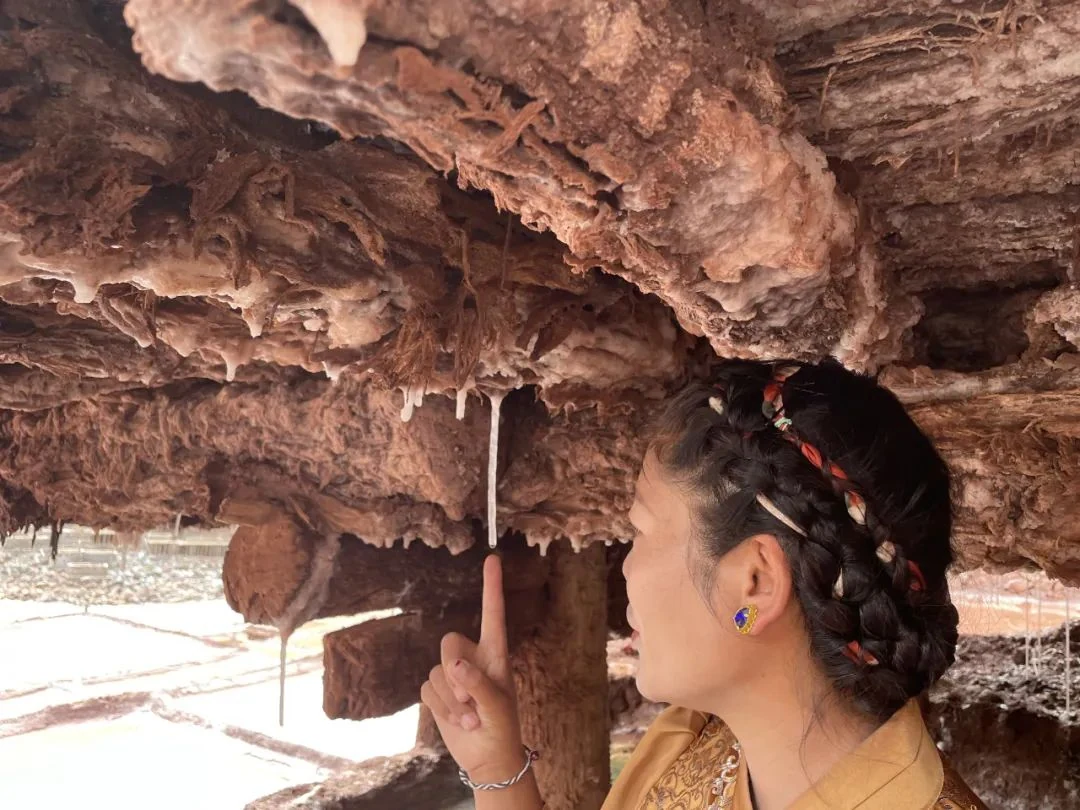
  12. Guide Tashi Lhamo points to salt crystals beneath a wooden roof in Yanjing, in a September 2024 report. Photograph by Zhang Jianlin for Beijing News.张建林/新京报 · No independent image licence established; private editorial research only Photo source ↗ Rights information ↗
  13. Tsering Wangdu illustrates the instrumental setting of Mangkang Xianzi in the 2024 report. He is a different practitioner from Jiangcuo, discussed in the text. Photograph: Zhang Jianlin, Beijing News.张建林/新京报 · No independent image licence established; private editorial research only Photo source ↗ Rights information ↗
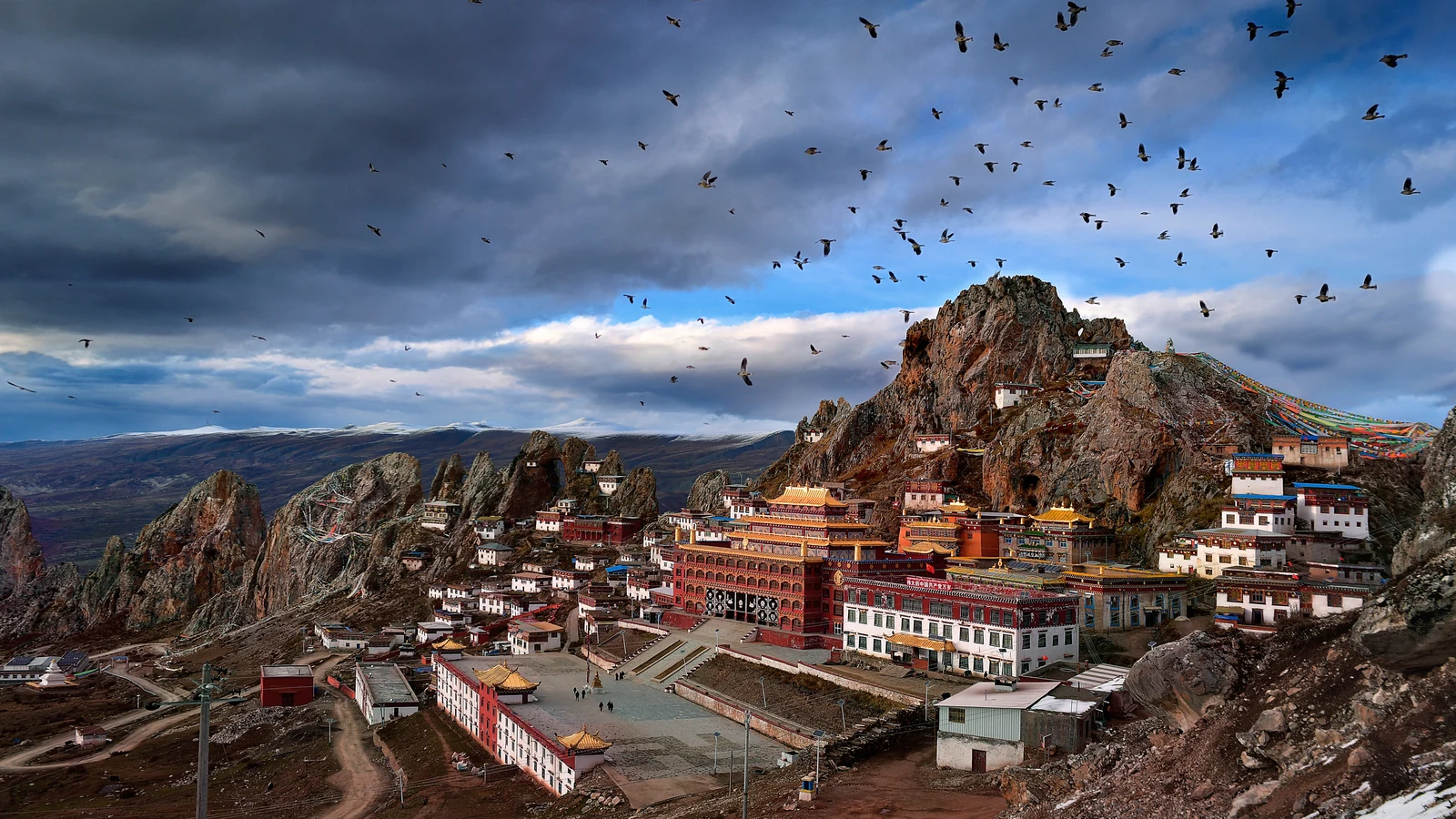
  14. Zizhu Monastery in the local culture and tourism profile. The photograph shows the mountain setting and buildings, not the twelve-year dance ceremony; the exposure date is not given.Source report; no individual photographer identified · No independent image licence established; private editorial research only Photo source ↗ Rights information ↗