Hankou takes its name from the mouth of the Han River where it joins the Yangtze. This is a river confluence, not an outlet to the sea. The meeting of waterways helped the town become an important trading centre before its nineteenth-century development as a treaty port. Hankou, Hanyang and Wuchang now form the historic Three Towns of Wuhan, each with its own relationship to the two rivers.
From the journal
The Clock Above a River Port
At Hankou, the Han–Yangtze confluence, former concessions and the 1924 Jianghan Customs House reveal a port city’s changing streets.
In the same city · Wuhan ↗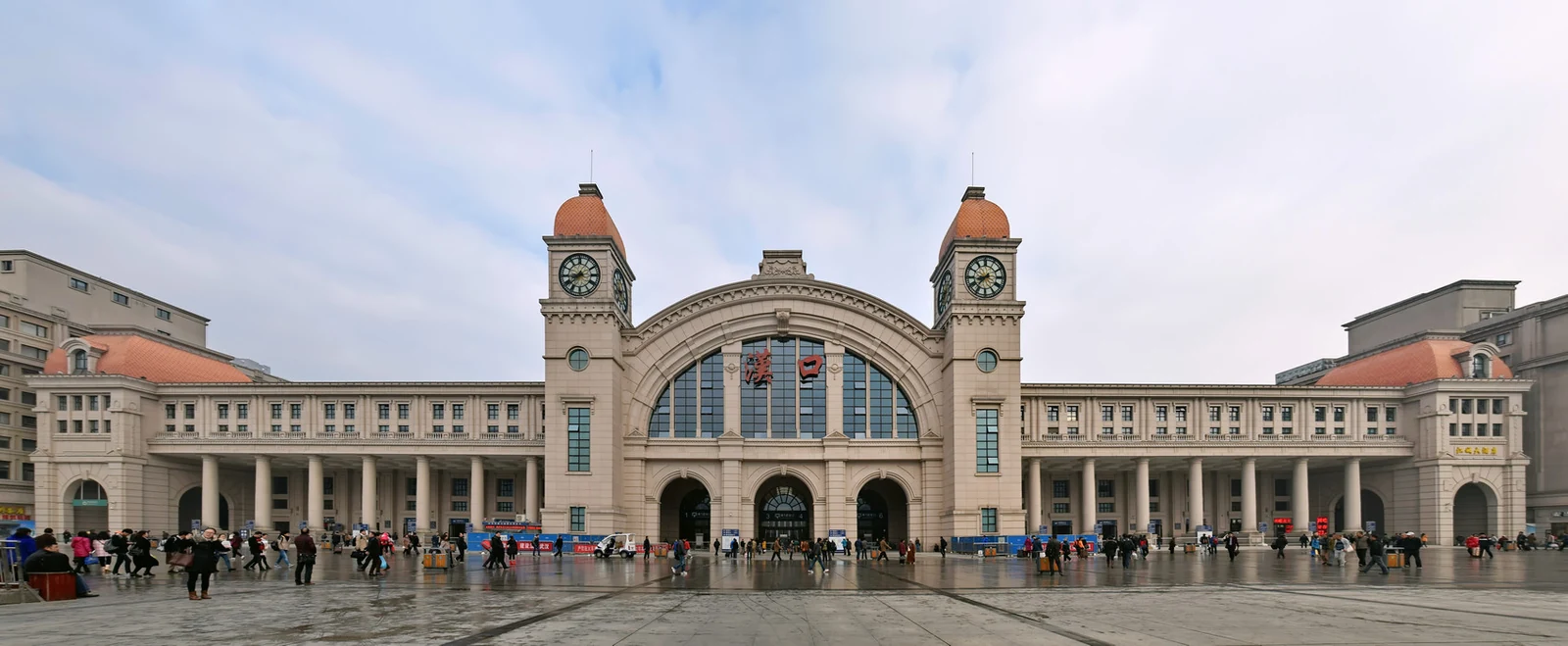
Where the Han meets the Yangtze
Trade leaves buildings behind
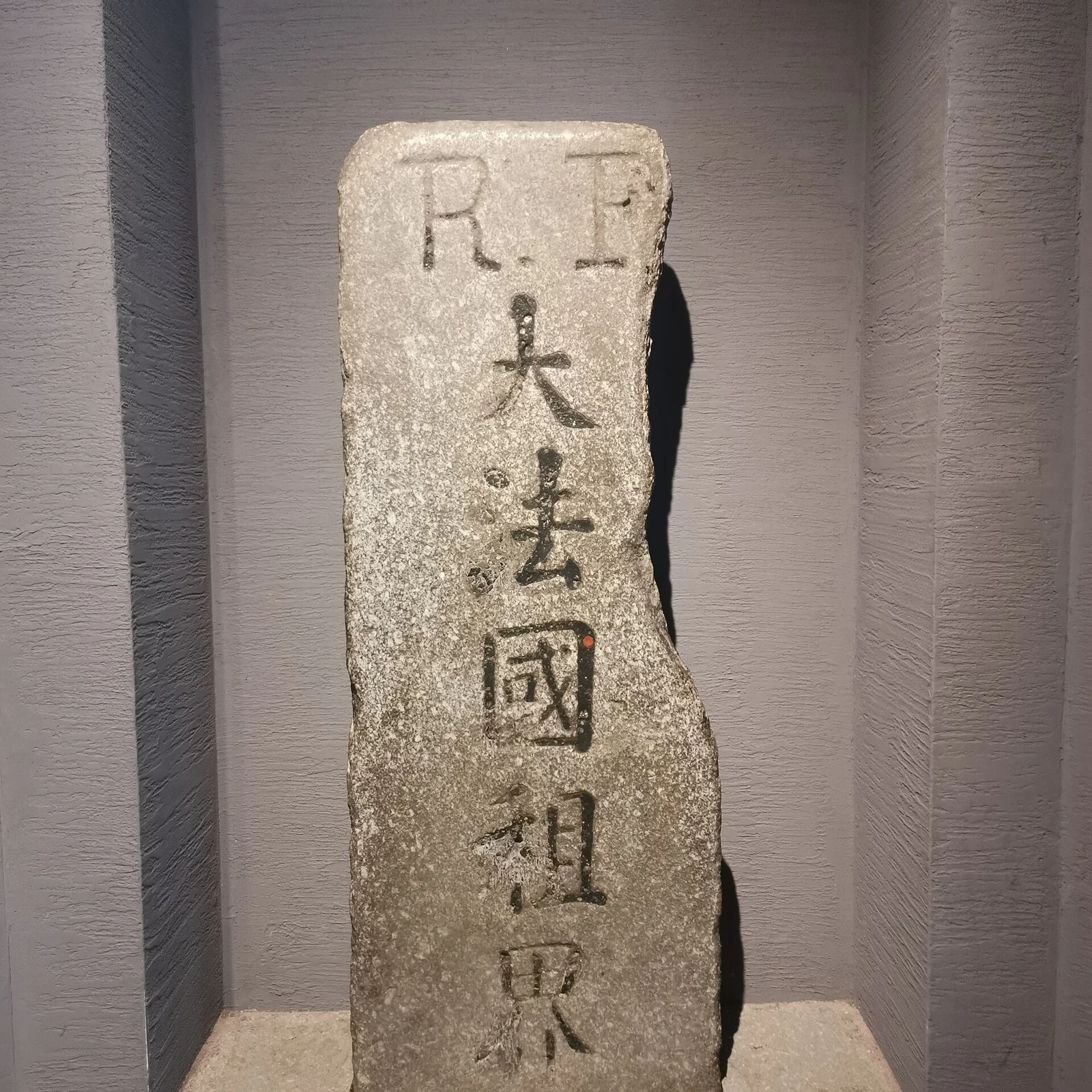
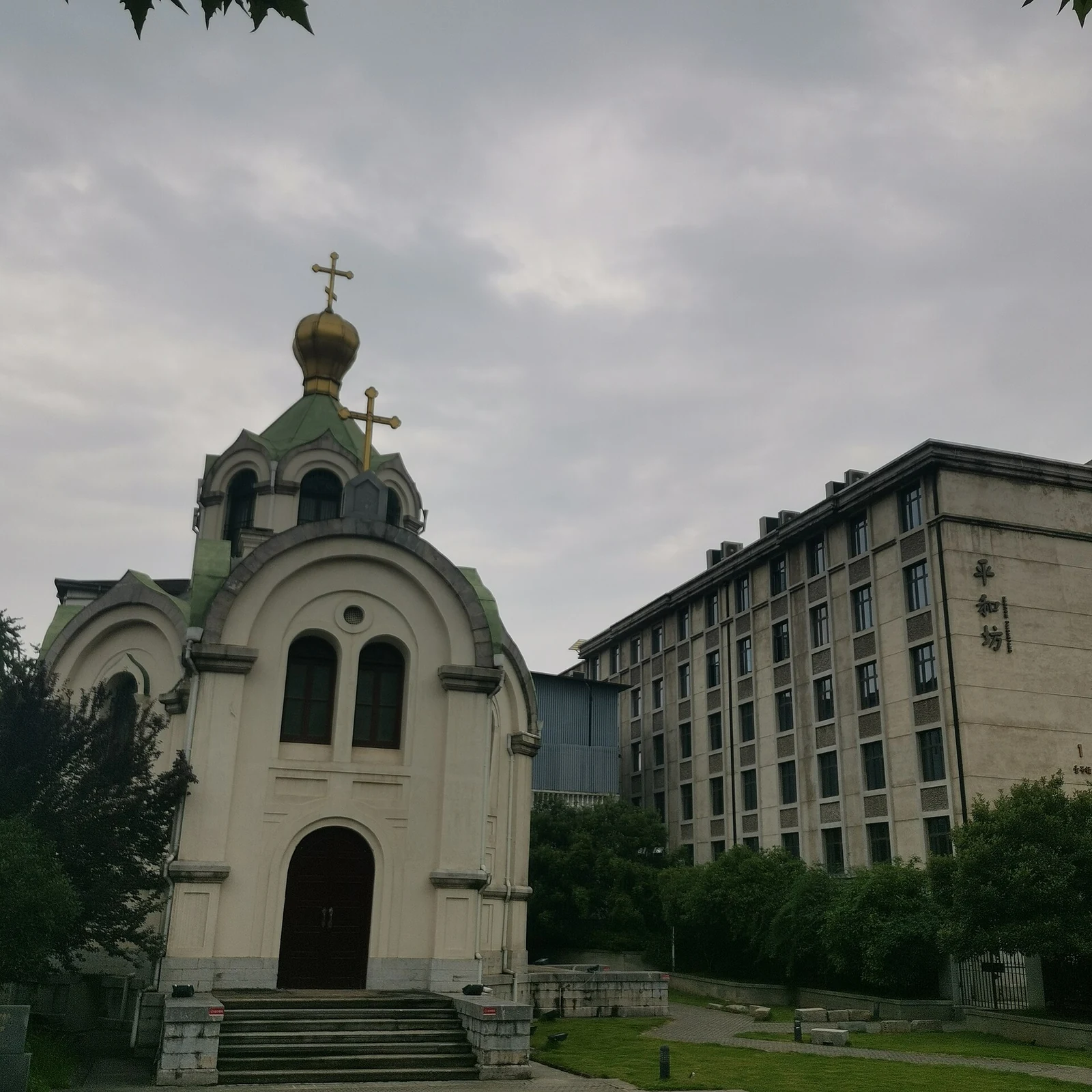
British, Russian, French, German and Japanese concessions developed along the Hankou riverfront. Banks, commercial premises, religious buildings and former consulates give the streets different architectural accents. These structures preserve parts of a history of foreign privilege and expanding commerce. Reading their individual uses is more revealing than imagining a single uniform “foreign quarter” or treating every building as contemporary with the opening of the port.
The clock is younger than the port
The surviving Jianghan Customs House at the river end of Jianghan Road was completed on 21 January 1924. Its clock tower became a familiar marker on the waterfront, and the building later became a museum. The façade faces a port whose commercial history was already long established. A clock high above the street gave that busy landscape a shared public time, while the building’s present use preserves rooms and records from the customs service.