Suizhou and the Memory of Shennong
At Lishan near Suizhou, the tradition of Yandi Shennong gives agriculture a remembered ancestor, alongside a region with its own archaeological past.
Suizhou lies in northern Hubei, bordering Henan to the north and east. In the Spring and Autumn and Warring States periods it was the territory of the State of Sui, also called Zeng, inside the cultural sphere of Chu, and the Yejiashan Cemetery excavation has added to what is known about that era. It became a prefecture-level city only in June 2000, and it administers Zengdu District, Guangshui City, Sui County, the Suizhou Economic Development Area and the Dahongshan Scenic Area, 54 township-level divisions in all, with the Hankou-Danjiangkou Railway serving it. It calls itself the home of the Yan Emperor, a national historical and cultural city, once called Han Dong and known as the throat of Han and Xiang and the bright pearl of northern Hubei. The Yan Emperor Shennong scenic area at Lishan, 18 kilometres from the city, covers 171.3 hectares, and between 2009 and 2020 the province held twelve editions of the World Chinese Yan Emperor Root-seeking Festival there. Behind the city rise the Dahongshan mountains, 305 square kilometres of them, with the peak of Baozhu at 1,055 metres and the crater lake of White Dragon Pool at 840 metres.
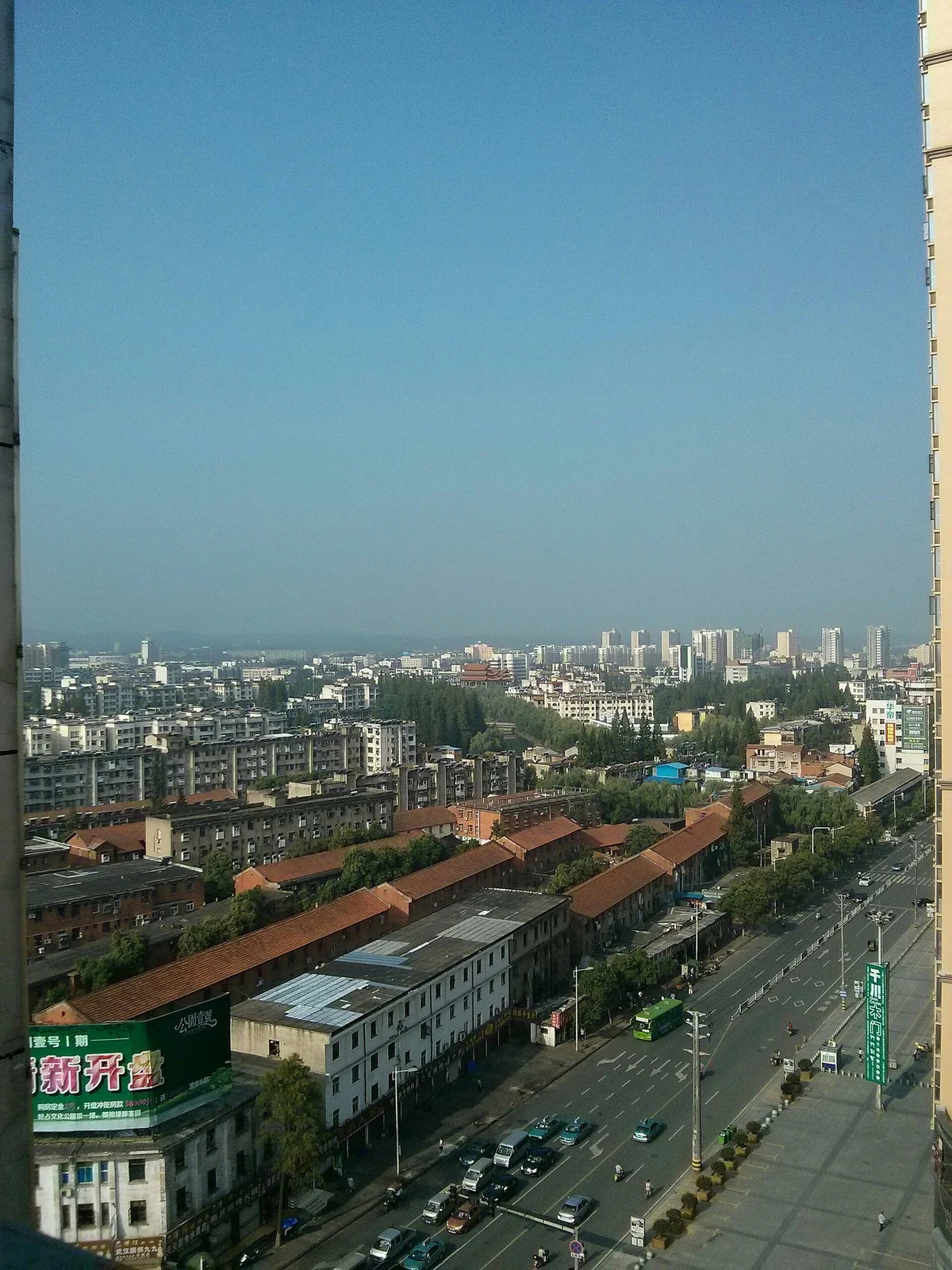
At Lishan near Suizhou, the tradition of Yandi Shennong gives agriculture a remembered ancestor, alongside a region with its own archaeological past.