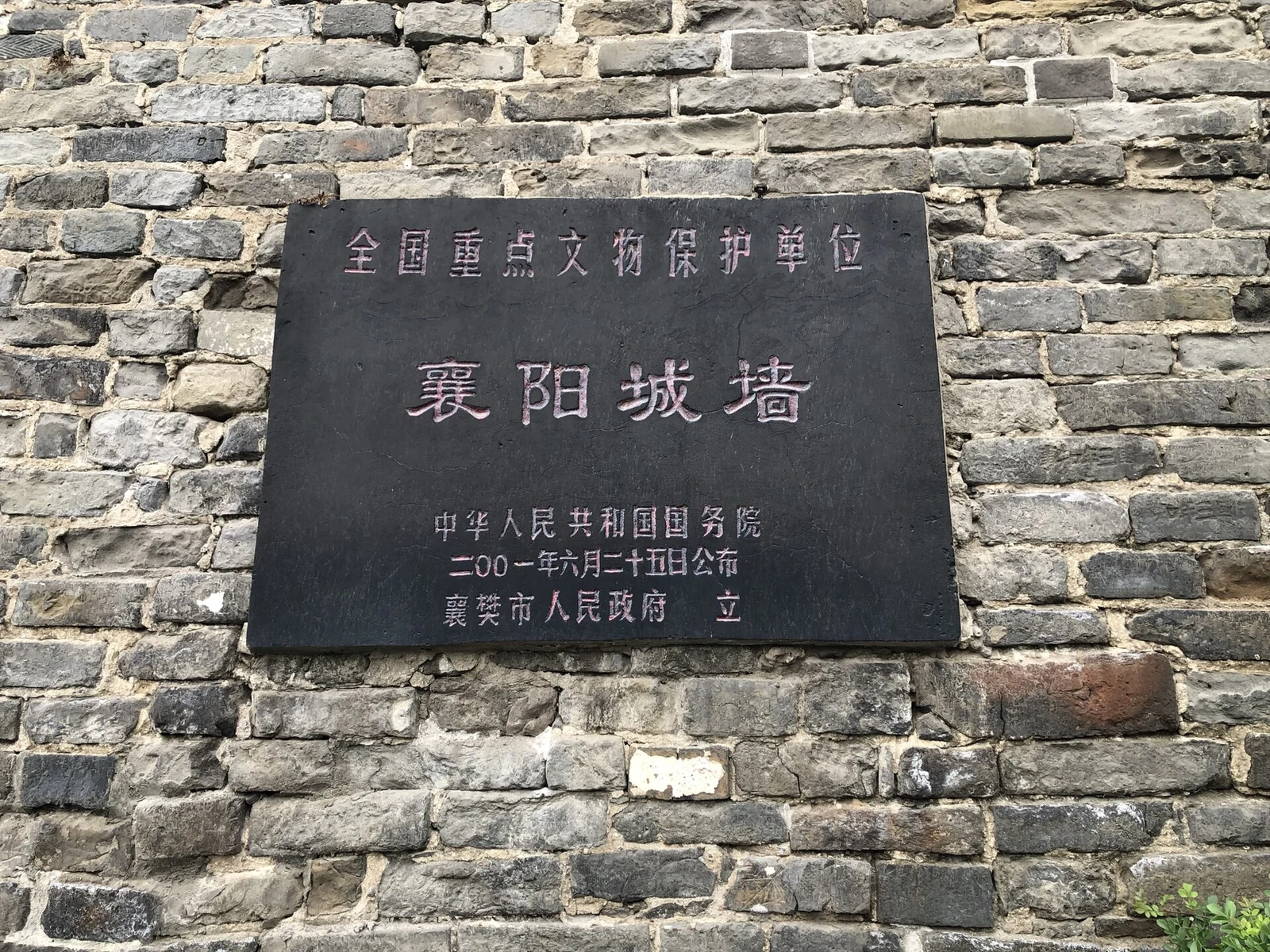
Two Walled Cities Beside the Han
Xiangyang’s walls, the river crossing to Fancheng and the story of Lady Han reveal several periods of defence and remembrance.
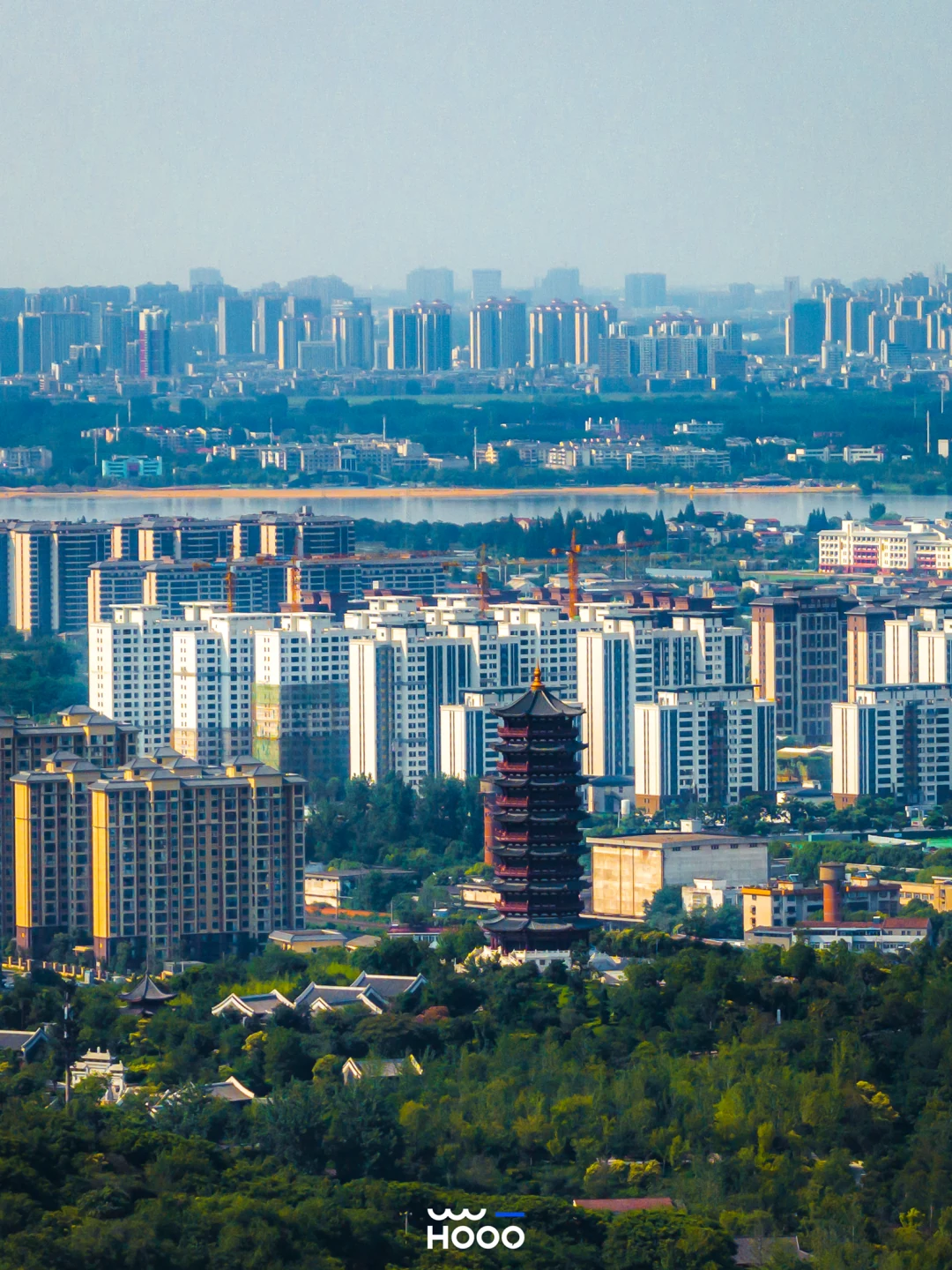
Xiangyang’s old city lies south of the Han River, with Fancheng to the north. Together they occupied a strategically important crossing. Water was not a decorative edge to the fortifications: it helped determine approaches, communication and defence. The visible walls and gates carry later rebuilding, while the importance of the crossing extends across different historical periods.
Mi Fu, who lived from 1051 to 1107, is remembered as a calligrapher, painter and connoisseur of the Song period. His association with Xiangyang made him an important figure in the city’s cultural memory. He belongs to a world of brushwork, collecting and exchanges between writers and artists.
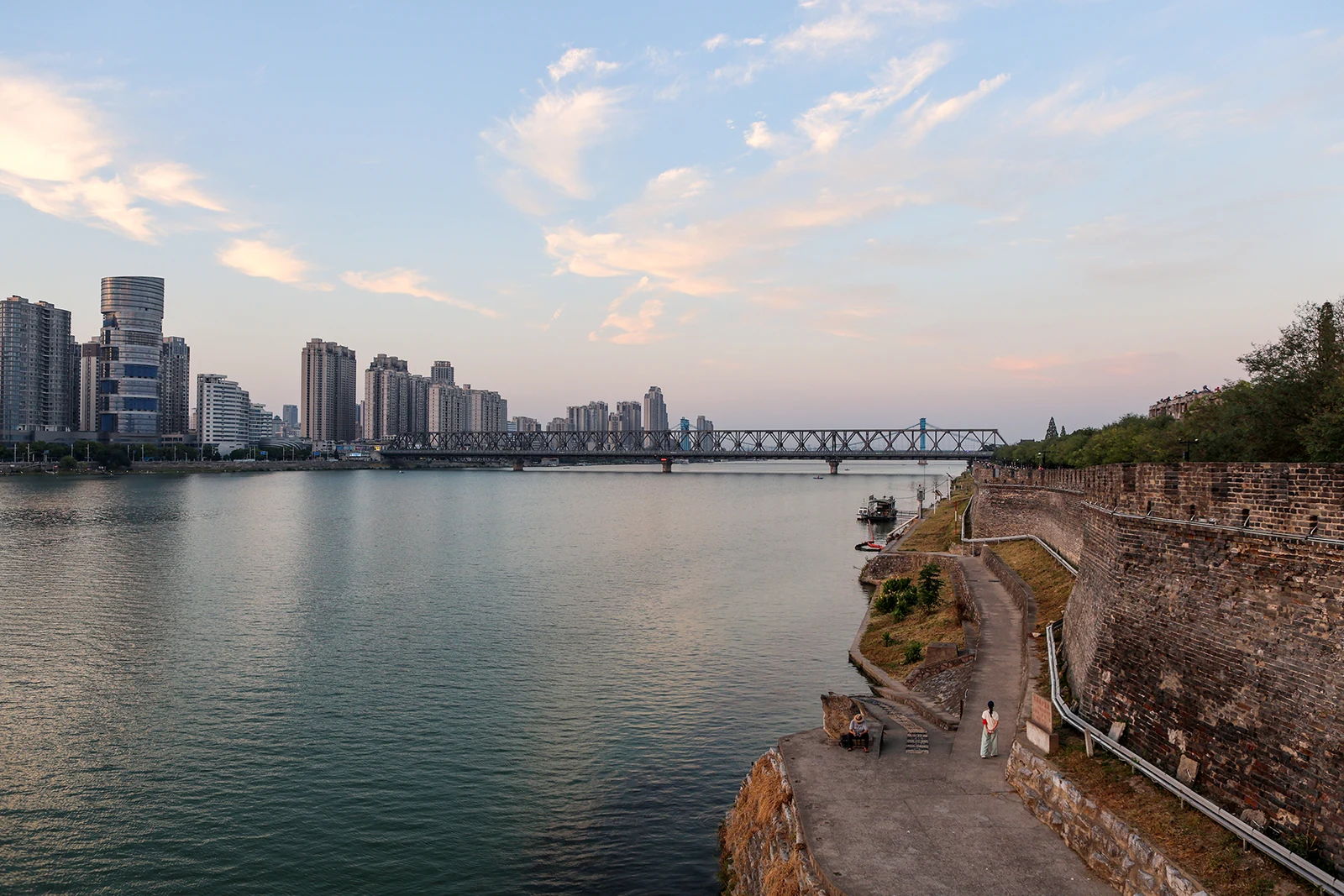
Xiangyang’s walls, the river crossing to Fancheng and the story of Lady Han reveal several periods of defence and remembrance.
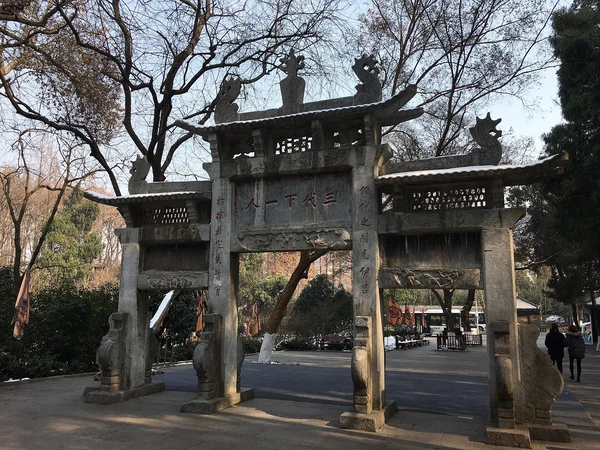
At Longzhong near Xiangyang, memorial buildings and a familiar idiom keep the meeting of Liu Bei and Zhuge Liang in the landscape.
Read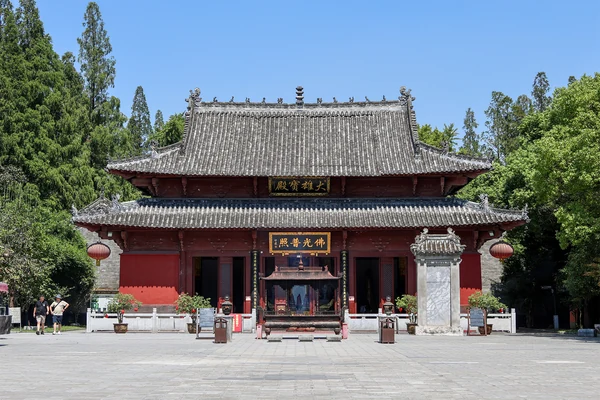
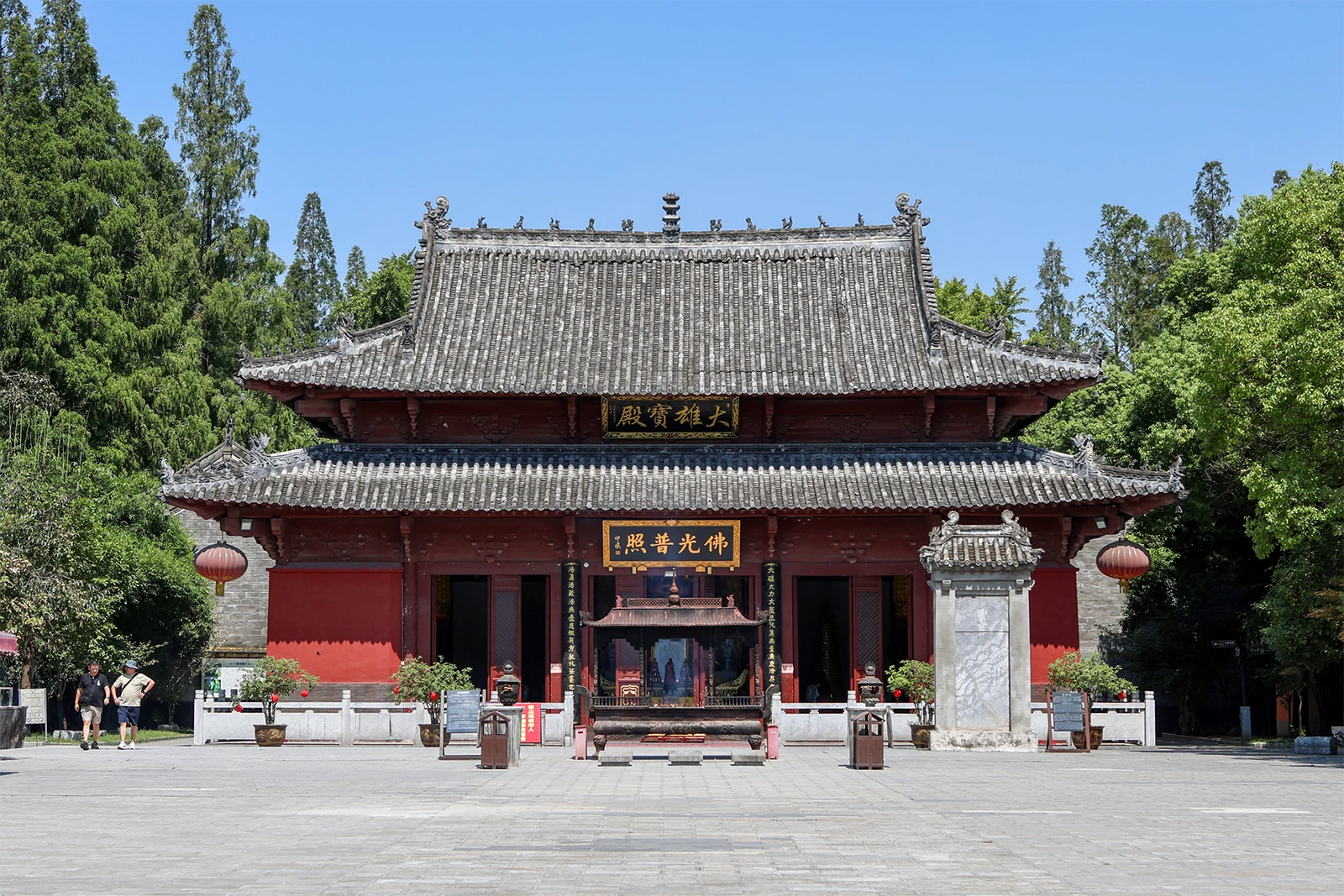
At Guangde Temple outside Xiangyang, the Duobao Pagoda brings brick, stone, niches and carved Buddhist figures into a distinctive architectural form.
Read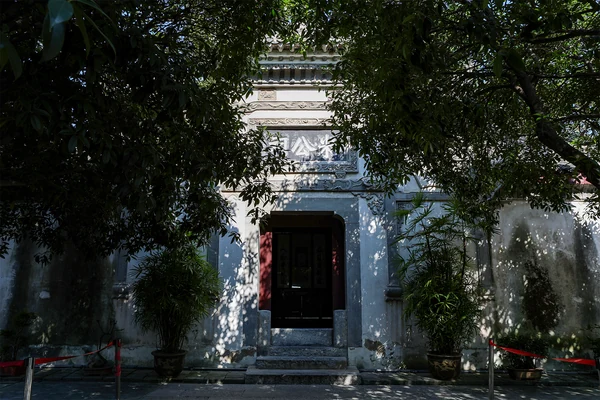
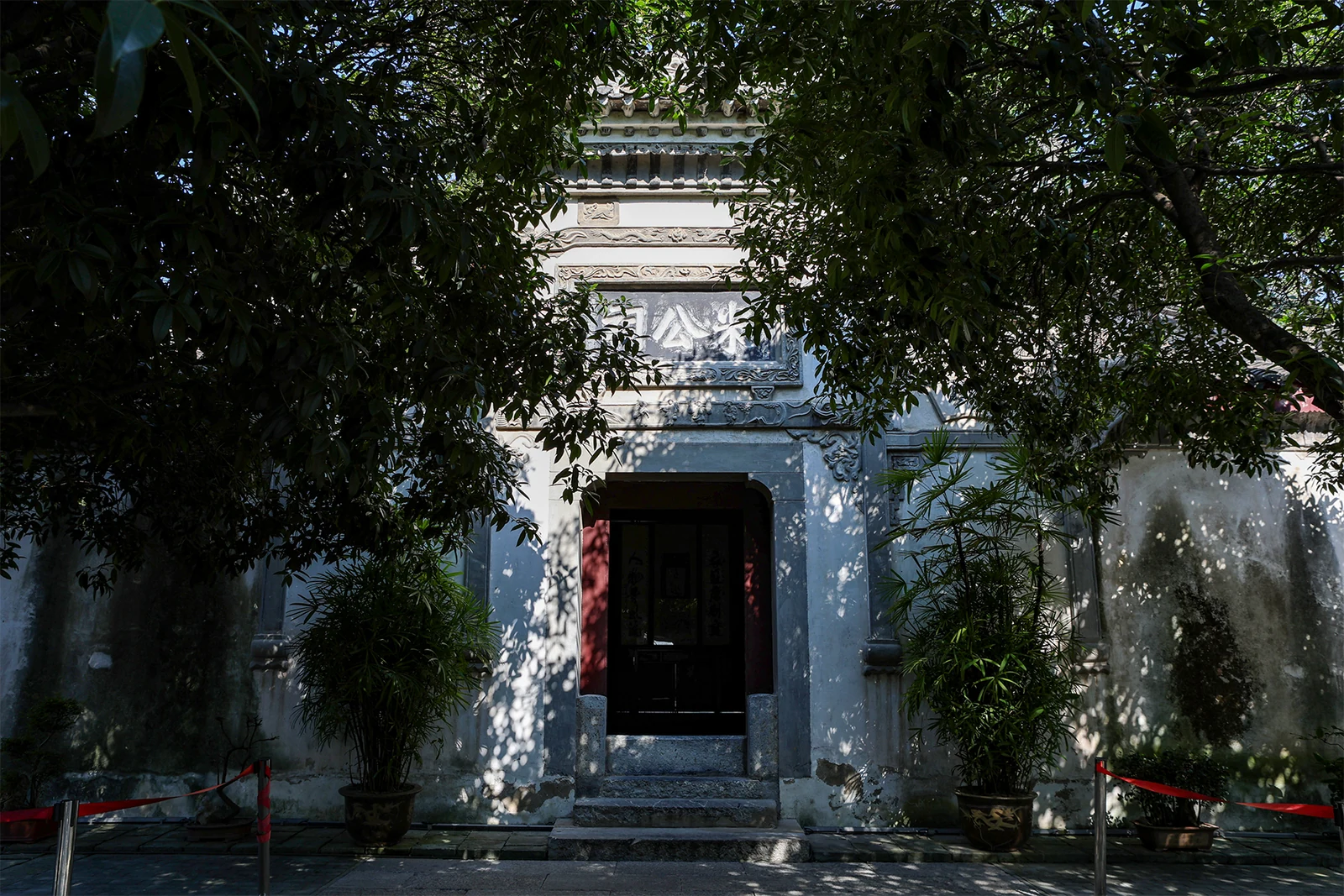
At Mi Fu’s shrine in Fancheng, courtyards and carved calligraphy preserve the reputation of a Song artist through later acts of copying and remembrance.
Read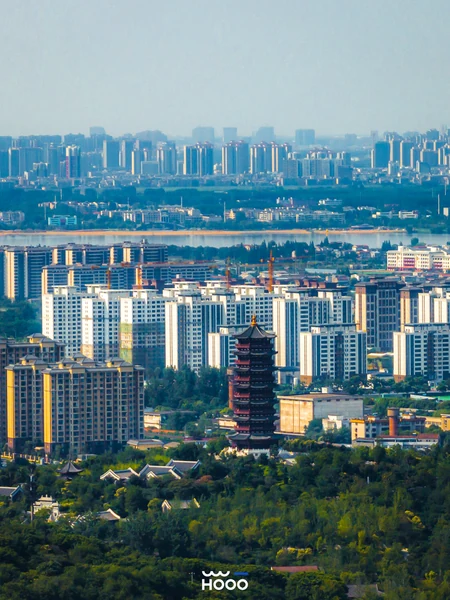
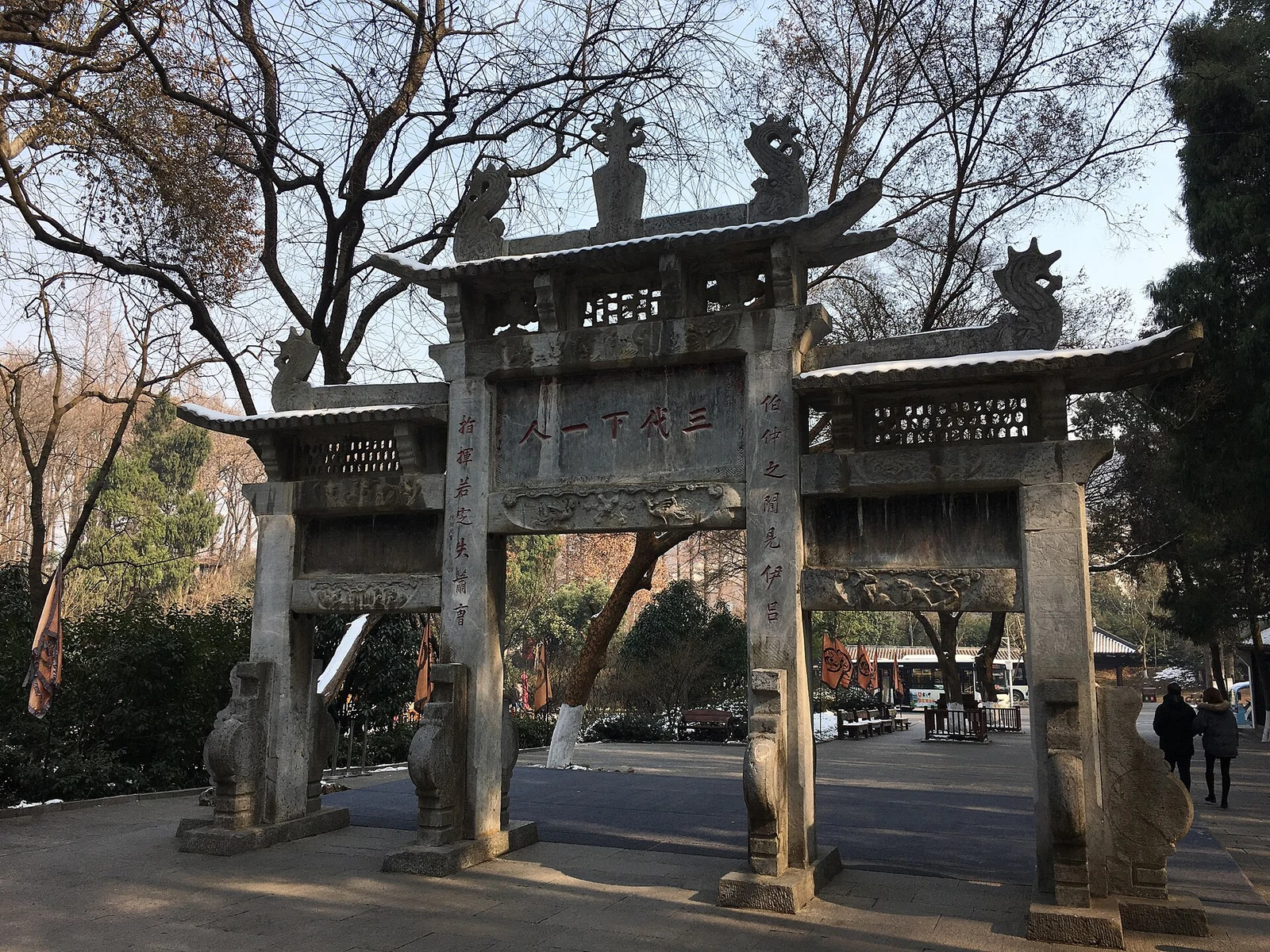
On Xiangyang’s Xian Mountain, the memory of Yang Hu and the Monument of Tears passed from local commemoration into Tang poetry.
ReadThe old walled city south of the Han River, facing Fancheng across a strategically important crossing.
A scenic area of 209 square kilometres 13 kilometres from Xiangyang, where Zhuge Liang is said to have waited for Liu Bei.
A Buddhist monastery near Longzhong outside Xiangyang, known for the Ming-period Duobao Pagoda.
The shrine on Yanjiang Road in Fancheng District that keeps Mi Fu's calligraphy, with fifty-eight steles and forty-five rubbings of his hand.
The hill above Xiangyang where the city raised a stele for Yang Hu, wept at it, and gave the stone the name of the Monument of Tears.