Jingzhou: A City Wall and a General’s Memory
Jingzhou’s surviving city wall and its remembrance of Guan Yu bring built defences and Three Kingdoms storytelling into different layers of one city.
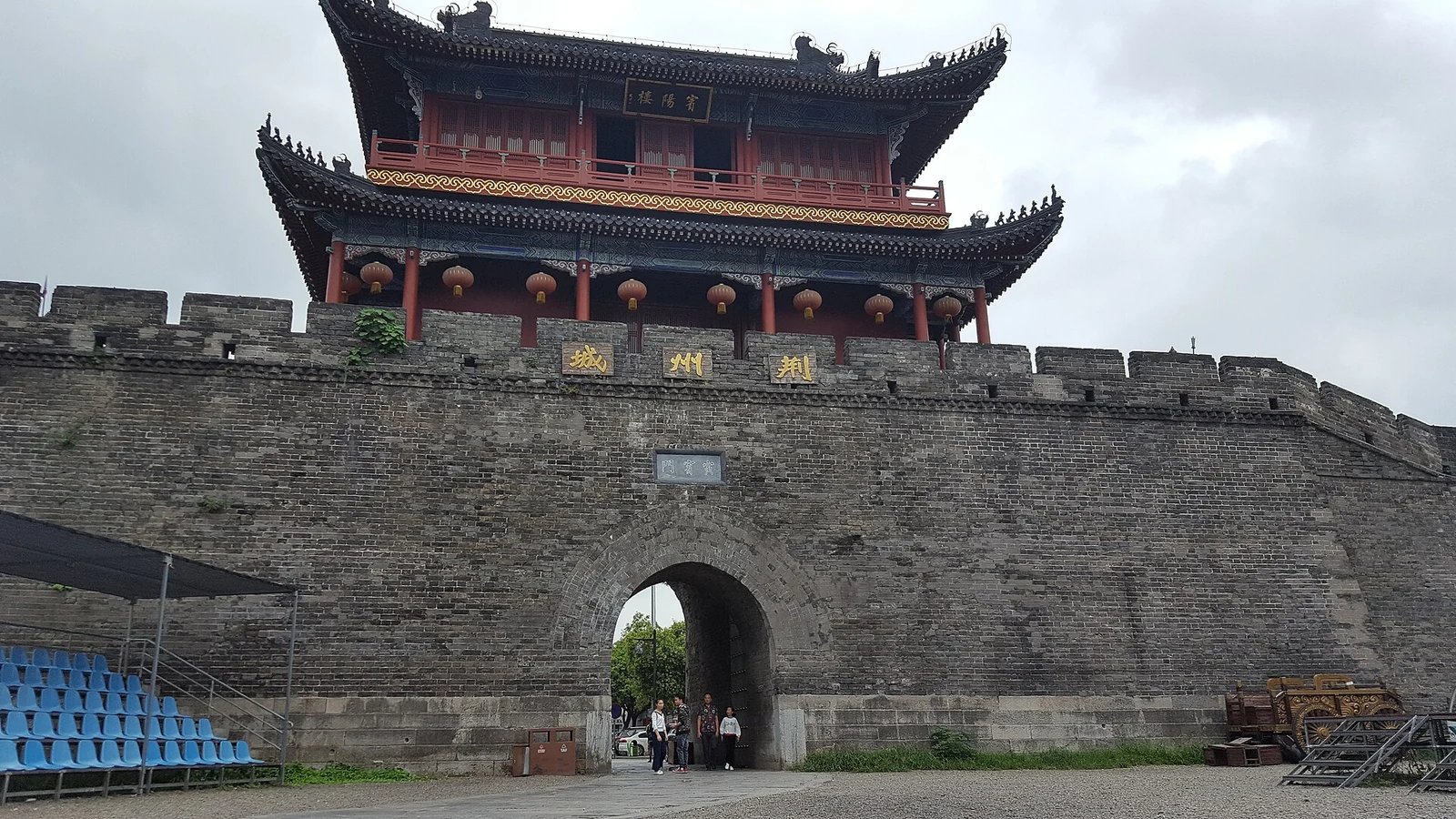
Jingzhou’s old city is enclosed by substantial surviving walls, gates and a moat. The visible brickwork carries a history of rebuilding, including major work in the Ming and Qing periods. Gates mark passages between the enclosed streets and the city outside, while the moat gives the defences another visible edge. The ancient Chu capital and its archaeological remains form an earlier layer of history elsewhere in the Jingzhou area.
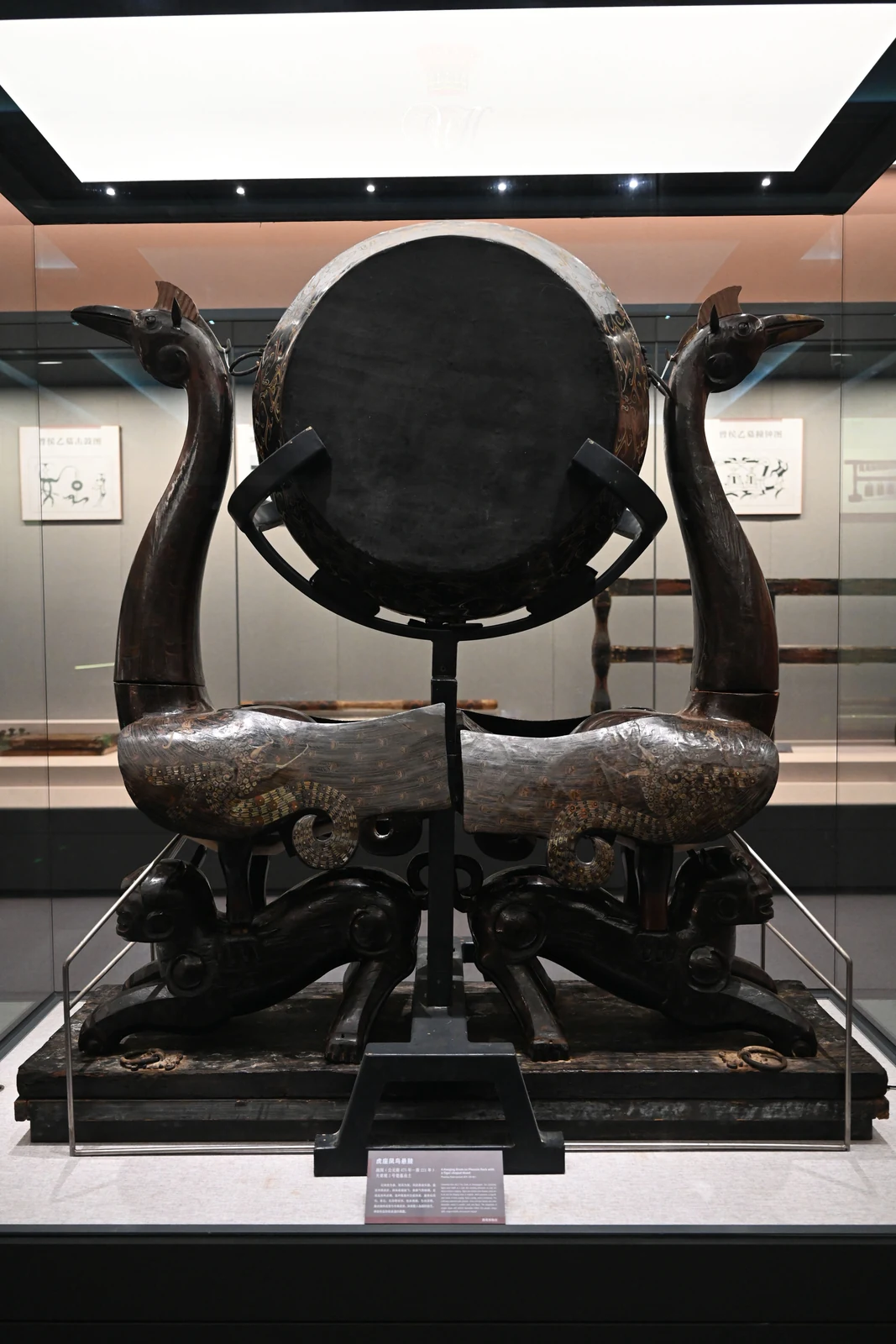
The tiger-based, bird-framed drum is among the most recognisable kinds of object from Chu burials in the Jingzhou area. A drum is suspended between long-legged birds standing on tigers. The support makes an instrument into a composition of animals, balancing the upright birds against the low bodies beneath them. It can be read first through its shape, before a visitor knows any dynastic names.
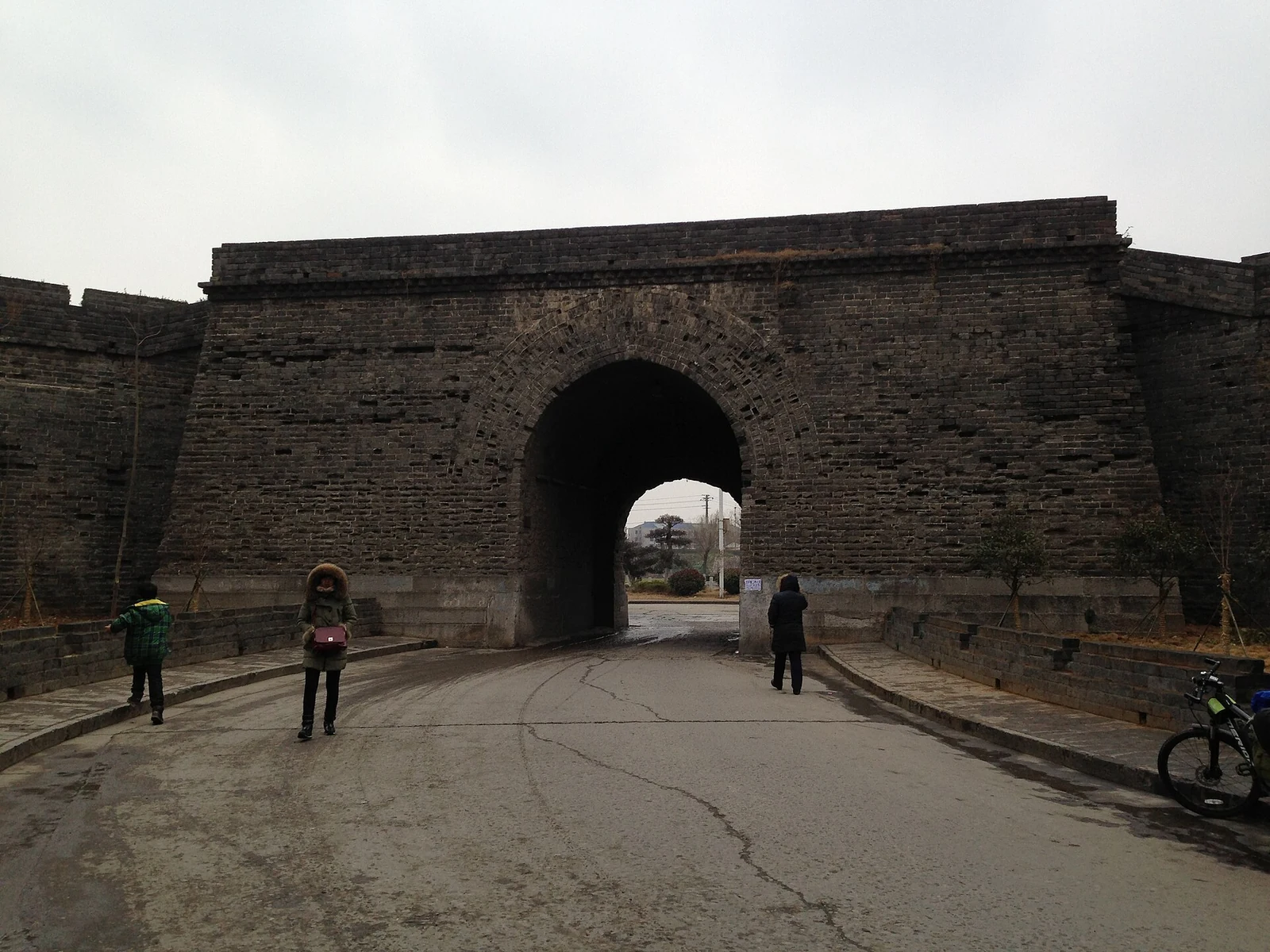
Jingzhou’s surviving city wall and its remembrance of Guan Yu bring built defences and Three Kingdoms storytelling into different layers of one city.
At Jingzhou Museum, a painted wooden drum support makes the sound-world and animal imagery of Chu visible in lacquer and carved forms.
ReadThe walled old town of Jingzhou, where a 1646 rampart with 4,567 crenellations encloses the earliest Guan Yu shrine in the country.
The museum founded in 1958 on Jingzhong Road, with 130,000 objects, 553 of them national first-class relics, and a 2,000-year-old body.