Jingzhou: A City Wall and a General’s Memory
Jingzhou’s surviving city wall and its remembrance of Guan Yu bring built defences and Three Kingdoms storytelling into different layers of one city.
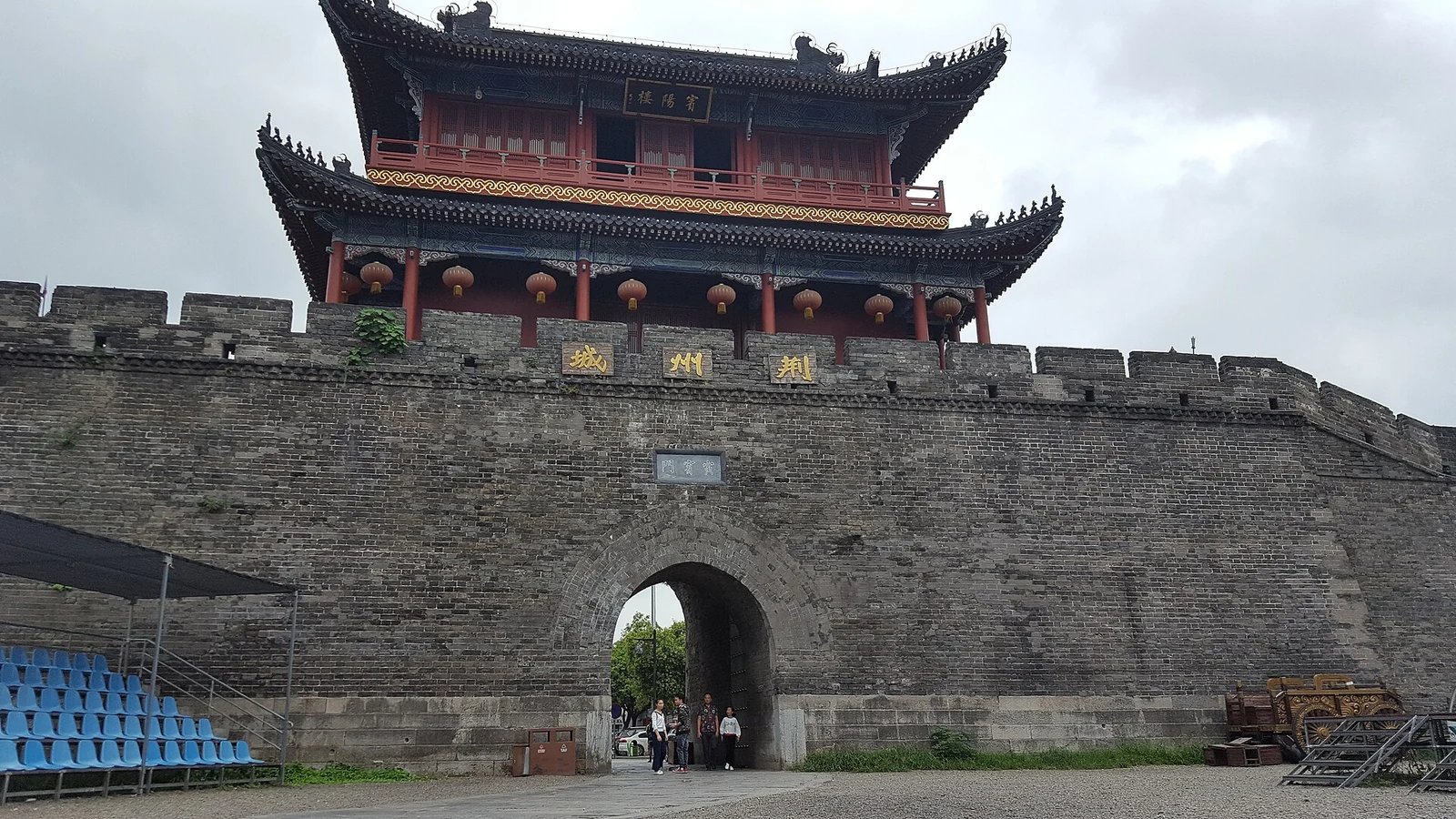
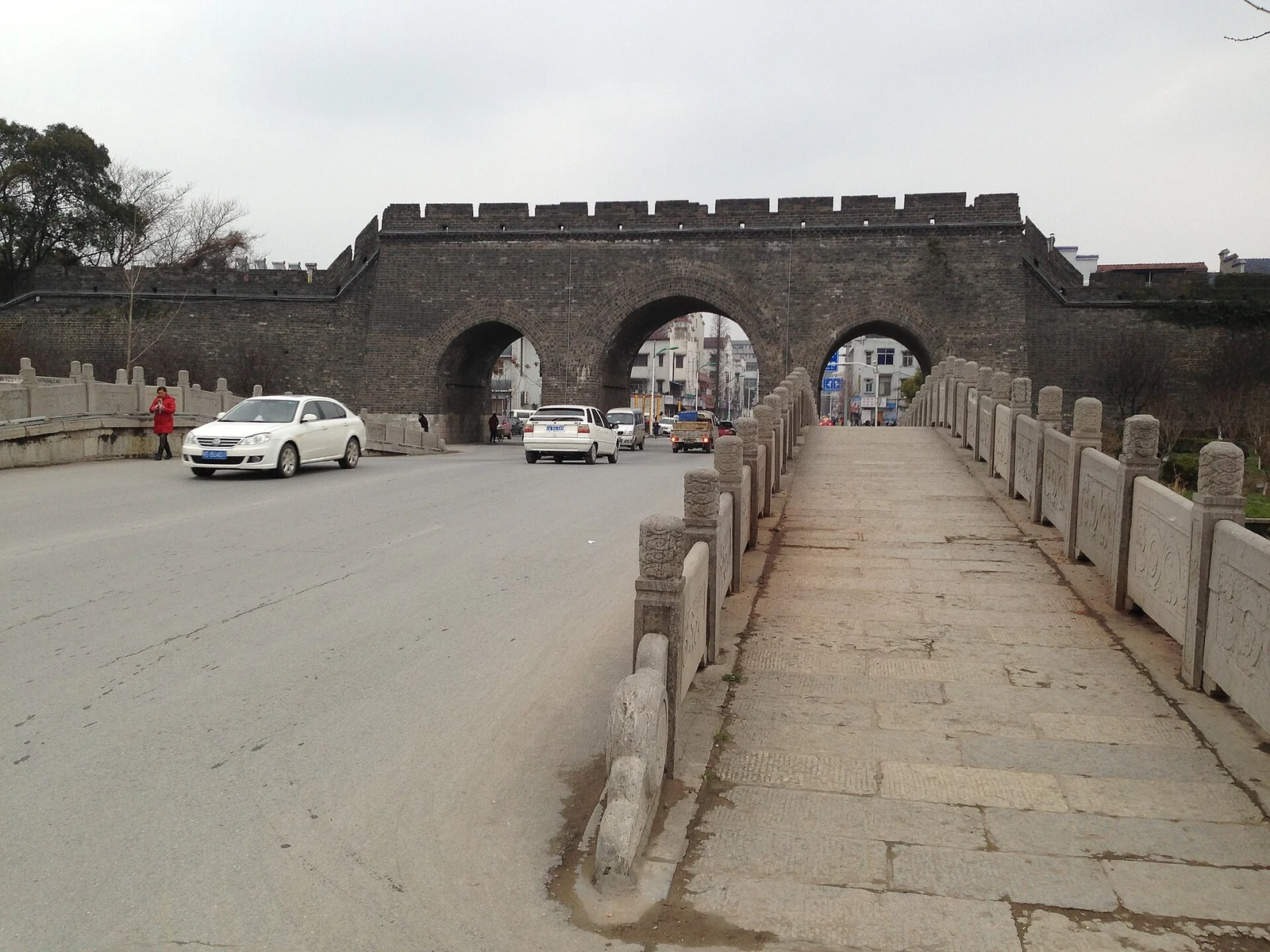
The ancient city stands in the shape of an irregular rectangle, 3.75 kilometres east to west and 1.2 kilometres north to south, with 4.5 square kilometres inside the wall and a perimeter of 11.821 kilometres. The wall is 8.83 metres high, 3 to 5 metres wide on top and about 10 metres thick, with 4,567 crenellations, 26 cannon platforms and 6 drains leading outside; it was rebuilt in 1646 and its gates renamed. The wall is built of blue bricks set with lime and glutinous rice slurry, and of the four best-preserved ancient city walls in China it is the one with the longest continuous life and the most dynasties crossed, changed in the course of it from an earth rampart into a brick one. It was named a national key cultural relic in 1996 and put on the tentative World Heritage list in 2007. Six gates, each with its own tower, open in the wall, and inside the south gate stands the country's earliest Guan Temple.
Jingzhou’s surviving city wall and its remembrance of Guan Yu bring built defences and Three Kingdoms storytelling into different layers of one city.